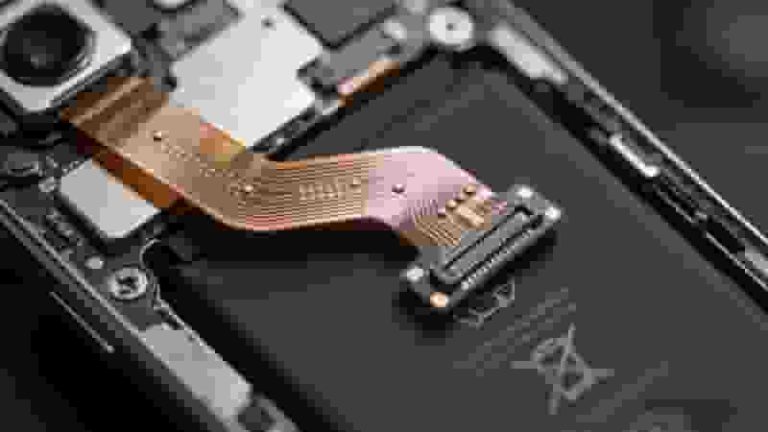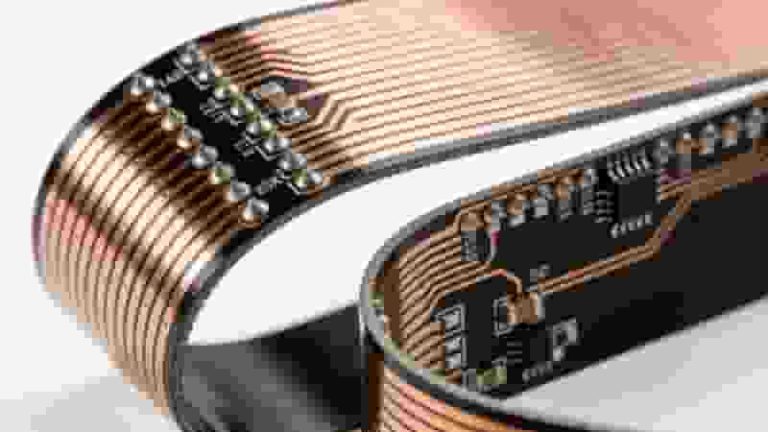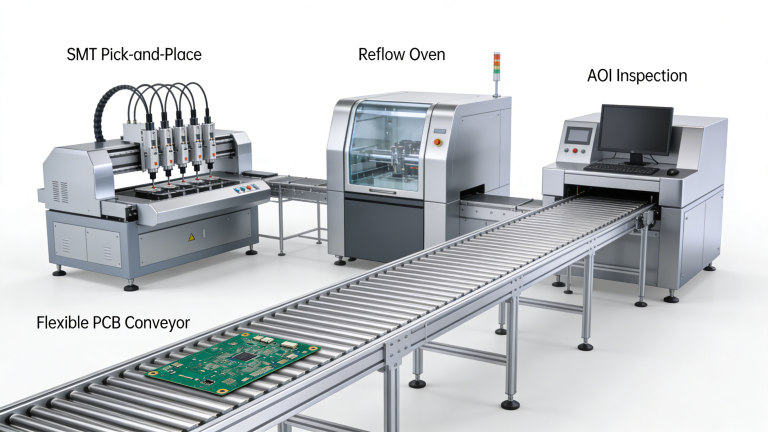
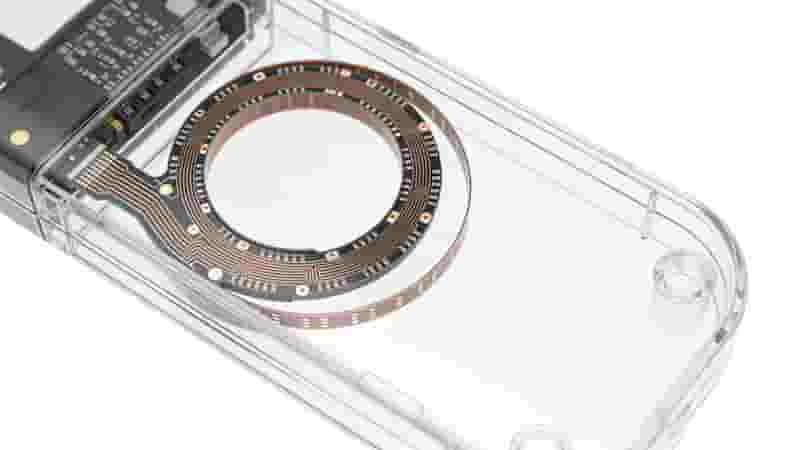
Flexible printed circuit boards (Flex PCBs) are reshaping the 2025 electronics industry with superior flexibility, lightweight design, and high reliability. Widely used in wearables, medical devices, automotive electronics, IoT, aerospace, and 6G systems, flex PCBs enable miniaturization, durability, and high‑speed signal transmission. We provide professional flex PCB solutions for global industrial buyers, engineers, and procurement teams.
Why Choose Flex PCBs? Key Technical Advantages
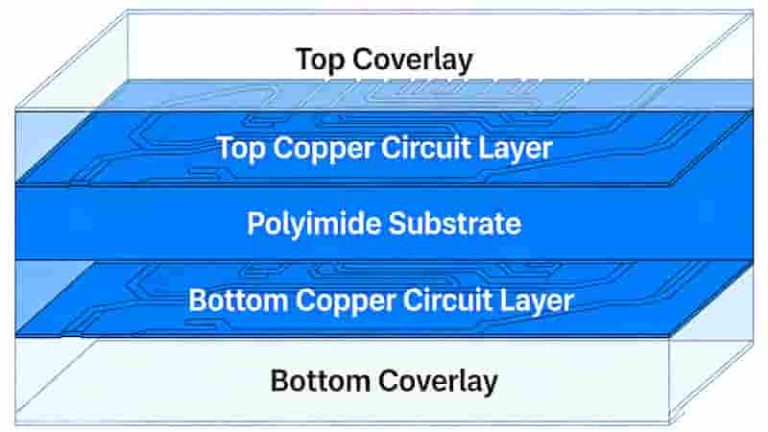
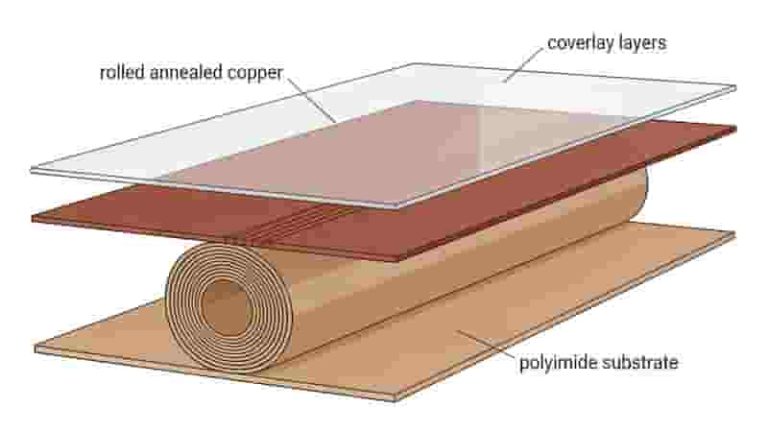
Flexible printed circuit boards built on polyimide substrates deliver exceptional thermal stability, signal integrity above 10 GHz, and biocompatibility for high‑performance electronic designs.
| Feature | Flex PCB | Rigid PCB |
|---|---|---|
| Thickness | 0.1 mm or less | 0.8 mm+ |
| Bend Radius | <0.5 mm | Not flexible |
| Weight | Up to 70% lighter | Heavier |
| Durability | 200,000+ flex cycles | Limited |
| Temperature Range | -40°C to 200°C | -20°C to 120°C |
Flexible PCBs in Wearable Technology
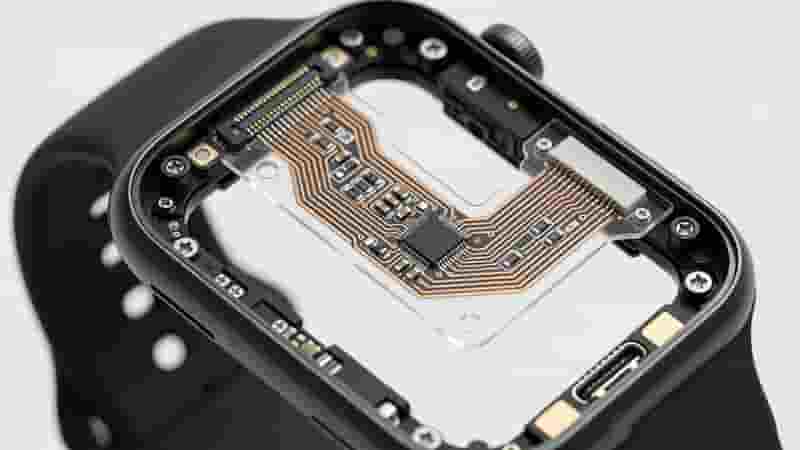
At 0.08 mm thickness and bend radii below 0.5 mm, flex PCBs enable skin‑like, comfortable wearable devices with stable high‑speed sensing and transmission.
- Smartwatches with OLED and ECG sensors
- Fitness trackers for heart rate and motion detection
- AR/VR headsets with curved optical modules
We help customers reduce device weight by 15% and extend battery life by 10% using optimized flex PCB designs.
Flexible PCBs in Consumer Electronics
Flex PCBs support ultra‑high density interconnects in small spaces and withstand over 100,000 bending cycles for foldable phones and convertible laptops.
- Foldable smartphones and hinge connections
- Convertible notebooks and 2‑in‑1 tablets
- Rollable displays and next‑generation interfaces
Flexible PCBs in Medical Devices
Medical‑grade flexible printed circuit boards offer biocompatibility, fluid resistance, and stable performance up to 150°C, ideal for implantable and diagnostic tools.
- Hearing aids and in‑ear signal processors
- Endoscopes with 4K imaging sensors
- Implantable devices like pacemakers and insulin pumps
Our ISO 13485‑compliant flex PCB manufacturing ensures safety and long‑term reliability for critical medical applications.
Flexible PCBs in Automotive & EV Electronics
Flex PCBs resist extreme vibration (20G) and temperatures from ‑40°C to 150°C, while reducing vehicle weight by up to 10%.
- EV battery management systems (BMS)
- ADAS sensors, radar, and LiDAR modules
- Interior electronics, sunroofs, and airbag systems
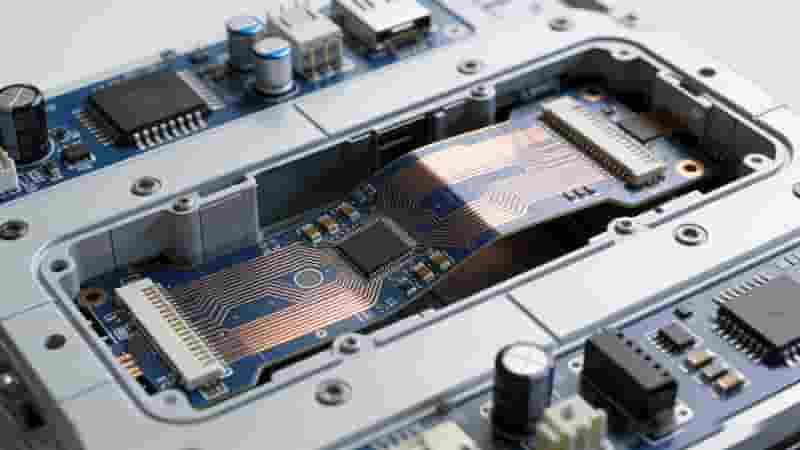
Flexible PCBs in Aerospace & Defense
High‑reliability flex PCBs operate at 200°C and 50G vibration with professional EMI shielding for mission‑critical aerospace and defense equipment.
- Aircraft navigation and communication systems
- Night‑vision goggles and portable military devices
- Drone and aerospace exploration equipment
Flexible PCBs in IoT & Smart Devices
Flex PCBs enable compact, low‑power IoT sensors that withstand moisture, dust, and vibration for smart homes, industrial monitoring, and smart cities.
- Smart home speakers and control modules
- Industrial IoT sensors for harsh environments
- Wearable IoT and smart monitoring jewelry
Flexible PCBs in Green Energy
Flex PCBs conform to curved surfaces and resist UV light and temperature changes, making them ideal for renewable energy systems.
- Flexible solar panels and curved PV modules
- Wind turbine sensor and monitoring systems
- Thin‑film batteries and energy storage devices
6G, Robotics & Emerging Applications
In 2025, flexible printed circuit boards become the core of 6G communication, robotics, and brain‑computer interfaces (BCIs).
- 6G antennas supporting 100 GHz high‑frequency signals
- Robotic joints with high‑cycle flexible connections
- Biocompatible BCIs and neural monitoring devices

How to Choose a Reliable Flex PCB Supplier
When selecting a flex PCB supplier, focus on certifications, customization, technical support, and scalability:
- Certifications: ISO 9001, ISO 13485, IPC, AEC‑Q100
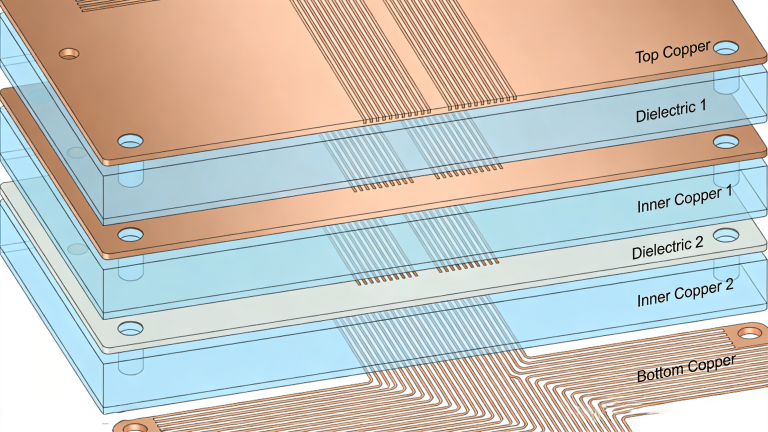
- Customization: single‑sided to 12‑layer flex PCBs
- Technical support: FEA, signal integrity, and DFM analysis
- Capacity: fast prototyping to mass production
Conclusion
In 2025, flexible printed circuit boards remain the foundation of advanced electronics across wearables, medical, automotive, IoT, aerospace, and 6G. With outstanding flexibility, light weight, and durability, flex PCBs drive global electronic innovation.
We provide professional, customized flex PCB solutions to support your product development and mass production needs.
Start Your Flex PCB Project Today
Request a prototype, quote, or free design consultation for your flex PCB needs.
Contact Us for a Quote