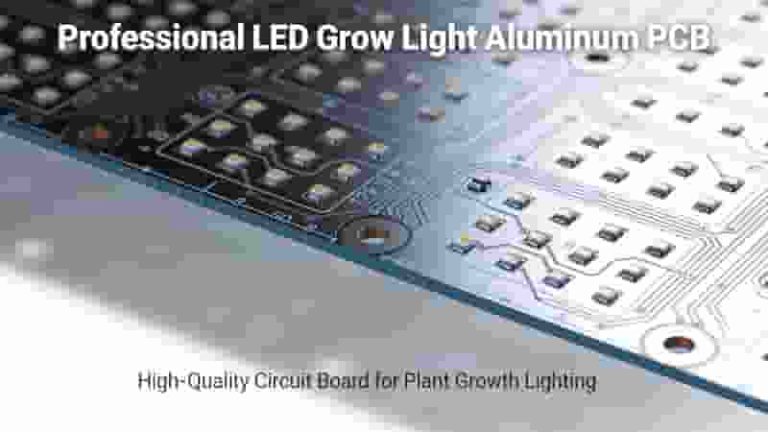
LED PCB is a thermally optimized printed circuit board purpose-built for mounting, powering, and cooling LEDs. This guide covers definition, structure, types, materials, thermal design, applications, and selection tips to help you source reliable LED PCB for industrial, automotive, and commercial lighting projects.
What Is an LED PCB?
An LED PCB (LED Printed Circuit Board) is a specialized circuit board designed exclusively for LED assembly, electrical connection, and high-efficiency heat dissipation. Unlike standard PCBs, LED PCB focuses on thermal performance to ensure stable lighting output and long service life.
Most LED PCB uses metal core (aluminum or copper) as the base substrate, which rapidly transfers heat away from LED chips. This design makes LED PCB the core component of modern high‑performance lighting systems.
Key Components of LED PCB
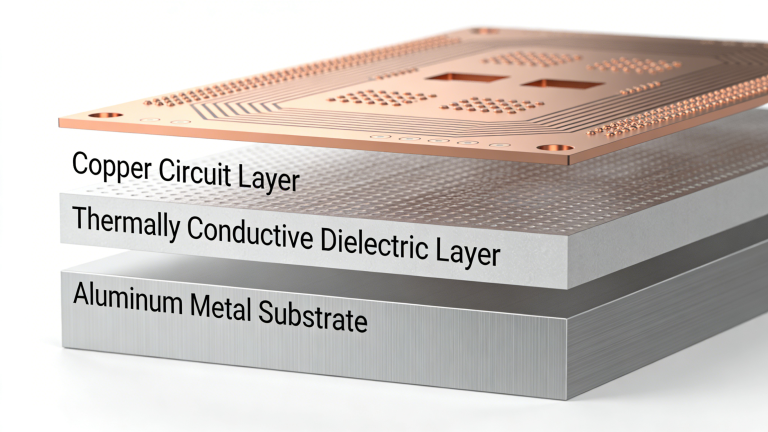
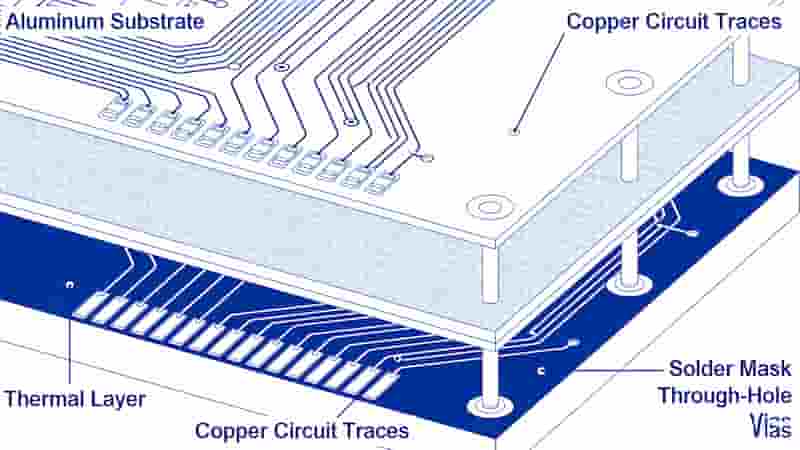
A complete LED PCB consists of these core parts:
- LED Chips: The light-emitting source, mostly SMD type for high brightness and density.
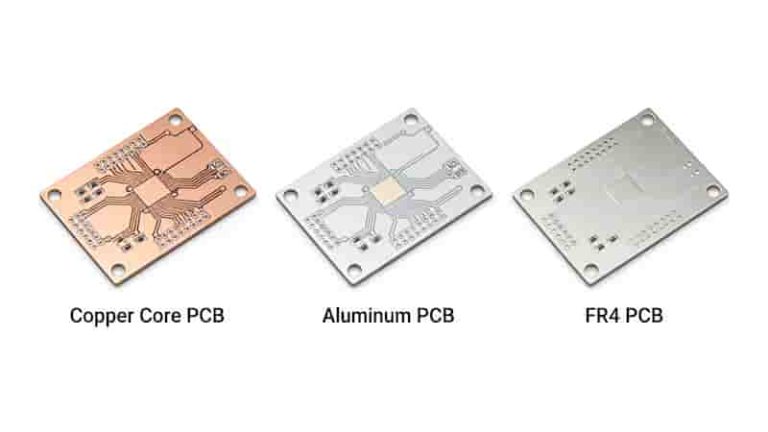
- Substrate: Aluminum, copper, ceramic, or FR4; aluminum is most widely used for LED PCB.
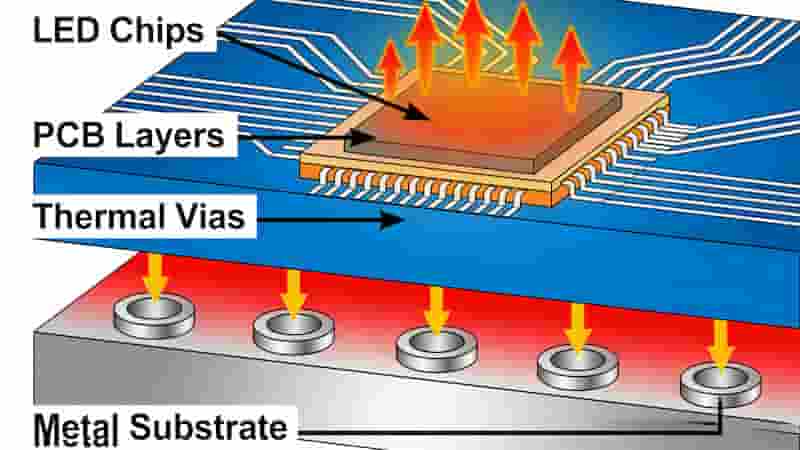
- Dielectric Layer: Insulating but thermally conductive layer between circuit and metal base.
- Circuit Traces: Copper circuits for power supply and signal control.
- Thermal Management Layer: Spreads heat to avoid overheating of LED chips.
How LED PCB Works
When powered, current flows through copper traces to LED chips. Electrons recombine inside semiconductor materials to emit light. Meanwhile, heat generated by LEDs is quickly conducted through dielectric layer to metal substrate and dissipated into air.
This thermal path is critical: poor heat dissipation shortens LED life, reduces lumen output, and causes color shift. A well-designed LED PCB keeps LEDs in safe temperature ranges.
Main Types of LED PCB
Common types of LED PCB for industrial buyers:
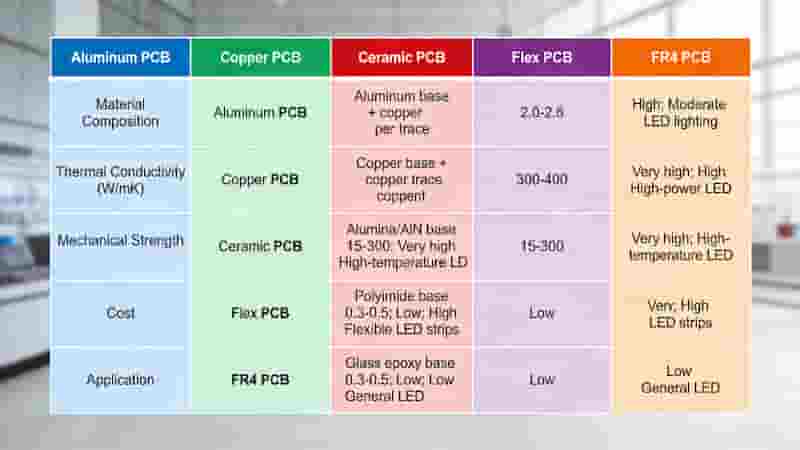
- Aluminum LED PCB (MCPCB): Best balance of thermal performance and cost; most popular for general lighting.
- Copper Core LED PCB: Highest thermal conductivity for high‑power LED systems.
- FR4 LED PCB: Low cost for low‑power indicators and small LED modules.
- Ceramic LED PCB: High stability for harsh environments and medical equipment.
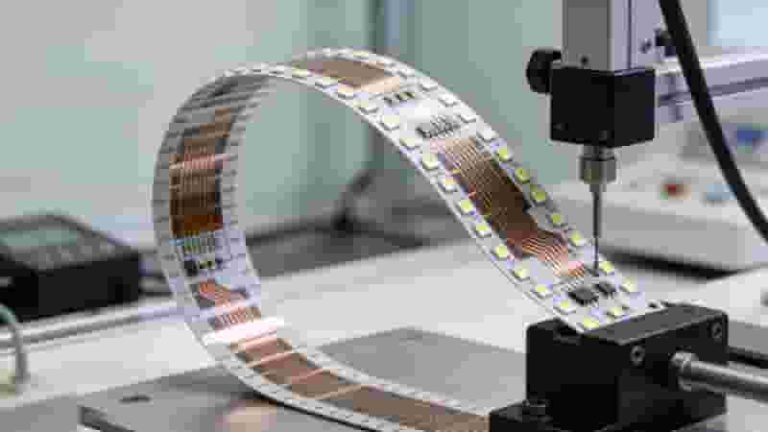
- Flexible LED PCB: Bendable for curved lighting, automotive interiors, wearables.
LED PCB vs Standard PCB
| Feature | LED PCB | Standard PCB |
|---|---|---|
| Base Material | Aluminum, copper, ceramic | FR4 fiberglass |
| Thermal Conductivity | 1–8 W/mK | 0.3–0.4 W/mK |
| Purpose | LED lighting & thermal control | General electronic circuits |
| Typical Use | Lighting, displays, automotive | Consumer electronics, controls |
Common Applications of LED PCB
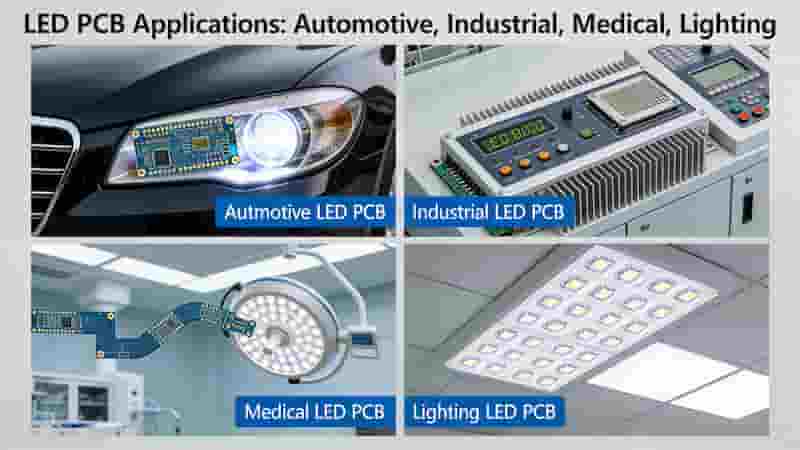
LED PCB is widely used across industries:
- Automotive lighting: headlights, taillights, interior lighting
- Commercial & industrial lighting: streetlights, high bay, panel lights
- Consumer electronics: screen backlight, camera flash, indicators
- Medical devices: surgical lighting, diagnostic equipment
- Architectural & decorative lighting
Advantages of LED PCB
Key benefits of using LED PCB:
- Excellent heat dissipation extends LED life up to 100,000 hours
- High energy efficiency reduces power consumption by 75–80%
- Stable performance, anti‑vibration, anti‑shock
- Compact, lightweight, and design‑flexible
- Eco‑friendly, no mercury, low carbon footprint
How to Choose the Right LED PCB
When selecting LED PCB, focus on these factors:
- Power level: high‑power needs aluminum or copper core LED PCB
- Thermal requirement: higher heat needs better thermal conductivity
- Application environment: temperature, humidity, vibration
- Budget: aluminum LED PCB offers the best cost‑performance
- Certifications: UL, CE, RoHS, ISO required for export
LED PCB Manufacturing Basics
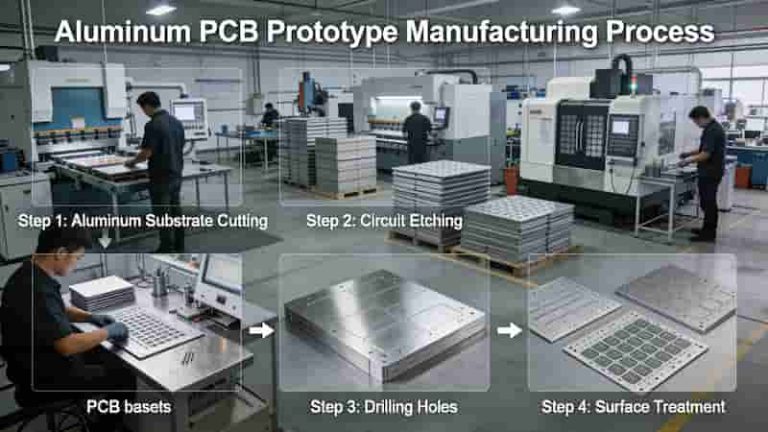
Standard production flow for LED PCB:
- Design: schematic, layout, thermal simulation
- Material selection: substrate, copper thickness, surface finish
- Fabrication: etching, drilling, laminating, solder mask
- SMT assembly: pick‑and‑place, reflow soldering
- Testing: AOI, functional test, reliability verification
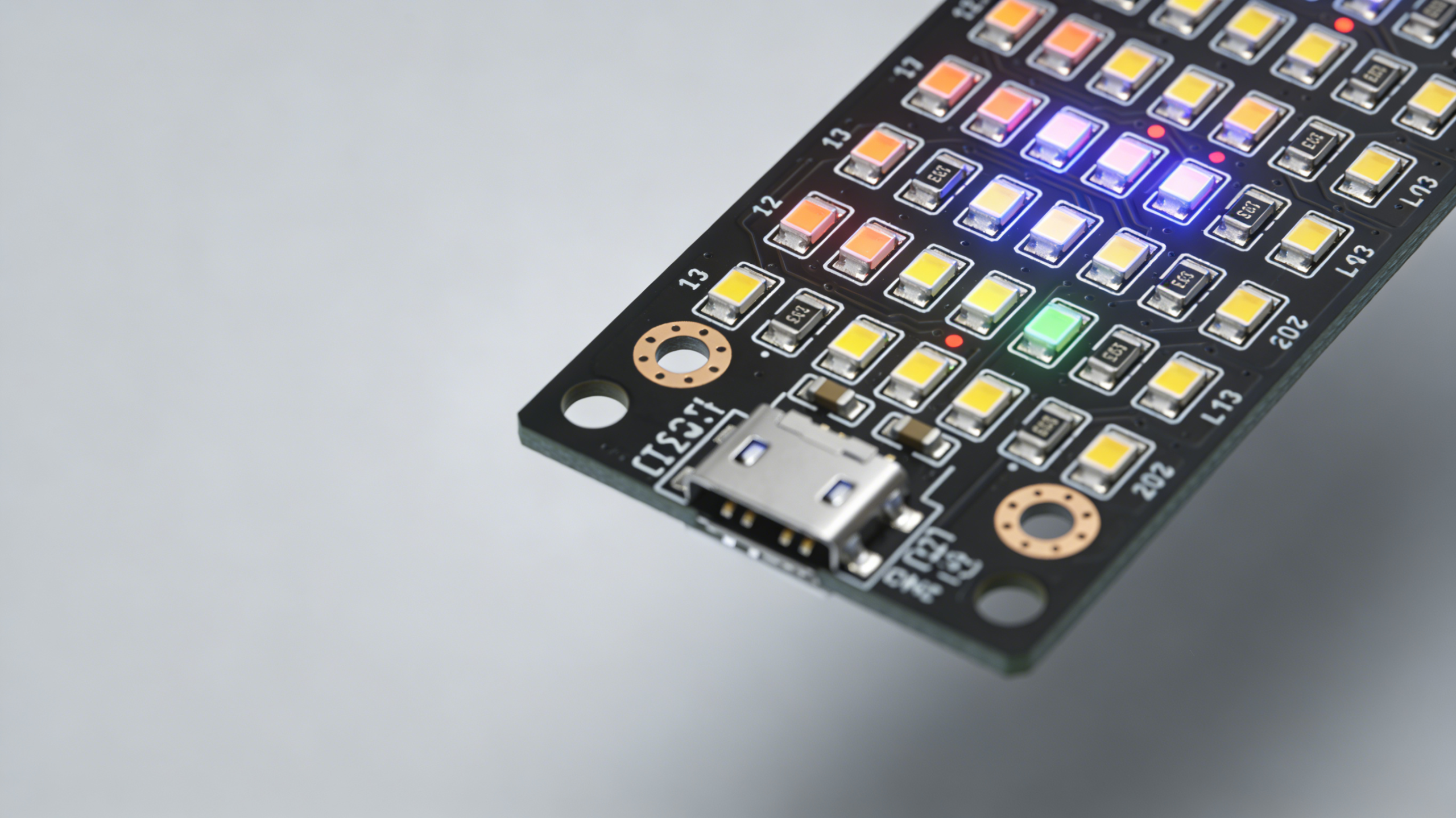
SMD LED PCB Board
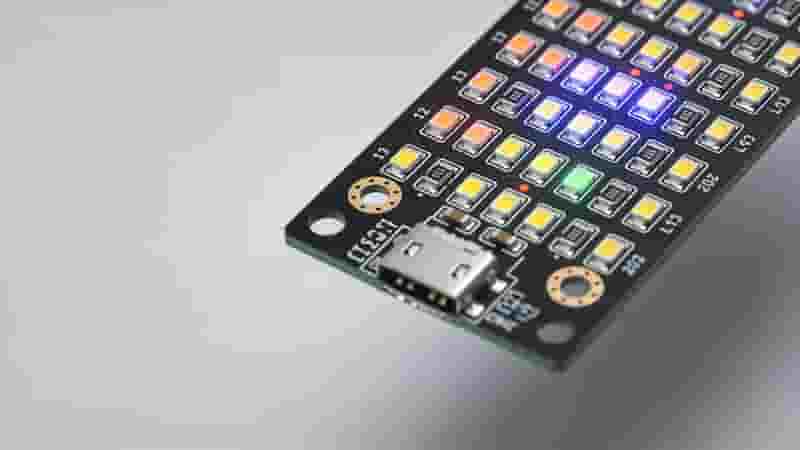
SMD LED PCB Board is the most common form of LED PCB today. SMD LEDs are surface‑mounted directly onto the board, enabling high density, compact size, and automated mass production.
SMD LED PCB delivers high lumens, stable heat dissipation, and wide compatibility with lighting designs. It is the first choice for most commercial and industrial lighting projects.
Thermal Management for LED PCB
Thermal design is the core of LED PCB performance:
- Every 10°C temperature rise reduces LED life by half
- Use thermal vias, thick copper, and metal substrates
- Match heat sink to LED PCB power and environment
- Ensure proper ventilation in lighting fixtures
Summary
LED PCB is an essential component for modern efficient lighting. It integrates electrical connection, mechanical support, and professional thermal management. Choosing high-quality LED PCB improves product reliability, reduces maintenance cost, and strengthens market competitiveness.
Whether you need standard aluminum LED PCB, high‑power copper core LED PCB, or flexible LED PCB, we provide full‑service solutions for global buyers.
Get Your LED PCB Solution Now
Contact us for free design consultation, samples, quotation, and custom LED PCB manufacturing.
Inquire Now