What Is a Rigid PCB Circuit Board?
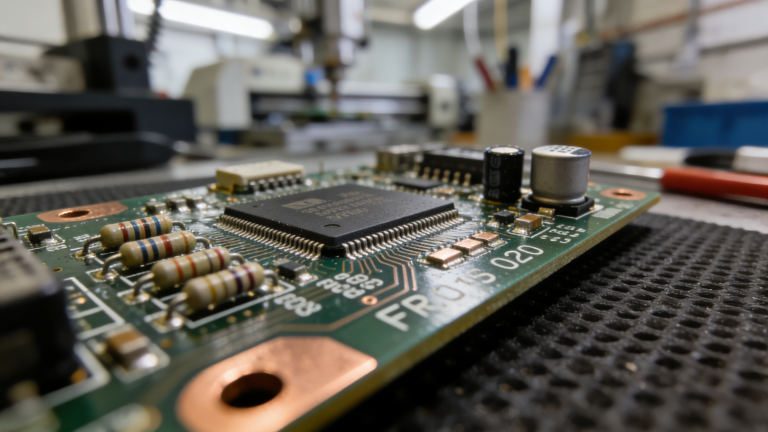
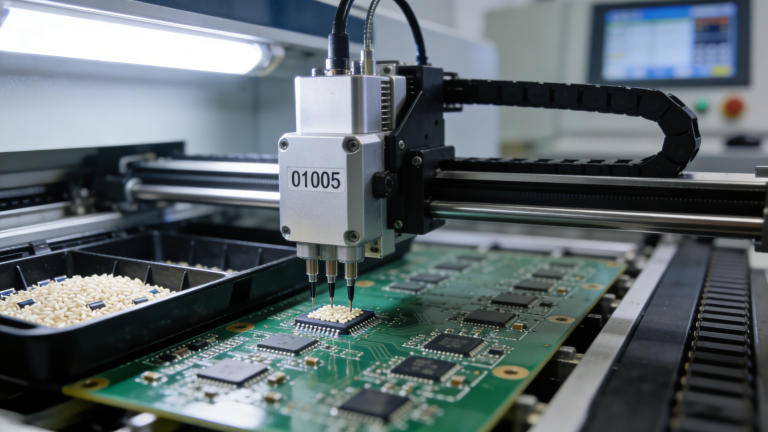
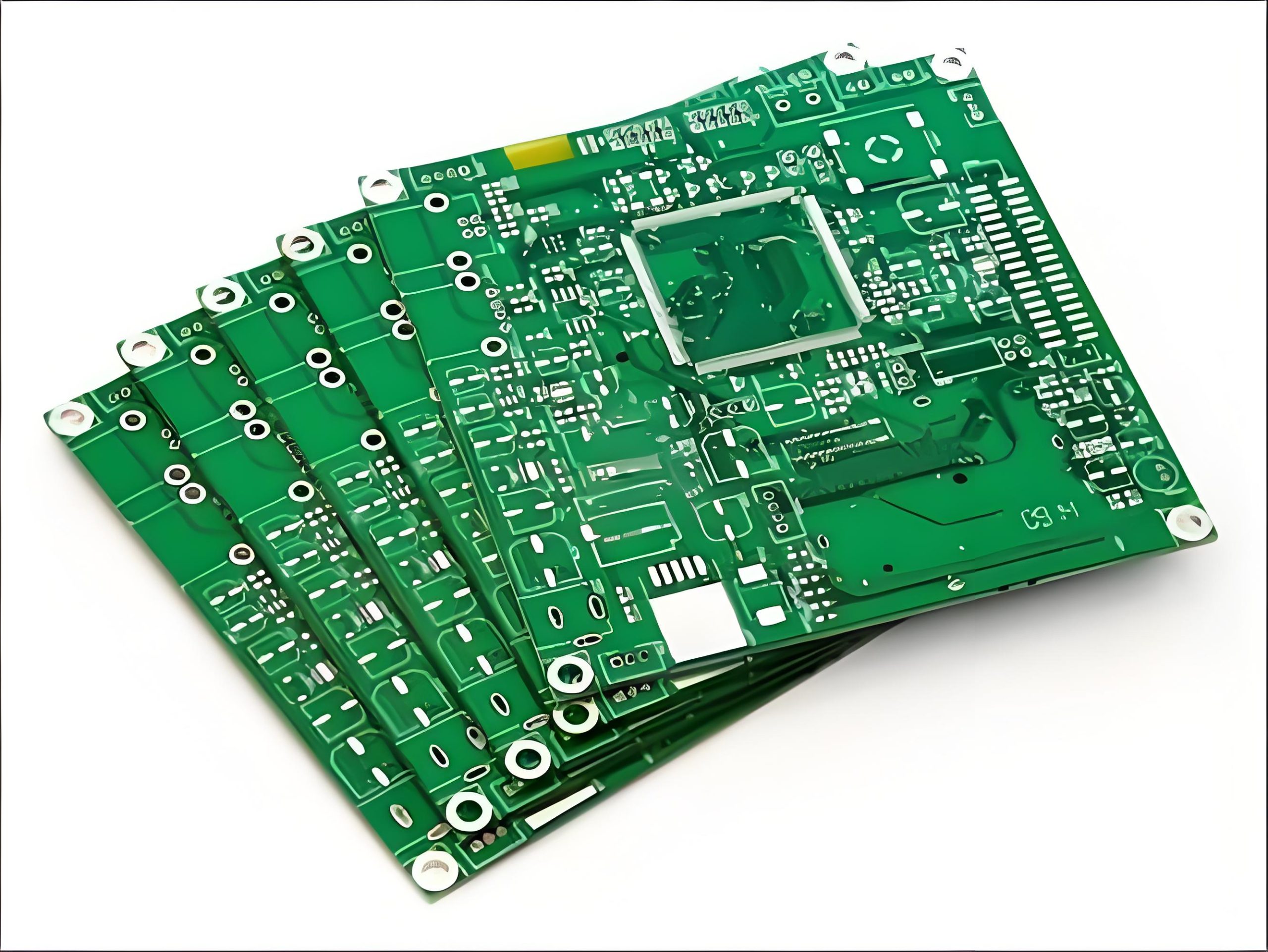
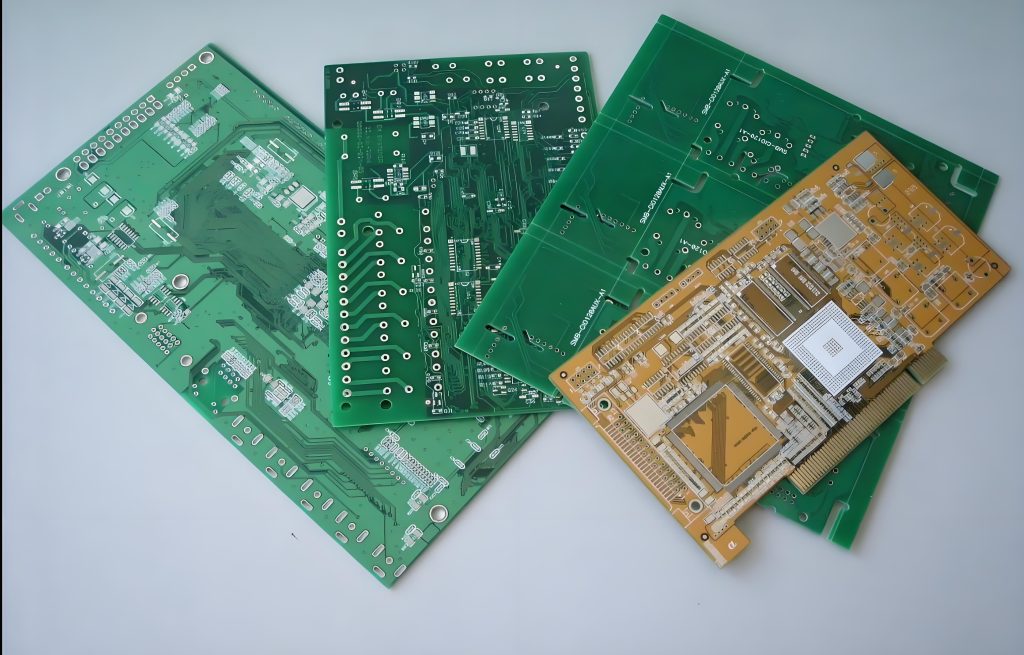
A Rigid PCB is the most widely used type of printed circuit board (PCB). It’s made with a solid, inflexible base material (like the common FR-4 epoxy board) that keeps its shape permanently—no bending or warping, which protects the circuit connections inside.
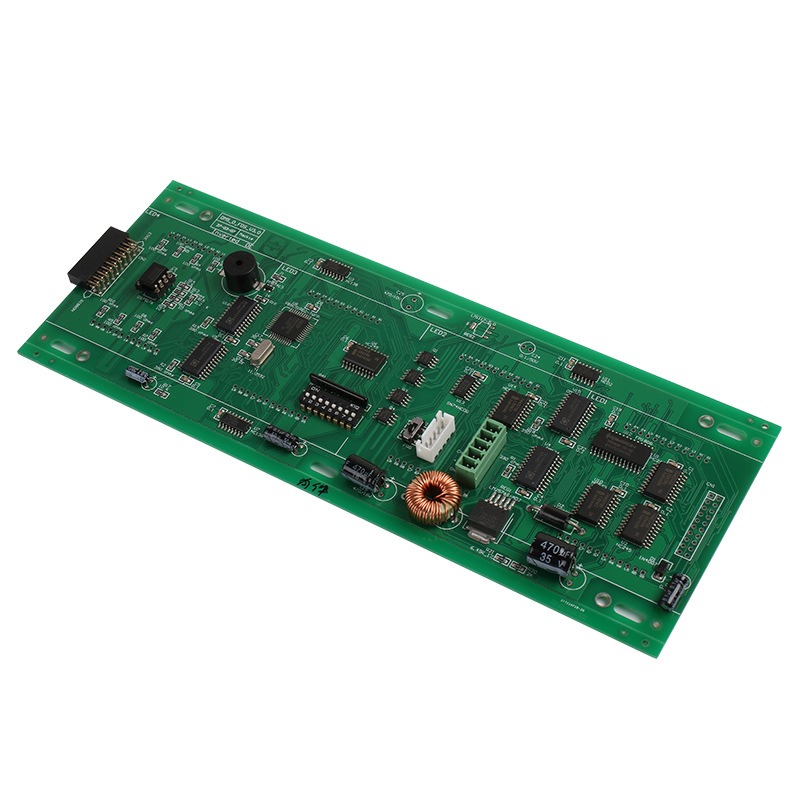
The easiest example to recognize? A computer motherboard. It’s a multi-layer Rigid PCB that does two critical jobs: sends power from the power supply to all components, and lets parts like the CPU, GPU, and RAM communicate with each other.
Rigid PCBs work anywhere a fixed circuit shape is needed (for the entire life of the device). They range from simple “single-layer” boards (used in small gadgets like remote controls) to more complex “multi-layer” ones (8–10 layers, often found in phones, cars, or medical equipment).
How does it differ from other PCBs?
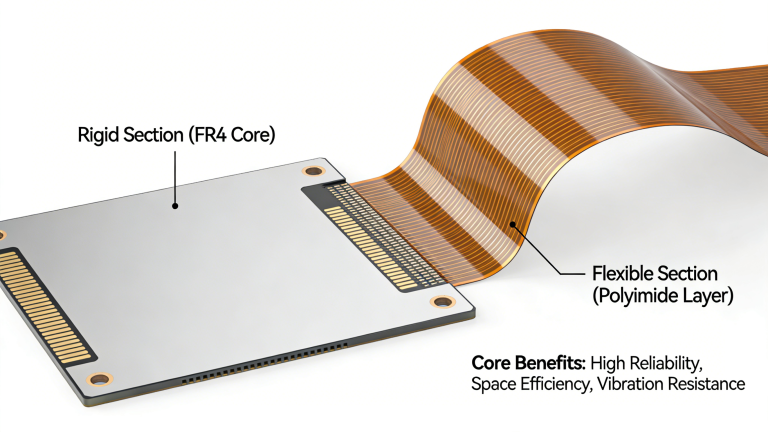
- vs. Flexible PCB: Rigid PCBs stay stiff; Flexible PCBs bend. So they’re used in totally different scenarios (e.g., Rigid for motherboards, Flexible for foldable phones).
- vs. Rigid-Flex PCB: Rigid-Flex mixes stiff and bendable parts (for tight spaces like aerospace gear). But all Rigid PCBs—whether single-layer, double-layer, or multi-layer—are designed for one key need: a fixed, stable circuit.
Characteristics of Rigid PCB
(Optimized for cross-border independent sites: concise, easy to scan, and customer-focused)
01 Stiff & Unbendable
Unlike Flexible PCBs, Rigid PCBs use FR4 reinforcement material. This makes them stiff—they can’t be twisted or folded, which is ideal for devices that need a fixed, stable circuit shape.
02 Core Structure
Rigid PCBs have copper traces/paths on a single board (or multiple layers) to connect electronic components. Their base is a rigid substrate, which gives the board strength to stay intact during use.
03 Familiar Example
The most common example of a Rigid PCB is a computer motherboard—it relies on a rigid substrate to support its complex components and functions.
04 Fixed Shape After Production
Once manufactured, Rigid PCBs can’t be modified or folded into other shapes. This ensures consistent performance, as the circuit layout and structure stay unchanged.
05 Cost-Effective & Widely Used
Rigid PCBs are cheaper than Flexible PCBs. As a traditional PCB type, they’re used in thousands of electronic products—from small gadgets (e.g., remote controls) to large devices (e.g., TVs, cars).
06 Comparison with Flexible PCBs
Both Rigid and Flexible PCBs connect electronic components, but they have different strengths:
- Rigid PCBs: Stiff, affordable, and great for fixed-position devices.
- Flexible PCBs: Bendable, but more expensive—suited for tight or foldable spaces.
How Are Rigid PCB Boards Manufactured? & What Are They Made Of?
(Ultra-simple version: 1-sentence core, easy for anyone to understand at a glance)
1. What Are Rigid PCBs Made Of?
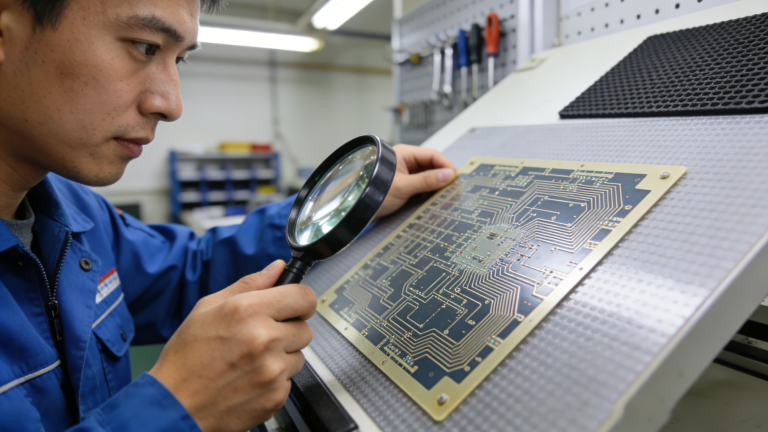
Mainly use FR4 fiberglass board (most common) as the base—it’s stiff and won’t bend. Cheaper options like phenolic resin exist (lower heat resistance, has a smell). Layers are glued together with high heat.
2. How Are They Made?
4 simple steps:
- Cut FR4 board to the needed size
- Stick copper sheets, etch to make circuit “paths”
- Glue layers together (for multi-layer PCBs)
- Drill holes (to connect layers or attach parts) + check quality
3. Quick Q&A
- Why FR4 most used? → Stiff, heat-resistant, and cheap
- How is it different from Flex PCB? → Flex uses bendable materials, no FR4
Copper Layer
A thin copper foil is pressed onto the substrate (using heat and adhesive).
- Most PCBs have copper on both sides (for more circuits).
- Cheap electronics (e.g., basic remotes) only use one copper layer.
- Thickness is measured in “ounces per square foot” (common specs: 1oz, 2oz).
Solder Mask Layer
Sits on top of the copper layer.
- Its job: Add insulation to copper. This stops damage if other conductive materials touch the copper (prevents short circuits).
Silkscreen Layer
Goes on top of the solder mask layer.
- Used to print text, symbols, or component labels (e.g., “R1” for a resistor, “LED1” for a light).
- White is the most common color, but grey, red, black, and yellow are also available.
The Differences Between Rigid PCB And Flexible PCB
Most electronics once relied on traditional rigid PCBs. But as technology advanced, many products stopped using rigid PCBs—because they can’t be folded or twisted. This led to the invention of flexible PCBs, which quickly became a must-have for many industry professionals.
The manufacturing processes for rigid and flexible PCBs are similar, but they differ in three key ways: flexibility, softness, and cost.
Flex PCBs need extra care during material handling. They also require precise specs to prevent solder joints from cracking when the board is bent.
Flexible PCBs cost more per unit than rigid PCBs. Even if a full project using rigid PCBs ends up costing more overall, a single flex PCB will still be pricier.
Rigid PCBs are used in affordable electronics: audio gear, keyboards, desktop devices, solid-state drives (SSDs), toys, and basic gadgets. Flex circuits, though, are found in high-performance devices—they’re thinner (no extra connectors needed) and fit tight spaces, making them ideal for smartphones, cameras, tablets, and GPS systems.
You can also combine rigid and flexible PCBs into one product—this gives you both the strength of rigid boards and the bendability of flex ones.
Some flex PCBs use designs similar to rigid PCBs, but they’re not identical to rigid boards.
Flexible PCBs solve the need for bendable circuits. They also save space, and most are single-sided.
Rigid PCB vs Flexible PCB Comparison Table
| Feature | Rigid PCB | Flexible PCB |
|---|---|---|
| Flexibility | Stiff, cannot bend or fold | Bendable, foldable |
| Base Material | FR4 fiberglass (mainly) | Polyimide, PET, etc. |
| Cost per Unit | Lower | Higher |
| Weight | Heavier | Lighter |
| Space Requirement | Needs more space | Saves space (thin, compact) |
| Durability | High (fixed shape) | Moderate (solder joints may crack under repeated bending) |
| Typical Applications | Motherboards, TVs, keyboards, SSDs, toys | Smartphones, cameras, wearables, GPS, foldable devices |
| Extra Components | May need connectors, wire harnesses | Eliminates extra connectors and wiring |
| Design Complexity | Simpler standard designs | Requires more precise design specs |
When to Use Rigid PCB vs. Flexible PCB
(Optimized for cross-border audiences: clear scenarios, cost-focused, easy to scan)
1. Choose Rigid PCB When…
- Cost is a top priority: Rigid PCBs are cheaper per unit for most basic to mid-range needs.
- You need a fixed, stable shape: Perfect for devices that don’t require bending (e.g., laptops, desktop computers, flat-screen TVs).
- Your device is bulkier or low-to-mid performance: Ideal for audio keyboards, solid-state drives (SSDs), children’s toys, and basic electronic gadgets.
2. Choose Flexible PCB When…
- Space is tight: Flex PCBs fit ultra-compact devices (smartphones, tablets, cameras, wearables, GPS units) because they bend and take up less room.
- Total ownership cost matters: Even though flex PCBs cost more per unit, they eliminate the need for extra parts (connectors, wire harnesses, additional circuit boards). This cuts material, labor, and scrap costs long-term.
- Installation needs to be easy: Even low-tech devices (like some LED lights) use flex PCBs—their bendability simplifies setup.
- Performance or portability is key: High-performance or portable devices (wearables, compact GPS) rely on flex PCBs to work in small, movable spaces.
Different Types of Rigid PCB
(Optimized for cross-border independent sites: clear benefits, easy scanning, customer-centric)
1. Single-Sided Rigid PCB
- Key Feature: Metal traces printed on just one side of the dielectric layer.
- Core Advantages:
- Fast production (simple manufacturing process, no complex layer bonding).
- Easy design, lower cost—perfect for basic circuits or projects needing quick turnaround.
2. Double-Sided Rigid PCB
- Key Feature: Two metal layers (top and bottom) with a dielectric layer sandwiched in between.
- Core Advantages:
- Industry standard with strong versatility—works for low-to-high temperature environments, fine-line surface mounting, solder coatings, and high-copper builds.
- Fits mid-complexity devices that need more circuit connections than single-sided PCBs.
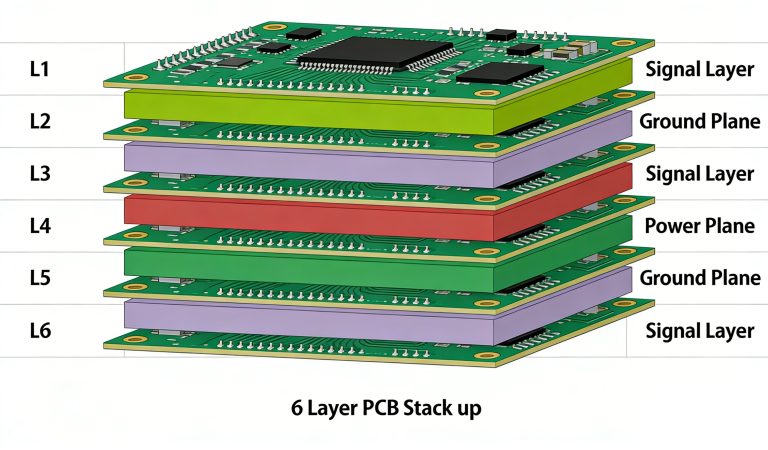
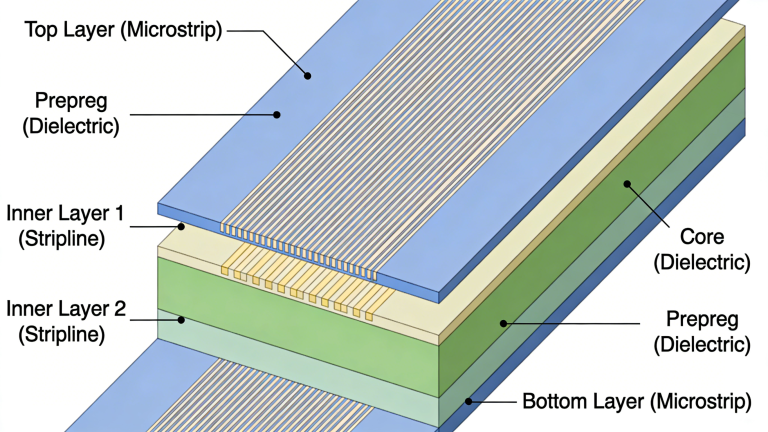
3. Multilayer Rigid PCB
- Key Feature: 3 or more conductive metal layers, each separated by equal dielectric layers.
- Core Advantages
- Enables complex interconnect designs for high-performance devices.
- Saves space (layers stack vertically) — ideal for electronics needing compact, multi-functional circuits.
Key Trait of All Rigid PCBs
All rigid PCBs use solid, inflexible substrates (e.g., fiberglass) to maintain shape—they won’t bend, ensuring stable performance and durability for long-term use. They’re available in diverse specifications to match different application needs.
Learn More
- Single-layer PCB vs. Double-sided PCB: How to Choose?
- Double-Sided PCB Manufacturing Process
- What is a Multilayer PCB, and What Are the Advantages?
- Quality Control of Engineering Data for Multilayer PCB
- Angle Control in Multilayer PCB
Types of Rigid PCB Comparison Table
| Type | Layers | Key Feature | Core Advantages | Typical Applications |
|---|---|---|---|---|
| Single-Sided | 1 metal layer | Traces on one side only | Fast production, easy design, lowest cost | Remote controls, basic gadgets |
| Double-Sided | 2 metal layers | Top and bottom metal layers | Industry standard, versatile, fits mid-complexity | Audio gear, keyboards, SSDs |
| Multilayer | 3+ metal layers | Multiple stacked layers | Complex interconnects, space-saving, high-performance | Smartphones, automotive, medical devices |