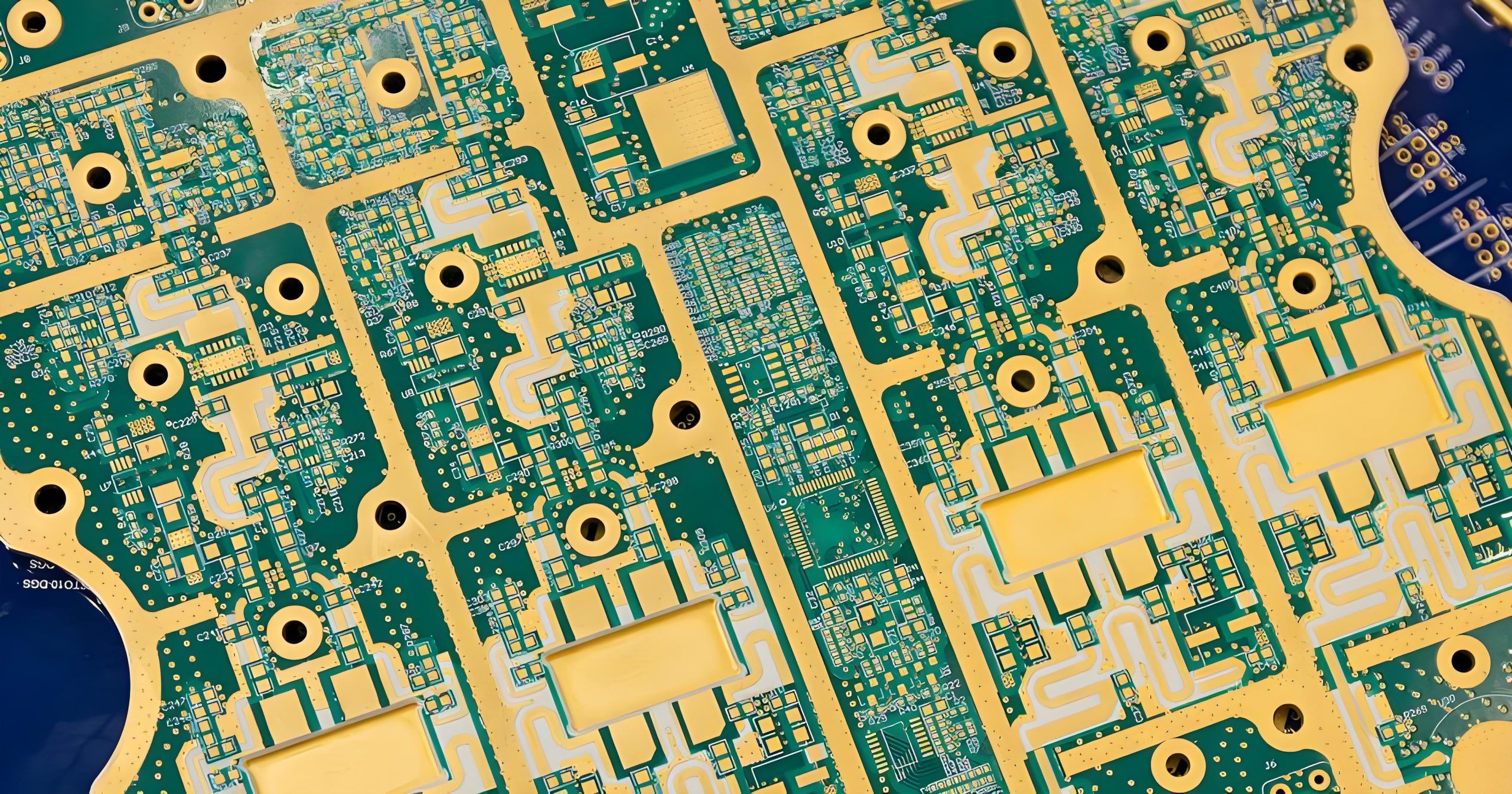
Gold exhibits excellent corrosion and oxidation resistance. When a PCB is finished with a gold surface treatment, it ensures exceptional long-term durability, while the underlying copper layer remains fully protected and structurally intact.

The conductive pathways on a PCB are composed of copper, which enables reliable electrical signal transmission. While copper is an exceptional conductor, it is vulnerable to corrosion when exposed to the environment. Over time, this corrosion degrades the electrical performance of the PCB, leading to unstable or unsatisfactory circuit functionality. Therefore, applying a protective surface finish is essential to enhance corrosion resistance and extend the service life of the PCB.
Gold demonstrates outstanding resistance to corrosion and oxidation, offering far greater durability than bare copper in atmospheric conditions. When a gold-based surface finish is applied to a PCB, it provides long‑term reliability while keeping the underlying copper layer fully protected and structurally intact. For this reason, gold surface finishes are widely used to preserve PCB performance and ensure a long operational lifespan.
When discussing gold surface finishes for PCBs, two common solutions are Gold Plating and Immersion Gold. Many people new to PCB manufacturing often confuse these two processes or treat them as identical. Understanding the differences between these surface finishes is critical for designing high‑performance PCBs that match your project requirements. PCB purchasers should clearly identify which surface finish is most suitable, along with its respective advantages, disadvantages, and typical applications.
What is Gold Plating?
Gold Plating (GP, PCB industry term) uses electroplating to add a thin gold layer on PCBs. It mixes gold with non-precious metals (mostly nickel) to harden—so it’s also called “Hard Plating”.
Pure gold is soft, so nickel is added to make a gold alloy (not pure gold). Nickel has two key roles: 1. Boosts gold layer hardness, resisting wear for frequently plugged PCB contacts (e.g., connectors). 2. Blocks PCB copper from seeping into gold, which would hurt conductivity.
Key Specs
Gold layer thickness: 0.5–5 microns (depends on use).
- 0.5–1 micron: For low-wear PCBs (e.g., basic phones).
- 2–5 microns: For durable needs (e.g., car electronics, medical devices).
For Designers & Buyers
GP costs more than other finishes (e.g., Immersion Gold).
- Choose GP: PCB has contacts needing long-term wear resistance (e.g., USB ports).
- Choose cheaper options (e.g., Immersion Gold): Only need corrosion protection, no frequent contact.
What is Immersion Gold (ENIG)?
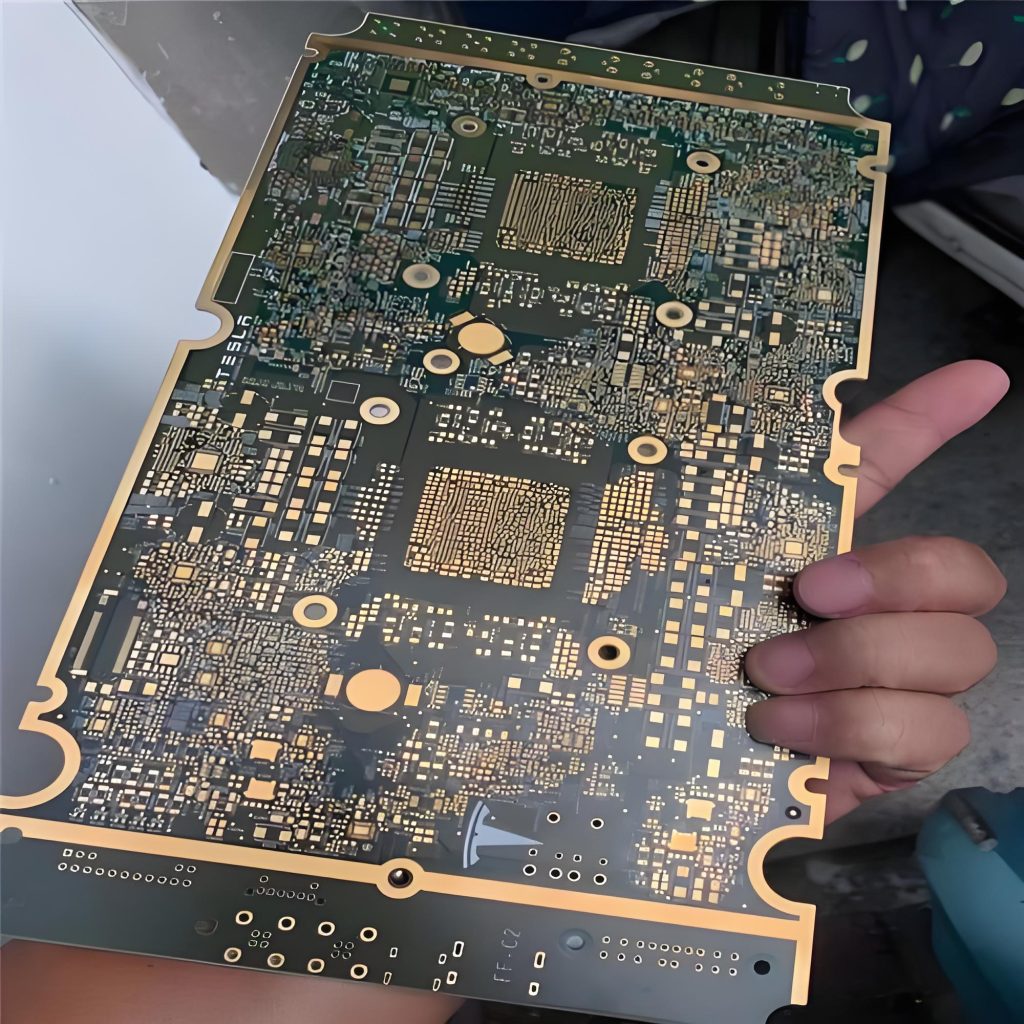
ENIG (Electroless Nickel Immersion Gold) uses chemical reactions (no electroplating, unlike gold plating) to coat PCBs. It first adds a thin nickel layer, then a thin gold layer on top.
Its surface gold is pure (not an alloy), so ENIG is also called “soft plating” (softer than gold plating). The nickel layer stops PCB copper from oxidizing/corroding; the gold layer protects the nickel—together, they offer strong corrosion resistance.
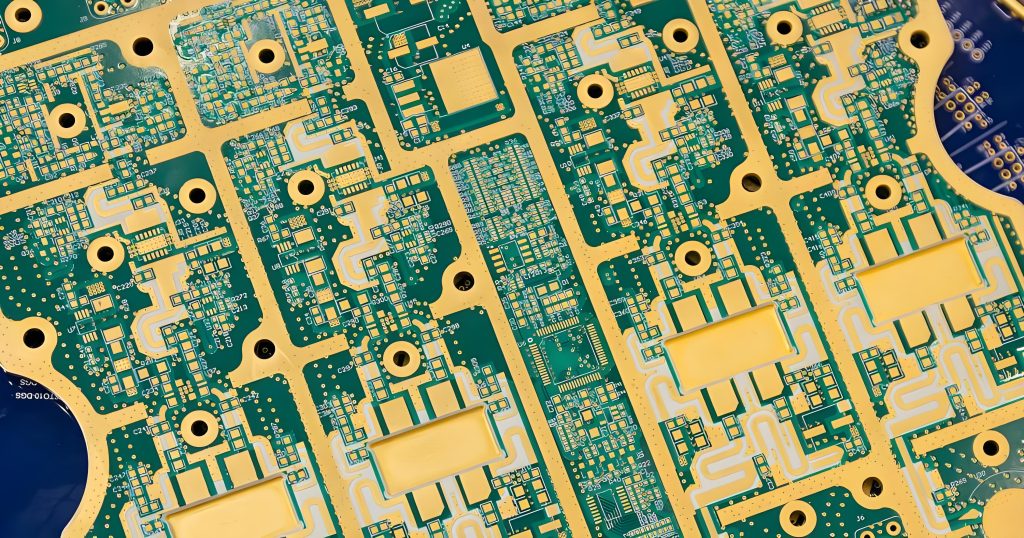
We’ve covered their basic differences in process and gold hardness, but they also vary in appearance, performance, and usage—details critical for PCB selection.
Gold Plating vs. ENIG Core Comparison Table
| Surface Finish | Appearance | Solderability | Signal Transmission | Quality Issues | Engineering Treatment |
|---|---|---|---|---|---|
| Gold Plating | Gold-white (less yellow, due to nickel) | Average; occasional poor welding | Skin effect harms high-frequency signals | 1. Gold surface oxidizes easily2. Risk of gold wire shorting3. Weak solder mask bonding | Line width compensation affects spacing |
| ENIG | Golden yellow (pure gold) | Excellent | Skin effect has no impact | None mentioned | Line width compensation does not affect spacing |
Key Differences in Other Aspects
1. Wear Resistance
- Gold Plating: Hard (alloy with nickel), withstands long-term wear and frequent sliding. Ideal for parts like gold fingers (high friction areas).
- ENIG: Soft (pure gold), prone to wear if slid. Only for static areas (e.g., component mounting regions).
2. Corrosion Resistance
- Gold Plating: Moderate. Nickel/alloy components may oxidize or corrode; it protects copper but has a shorter lifespan.
- ENIG: Excellent. Pure gold plus a nickel barrier layer resists oxidation even in air, extending PCB life.
3. Usage Scenarios
- Gold Plating: Also called “Selective Gold Plating”—only used for gold fingers (no other PCB areas). Unsuited for main PCBs (poor corrosion resistance and soldering).
- ENIG: Widely preferred; used for entire PCBs (except gold fingers). Worth the higher cost for strong corrosion resistance and easy soldering.
Get Cheap PCB & PCBA Services Today!
We have a large, state-of-the-art facility to handle low-to-high volume orders, with capabilities to manufacture all PCB types: rigid, flexible, rigid-flex, HDI, metal core, BGA, impedance control, and high-TG PCBs.
You can choose from all common surface finishes, including HASL, ENIG, OSP, Immersion Silver, ENEPIG, ENIG + Golden Finger, Plated Gold, and Immersion Tin.
We also offer:
- Quick PCB prototypes
- Full turnkey PCBA assembly
- Expert support for complex PCB manufacturing
- PCB copy services
With ISO, UL, and RoHS certifications, you can order with confidence. Our prices are reasonable—much lower than local overseas manufacturers.
For more details, contact our customer service team anytime.