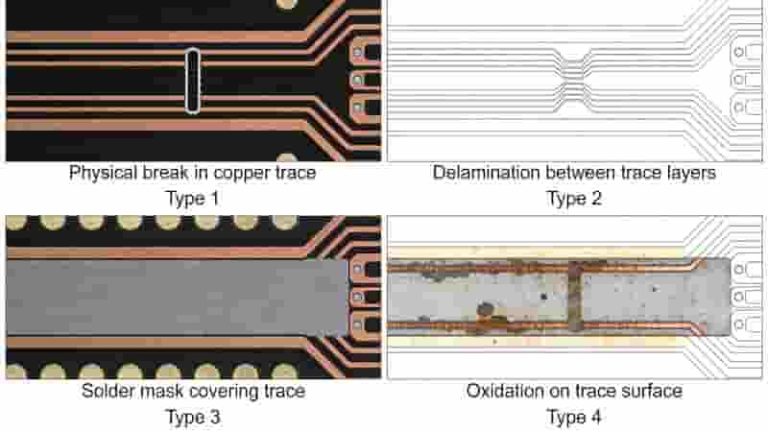
Out-of-expiration PCB usage leads to solder failures, delamination, CAF risks and assembly defects. This guide explains core hazards of expired printed circuit boards, shelf life standards by surface finish, and safe management for industrial SMT and PCB assembly.
Understanding the Role of PCBs in Electronics
Printed circuit boards are the foundational carriers of electronic signals and components. Stable solderability and structural integrity are essential for reliable performance in electronic assemblies.
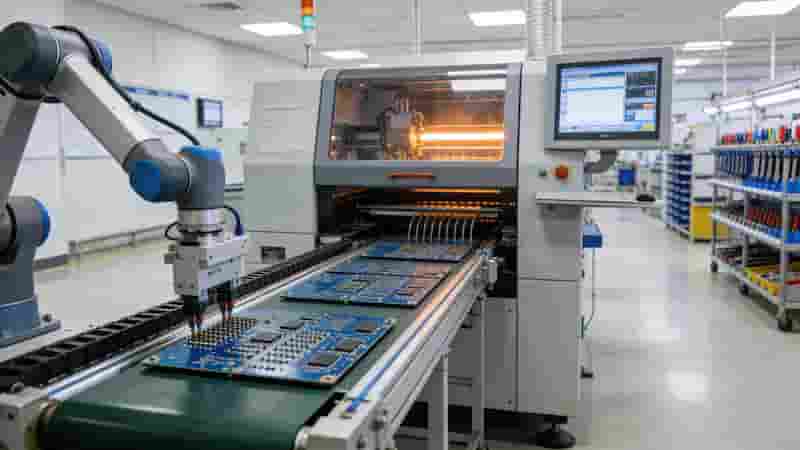
Modern PCB assembly uses high-temperature reflow soldering at 240 to 250°C, often with double-sided processing. A printed circuit board must withstand repeated thermal stress without deformation or performance loss.
An out-of-expiration PCB often fails to meet these thermal and structural demands, resulting in hidden defects and field failures.
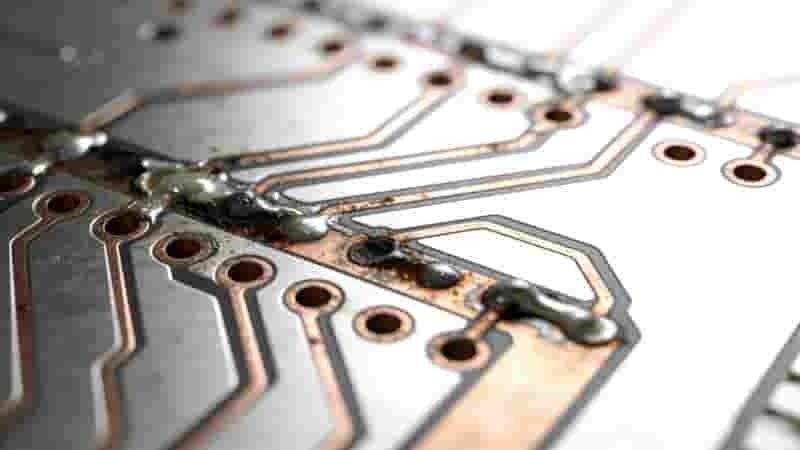
High-temperature soldering process for reliable printed circuit board assembly
Key Risks of Using Out-of-Expiration PCB
Using expired boards exposes production to avoidable quality risks. Below are the most critical failure modes for out-of-expiration PCB in industrial applications.
1. Surface Pad Oxidation and Poor Solderability
Expired PCBs develop oxidation on copper pads, directly causing poor wetting, cold joints, voids and non-soldering. These issues increase scrap rates and rework costs in mass production.
OSP boards are most vulnerable after shelf life, while ENIG surfaces gradually lose protection and suffer solderability decline.
2. Moisture Absorption and Thermal Damage
Aged printed circuit board materials absorb moisture easily. During soldering, trapped moisture vaporizes rapidly, causing:
- Popcorn effect and board cracking
- Layer separation and delamination
- Internal blisters and via damage
Baking can reduce moisture but may damage OSP coatings and thin circuit layers.
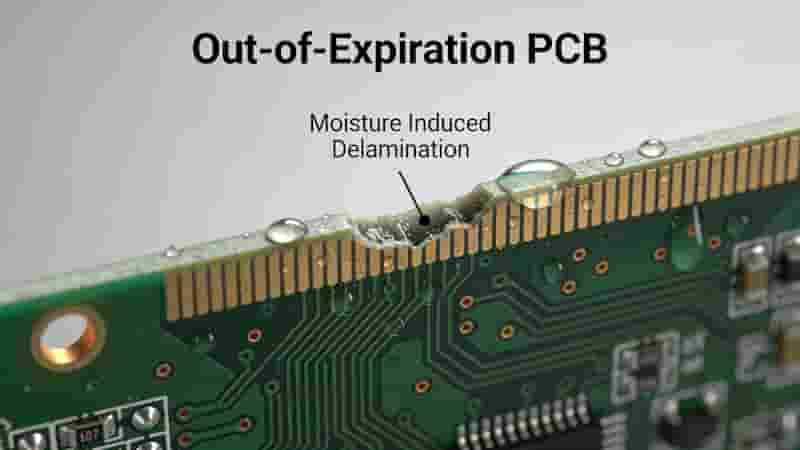
Moisture-induced delamination in out-of-expiration PCB
3. Degraded Bonding Strength and Structural Failure
Over time, the bonding force between PCB layers decreases significantly. Thermal stress during assembly leads to layer separation, broken vias and signal integrity loss.
A serious risk is CAF (Conductive Anodic Filament), which creates micro-shorts between traces and causes unpredictable failures in medical, automotive and industrial controls.
4. Reduced Reliability in Critical Applications
Using an out-of-expiration PCB severely shortens product lifespan and increases field failure rates. This is unacceptable for high-reliability industries such as aerospace, medical devices and automotive electronics.
PCB Shelf Life by Surface Finish
Shelf life varies greatly by surface treatment. Exceeding these windows drastically raises failure risks for any printed circuit board.
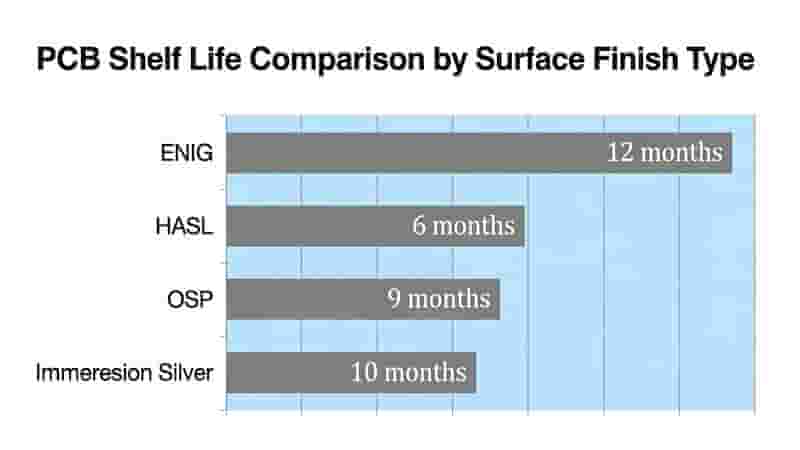
PCB shelf life standards by surface finish type
| Surface Finish | Standard Shelf Life | Risks After Expiry |
|---|---|---|
| OSP | 6 months | Severe oxidation, poor solderability |
| ENIG | 12 months | Solderability decline, black pad risk |
| HASL | 12 months | Oxidation, uneven solder coating |
| Immersion Silver | 9 to 12 months | Tarnishing, solder defects |
How to Manage Expired PCBs
Follow these steps to control risks when handling out-of-expiration PCB inventory.
- Check shelf life labels before production
- Store PCBs in dry pack with humidity indicators
- Test solderability before using expired boards
- Bake only when allowed by surface finish type
- Consult manufacturer before reprocessing OSP PCBs
- Inspect for oxidation, delamination and blistering
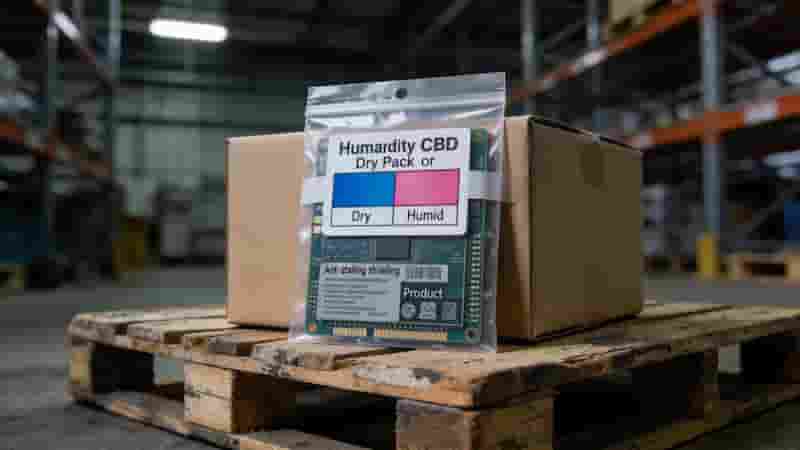
Humidity indicator for safe PCB storage and handling
Conclusion
Using an out-of-expiration PCB introduces serious risks including solder failure, moisture damage, layer separation and CAF. These issues reduce production yield, increase costs and threaten end-product reliability.
To ensure stable performance and long-term quality, always use printed circuit board within shelf life, store properly and follow professional handling guidelines.
Inquiry & Custom PCB Support
We provide high-quality, reliable PCBs with clear shelf life specifications and full technical support for global industrial buyers.
Contact us for custom PCB quotes, shelf life guidance, DFM analysis and reliable PCB manufacturing solutions tailored to your project needs.
Professional custom PCB manufacturing and global customer support