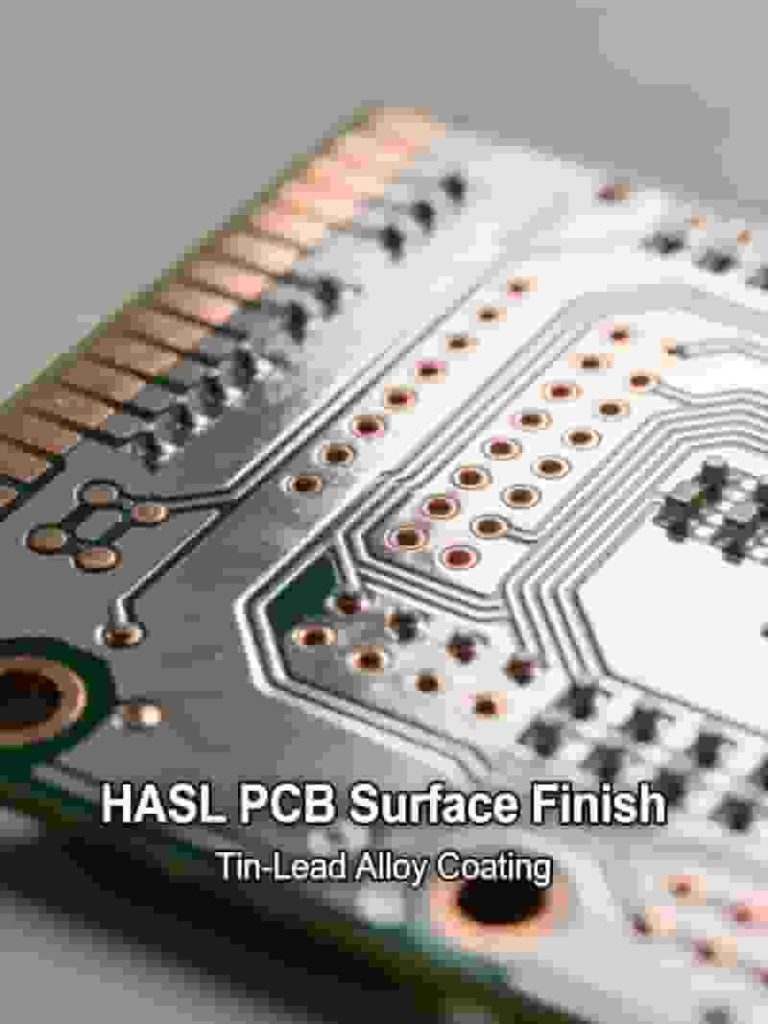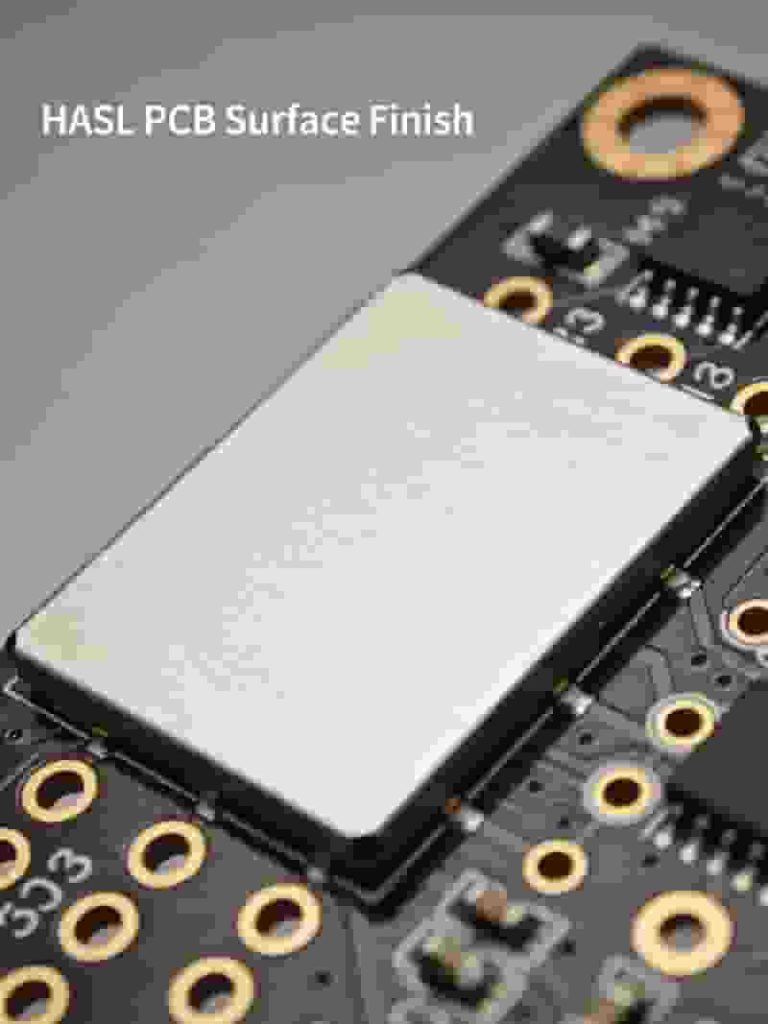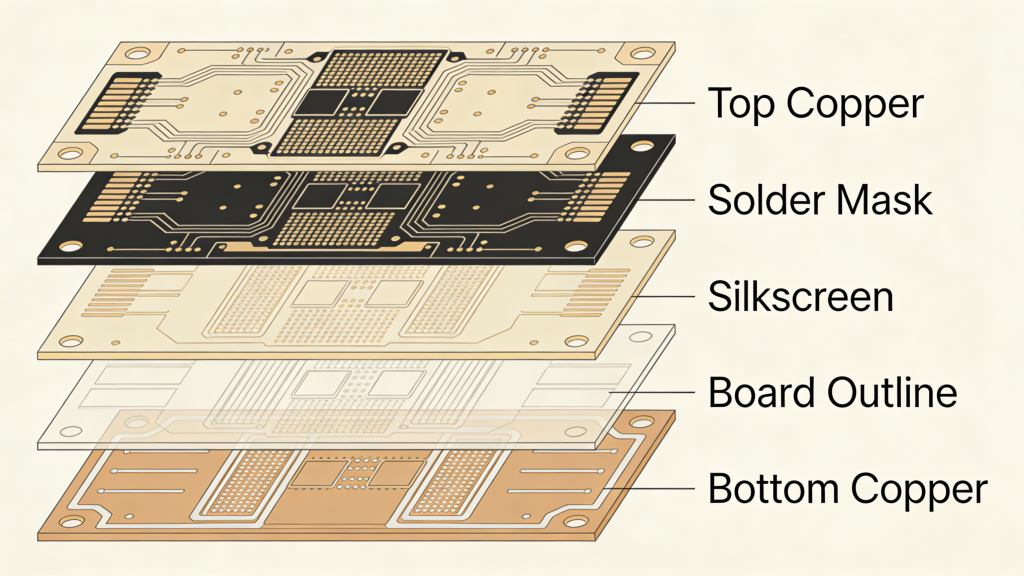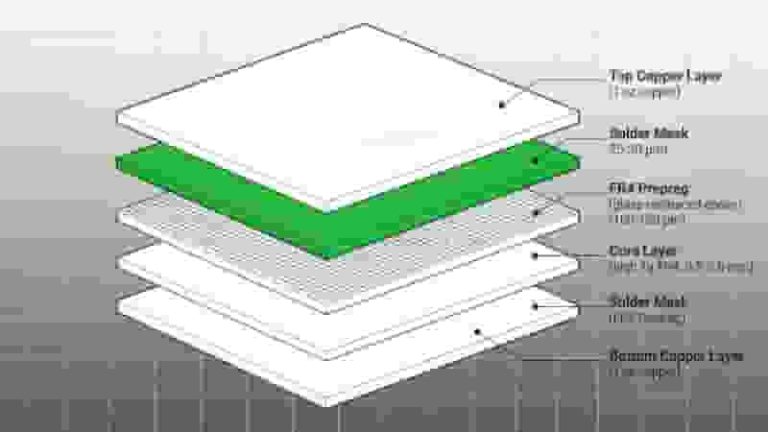
HASL PCB surface finish diagram for SMT and through‑hole assembly

HASL: Hot Air Solder Leveling for PCB Surface Finish

HASL (Hot Air Solder Leveling) is one of the most widely used and cost‑effective PCB surface finish processes in electronics manufacturing. It provides excellent solderability, protects copper from oxidation, and supports reliable assembly for through‑hole and standard SMT applications. This guide explains the HASL process, benefits, limitations, lead‑free options, and comparisons to help you select the best surface finish for your PCB project.

What Is HASL (Hot Air Solder Leveling)

HASL (Hot Air Solder Leveling) is a mature, industrial‑grade PCB surface finish that coats exposed copper circuits with a layer of molten solder. The process uses high‑temperature air knives to create a uniform, protective layer that prevents oxidation and ensures strong solder joints during assembly.

For decades, HASL has been the industry standard for its balance of cost, reliability, and compatibility with most assembly processes. We provide both traditional and lead‑free HASL to meet global regulatory requirements such as RoHS and REACH.
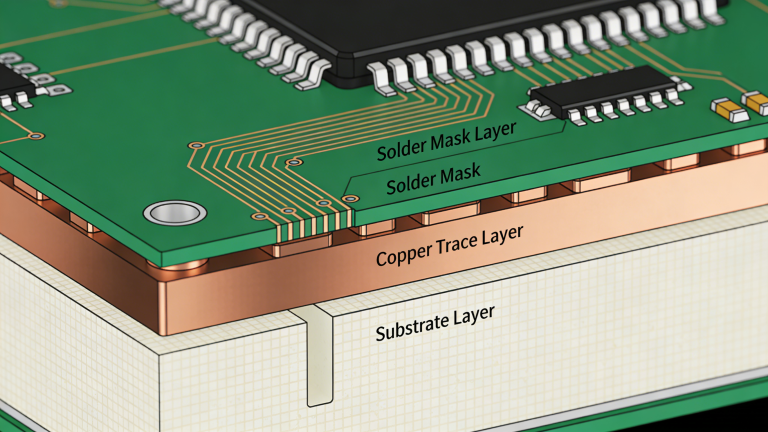
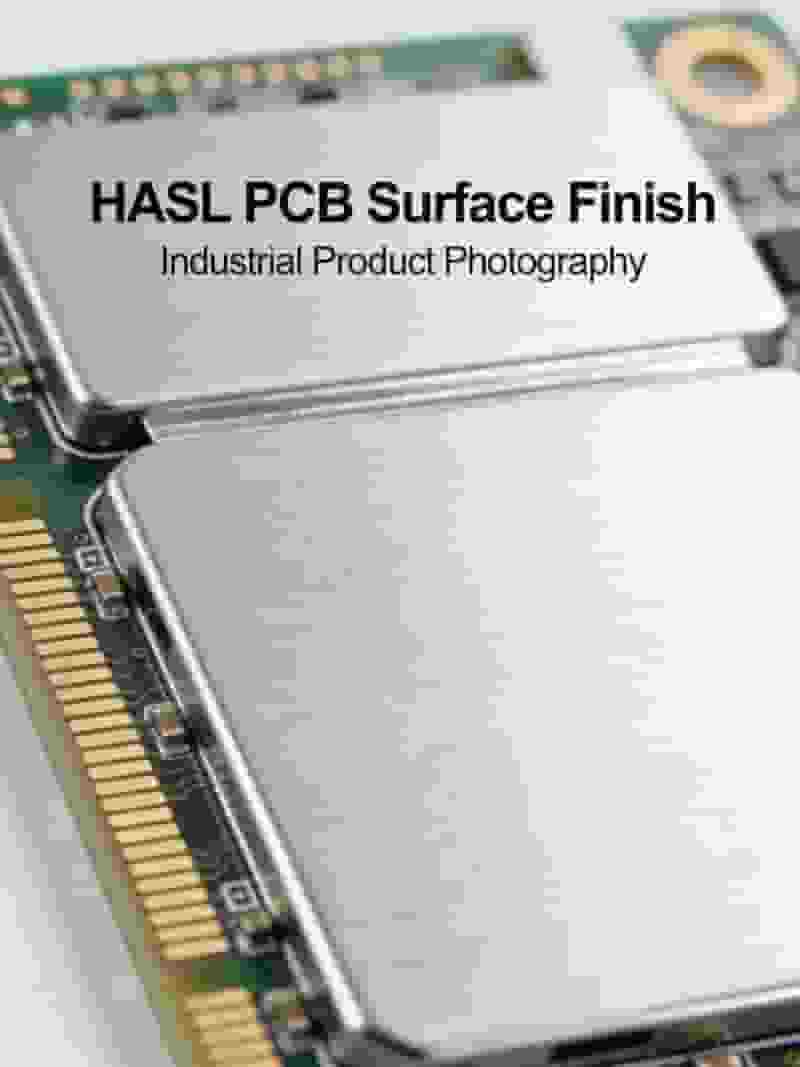
HASL PCB surface finish diagram for SMT and through‑hole assembly

How the HASL Process Works

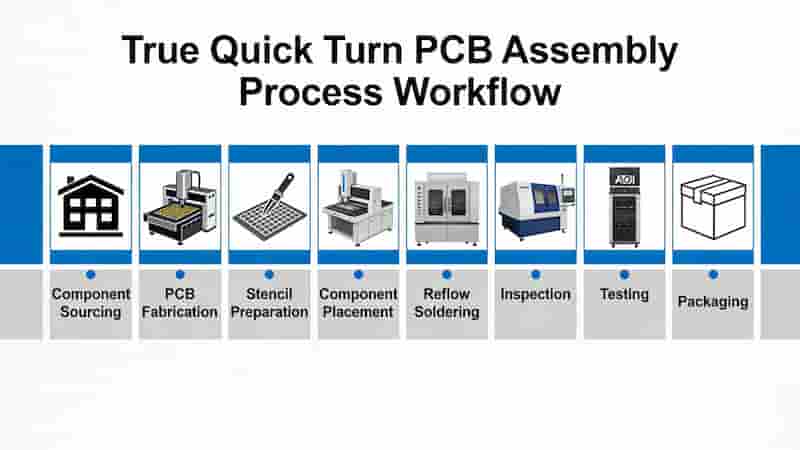
The HASL process follows a strict, repeatable flow to ensure consistent quality for mass production:

  1. Pre‑cleaning to remove oils, oxides, and contaminants
  2. Preheating to avoid thermal shock to the PCB substrate
  3. Flux application to improve solder wetting
  4. Immersion in molten solder alloy
  5. Hot air knife leveling for uniform coating thickness
  6. Post‑cleaning and inspection
HASL process flow chart for PCB manufacturing

Key Benefits of HASL PCB Surface Finish

HASL remains a top choice for global buyers and engineers due to these advantages:

  • Lowest cost among common PCB surface finish options
  • Excellent solderability for through‑hole and standard SMT components
  • Strong oxidation resistance for long‑term storage
  • Easy rework and repair during assembly
  • Proven reliability in high‑volume production
  • Compatible with most PCB base materials

Limitations of HASL

While HASL performs well for most applications, it has constraints for advanced designs:

  • Uneven coating thickness, not ideal for fine‑pitch SMT
  • Higher thermal exposure during processing
  • Less suitable for ultra‑thin or high‑frequency PCBs
  • May cause minor bridging in small plated‑through holes
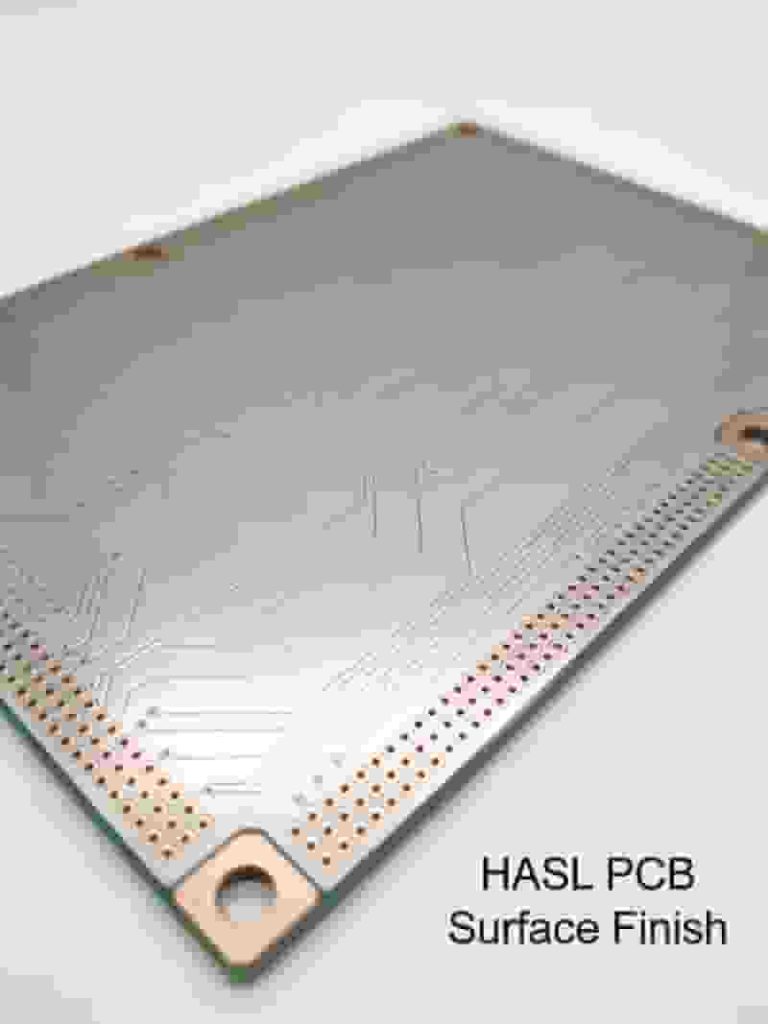
HASL surface finish comparison for fine‑pitch PCB components

Lead‑Free HASL vs Traditional HASL

We offer both versions to match your project’s regulatory and performance needs:

ItemTraditional HASLLead‑Free HASL
AlloySn63/Pb37SnCuNi (RoHS)
Melting PointLowerHigher
RegulatoryNon‑RoHSRoHS & REACH
CostLowerSlightly higher

HASL vs Other PCB Surface Finishes

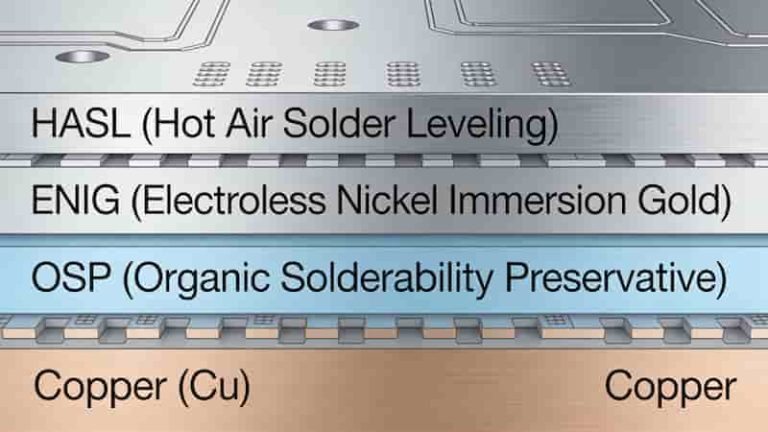
HASL vs ENIG vs OSP PCB surface finish comparison

FAQ About HASL PCB Surface Finish

Q: Is HASL suitable for fine‑pitch components?
A: HASL is not recommended for fine‑pitch SMT due to uneven coating. We recommend ENIG for high‑precision designs.

Q: How long can HASL PCBs be stored?
A: With proper packaging, HASL‑finished PCBs can be stored for 6–12 months without oxidation issues.

Q: Is lead‑free HASL more reliable?
A: Lead‑free HASL meets environmental standards and offers similar reliability for most industrial applications.

Q: What is the typical thickness of HASL coating?
A: HASL solder thickness usually ranges from 1–5 μm, depending on process parameters.

Conclusion

HASL is a time‑tested, cost‑effective PCB surface finish that delivers consistent performance for most electronic devices. It balances affordability, solderability, and durability better than many alternatives. For standard to mid‑range PCB projects, HASL remains the most practical choice for global buyers.

We provide full‑process HASL and lead‑free HASL services with strict quality control, fast lead times, and competitive pricing for international importers, engineers, and contract manufacturers.

Get Your HASL PCB Quote Today

Contact us for free DFM check, custom manufacturing, and competitive pricing for your PCB project.

Request a Quote
Why PCB Prototyping Is Essential for Reliable Mass Production

PCB prototyping is a vital step in electronics manufacturing, ensuring reliable mass production by validating circuit designs, minimizing defects, and optimizing costs. From multilayer to single-sided boards, prototyping enhances quality and efficiency. Explore the key benefits and best practices for selecting a trusted PCB prototype manufacturer. Introduction Printed Circuit Boards (PCBs) are the backbone of…
Metal Core PCB Applications in LED Automotive Power Industrial Electronics

Metal Core PCB (MCPCB) Manufacturing Service in China

We are a professional Metal Core PCB (MCPCB) manufacturer in China, providing fast prototyping, small-batch and mass production of aluminum & copper core PCBs for LED, automotive and power electronics with competitive pricing and full engineering support. Why Metal Core PCB (MCPCB) for High-Power Designs High-power electronic designs face critical thermal management challenges that traditional…
Flexible PCB structure and materials diagram

16 Key Factors Affecting Flexible PCB Costs in 2025

Understanding flexible PCB costs is essential for engineers, procurement teams, and manufacturers looking to control budgets while maintaining quality. This guide breaks down 16 critical factors that shape FPC pricing in 2025, including materials, layer count, manufacturing processes, order volume, and lead time. We also share practical cost‑saving strategies to help you optimize your next…
PCB trace inspection and solder mask quality check

How to Judge PCB Quality: 7 Expert Tips for Reliable Boards

Master how to judge PCB quality with IPC‑aligned inspection tips. Check traces, capacitors, grounding, and testing to ensure durable, high‑performance circuit boards. PCBs are the foundation of all electronic devices. Learning how to judge PCB quality directly prevents failures, reduces costs, and ensures long‑term reliability for industrial, automotive, medical, and 5G applications. We share 7…
PCB storage environment temperature humidity IPC standard control

How to Store PCB and PCBA? Complete IPC Storage Guidelines

Learn PCB storage and PCBA storage best practices to avoid oxidation, ESD, moisture damage, and ensure reliable performance for industrial electronics. PCB storage and PCBA storage are critical for manufacturers and buyers alike. Proper storage prevents damage, maintains solderability, and avoids costly failures during assembly or operation. After production, boards are stored with strict precautions…
HDI PCB structure cross section with microvias and fine traces

HDI PCB Layout and Basic HDI Design Guidelines 

This professional guide covers HDI PCB layout practices, stack-up, microvias, routing rules, DFM, impedance control and IPC standards to help engineers and procurement teams build reliable, mass-producible HDI PCB for high-speed, miniaturized electronics. What Is HDI PCB Layout HDI PCB (High-Density Interconnect) layout refers to design methods used when trace widths drop below 8 mils…

Similar Posts