Discover how Surface Mount Technology (SMT) revolutionizes PCB assembly through compact designs, improved performance, and cost efficiency. Explore its advantages, drawbacks, and practical applications in this comprehensive guide.
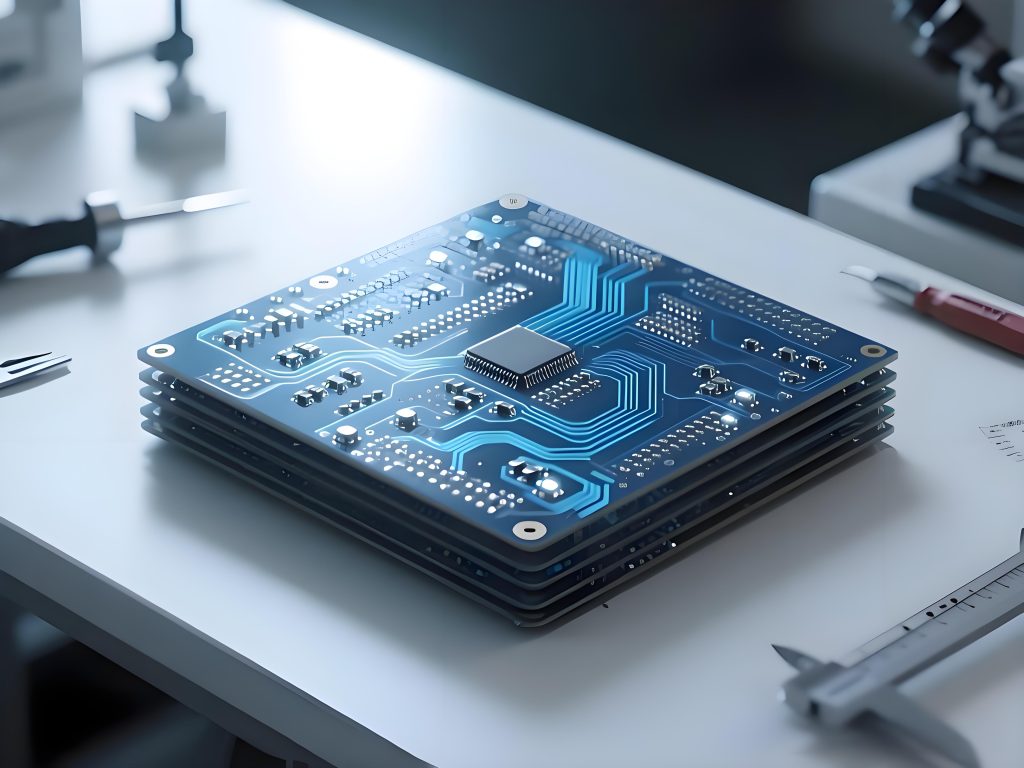
Surface Mount Technology (SMT) stands as a cornerstone of modern electronics manufacturing, empowering the production of compact, high-performance electronic devices. By mounting components directly onto the surface of printed circuit boards (PCBs), SMT has revolutionized PCB assembly and widely replaced traditional through-hole technology across numerous applications. But what exactly drives the popularity of SMT, and where are its limitations? This comprehensive guide examines the key advantages and disadvantages of SMT, its real-world applications, and why it has become the preferred assembly solution for manufacturers like .
What Is Surface Mount Technology (SMT)?
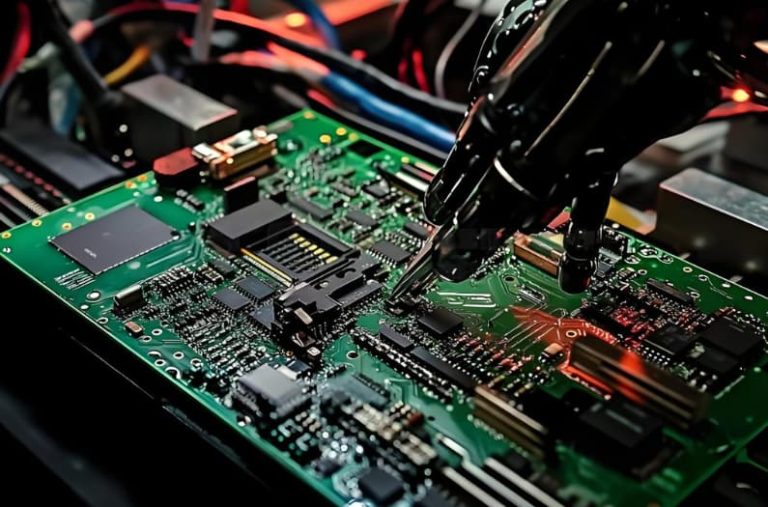
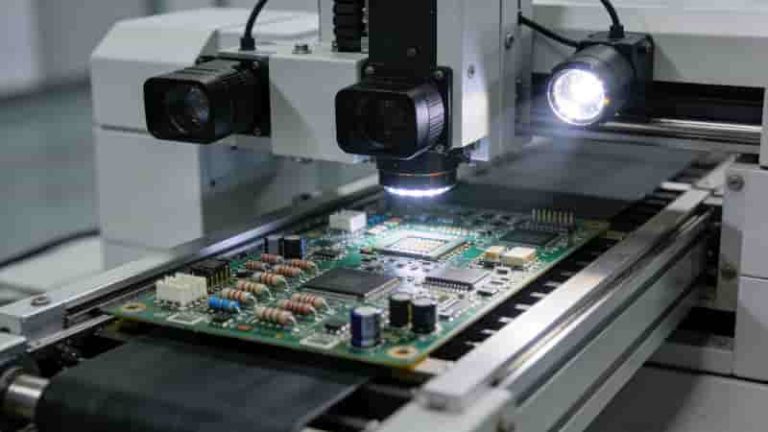
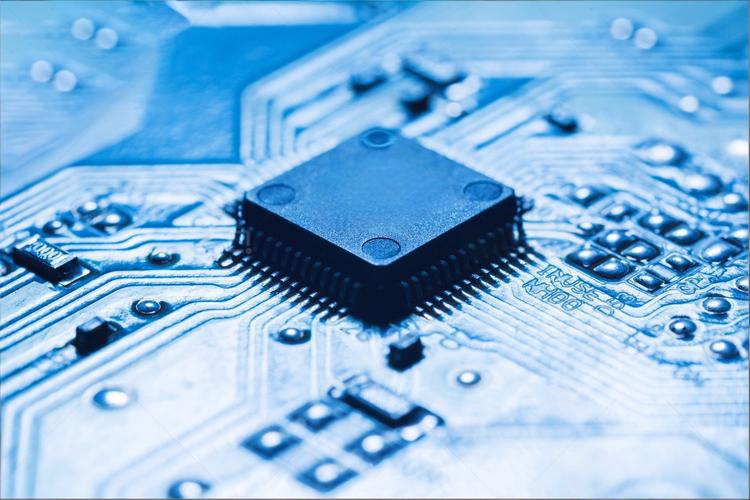
SMT involves mounting electronic components, referred to as surface-mount devices (SMDs), directly onto the surface of a PCB without the need for drilled holes. Automated pick-and-place equipment and precision soldering processes ensure reliable component attachment, supporting faster production cycles and highly compact designs. Powering diverse industries from smartphones to automotive electronics, SMT delivers exceptional efficiency and versatility.
Key Advantages of Surface Mount Technology
1. SMT Streamlined Manufacturing Efficiency
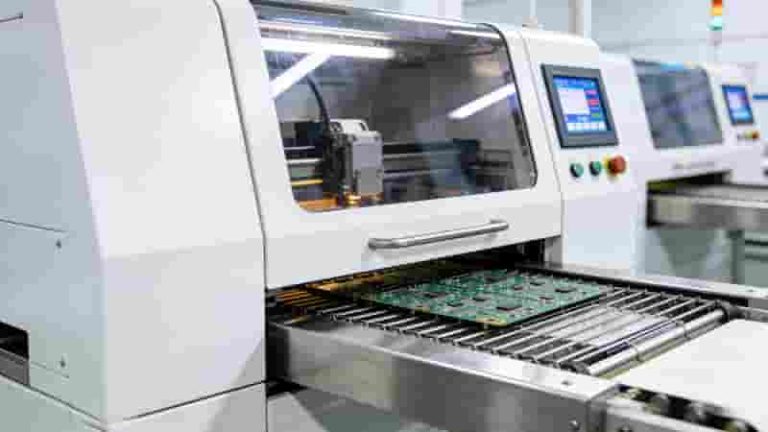
SMT significantly enhances manufacturing efficiency by eliminating the time-consuming hole-drilling process required in through-hole assembly. Automated pick-and-place machines are capable of placing thousands of components per hour, reducing setup times by up to 50% compared with traditional methods, as noted in the 2024 IPC industry report. This streamlined workflow cuts initial production costs and speeds up prototyping, making SMT highly suitable for high-volume manufacturing.
For example, utilizes SMT to deliver PCB prototypes in as little as 24 hours, helping clients accelerate their time-to-market. Learn more about our quick-turn PCB assembly services.
2. SMT Unmatched Design Flexibility
SMT allows manufacturers to integrate both surface-mount and through-hole components on a single PCB, delivering unparalleled design flexibility. This hybrid approach supports sophisticated layouts such as multilayer PCBs for 5G applications without compromising performance. Engineers can mount components on both sides of the board, maximizing space usage and enabling innovative, high-density designs.
For instance, the versatility of SMT supports the integration of advanced components like microcontrollers and sensors, enabling multifunctional operation in IoT devices. Explore our Design for Manufacturing (DFM) guide to optimize your PCB designs.
3. SMT Enhanced PCB Stability and Performance
SMT components are firmly soldered to the PCB surface, delivering exceptional stability under challenging conditions. Unlike through-hole components, which can become loose under vibration, SMT ensures long-term durability in demanding sectors such as automotive and aerospace. According to IPC’s SMT Guidelines, SMT components offer up to 30% greater durability in high-stress environments.
For example, in electric vehicles, SMT-based PCBs maintain stable performance under extreme temperatures and vibration, supporting safety and extended service life.
4. SMT Enables Compact and Lightweight Devices
SMT enables the development of smaller, lighter electronic devices by reducing the overall number of PCBs required. Components can be mounted on both sides of a single board, increasing connection density while maintaining quality. This makes SMT ideal for space-critical applications including smartphones, wearables, and medical devices.
Furthermore, SMT supports faster signal transmission thanks to shorter electrical paths, a key benefit for high-frequency applications such as 5G and IoT. Modern smartphones, for example, depend on SMT to fit hundreds of components into a slim profile while delivering top-tier performance.
5. Electromagnetic Compatibility (EMC) Compliance
SMT PCBs undergo strict testing to ensure full electromagnetic compatibility (EMC), meeting industry regulations and improving product safety. The lower lead inductance in SMT designs reduces electromagnetic interference (EMI) and enhances overall circuit performance. This positions SMT as a preferred solution for consumer electronics and medical equipment, where reliability is critical.
6. Precise Selective Soldering
SMT’s selective soldering process allows manufacturers to apply tailored soldering methods for specific components, with solder serving as both a mechanical bond and an electrical conductor. This customized approach ensures superior placement accuracy and reliability, unlike the universal methods used in conventional assembly. advanced soldering technologies deliver precision even for the most complex projects.
7. Automatic Component Alignment
During reflow soldering, the surface tension of molten solder naturally aligns components with their designated pads, correcting minor placement inaccuracies. This self-correcting characteristic reduces production defects and supports the creation of high-quality PCBs with minimal rework.
8. Cost-Effective Components
Despite its advanced performance, SMT components are generally more cost-effective than equivalent through-hole parts. Combined with lower labor requirements and faster production cycles, this makes SMT a budget-efficient choice for manufacturers. For example, SMT solutions enable clients to achieve high-quality results without excessive costs.
Disadvantages of Surface Mount Technology
While SMT offers numerous advantages, it also presents certain challenges. Understanding these limitations is essential for making informed manufacturing decisions.
1. Limited Repairability Due to Small Lead Spaces
SMT’s compact design results in tightly spaced component leads, which complicates repair and rework. Faulty components on densely populated PCBs require specialized tools such as X‑ray imaging or automated optical inspection (AOI) for accurate diagnosis. Although these tools help address repair challenges, they can increase overall maintenance costs.
Solution: Invest in advanced inspection technologies and implement robust PCB design practices to minimize repair requirements. Learn about quality assurance processes.
2. Potential Solder Connection Issues
SMT solder joints may degrade during thermal cycling or potting processes, particularly in high‑stress environments. This can lead to electrical failures and reduce overall device reliability.
Solution: Use high‑quality solder materials and perform comprehensive stress testing to ensure long‑term stability.
3. Unsuitable for High-Heat or High-Load Components
Components that generate substantial heat or carry high electrical loads are often less compatible with SMT, as excessive temperatures can compromise solder joints. In these scenarios, through‑hole technology may be more appropriate.
Solution: Use a hybrid assembly approach that combines SMT and through‑hole components to balance performance, heat management, and reliability.
SMT vs. THT Comparison Table
| Feature | Surface Mount Technology (SMT) | Through-Hole Technology (THT) |
|---|---|---|
| Component Size | Ultra-small, compact | Larger, bulkier |
| Assembly Speed | Very high (fully automated) | Slower (manual or semi-auto) |
| PCB Drilling | Not required | Required |
| High-Frequency Performance | Excellent | Moderate |
| Mechanical Strength | Moderate | High |
| Heat/Power Handling | Limited | Excellent |
| Repairability | Difficult | Easier |
| Cost Efficiency | High (in volume) | Lower (labor intensive) |
Applications of Surface Mount Technology
SMT’s exceptional versatility makes it an indispensable technology across a wide range of key industries:
- Consumer Electronics: Smartphones, tablets, wearable devices and everyday consumer gadgets all depend on SMT to achieve slim, compact form factors alongside high-performance functionality.
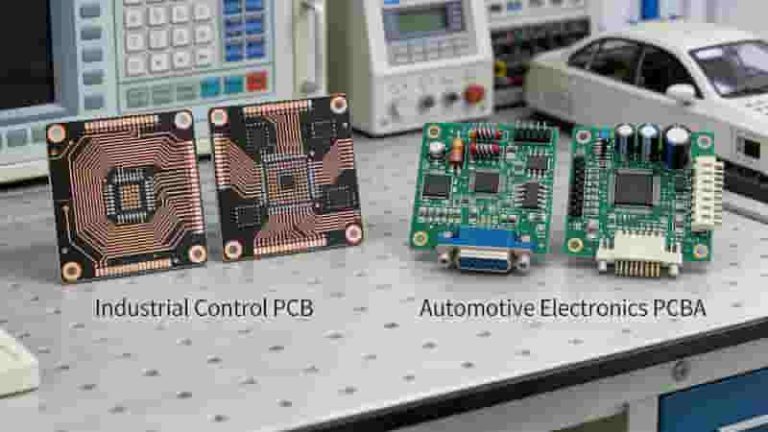
- Automotive Industry: SMT-printed circuit boards serve as the core for advanced driver-assistance systems (ADAS), in-vehicle infotainment systems and other critical automotive electronic components.
- Medical Devices: The compact design of SMT enables the development of portable diagnostic equipment, minimally invasive medical tools and implantable medical devices.
- IoT and 5G Telecommunications: SMT supports the production of high-speed, high-density circuit boards, perfectly catering to the demands of smart connected devices and next-generation telecommunications infrastructure.
Final Words: Why Choose SMT for Your Next Project?
Surface Mount Technology remains the gold standard for PCB assembly, delivering unmatched efficiency, flexibility, and performance. While challenges such as repairability and design complexity exist, the benefits far outweigh the limitations for most applications. As industries including IoT, automotive, and consumer electronics continue to advance, SMT’s role in enabling compact, reliable electronic devices will only expand.
Ready to leverage SMT for your PCB assembly requirements? With over 15 years of industry experience, provides high-quality SMT PCB assembly, quick-turn prototyping, and full turnkey services customized to your project. Get Your Free SMT PCB Assembly Quote Today.