|

What is a PCB Manufacturer? The Definitive Guide

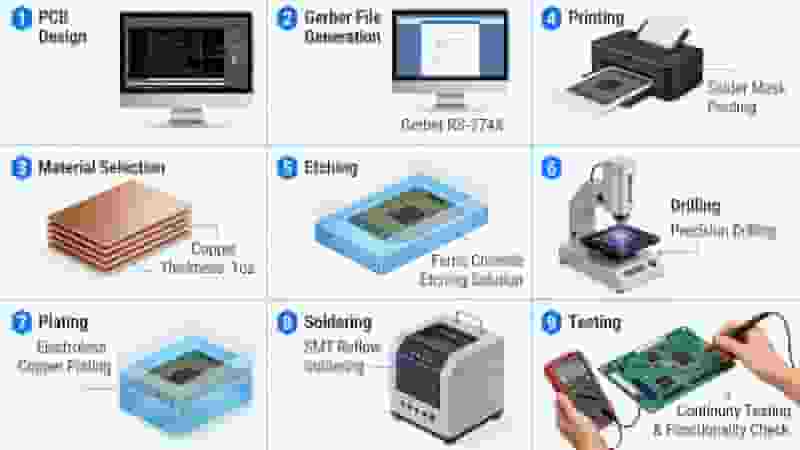
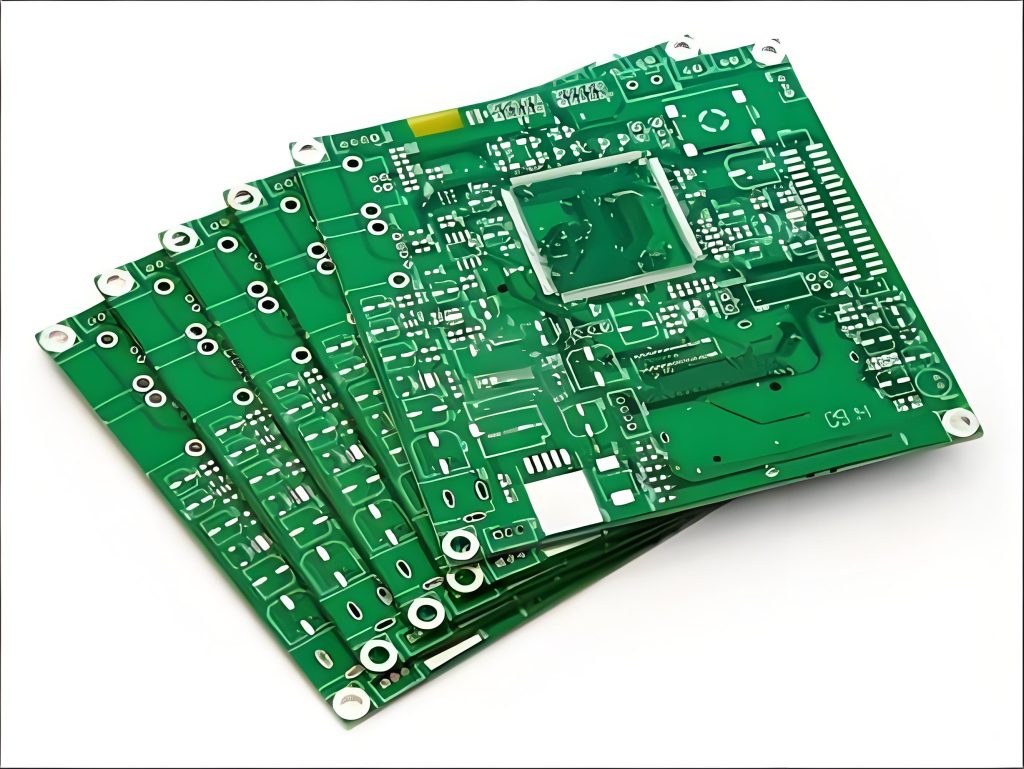
Full PCB manufacturing process from design to finished circuit boards

A PCB manufacturer is a specialized enterprise that designs, produces, tests, and supplies printed circuit boards for global electronics industries. This definitive guide explains core roles, manufacturing processes, advanced technologies, service ranges, and how to select a reliable PCB manufacturer for industrial, automotive, medical, and telecom applications.

Role & Responsibilities of a PCB Manufacturer

A PCB manufacturer serves as a critical link in the global electronics supply chain, turning electronic design files into physical, reliable circuit boards.

Key responsibilities include engineering support, precise fabrication, strict testing, quality control, and secure global logistics.
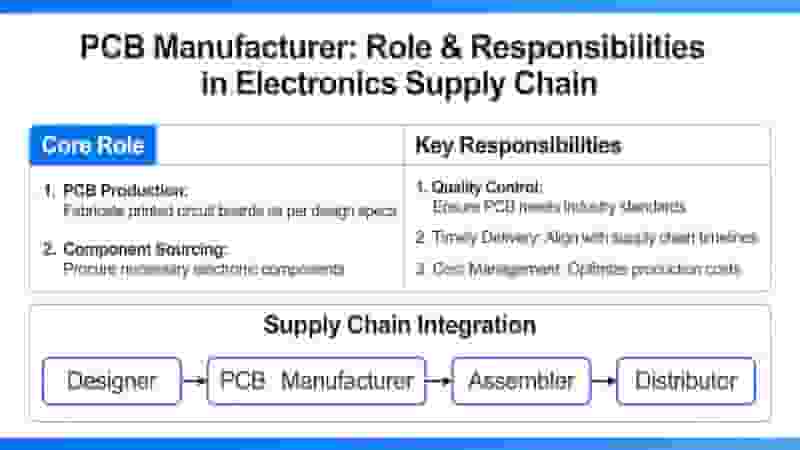
PCB manufacturer role and responsibilities in electronics supply chain

1. Design & Engineering Support

Professional PCB manufacturer teams provide DFM analysis, optimize layouts, and ensure designs are producible with high yield.

2. Core PCB Fabrication

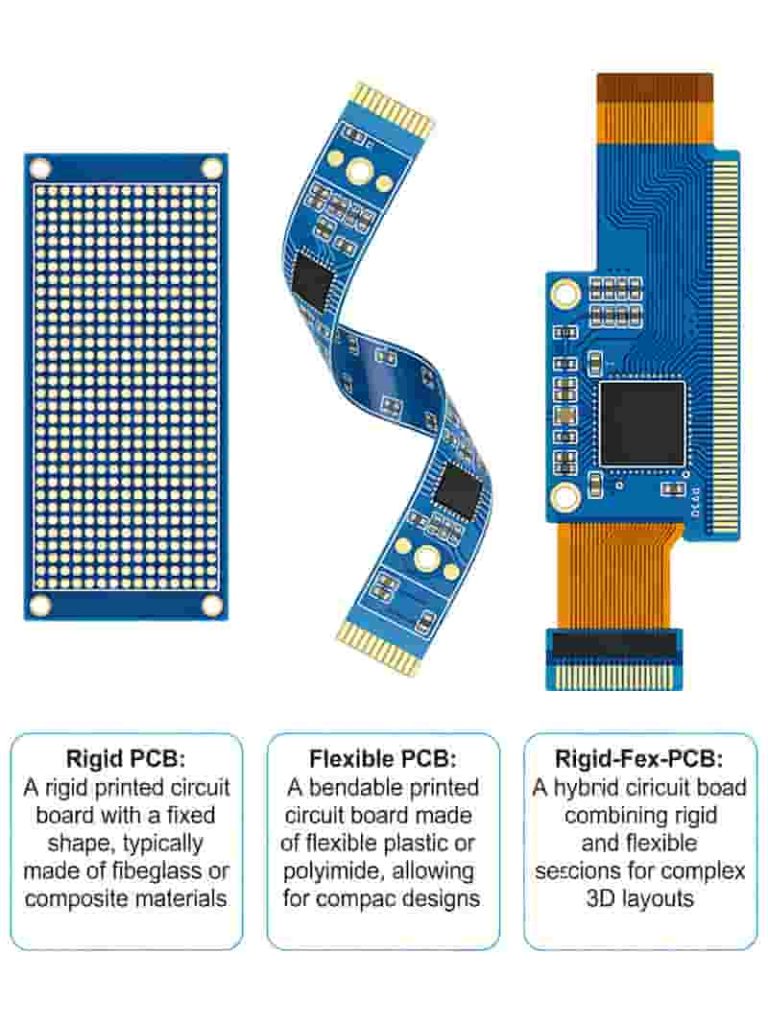
We produce rigid, flex, rigid-flex, HDI, metal-core, and high-frequency PCBs with strict adherence to IPC and UL standards.

3. Testing & Quality Inspection

Full inspection includes AOI, flying probe testing, electrical testing, solder mask verification, and dimensional checks.

4. Supply Chain & Global Delivery

Stable raw material supply, efficient production planning, and safe international shipping support your project schedule.

Full PCB Manufacturing Process

The complete process from design to finished boards ensures every PCB meets performance and reliability requirements.

  1. Design file review & DFM analysis
  2. Material cutting & preparation
  3. Drilling & desmear
  4. Electroless copper & plating
  5. Imaging & etching
  6. Solder mask & silkscreen
  7. Surface finishing (ENIG, HASL, OSP, etc.)
  8. AOI & electrical testing
  9. Profile, V-cut, cleaning & packaging
Full PCB manufacturing process from design to finished circuit boards

Advanced Technologies in PCB Manufacturing

Top PCB manufacturer facilities use modern equipment to produce high-precision boards for demanding industries.

Fabrication Technologies

Direct imaging, plasma etching, laser drilling, and automated plating lines support HDI and high-frequency PCB production.

High-Performance Materials

High-speed laminates, low-loss materials, aluminum substrates, and flexible base materials expand application possibilities.

Testing & Inspection

AOI, 3D X-ray, flying probe testers, and thermal stress testing guarantee long-term reliability.
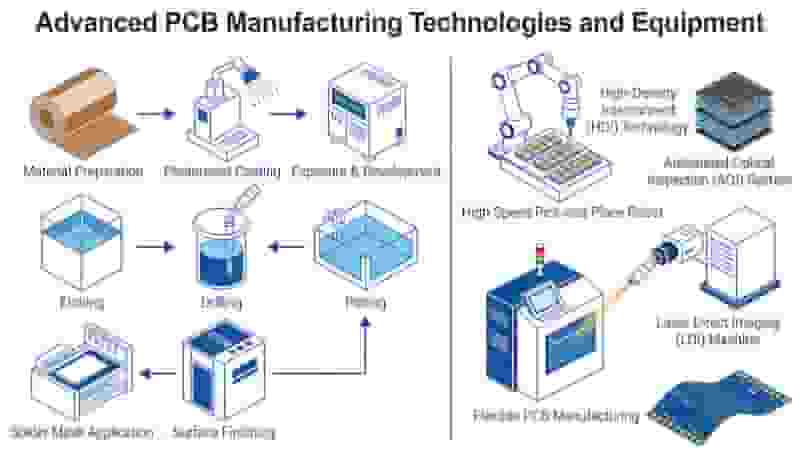
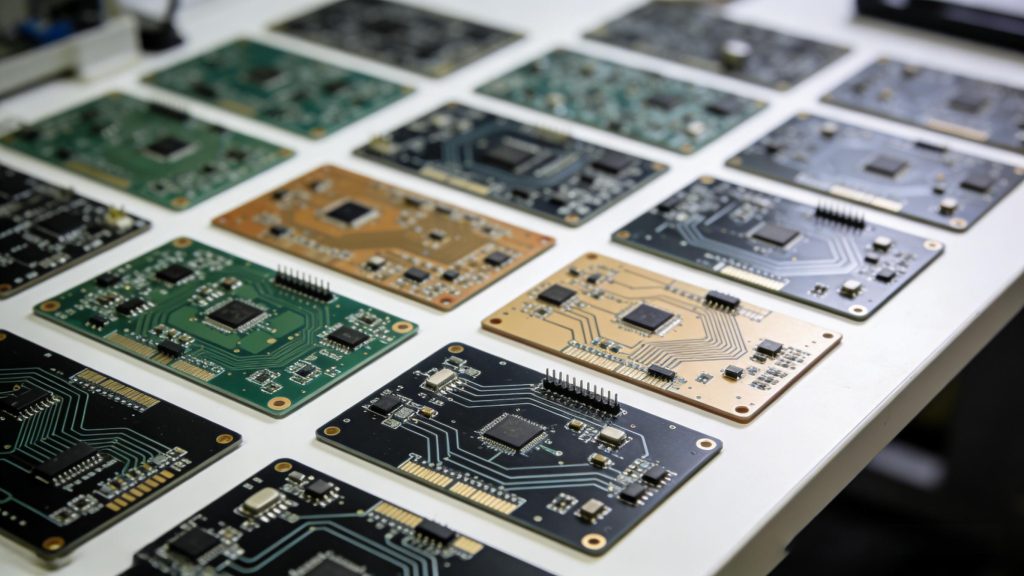
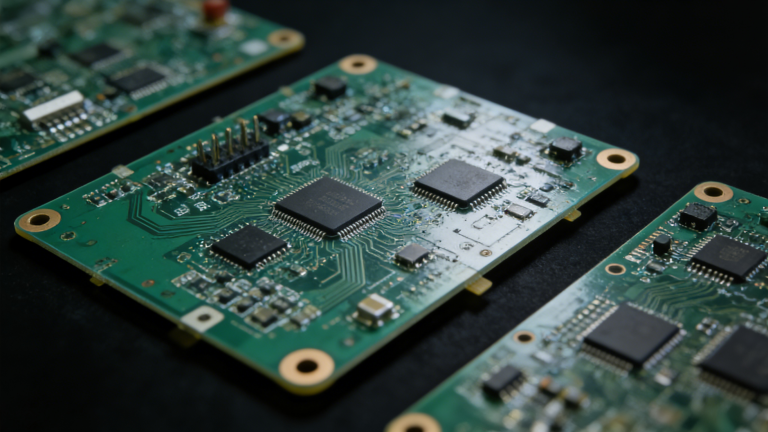
Advanced PCB manufacturing technologies and equipment

Complete Service Offerings

A full-service PCB manufacturer supports prototyping to mass production for global buyers.

  • Prototype PCB & quick-turn services
  • Small-batch & mass production
  • HDI, rigid-flex, high-frequency, metal-core PCBs
  • DFM engineering support
  • Full electrical & reliability testing
  • Global export packaging & logistics
ItemStandard PCBAdvanced PCB
Layers1–8 layers8–30+ layers, HDI
ApplicationsConsumer, industrialAutomotive, medical, aerospace
CertificationsISO 9001, IPC-A-600ISO 9001, IATF 16949, UL, RoHS

How to Select a Reliable PCB Manufacturer

When choosing a PCB manufacturer for global projects, focus on these critical factors:

  1. Proven technical capabilities and equipment
  2. Strict quality system and international certifications
  3. Stable lead times and production capacity
  4. Professional engineering and customer support
  5. Transparent pricing and cost efficiency
  6. Strong export and logistics experience
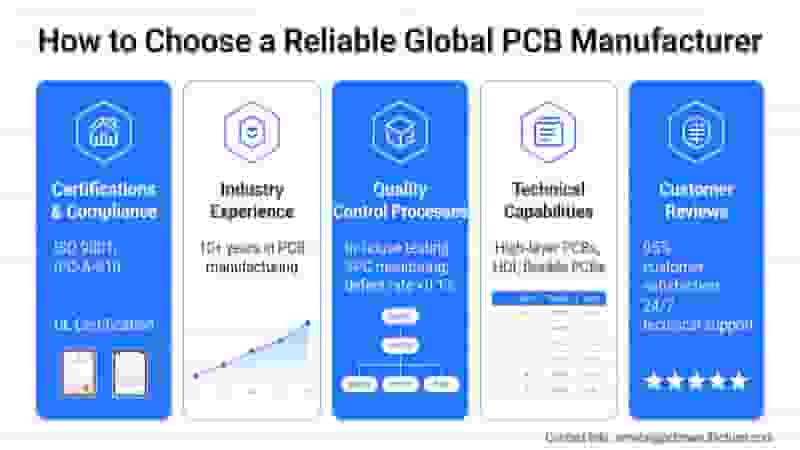
How to choose a reliable global PCB manufacturer

Conclusion

A trusted PCB manufacturer delivers consistent quality, technical expertise, and reliable global supply. Whether you need prototypes, small batches, or mass production, partnering with an experienced export-focused PCB manufacturer ensures your electronic projects succeed.

Get Your PCB Solution Now

Request a free quote, DFM analysis, or custom PCB manufacturing support from our expert team.

Inquiry Now
Get Free Quote
HASL PCB industrial applications industrial control LED automotive

HASL: Hot Air Solder Leveling for PCB Surface Finish

HASL (Hot Air Solder Leveling) is a widely used, cost-effective PCB surface finish that protects copper pads from oxidation and ensures reliable solderability for industrial and commercial electronics assembly. What Is Hot Air Solder Leveling (HASL)? Hot Air Solder Leveling (HASL) is a mature and industry-standard PCB surface finish applied to exposed copper circuits. It…
Heat Resistant PCB Structure High-Temperature Circuit Board

Heat Resistant Circuit Boards: High-Temperature PCB Solutions for Industrial & Automotive Applications

Heat resistant circuit boards are engineered to maintain stability, reliability, and electrical performance in extreme thermal environments. We specialize in high-temperature PCBs, IMS PCBs, and high-Tg FR4 boards for automotive, aerospace, industrial power, and LED systems. Request a Quote What Are Heat Resistant Circuit Boards? Heat resistant circuit boards are printed circuit boards designed to…
PCB layer thickness vs standard PCB thickness

Standard PCB Thickness – The Complete Guide for Engineers & Buyers

Standard PCB thickness is typically 1.57 mm (0.062 inches), often rounded to 1.6 mm. This guide covers definitions, influencing factors, manufacturing constraints, non-standard design rules, and selection tips for industrial buyers and engineers. Quick Overview: standard PCB thickness (1.6mm) is industry default; common alternatives include 0.78mm (0.031in) and 2.36mm (0.093in). Thickness impacts durability, weight, assembly,…
Flexible PCB Coverlay Lamination Process

Flexible PCB Coverlay: What It Is & How It Works

Flexible PCB coverlay is a protective polyimide film that protects FPC copper circuits while keeping full flexibility. Learn materials, thickness, comparison with solder mask, manufacturing, and selection for industrial and medical applications. What Is Flexible PCB Coverlay? A flexible PCB coverlay, also known as FPC cover layer, is a key protective part for flexible printed…
4 Layer and 6 Layer Multilayer Flex PCB Stack Up Design

Multilayer Flexible PCB Manufacturer | Custom 4–16 Layer Flex Circuits

Lightweight, high‑density multilayer flexible PCB for compact, reliable electronics in consumer, automotive, medical, and industrial applications. Up to 16‑layer flex and rigid‑flex PCB manufacturing with tight tolerances and controlled impedance. 10+ years flex PCB experience in China 1,000,000+ flex circuits shipped per year Quick‑turn prototypes & volume production for multilayer flexible PCB Multilayer Flex PCB…
CCL manufacturing process flow for PCB production

Copper Clad Laminate (CCL): The Complete 2026 Guide for PCB Manufacturing

Copper Clad Laminate (CCL) is the material on which all circuitry and printed circuit boards (PCBs) are based. It is the basic material used in the PCB industry with wide applications in consumer electronics (e.g. radio and television), mobile communication industry, computers, avionics, military hardware, and others. The copper-clad laminate manufacturing industry is a growing industry with…

FAQs About PCB Manufacturer & Manufacturing Services

A: A PCB manufacturer converts design files into finished circuit boards, covering engineering support, fabrication, testing, quality control and global delivery.

A: We provide PCB prototyping, small-batch & mass production, DFM analysis, full testing and one-stop PCBA assembly solutions.

A: We make rigid, flex, rigid-flex, HDI, metal-core and high-frequency PCBs to suit different industrial demands.

A: DFM review → Material preparation → Drilling & plating → Imaging & etching → Solder mask & silkscreen → Surface finish → Testing → Cutting & packaging.

A: We use laser drilling, direct imaging and plasma etching. Testing includes AOI, 3D X-ray, flying probe and thermal stress test.

A: Standard PCBs have ISO 9001 and IPC-A-600. Advanced boards for automotive and medical also support IATF 16949, UL and RoHS.

A: Check technical strength, certifications, delivery stability, engineering support, pricing and overseas logistics capability.

A: Prototypes take 3–7 days, and mass production needs 7–15 days, depending on PCB complexity.

A: Yes, we provide supporting PCBA turnkey services to meet one-stop manufacturing requirements.

Similar Posts