IPC standards are the global industry benchmarks governing PCB design, fabrication, assembly, inspection, testing, and documentation. This guide covers core IPC standards, compliance classes, technical specifications, and how adherence ensures reliability, consistency, and market acceptance for industrial, automotive, medical, and aerospace electronics.
What Are IPC Standards
IPC (Association Connecting Electronics Industries) is the global governing body for electronics manufacturing standards. With over 4,000 member companies across 79 countries, IPC standards unify design, production, and quality requirements for PCB and electronics assembly worldwide.
Unlike ISO (process management), IEC (electrical testing), or ITU (telecom), IPC standards focus exclusively on printed circuit boards and electronic interconnections, making them the most critical specifications for PCB buyers and suppliers.
History of IPC Standards
Founded in 1957 as the Institute for Printed Circuits, IPC evolved to become the global reference for electronics quality. Key milestones:
- 1964: First IPC-A-600 published for bare board acceptability
- 1994: IPC-A-610 certification launched globally
- 2002: IPC-A-620 released for cable harness assemblies
- 2008: Lead-free standards updated for global environmental compliance
- Today: 225+ active IPC standards cover every PCB process
IPC Quality Classes (1, 2, 3)
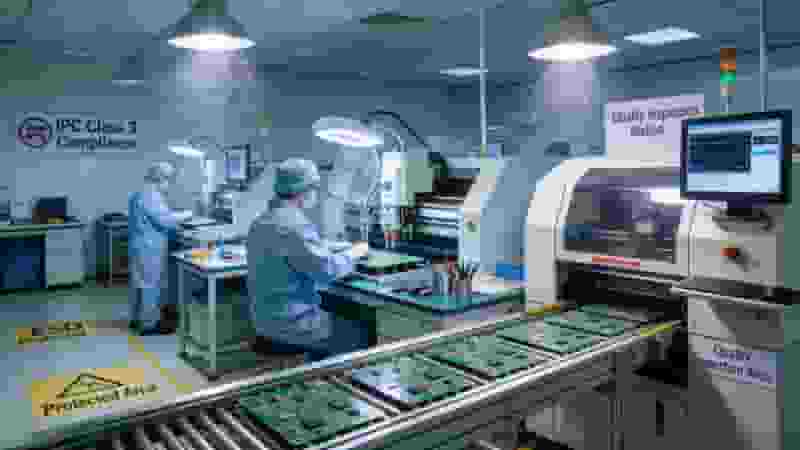
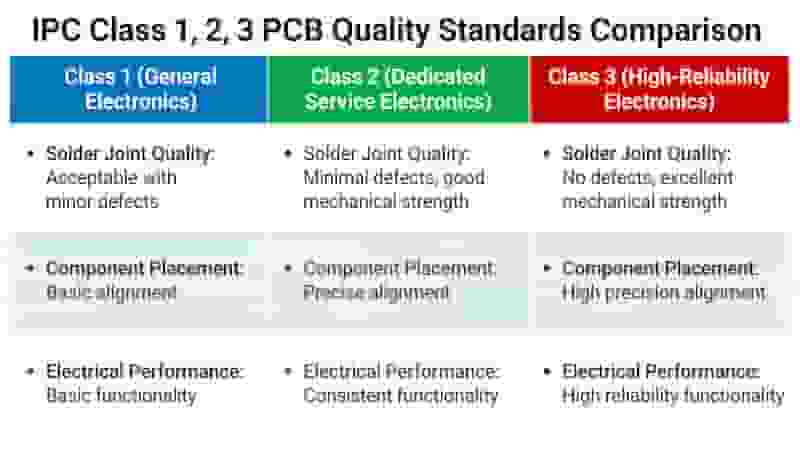
IPC defines three performance classes to match application criticality:
- Class 1: General electronics – basic functionality, low cost
- Class 2: Dedicated service – consistent performance, industrial use
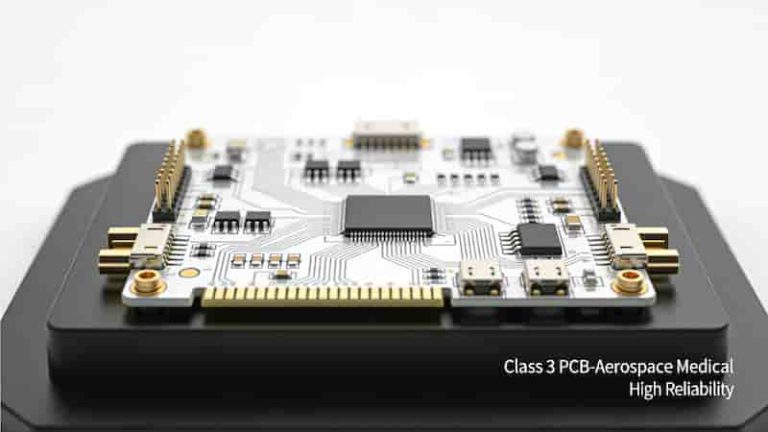
- Class 3: High-reliability – medical, aerospace, automotive (no failure allowed)
Core IPC Standards for PCB Manufacturing
These IPC standards control bare board fabrication, materials, and acceptance:
- IPC-6012: Qualification & performance for rigid PCBs
- IPC-A-600: Visual acceptability for finished bare boards
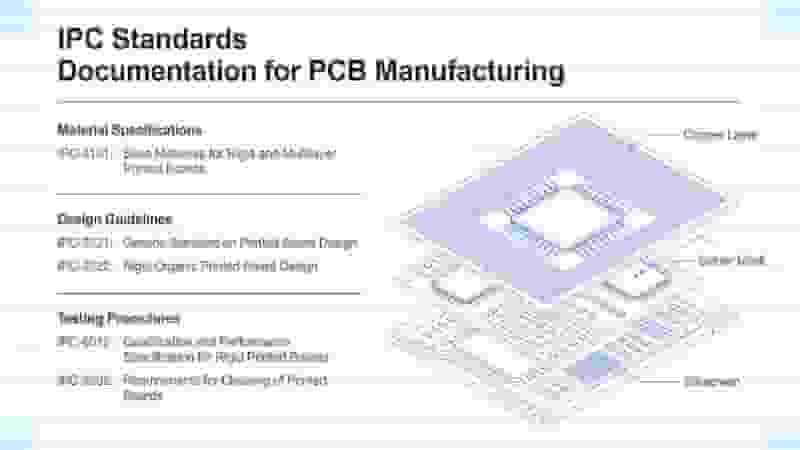
- IPC-2221: Generic PCB design and DFM rules
- IPC-4101: Laminate and base material specifications
- IPC-9252: Electrical testing for unpopulated PCBs
Core IPC Standards for PCB Assembly
These IPC standards govern soldering, SMT, inspection, and rework:
- J-STD-001: Global soldering process requirements
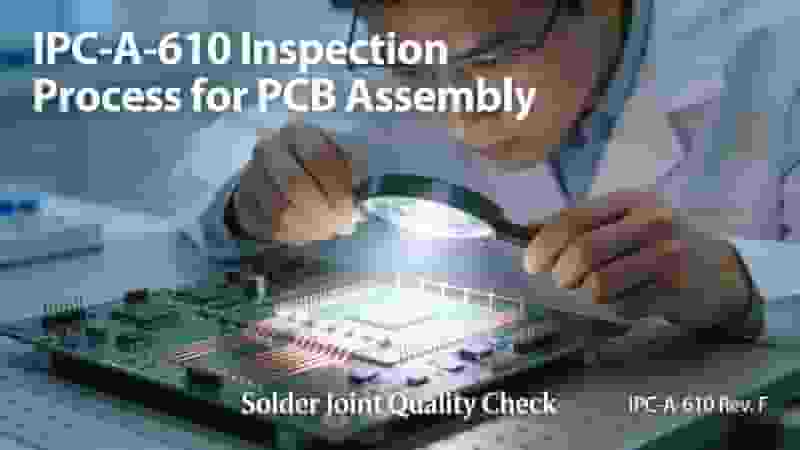
- IPC-A-610: Acceptability of electronic assemblies (most widely used)
- IPC-7351: SMT land pattern design for reliable joints
- IPC-7711/7721: Rework and repair of PCB assemblies
- IPC-A-620: Cable and wire harness acceptance
IPC Standards Comparison Table
| Standard | Category | Purpose |
|---|---|---|
| IPC-6012 | PCB Manufacturing | Rigid PCB performance & qualification |
| IPC-A-600 | PCB Inspection | Bare board visual acceptability |
| J-STD-001 | Soldering | Global solder process standard |
| IPC-A-610 | Assembly | Electronic assembly acceptability |
| IPC-2221 | Design | PCB design & DFM rules |
Benefits of IPC Compliance
Adhering to IPC standards delivers measurable value for global buyers:
- Consistent quality across production batches
- Higher reliability and lower failure rates
- Clear quality agreements between partners
- Faster approval and reduced rework
- Global market acceptance for export
- Alignment with ISO, IEC, and ITU requirements
Conclusion
IPC standards are the foundation of high-quality, reliable PCB manufacturing and assembly. Understanding and implementing these standards ensures your products meet global industry expectations, reduce risks, and support long-term performance.
We strictly follow IPC standards in every project, delivering PCB and PCBA solutions that match Class 2 or Class 3 requirements for industrial, automotive, medical, and aerospace applications.
Request Your IPC-Compliant PCB Quote
Get custom PCB manufacturing, assembly, and full PCBA services built to your target IPC class and specifications.
Contact Us for a Free Quote
What is FR-4 Material in PCB Fabrication? The Complete Engineering Guide
What is FR-4 Material in PCB Fabrication? Complete Engineering Guide
What is a Surface Mount Device or SMD Component Package?
Turnkey PCB Assembly Services | Full & Partial Solutions
Through-hole PCB Assembly Service | IPC Certified THT PCBA Solutions