Custom Flex PCB delivers highly flexible, space‑optimized interconnects for medical, automotive, aerospace, wearable, and industrial electronics. We provide end‑to‑end tailored flex circuit solutions from design and material selection to fabrication, assembly, and reliability testing to match your exact application needs.
The Essence of Custom Flex PCBs
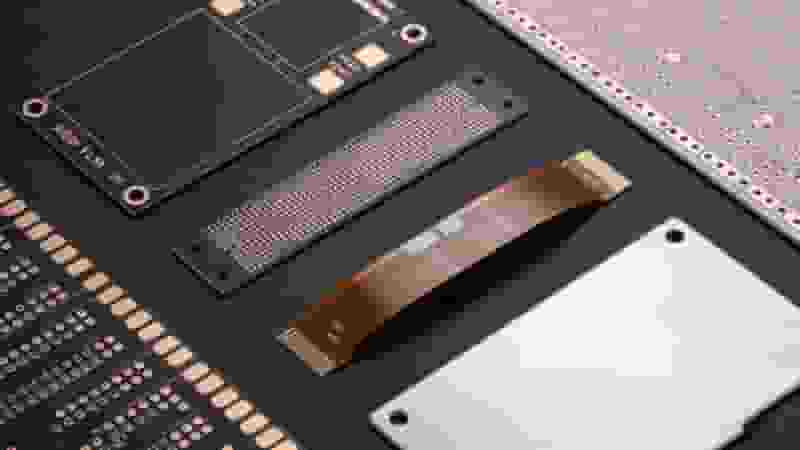
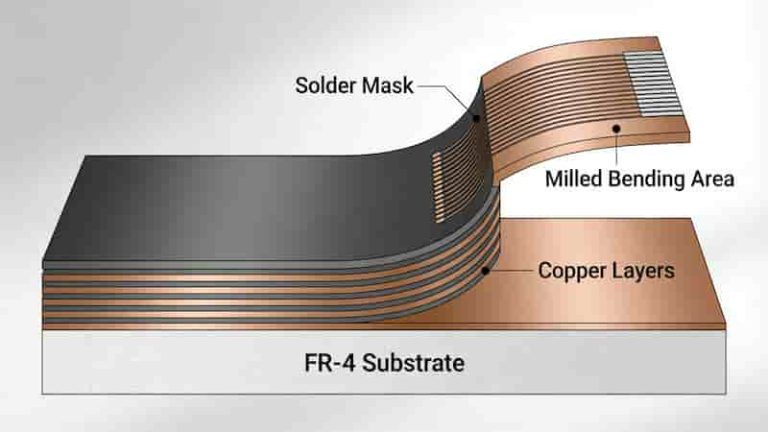
Custom Flex PCB boards are built on flexible substrates like polyimide, allowing bending, twisting, and conforming to non‑planar shapes while maintaining electrical performance. Unlike rigid PCBs, flex circuits support miniaturization, dynamic movement, and high vibration resistance for advanced products.
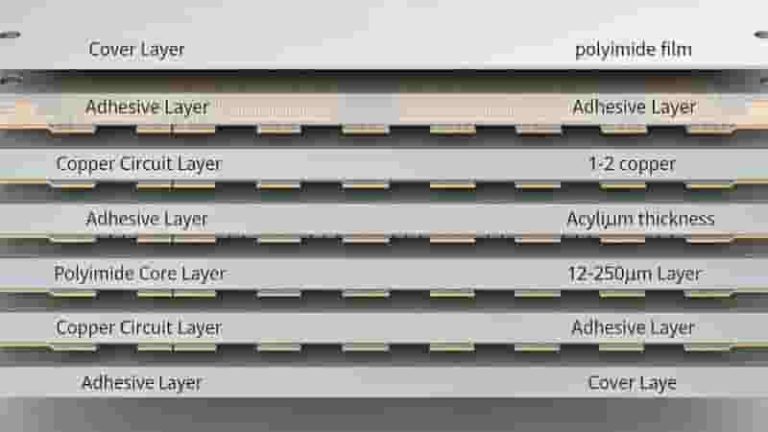
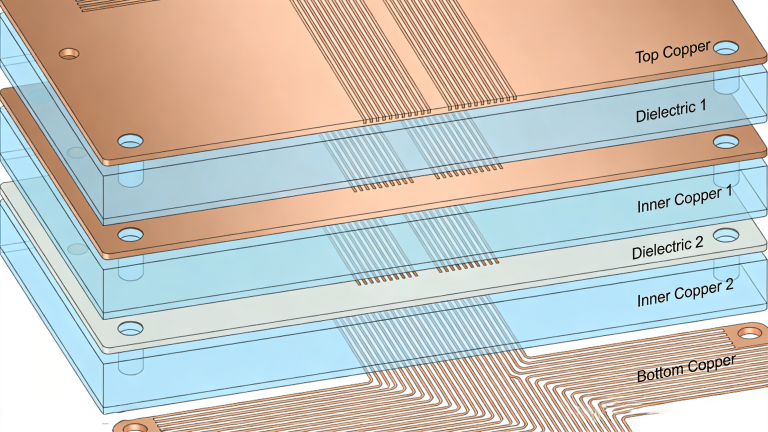
These circuits are available in single‑sided, double‑sided, multilayer, and rigid‑flex constructions to support simple to high‑complexity designs. Our tailored processes ensure consistent quality for prototyping and mass production.
Key Advantages of Custom Flex PCBs
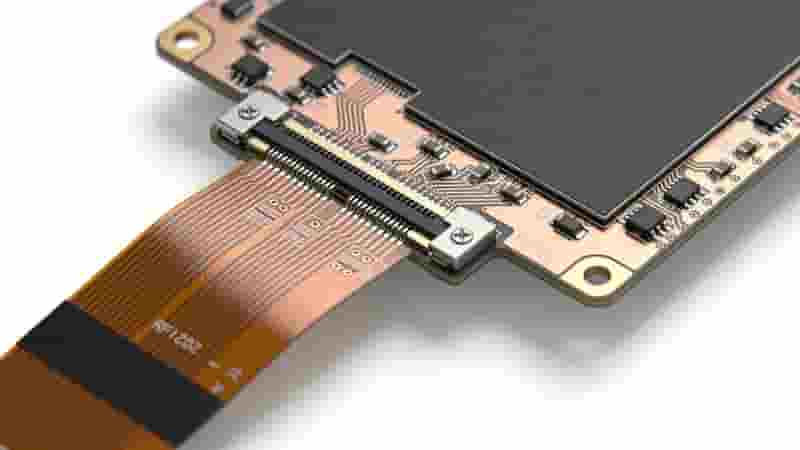
Compact & Lightweight — Custom Flex PCB reduces weight and volume vs rigid boards, ideal for portable and wearable devices.
Space Optimization — Fold, wrap, and route flex circuits to use every millimeter of enclosure space efficiently.
Unmatched Design Freedom — Conform to curved, irregular, or moving surfaces without performance loss.
High Durability & Reliability — Resists vibration, shock, thermal cycling, and flex fatigue for long product life.
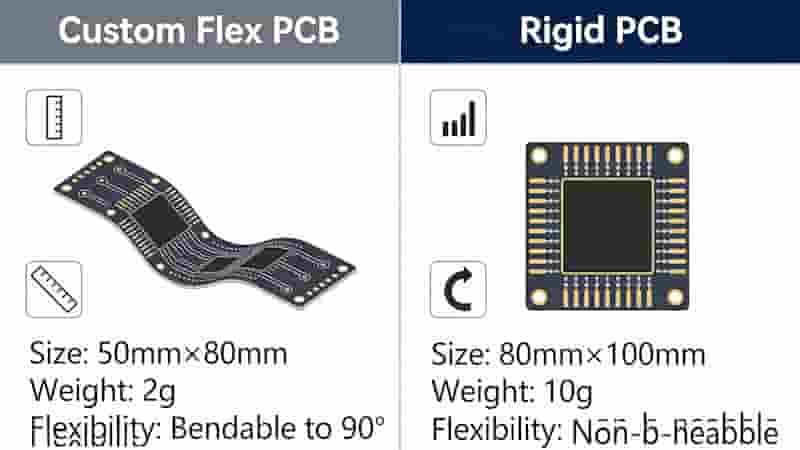
Flex PCB vs Rigid PCB Comparison
| Feature | Custom Flex PCB | Standard Rigid PCB |
|---|---|---|
| Form Factor | Flexible, bendable, conformable | Fixed, planar, rigid |
| Weight & Size | Lightweight, ultra‑compact | Bulkier, heavier |
| Vibration/Shock Resistance | Excellent | Good |
Industry Applications
Wearable Devices — Custom Flex PCB enables slim, flexible designs for smart watches, health trackers, and flexible sensors.
Medical Electronics — Implants, diagnostic tools, and surgical devices use flex circuits for biocompatibility and miniaturization.
Aerospace & Defense — Lightweight, high‑reliability interconnects for satellites, avionics, and mission‑critical systems.
Automotive Electronics — ADAS, infotainment, sensors, and in‑vehicle lighting benefit from vibration resistance.
Consumer Electronics — Smartphones, tablets, and compact devices use Custom Flex PCB for tight integration.
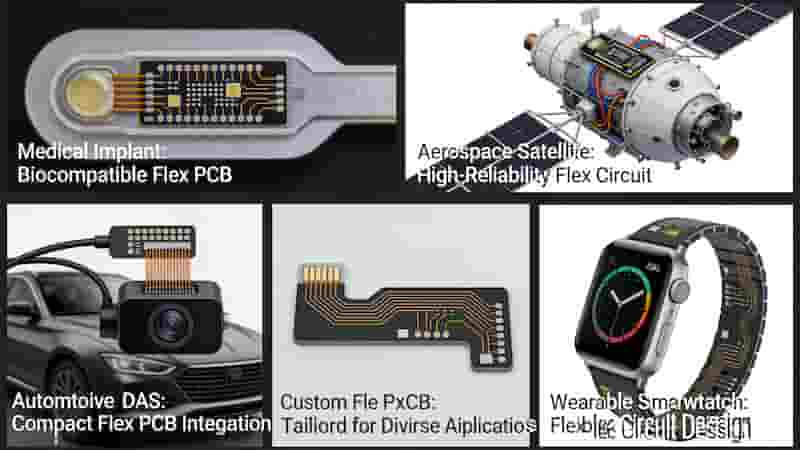
Our Custom Flex PCB Capabilities
Design & Engineering Support — We optimize bend radius, layer stackup, impedance, and DFM for Custom Flex PCB projects.
Full‑Process Manufacturing — Single‑sided, double‑sided, multilayer, and rigid‑flex flex circuit production.
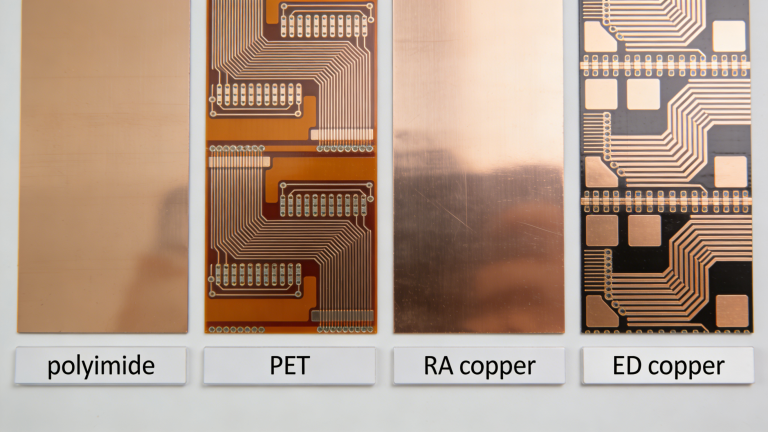
Material Customization — Polyimide, PET, adhesives, coverlays, and stiffeners tailored to your environment.
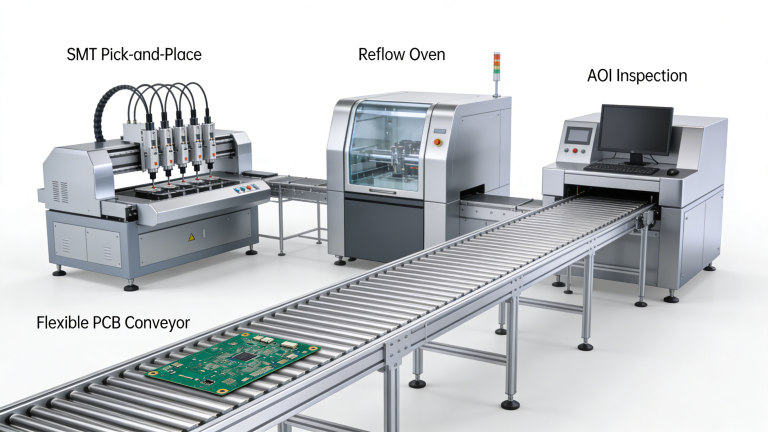
Quality & Testing — AOI, electrical testing, bend cycle testing, and environmental stress validation for reliability.
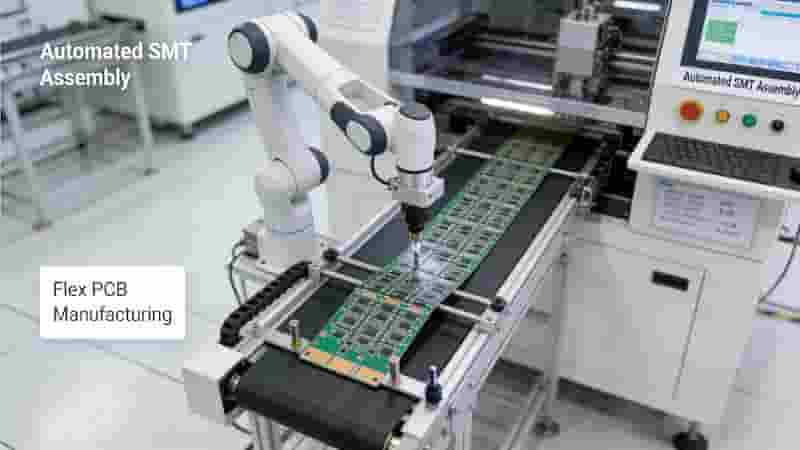
Critical Design Considerations
Bend Radius & Flex Life — Proper design ensures millions of dynamic flex cycles without trace damage.
Layer Stackup & Impedance Control — Essential for high‑speed signals, RF, and stable performance in Custom Flex PCB.
Component Selection & Placement — Use flex‑rated components and layout to reduce mechanical stress.
Thermal & Environmental Protection — Materials and coatings defend against heat, moisture, and chemicals.
Conclusion
Custom Flex PCB is a transformative interconnect solution for modern electronics, delivering flexibility, miniaturization, durability, and design freedom across medical, automotive, aerospace, wearables, and industrial markets. Our end‑to‑end tailored solutions support your product from concept to high‑volume production with consistent quality and performance.
Start Your Custom Flex PCB Project Today
Request a free quote, design review, or prototype for your Custom Flex PCB application.
Request a Quote
Contact Engineering
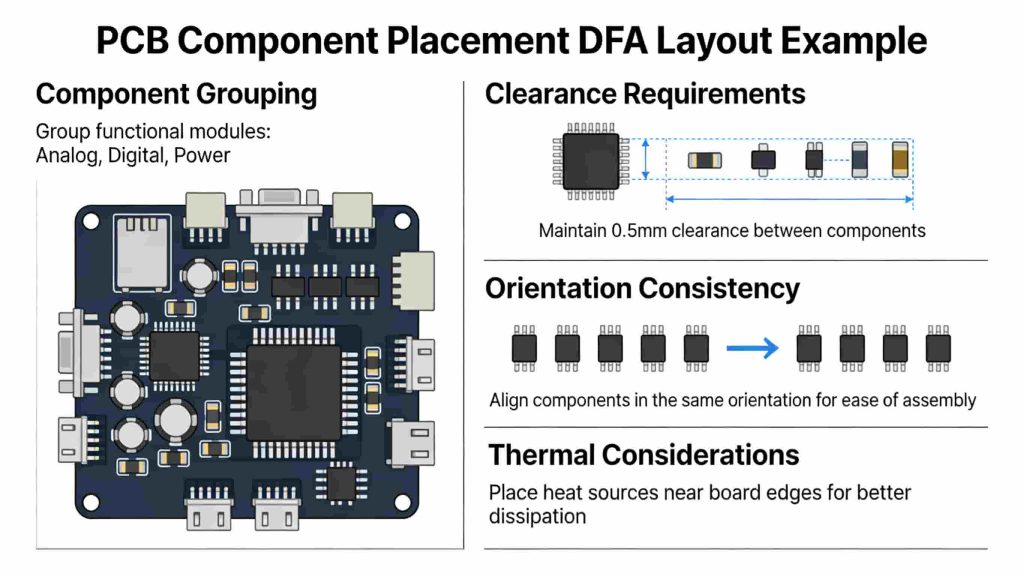
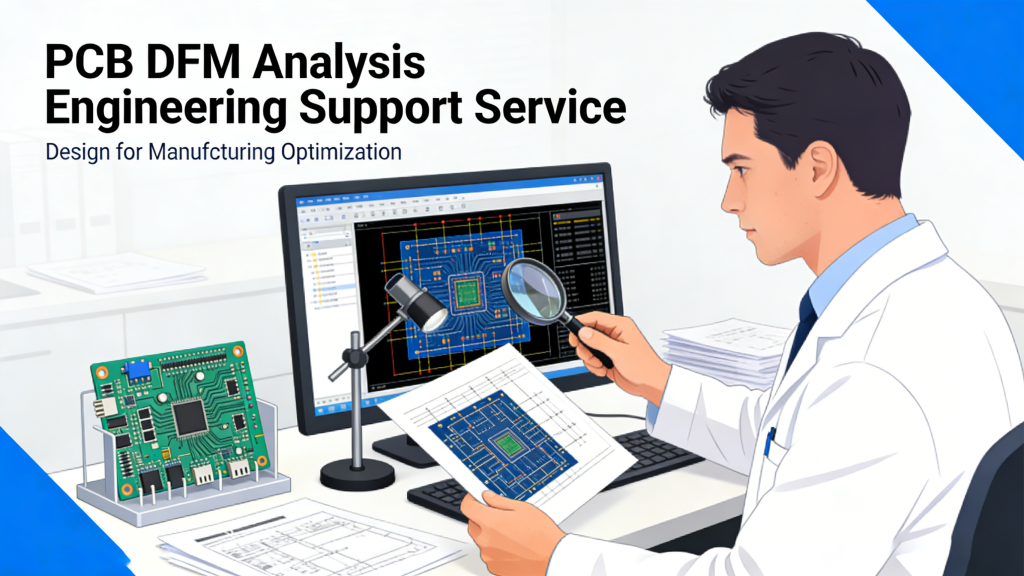
PCB DFM and DFA: Best Practices for Optimal Design
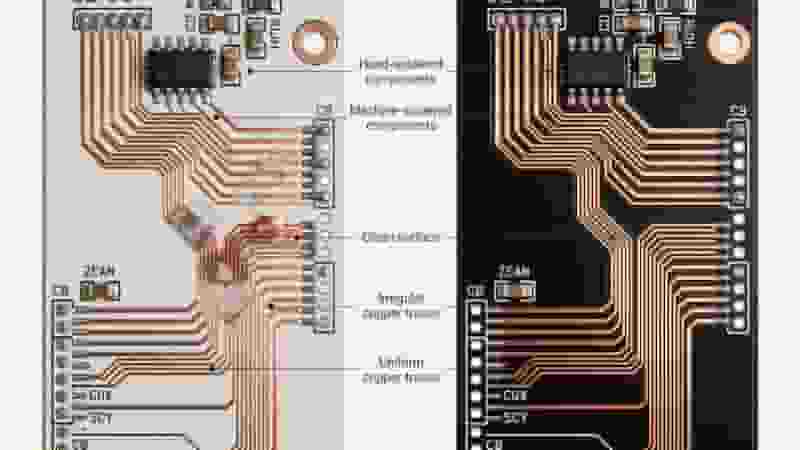
How to Choose the Right PCB Manufacturer and Supplier: Full Professional Guide
Key Differences Between Prototype and Production PCBs Explained

PCB Prototype Manufacturing in China: Benefits, Challenges & Reliable Solutions
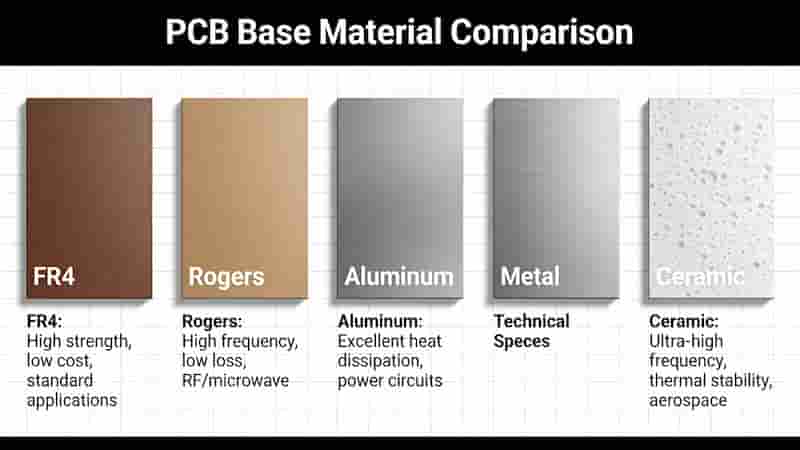
Key Factors Influencing Custom PCB Costs in 2025