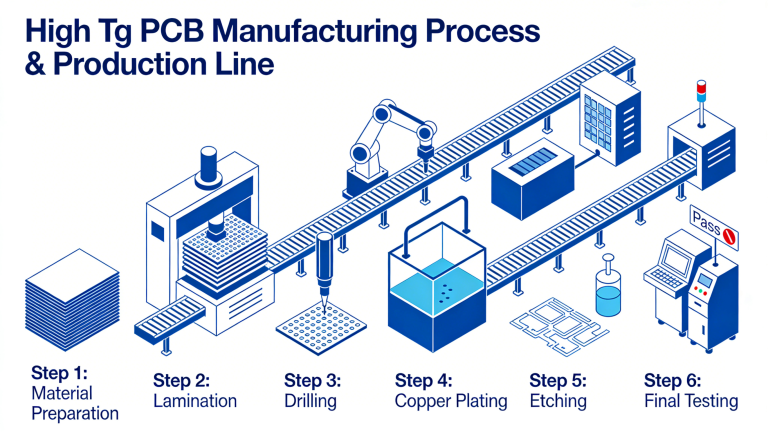
SMT assembly (Surface Mount Technology) is the core process in modern electronics manufacturing, used to mount components directly onto PCB surfaces for miniaturization, high density, automation, and reliable mass production. This guide explains processes, components, equipment, applications, and best practices for global industrial buyers.
What Is SMT Assembly?
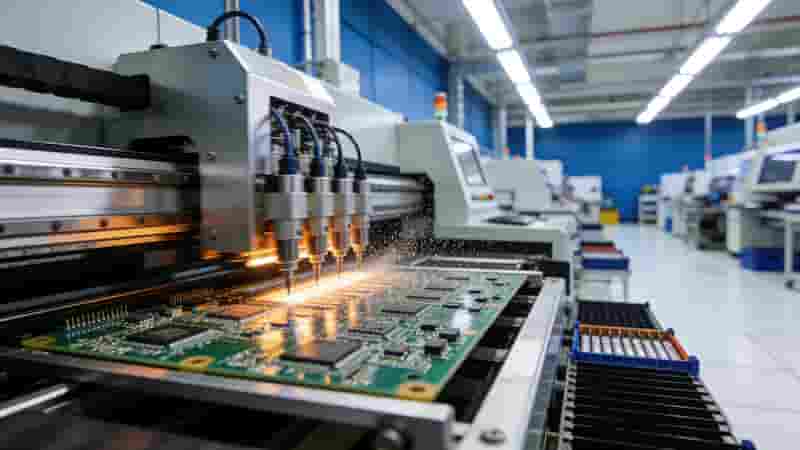
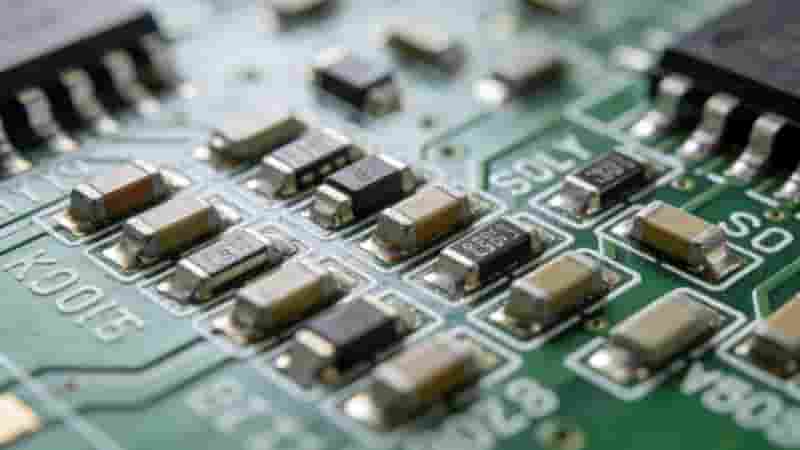
SMT assembly is a high‑precision manufacturing method that mounts electronic components directly onto the surface of a printed circuit board. Unlike through‑hole technology, no drilling is required, enabling smaller form factors, higher circuit density, and fully automated production lines.
This technology powers nearly all modern electronics, from consumer devices to medical, automotive, aerospace, and industrial equipment. The shift to SMT has enabled smaller, lighter, more reliable, and more cost‑effective PCB assemblies at scale.
SMT vs SMD: What’s the Difference?
Many people use SMT and SMD interchangeably, but they describe separate parts of the process:
SMT (Surface Mount Technology) = the full assembly process, including printing, placement, reflow soldering, and inspection.
SMD (Surface Mount Device) = the actual components designed to be mounted onto PCB surfaces.
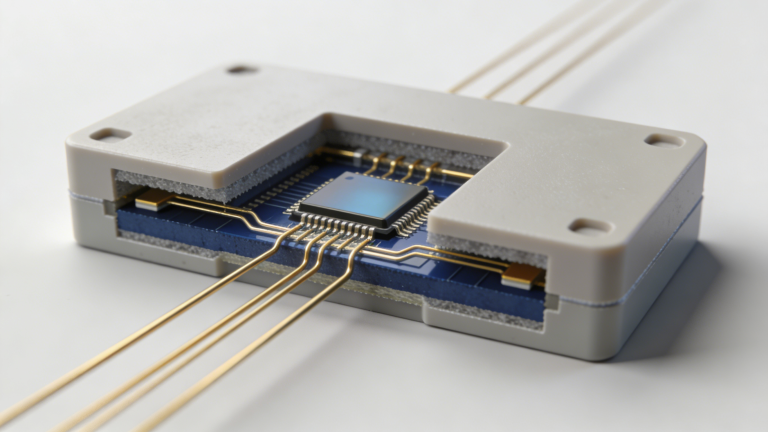
Common SMD packages include chip resistors/capacitors, QFP, QFN, BGA, SOIC, and SSOP packages.
SMT Assembly vs Through‑Hole (THT) Comparison
| Feature | SMT Assembly | Through‑Hole (THT) |
|---|---|---|
| Mounting Style | On PCB surface | Leads through drilled holes |
| Size & Density | Ultra‑small, high density | Larger, low density |
| Automation | Fully automated high speed | Semi‑auto / manual |
| High‑Frequency Performance | Excellent | Limited |
| Best For | Mass production, miniaturization | High power, rugged use |
The Complete SMT Assembly Process
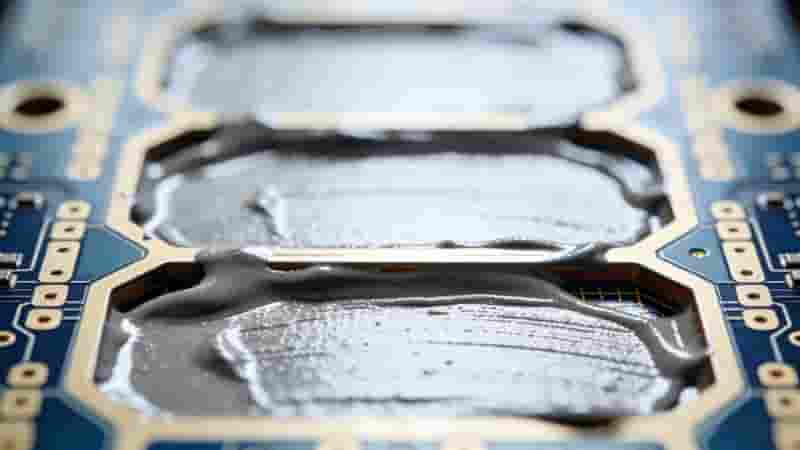
1. Solder Paste Printing
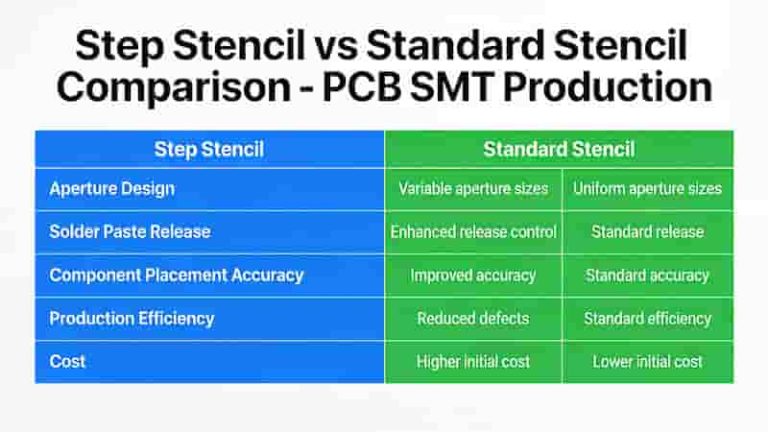
Solder paste is printed onto PCB pads using a precision stencil. SPI (Solder Paste Inspection) ensures accurate volume and position to avoid assembly defects.
2. Component Pick & Place
Automated machines place SMD components onto solder paste pads with micron‑level accuracy, supporting resistors, capacitors, ICs, BGAs, and connectors.
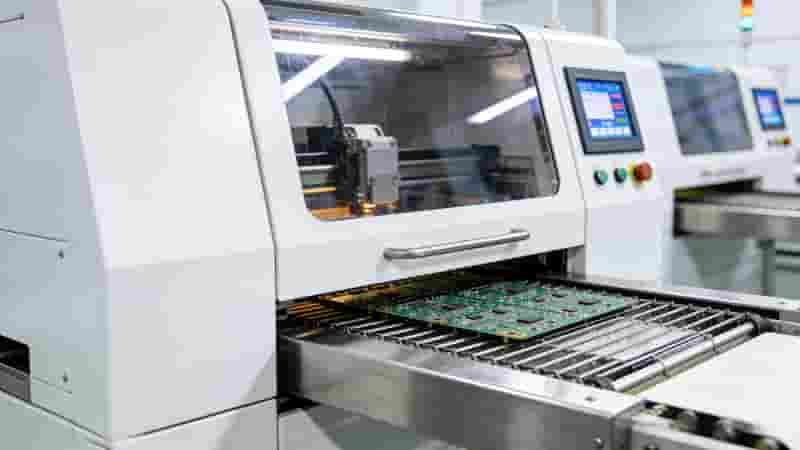
3. Reflow Soldering
The PCB passes through a controlled reflow oven, melting solder paste to form permanent, reliable joints between components and pads.
4. Inspection & Testing
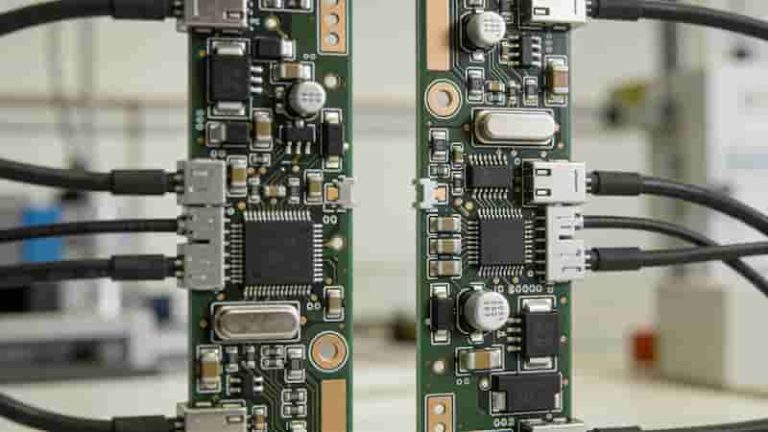
AOI, X‑ray, ICT, and functional testing verify solder quality, component alignment, and electrical performance to ensure SMT assembly reliability.
Common SMT Components (SMDs)
- Chip components: resistors, capacitors, inductors
- Flat packages: QFP, QFN, LGA
- Ball Grid Arrays: BGA, CSP, WLP
- Small Outline packages: SOIC, SSOP, TSSOP
These parts enable high‑density PCB designs used in industrial and high‑tech electronics.
Key SMT Production Equipment
Professional SMT assembly requires specialized machinery:
- Solder paste printers
- Automatic pick‑and‑place machines
- Reflow soldering ovens
- AOI and X‑ray inspection systems
- ESD protection and environmental control systems
Industrial Applications of SMT Assembly
SMT assembly supports critical industries worldwide:
- Consumer electronics: smartphones, laptops, wearables
- Automotive: ECUs, ADAS, infotainment
- Medical devices: monitors, implants, diagnostics
- Aerospace & defense: avionics, radar, navigation
- Industrial automation: PLCs, controllers, robotics
- Telecommunications: 5G, routers, servers
SMT Challenges & Industry Best Practices
Common challenges include miniaturized component handling, fine‑pitch placement, solder defects, thermal management, and ESD control.
Best practices for reliable SMT assembly:
- Optimize stencil design and solder paste printing
- Use calibrated reflow temperature profiles
- Maintain strict ESD and cleanroom conditions
- Perform full AOI and X‑ray inspection
- Follow IPC standards for quality and consistency
Environmental Impact of SMT Assembly
Modern SMT production emphasizes sustainability:
- Lead‑free soldering (SAC alloys)
- Material recycling and waste reduction
- Energy‑efficient reflow ovens
- Reduced raw material use via miniaturization
Future Trends in SMT Technology
- Extreme miniaturization: 01005 components, CSP, WLP
- 3D packaging and TSV integration
- High‑density fan‑out packaging (FO‑WLP)
- Smart manufacturing: Industry 4.0, AI, IoT monitoring
- Advanced materials for high‑frequency and flexible PCBs
Conclusion
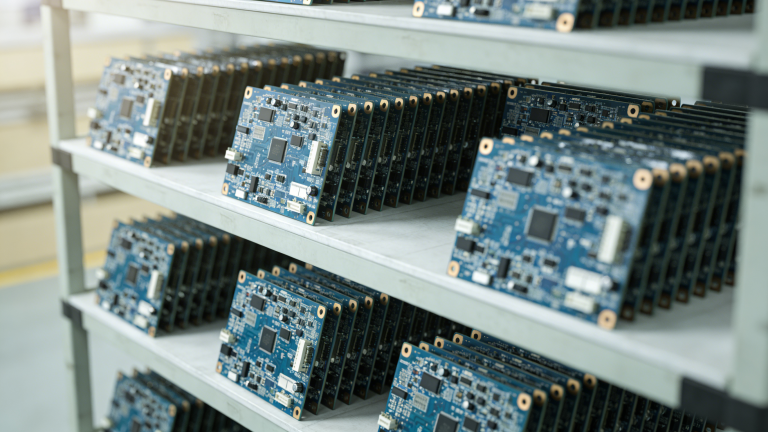
SMT assembly is the foundation of modern PCB manufacturing, enabling miniaturization, performance, reliability, and cost efficiency across every major industry. Understanding the process, components, and best practices helps industrial buyers, engineers, and procurement teams make informed decisions for their projects.
Whether you need prototype, low‑volume, or mass production, professional SMT assembly ensures consistent quality, compliance, and long‑term durability for your electronic products.
Need Reliable SMT PCB Assembly Services?
We provide professional SMT assembly, prototype PCBs, mass production, and full turnkey solutions for global industrial buyers.
Request a Quote | Custom PCB Assembly | Technical Consultation