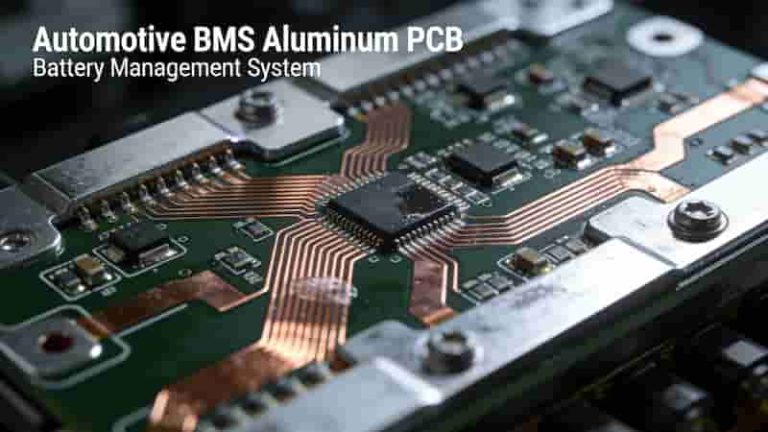
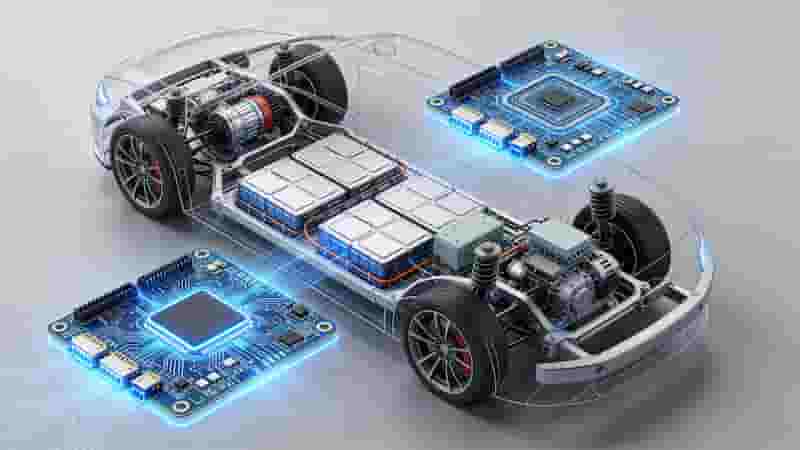
Automotive printed circuit boards are critical building blocks for modern vehicles, supporting engine control, infotainment, safety systems, ADAS, and electric powertrains. These boards deliver stable performance under extreme temperatures, vibration, humidity, and EMI while meeting strict automotive quality standards.
What Are Automotive PCBs?
Automotive printed circuit boards are specially designed and manufactured for vehicle electronic systems. They serve as the core platform for mounting components and connecting circuits, enabling stable operation of automotive subsystems. Unlike standard commercial PCBs, automotive printed circuit boards are engineered to endure harsh in-vehicle environments and meet strict reliability requirements.
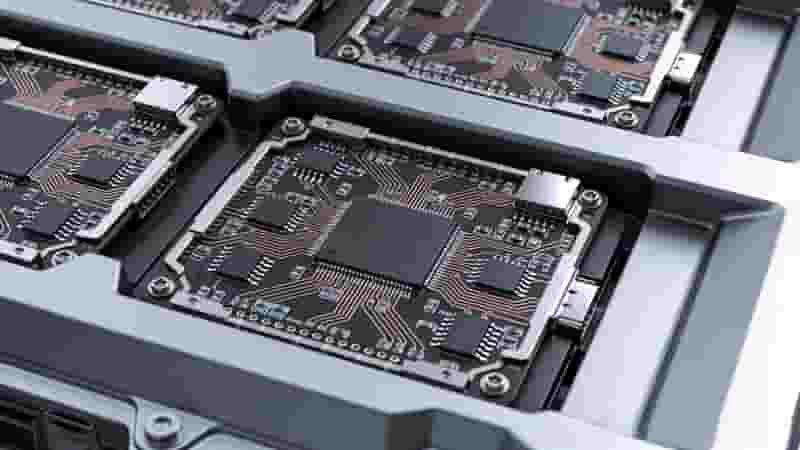
Key Features of Automotive PCBs
High Reliability
Built to resist mechanical stress and extreme temperatures with automotive-grade materials and components.
High Density
Supports vehicle electrification by packing complex circuits into compact spaces for modern electronic systems.
Strong Environmental Adaptability
Stable performance across wide temperature, humidity, and vibration ranges in real driving conditions.
Excellent EMI/EMC Performance
Optimized layout and stackup prevent electromagnetic interference, ensuring signal integrity and system safety.
High Temperature Resistance
Materials and components rated for engine compartment and under-hood high-temperature environments.
Main Applications of Automotive Printed Circuit Boards
Engine Control Systems
Automotive printed circuit boards manage fuel injection, ignition timing, emissions, and throttle control for efficient engine performance.
Infotainment & Instrument Systems
Support head units, navigation, rear-seat displays, and instrument clusters with stable video and connectivity functions.
Safety & ADAS Systems
Used in brake control, collision avoidance, surround view, blind spot detection, and other critical safety functions.
Electric & Hybrid Powertrains
Applied in high-voltage battery management, charging systems, inverters, and energy recovery modules.
Body Electronics
Control doors, seats, lighting, wipers, windows, mirrors, and sunroofs to improve comfort and convenience.
Autonomous Driving Systems
Process data from sensors, radars, and cameras to support intelligent driving control algorithms.
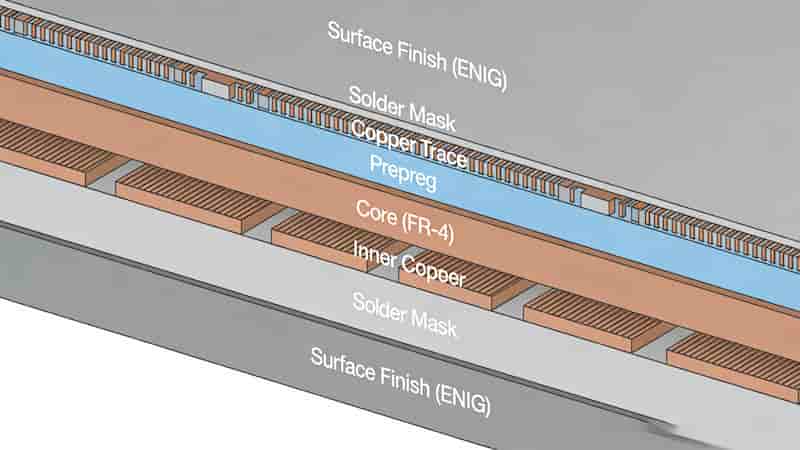
Types of Automotive PCBs
Ceramic PCBs
Use alumina or aluminum nitride substrates for high thermal conductivity and insulation, ideal for high-power automotive electronics.
HDI PCBs
Feature fine lines, microvias, and blind/buried vias for high component density in ECUs and infotainment.
High-Frequency PCBs
Use PTFE or ceramic materials for radar, wireless communication, and satellite connectivity with stable impedance.
Metal Core PCBs
Aluminum or copper bases improve heat dissipation for traction inverters, motor drives, and battery controls.
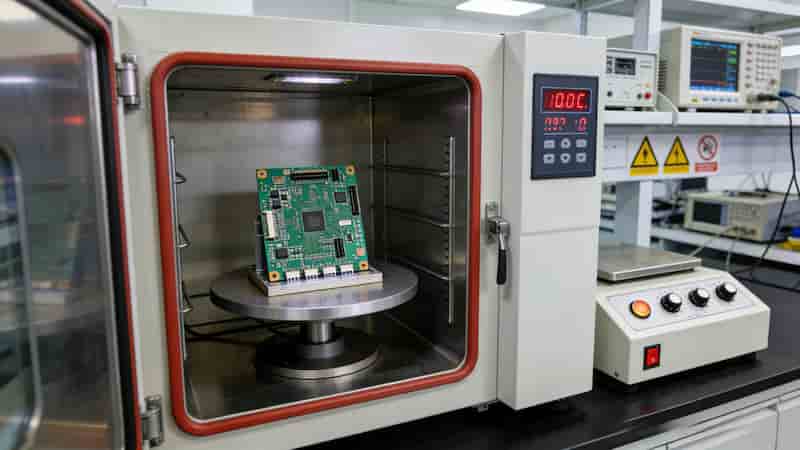
Key Design Considerations
Inductor Orientation: Reduce crosstalk with proper spacing and orthogonal alignment.
Trace Coupling: Optimize stackup and routing to limit noise for analog signals.
Grounding Vias: Minimize ground loop inductance and control temperature rise.
Ground Planes: Low-impedance design with full copper fill to suppress EMI.
Signal Integrity: Verify performance via IBIS modeling and routing optimization.
Thermal Analysis: Use FEA simulation, thermal vias, and heat dissipation structures.
Standards Compliance: Meet AEC-Q100, ISO 16750, CISPR 25, and ISO 11452 requirements.
Automotive PCB Standards & Compliance
- IPC-A-600G: Acceptability criteria for printed circuit boards
- IPC-6012: Quality specification for rigid and rigid-flex PCBs
- ISO 26262: Functional safety standard for automotive systems
- AEC-Q100 / AEC-Q200: Component stress test and qualification
- JESD22-A100: Environmental stress testing methods
- IEC 61508: General functional safety standard
- UL 94: Flammability rating for plastic materials
- RoHS: Restriction of hazardous substances
Automotive vs. Commercial PCBs Comparison
| Item | Automotive PCBs | Commercial PCBs |
|---|---|---|
| Environment | Extreme temp, vibration, humidity | Indoor stable environment |
| Reliability | Ultra-high, long lifespan | Standard level |
| Standards | ISO 26262, AEC-Q100, IATF 16949 | General IPC standards |
Why Choose Us as Your Automotive PCB Partner
Professional Expertise
Deep understanding of automotive printed circuit boards design, materials, and compliance to support your project from prototype to mass production.
Stable Supply Chain
Reliable material sourcing and inventory control to ensure on-time delivery and production stability.
Strict Quality Control
Full-process quality management and comprehensive testing to meet zero-defect automotive requirements.
Full-Service Capability
One-stop solution from PCB fabrication to assembly, supporting HDI, metal core, high-frequency, and rigid-flex boards.
Summary
Automotive printed circuit boards are essential for safe and reliable operation of modern vehicle electronics. With high reliability, density, environmental resistance, and full compliance with international standards, they support all key vehicle systems. We provide professional, high-quality automotive printed circuit boards solutions tailored to your automotive electronic projects.
Get Your Automotive PCB Solution Now
Contact us for custom design, prototype, or mass production of automotive printed circuit boards.
Request a free quote, send your Gerber files, or discuss your technical requirements — we are ready to support your global automotive projects.