Flexible PCBs (FPCBs) deliver compact, reliable, and high-performance interconnects for consumer electronics, medical, automotive, aerospace, and industrial systems. This guide covers 8 high-value use cases for global buyers, engineers, and OEMs.
Consumer Electronics & Wearables
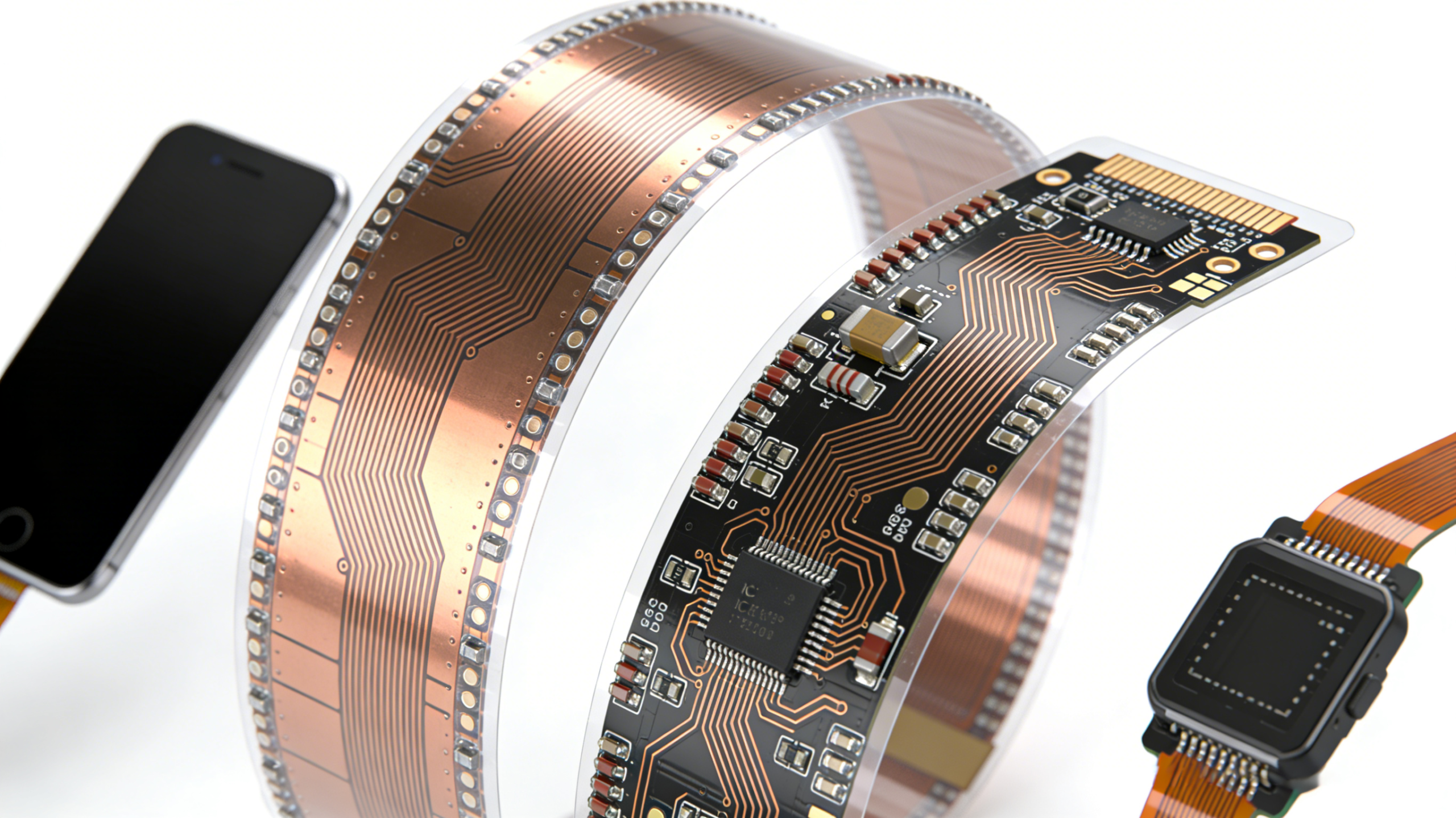
Flexible PCBs enable slim, foldable, and ergonomic designs in smartphones, foldable screens, smartwatches, and true wireless earbuds. They replace bulky rigid boards and cables, saving space and weight while supporting repeated bending.
Typical uses: display connectors, camera modules, antenna feeds, battery interfaces, and hinge circuits. Devices use 5–12 flexible PCBs to optimize internal layout and reliability.
Medical Devices & Implants
Medical electronics demand miniaturization, biocompatibility, and stability. Flexible PCBs are widely used in implantables, diagnostic tools, and wearable monitors due to thin profiles and reliable performance.
Key applications: pacemakers, hearing aids, endoscopic cameras, ECG patches, and continuous glucose monitors. Flex circuits conform to body contours and maintain signal integrity in long-term use.
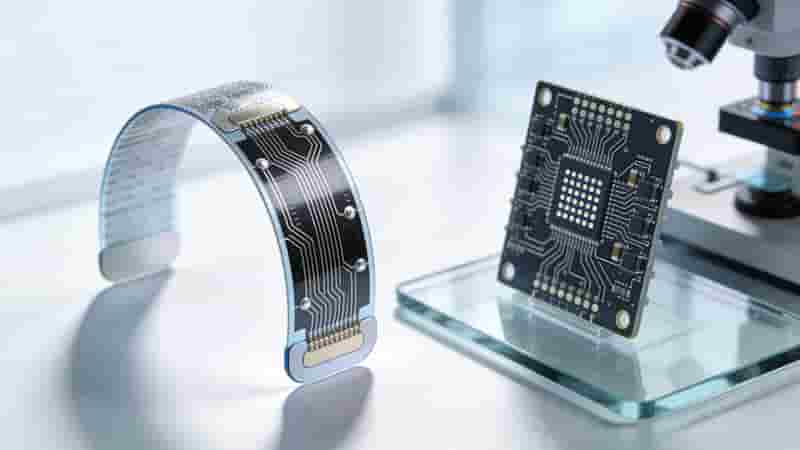
Automotive & EV Electronics
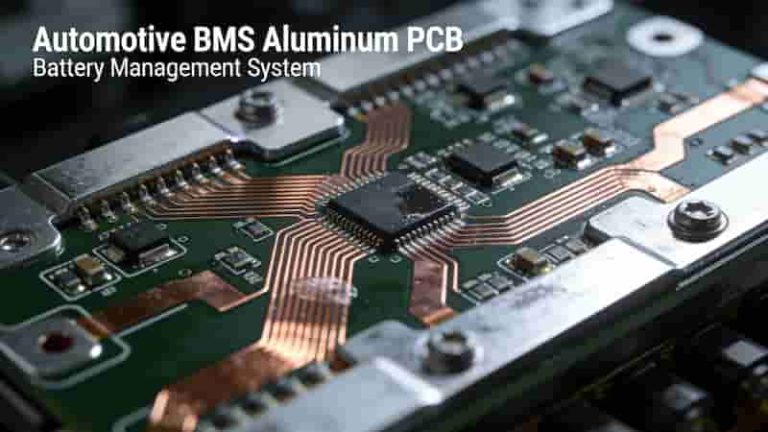
Vehicles require robust interconnects that resist vibration, heat, and mechanical stress. Flexible PCBs support ADAS, infotainment, lighting, seat controls, and EV battery management systems.
They operate reliably from –40°C to 125°C, reduce wiring complexity, and improve safety. EV BMS systems rely on flexible PCBs for stable cell monitoring and high-voltage isolation.
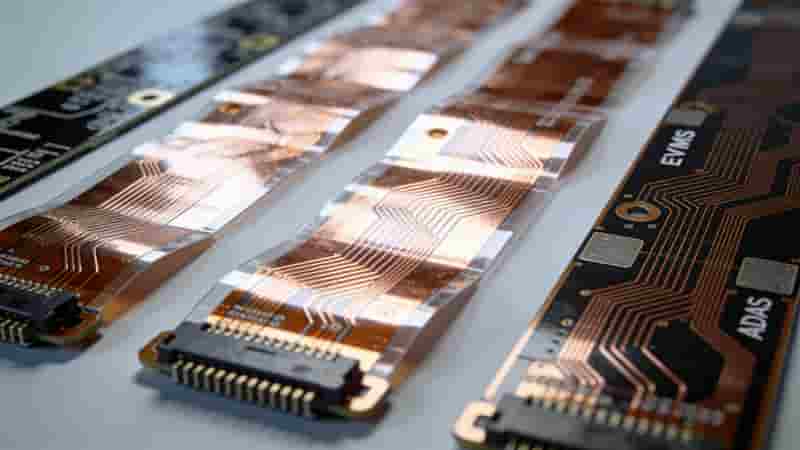
Aerospace & Defense
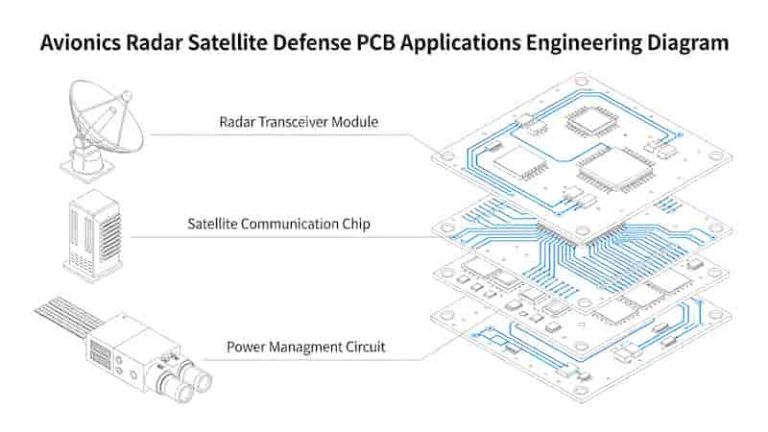
Aerospace systems need lightweight, rugged electronics for extreme environments. Flexible PCBs reduce weight while enduring vibration, shock, and radiation in satellites, avionics, and drones.
They are used in navigation modules, communication systems, and sensor arrays. Their high reliability lowers maintenance needs for long-duration missions.
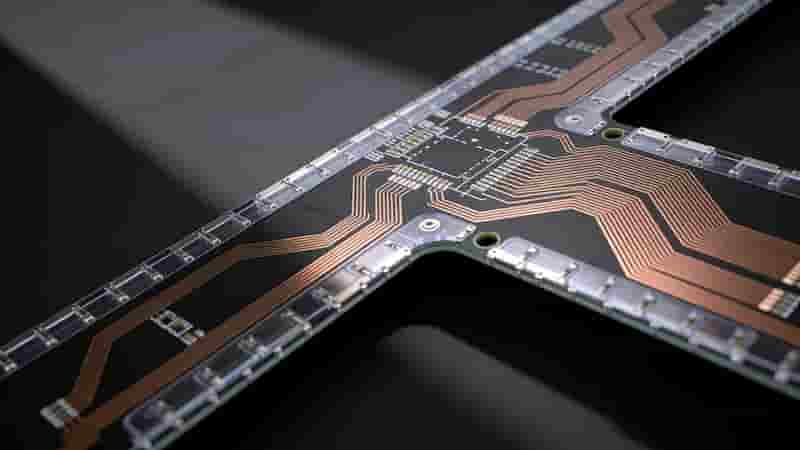
Industrial Automation & Robotics
Factory equipment and robots need durable circuits for dynamic motion and harsh conditions. Flexible PCBs connect sensors, actuators, and controllers in robotic arms and automated machinery.
They resist dust, moisture, and repeated flexing, ensuring stable operation in assembly lines, machine tools, and logistics systems.
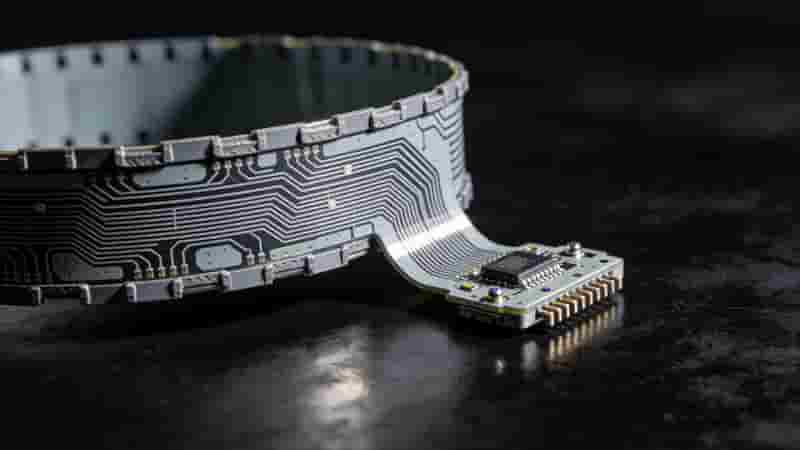
IoT & Smart Sensors
IoT devices require compact, low-power interconnects for remote monitoring. Flexible PCBs fit into small enclosures and support low-power sensors for smart homes, agriculture, and asset tracking.
They enable battery-powered, wireless nodes with stable signal transmission in constrained spaces.
Telecom & 5G Infrastructure
High-speed communication needs stable, low-loss circuits. Flexible PCBs support antennas, routers, base stations, and fiber-optic modules with controlled impedance and high-frequency performance.
They improve signal integrity for 5G and high-speed data transmission while saving space in compact equipment.
Renewable Energy Systems
Solar inverters, wind turbine sensors, and energy storage units use flexible PCBs for stable monitoring and control. They withstand temperature cycling and outdoor conditions while optimizing energy conversion.
Flex PCB vs Rigid PCB Comparison
| Feature | Flexible PCB | Rigid PCB |
|---|---|---|
| Shape & Flexibility | Bendable, 3D routing | Fixed, flat only |
| Space & Weight | Ultra-slim, lightweight | Bulkier, heavier |
| Durability | Resists vibration & bending | Stiff but brittle under stress |
| Best For | Compact, dynamic designs | Static, high-power systems |
Conclusion
Flexible PCBs are essential for modern electronics across industries. They deliver space savings, reliability, and design freedom for consumer, medical, automotive, aerospace, industrial, and energy applications.
We provide custom flexible PCBs, rigid-flex PCBs, and assembly solutions for global OEMs and industrial buyers. Our designs meet IPC standards, support rapid prototyping, and scale to mass production.
Need Custom Flexible PCBs?
Send your requirements for a free quote, drawing review, or prototype proposal. We support global export and full-turnkey SMT assembly.
Inquire Now
Request a Quote