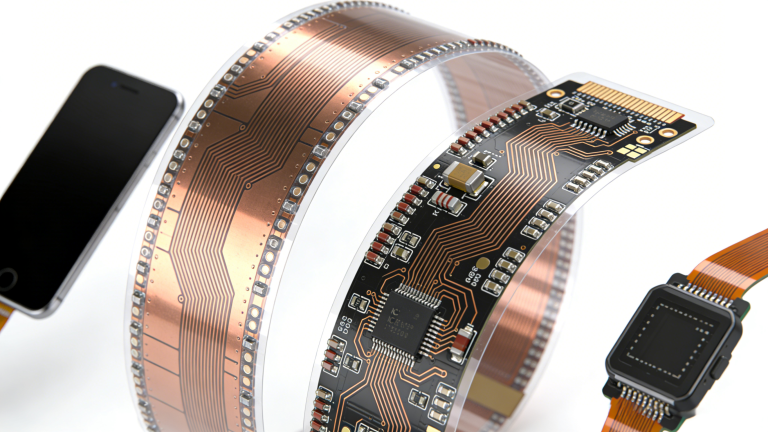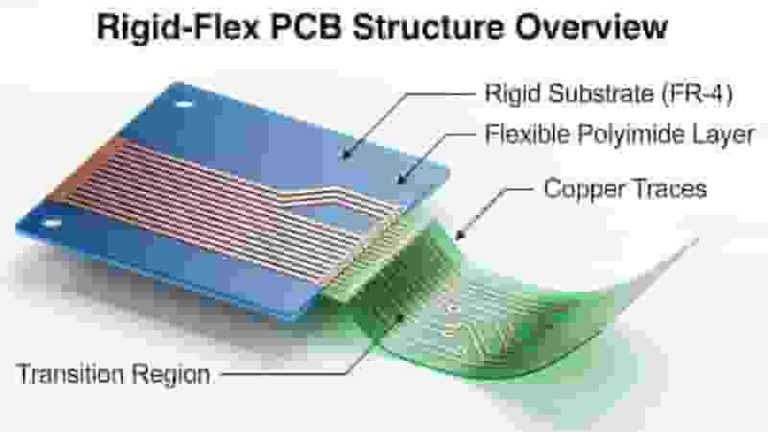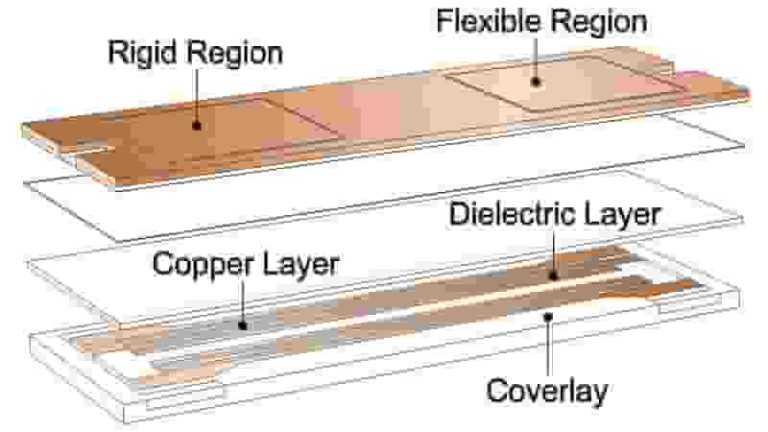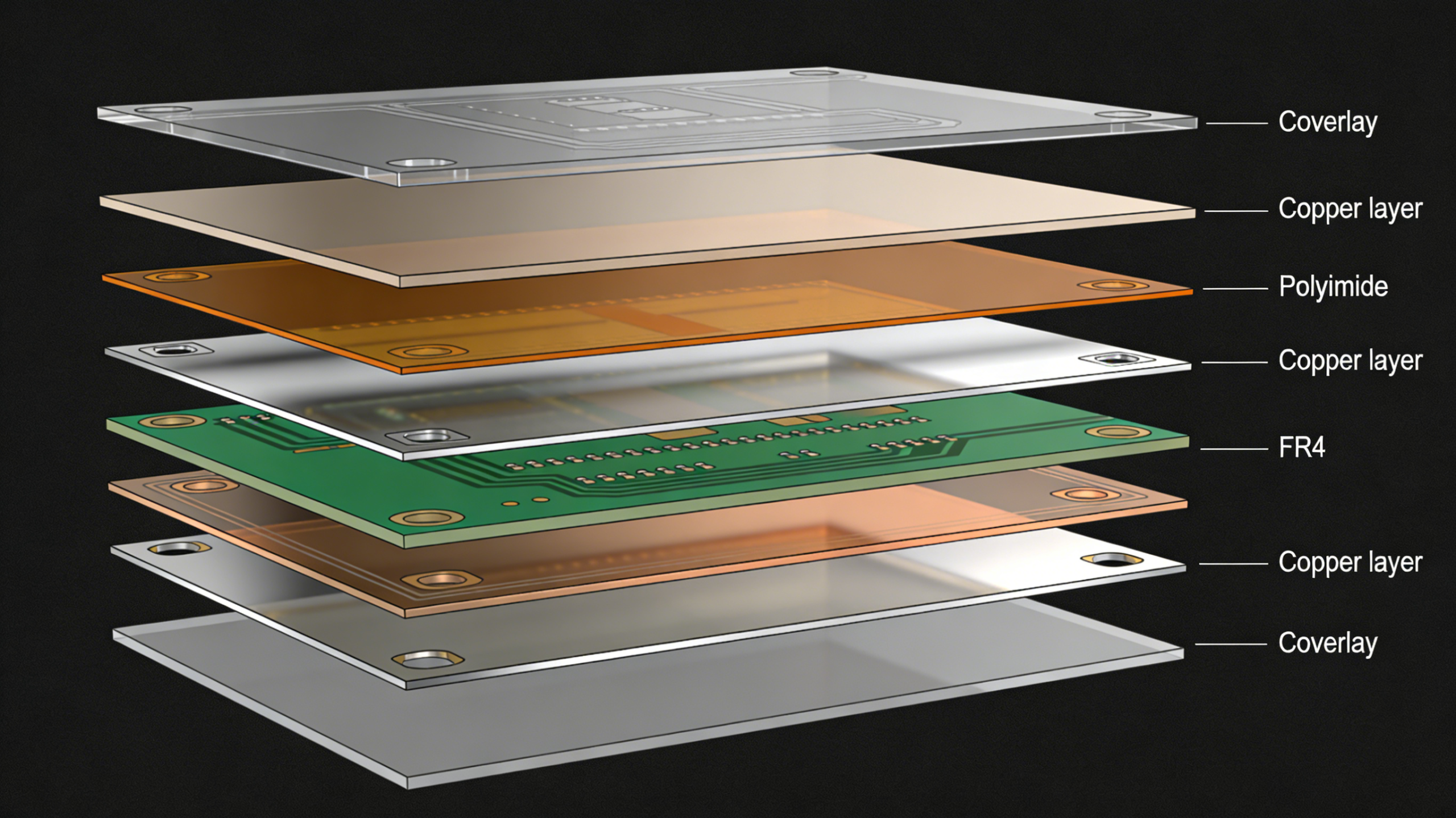
We are a leading China-based Rigid-Flex PCB manufacturer specializing in 1–12 layer rigid-flex PCB prototype, small-to-large volume fabrication, and full assembly with fast turnaround, free DFM check, and ISO/UL/RoHS certification.
Benefits of Rigid-Flex PCB
Rigid-Flex PCB integrates the stability of rigid boards with the flexibility of flex circuits, delivering superior performance for compact, high‑reliability electronic products.
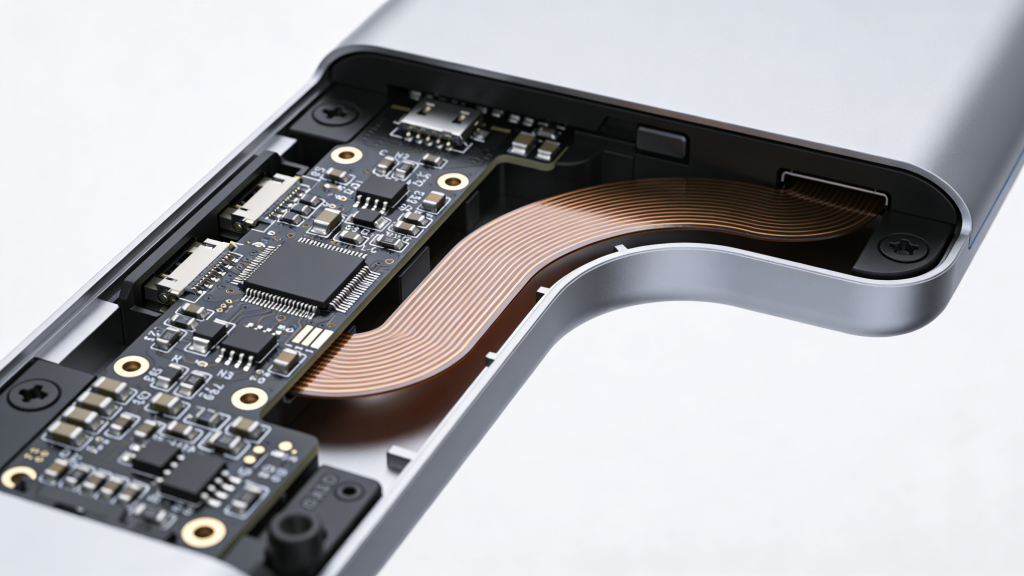
- Space Saving: Fits tight 3D spaces for wearables, medical & consumer devices.
- Fewer Interconnections: Reduces connectors, cables and BOM cost.
- Shock & Vibration Resistance: Ideal for automotive, aerospace & industrial use.
- Higher Reliability: Fewer failure points and longer service life.
- Simplified Assembly: One-board solution lowers production errors.
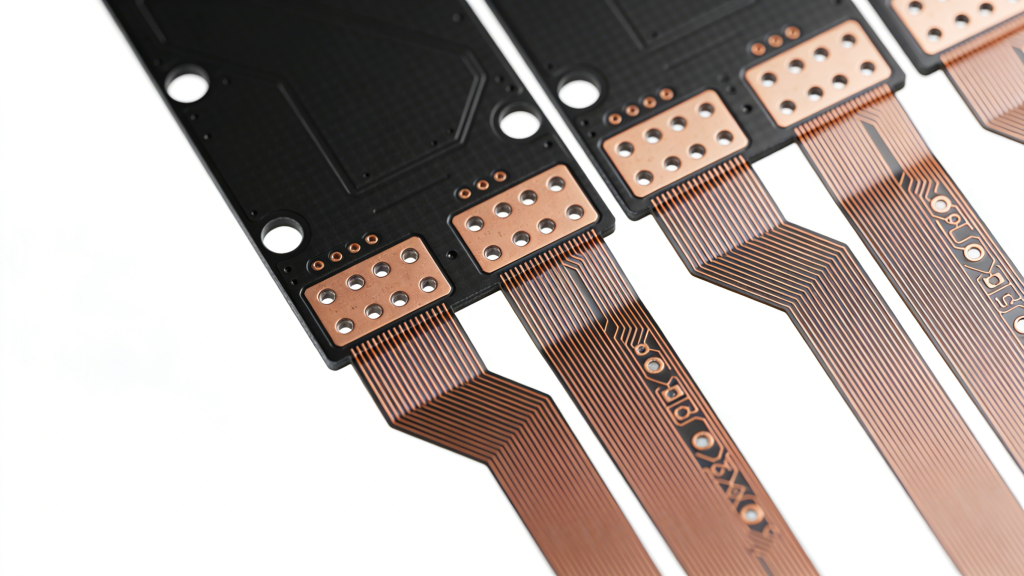
Why Choose Us for Rigid-Flex PCB Manufacturing
We are an experienced rigid-flex PCB manufacturer focused on high-density multilayer designs from quick-turn prototypes to volume production.
- Full Capability: 1–12 layer rigid-flex PCB fabrication with polyimide & FR4 materials.
- Free DFM Check: Professional design review to avoid manufacturing risks.
- No MOQ: Flexible prototype service with fast turnaround.
- One-Stop Assembly: In-house SMT, through-hole & full testing.
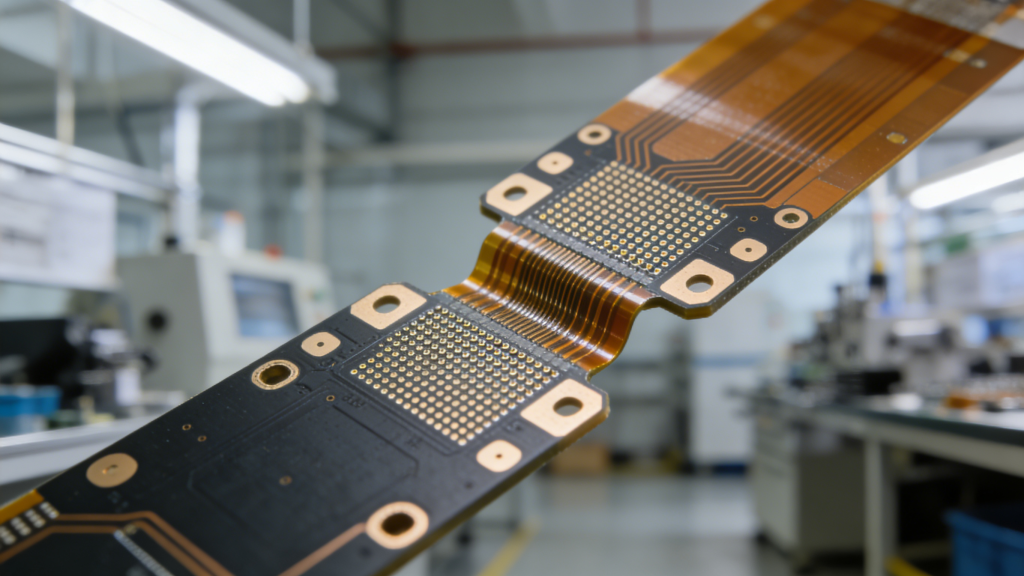
Rigid-Flex PCB Manufacturing Capabilities
| Capability | Specification |
|---|---|
| PCB Layers | 1–12 layer rigid-flex PCB |
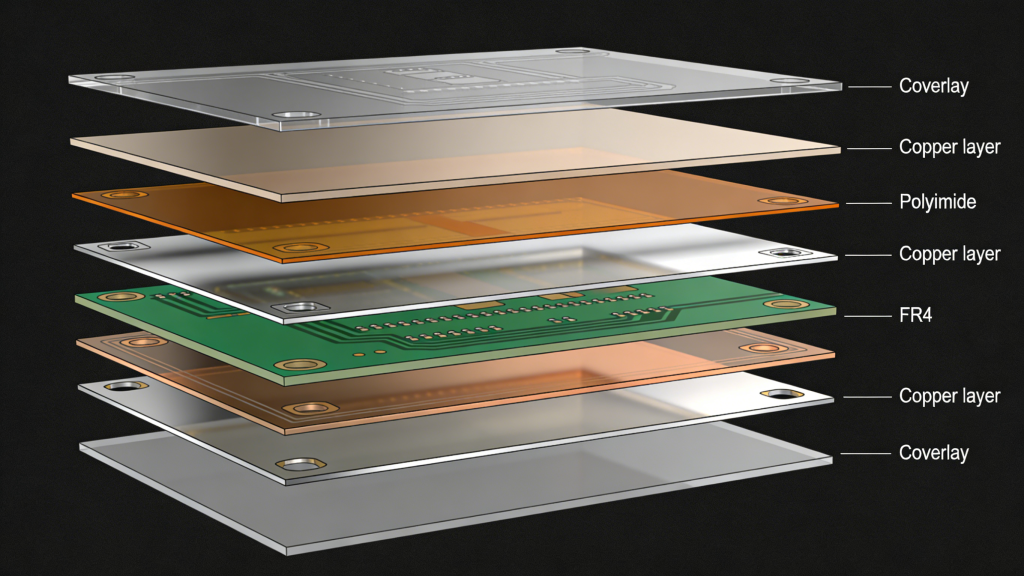
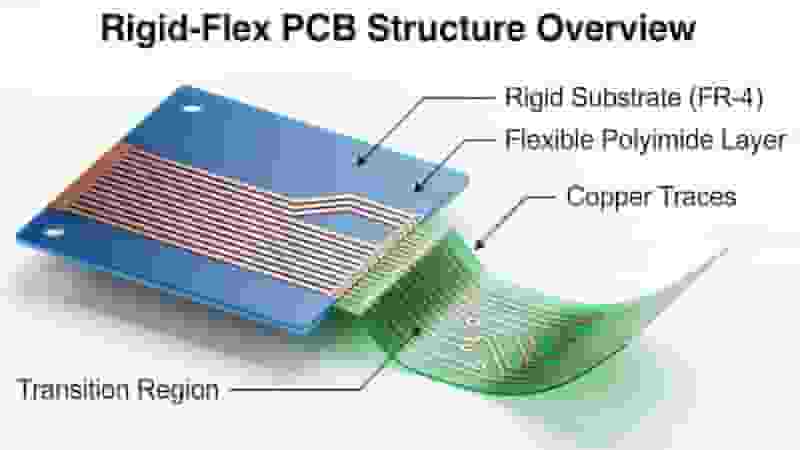
| Materials | Polyimide (flex), FR4 (rigid) |
| Min Trace/Space | 2.5 mil / 2.5 mil |
| Surface Finishes | OSP, HASL, ENIG, Immersion Tin/Silver |
| Special Features | Blind/buried vias, controlled impedance, stiffeners |
Rigid-Flex PCB Types We Provide
- Single-layer & Double-sided rigid-flex PCB
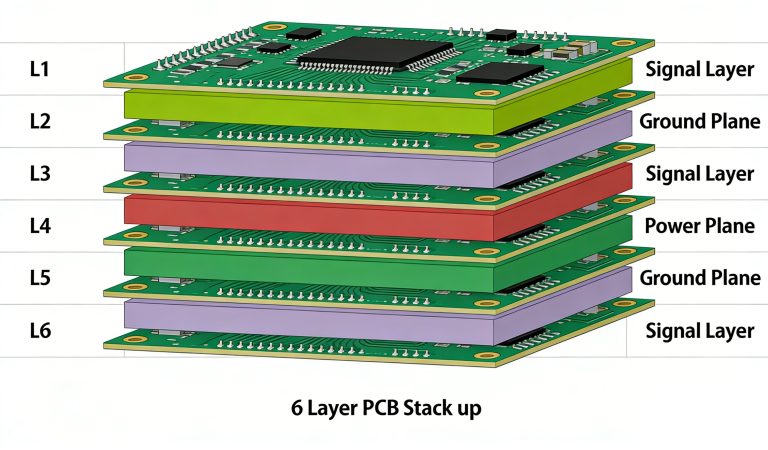
- 4–12 layer multilayer rigid-flex PCB
- HDI rigid-flex PCB with microvias & high-speed design
- Quick-turn rigid-flex PCB prototype service
- Rigid-Flex PCB assembly (SMT + through-hole)
Rigid-Flex PCB Industry Applications
Rigid-Flex PCB is widely used in high‑reliability markets requiring compact size and stable performance:
- Automotive electronics & control modules
- Medical devices & diagnostic equipment
- Aerospace, defense & avionics systems
- Industrial control, robotics & automation
- Consumer electronics, wearables & 5G devices
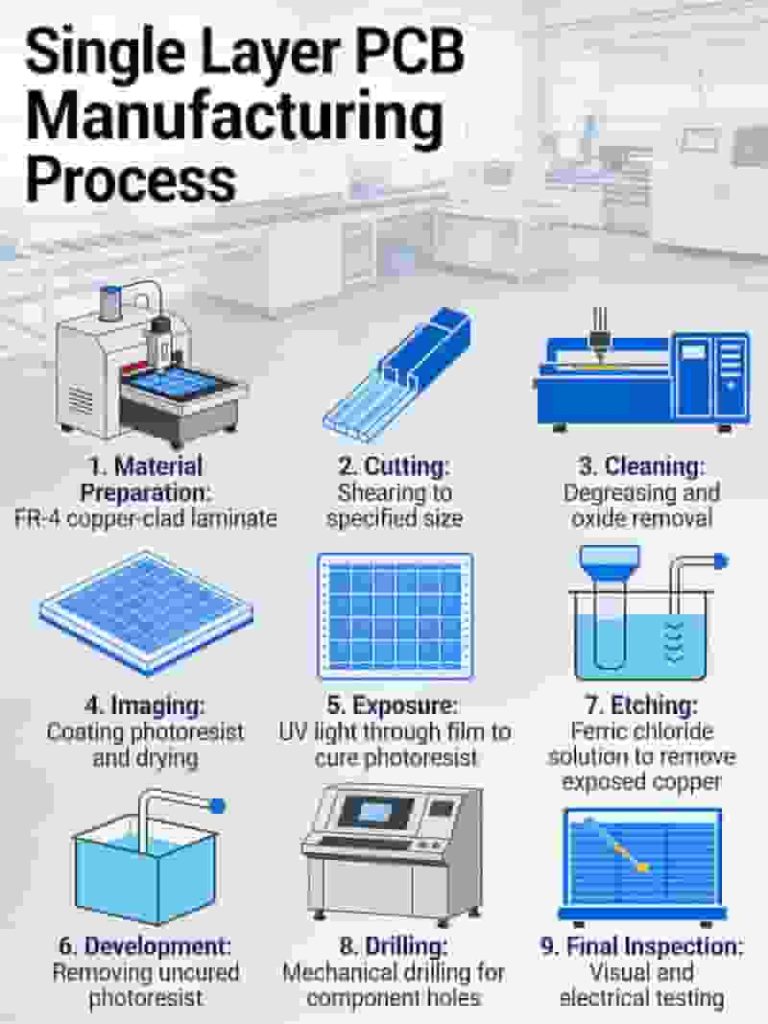
Rigid-Flex PCB Manufacturing Process
- Material selection & preparation (Polyimide + FR4)
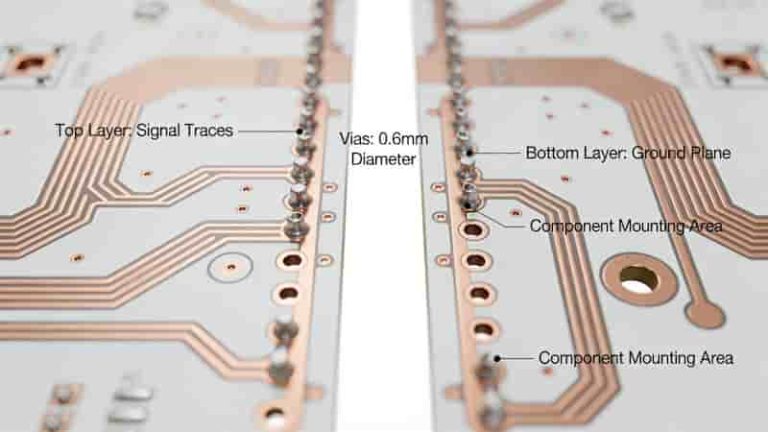
- Precision drilling & via formation (blind/buried vias)
- Copper plating & circuit imaging
- Etching & trace formation
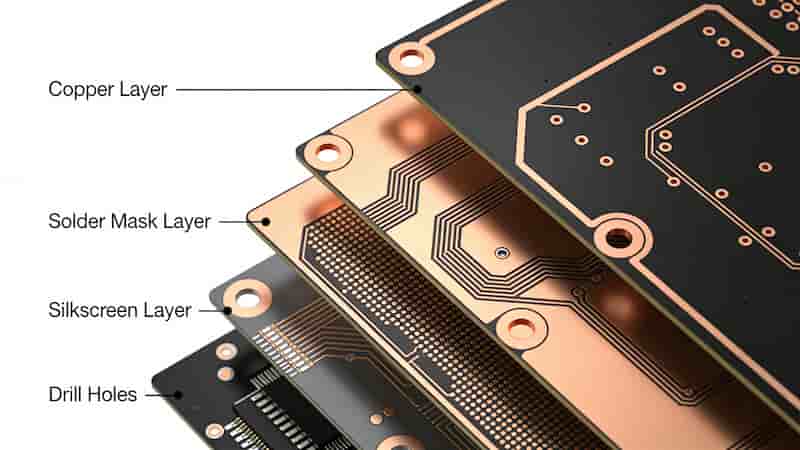
- Solder mask, coverlay & surface finish
- Electrical testing & final inspection
- Cleaning, anti-static packaging & shipment
Quality Assurance for Rigid-Flex PCB
- ISO 9001, UL, RoHS certified production
- Full electrical testing: flying probe, AOI, X-ray inspection
- Strict process control & full material traceability
- Consistent quality from prototype to mass production
Rigid-Flex PCB Design Guide
- Clearly define rigid-to-flex transition areas
- Select suitable materials & copper types
- Optimize stackup for impedance & flexibility
- Avoid stress in bend zones & keep vias away from flex areas
Summary
We are a trusted partner for Rigid-Flex PCB manufacturing and prototyping, supporting global buyers with high-quality, cost-effective, and reliable rigid-flex PCB solutions. From design to delivery, we ensure fast turnaround, full DFM support, and consistent quality for your critical projects.
Request Your Rigid-Flex PCB Quote Now
Get fast, accurate pricing and free DFM analysis for your rigid-flex PCB project.
Get Instant Quote
Upload Gerber for Free DFM Check
PCB SMT Stencil Fabrication Capabilities | Laser‑Cut Stainless Steel Solutions
How to Test a PCB for Short Circuit: Complete Professional Guide
Ultimate Guide to Rigid-Flex PCB Manufacturing: Process, Materials & Quality
PCB Manufacturer in South Africa | Local PCB Manufacturing & Export
PCB Design Guidelines for Manufacturing & IPC Compliance