Plated Through Holes (PTH) are essential conductive structures in printed circuit boards that ensure stable interlayer connections, reliable component mounting, and long‑term performance. This guide explains PTH basics, design rules, manufacturing, comparisons to NPTH, blind vias, buried vias, and best practices for industrial PCB applications.
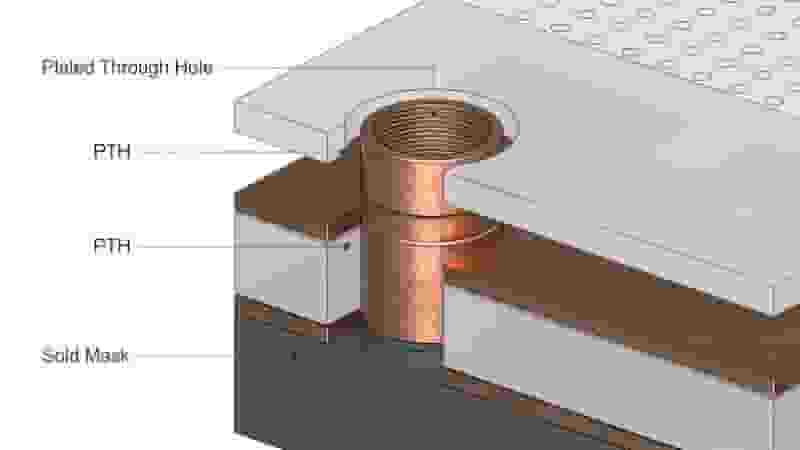
What Are Plated Through Holes (PTH)
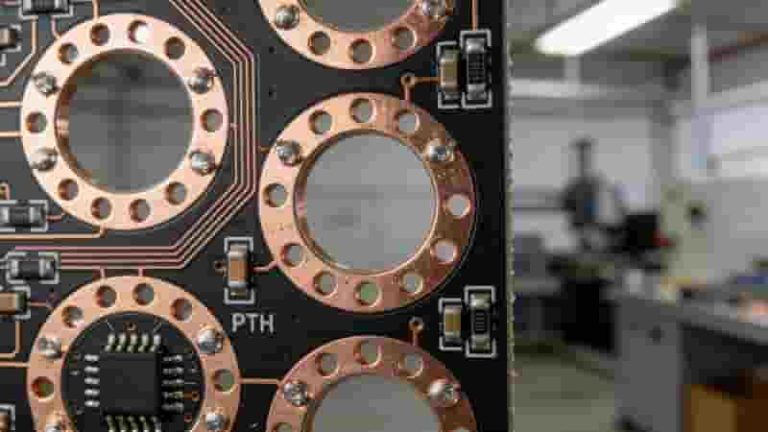
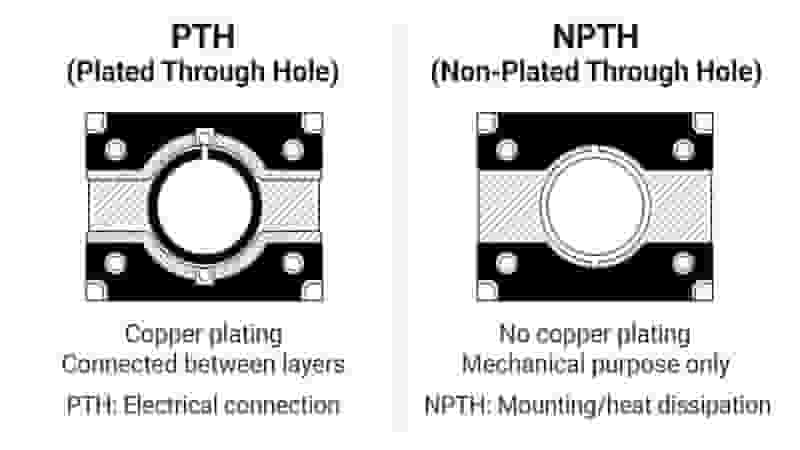
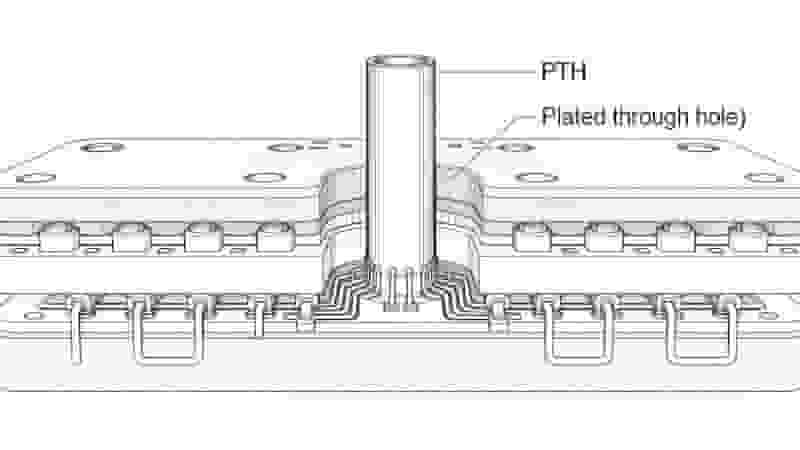
Plated Through Holes (PTH) are drilled holes in printed circuit boards with a conductive metal layer (usually copper) plated along the inner walls. These holes create permanent electrical connections between top, inner, and bottom layers of a PCB.
Unlike non‑plated holes, PTH provides continuous conductivity across the entire board thickness, making it essential for double‑sided and multilayer PCBs.
Key Benefits of PTH in PCBs
Reliable Interlayer Connectivity – PTH ensures stable signal transmission between layers even under vibration, temperature changes, and long‑term use.
Dual‑Sided Component Placement – Components can be mounted on both sides of the board, maximizing space efficiency for compact designs.
Strong Mechanical Stability – Plated walls strengthen hole structure and improve solder joint reliability for through‑hole components.
High Current & Thermal Performance – Thick copper plating supports higher current loads and better heat dissipation.
Critical PTH Design Considerations
Hole Size & Tolerance
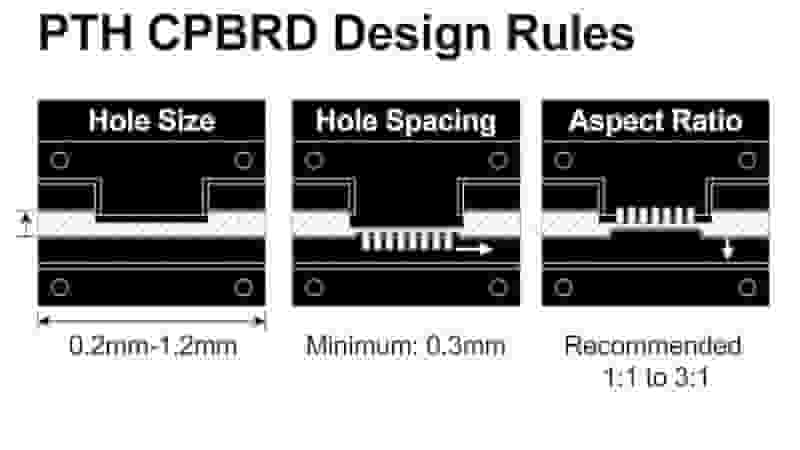
Hole diameter must match component lead size. Standard PTH sizes range from 0.2 mm to 1.2 mm. Too small prevents insertion; too large weakens reliability.
Hole Spacing & Clearance
Spacing between PTH should be at least twice the finished hole diameter to avoid short circuits and plating defects.
Aspect Ratio & Depth
Higher aspect ratios (depth vs diameter) increase manufacturing difficulty and cost. Optimize PTH depth based on layer function.
Plating Thickness
Standard copper plating thickness for PTH is 20–25 μm for reliable conductivity and structural strength.
PTH vs Non‑Plated Through Holes (NPTH)
| Feature | PTH | NPTH |
|---|---|---|
| Conductivity | Full interlayer connection | No conductive layer |
| Use Case | Multilayer & double‑sided PCB | Mounting only, no conduction |
| Reliability | High, industrial‑grade | Low, simple applications |
| Cost | Moderate | Lower |
Blind Vias, Buried Vias vs PTH
Blind Vias – Connect outer layer to inner layers but do not pass through the entire board. Save space and reduce drilling cost.
Buried Vias – Connect inner layers only, invisible from outside. Used in high‑density multilayer PCB.
PTH – Pass through full board thickness, simplest and most widely used for general interlayer connections.
Conclusion
Plated Through Holes (PTH) are foundational to reliable printed circuit board design. They deliver stable connectivity, mechanical strength, and design flexibility for industrial, automotive, medical, and consumer electronics.
By following proper design rules for size, spacing, and aspect ratio, you can maximize PTH performance while controlling production costs.
Need Professional PCB Manufacturing with PTH?
We specialize in high‑quality double‑sided and multilayer PCBs with precision PTH processing, strict quality control, and competitive pricing for global buyers.
Contact us for a free quote, design review, or custom PCB solution
Double Sided PCB Manufacturing: Process, Specifications & Custom Solutions
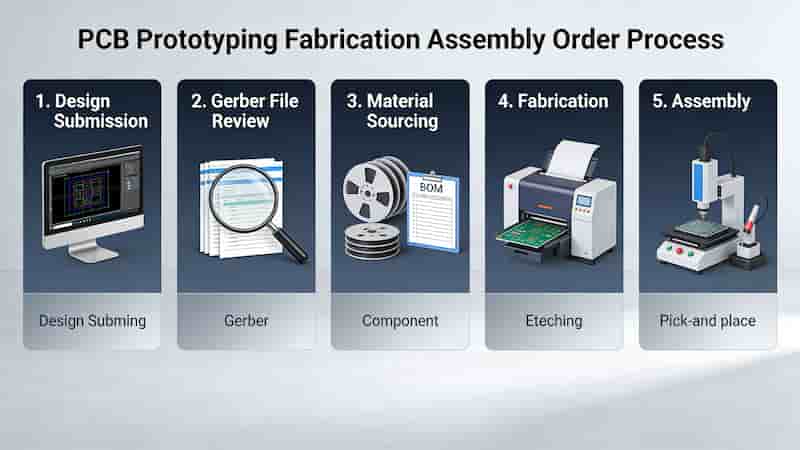
How to Order PCB Prototyping, Fabrication & Assembly Services in China
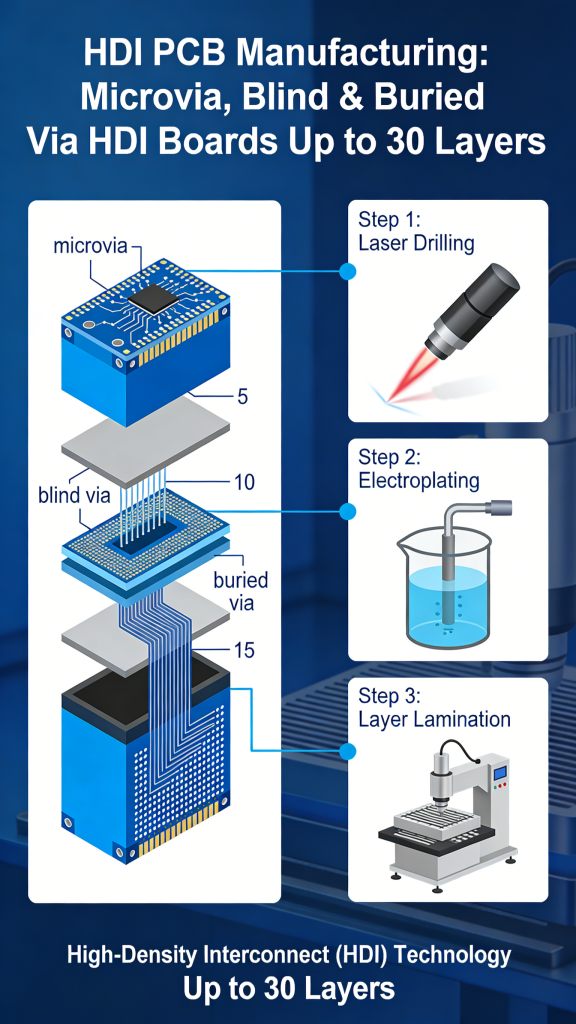
HDI PCB Manufacturing – Microvia, Blind & Buried Via HDI Boards up to 30 Layers
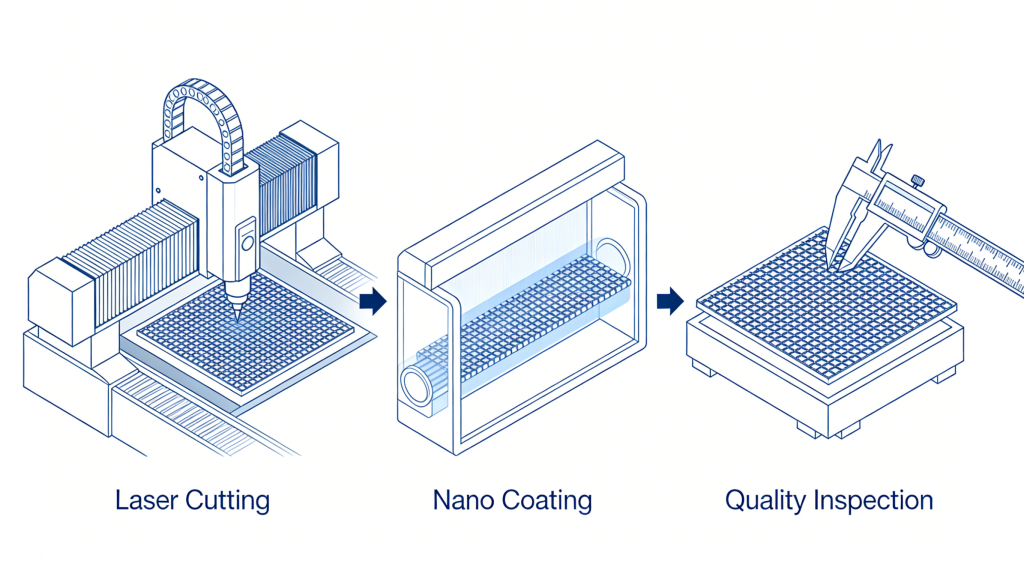
Nano-Coated PCB Stencil Manufacturing for Precision & Durability
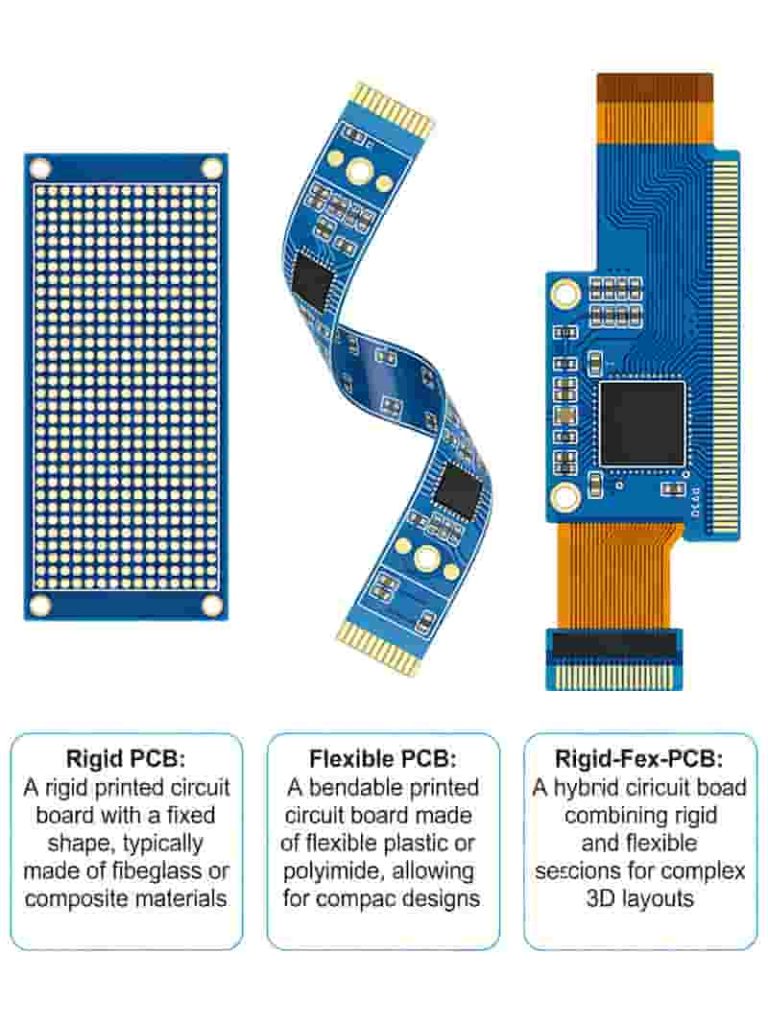
PCB Manufacturing Capabilities