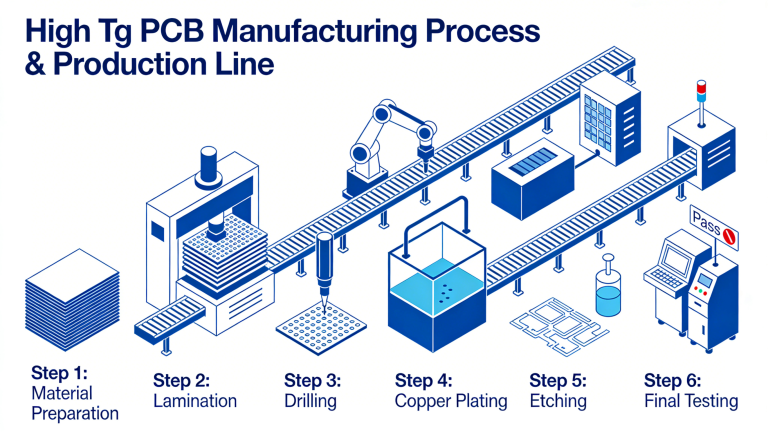
This professional guide covers the core initial stages of PCB manufacturing: Manufacturing Instruction (MI), material cutting, and precision drilling. Learn how industrial processes ensure accuracy, stability, and quality for reliable printed circuit boards.
Manufacturing Instruction (MI)
The Manufacturing Instruction (MI) is the most critical engineering document in PCB production. It converts Gerber and ODB++ files into standardized, repeatable manufacturing steps.
Our engineering team develops a complete MI file that defines layer structure, panel size, drill paths, material type, thickness, and quality standards. This document ensures every production step follows consistent rules.
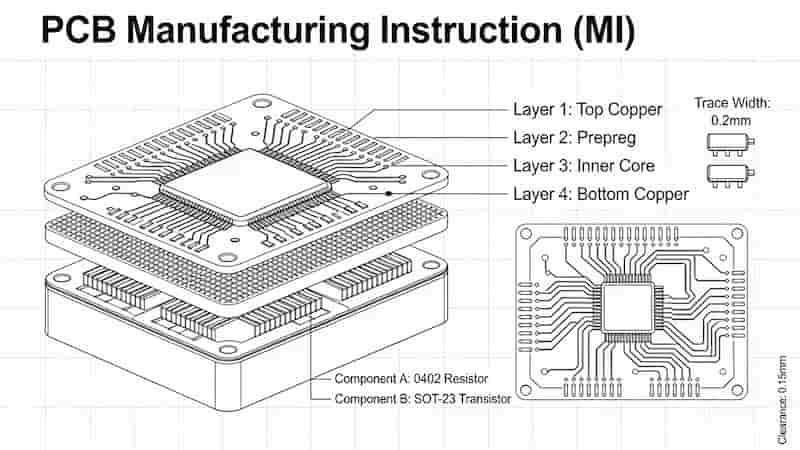
The MI file supports multi-project panelization to improve material utilization and lower unit cost while keeping high quality for global buyers.
PCB Material Cutting
Raw PCB copper clad laminates are supplied in large sheets: 49″×82″ and 49″×41″. These are automatically cut into standard production panels.
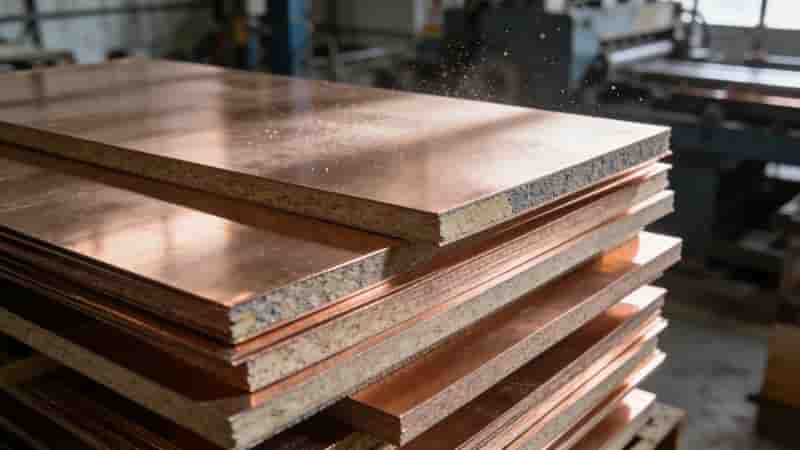
Common cut sizes include 690×620mm, 620×520mm, and 620×347mm. Thin materials use smaller panels to avoid warping; thick materials use larger formats for efficiency.
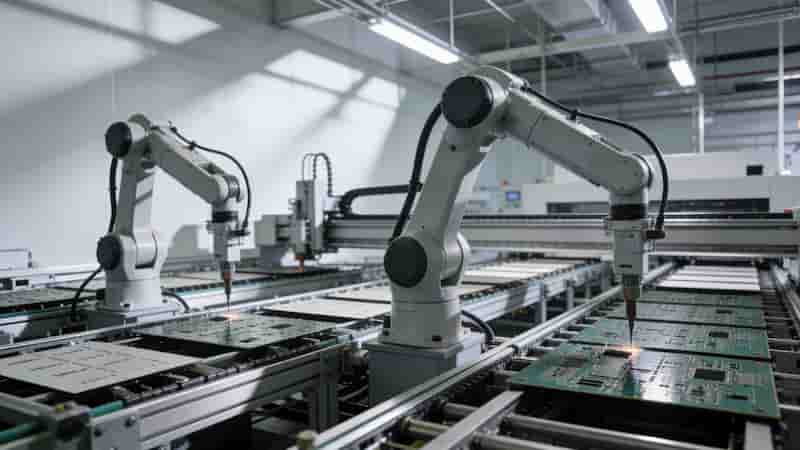
Automated lines cut and deburr edges to ensure safe handling, accurate alignment, and smooth downstream processing.
Pinning Before Drilling
Before drilling, panels are stacked with backing board to protect machinery and prevent bending. Pinning fixes layers to avoid shifting and misalignment.
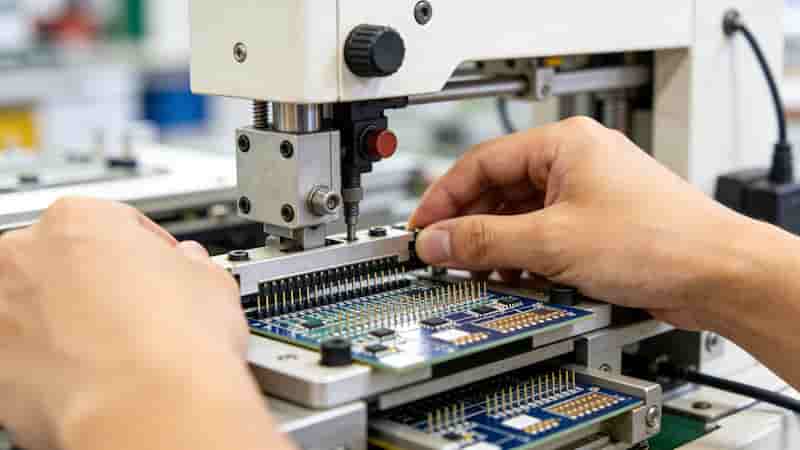
Proper pinning ensures high precision for vias, through holes, and mechanical holes in the following steps.
Precision PCB Drilling
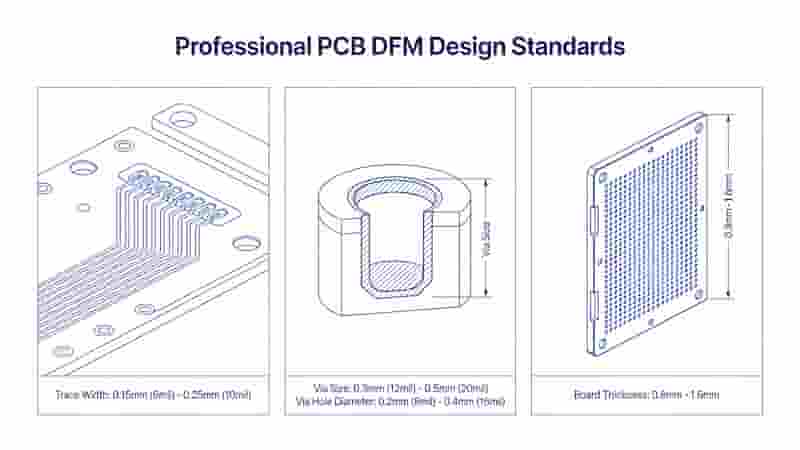
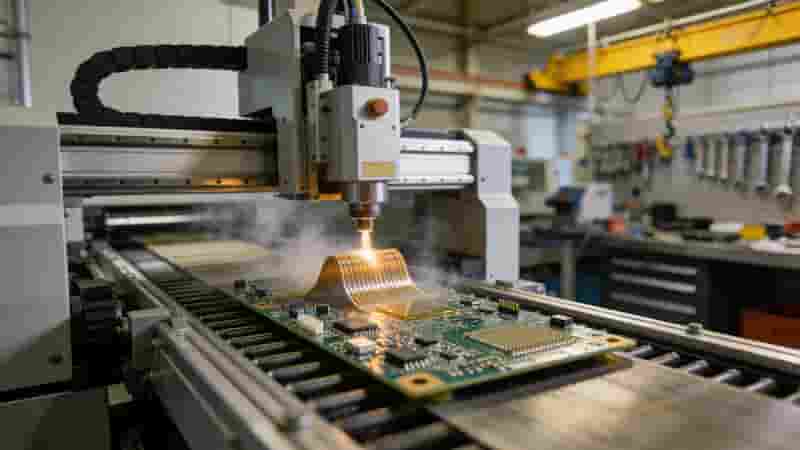
Drilling creates electrical vias, through holes, and mounting holes using high-speed CNC machines. MI parameters control exact position and tool selection.
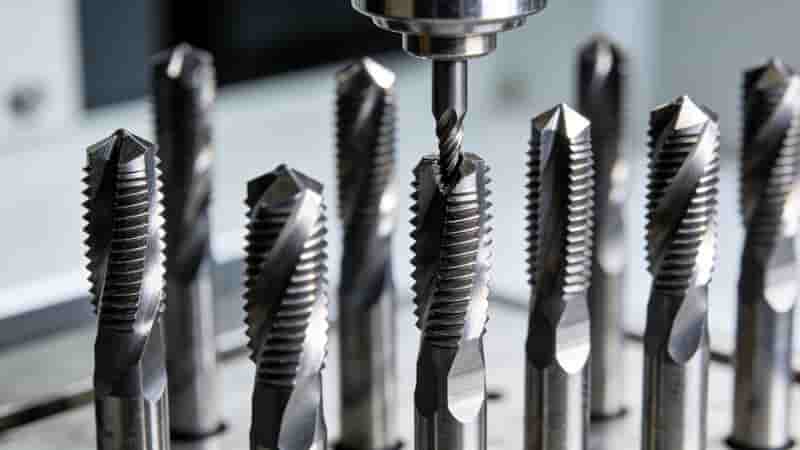
Drill bits range from 0.2mm to 3.0mm in 0.05mm steps. Laser detection checks bit condition before each operation. Bits are maintained at fixed hole counts to keep wall quality and accuracy.
Aluminum foil on top provides heat dissipation and stable drilling. After drilling, panels proceed to copper plating.
Process Quality Comparison
| Process | Purpose | Quality Benefit |
|---|---|---|
| MI | Standardize production rules | Consistent & stable quality |
| Cutting | Prepare correct panel size | No warpage, accurate fitting |
| Pinning | Fix layer alignment | High hole position accuracy |
| Drilling | Form vias & holes | Reliable conductivity & assembly |
Conclusion
MI, cutting, and drilling are the foundational steps of PCB manufacturing. Strict process control ensures dimensional accuracy, high yield, and reliable performance for industrial and commercial applications.
Professional engineering and automated equipment deliver consistent quality that global buyers and engineers trust.
Get Your Custom PCB Solution
Request free DFM check, precise drilling, fast lead time, and reliable PCB manufacturing for your export projects.
Get Free Quote
What is the Difference Between PTH and Via in PCBs?
How to Choose a Reliable PCB Manufacturer in Europe: Complete Guide for Industrial Buyers
Rigid-Flex PCB Stackup: Professional Design & Manufacturing Guide
Single-Sided Flexible PCB Design Guide: Bending Radius, Trace Routing and Stiffeners
Selective Wave Soldering Guidelines: Process, Parameters & Best Practices for PCB Assembly