PCB soldering is the foundation of reliable electronics assembly. This professional guide covers proven methods for how to solder on PCB, including hand soldering, wave soldering, reflow soldering, and selective soldering, with industrial best practices to eliminate defects and ensure long-term performance for industrial, automotive, and aerospace applications.
What is PCB Soldering? A Foundation for Reliability
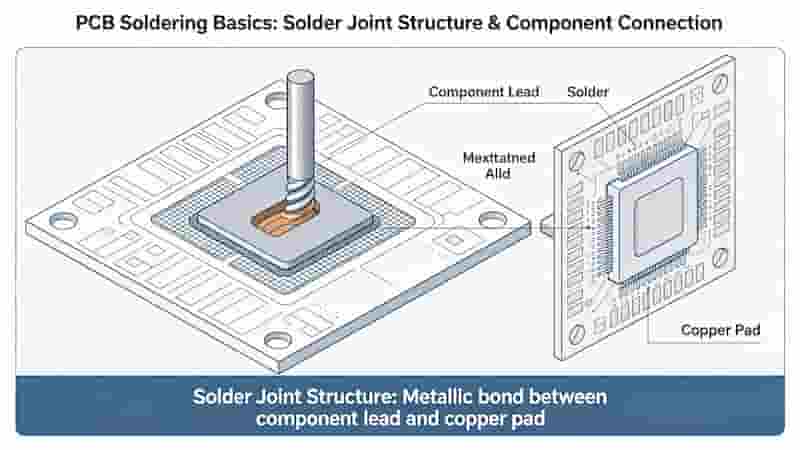
PCB soldering is the metallurgical process of bonding electronic components to a printed circuit board using a molten solder alloy that forms a permanent mechanical and electrical connection. It transforms a bare PCB into a functional circuit assembly.
Modern PCB assembly primarily uses lead-free solder alloys (such as SAC – Tin-Silver-Copper) to comply with global RoHS environmental standards while maintaining high joint reliability.
Key Techniques on How to Solder on PCB
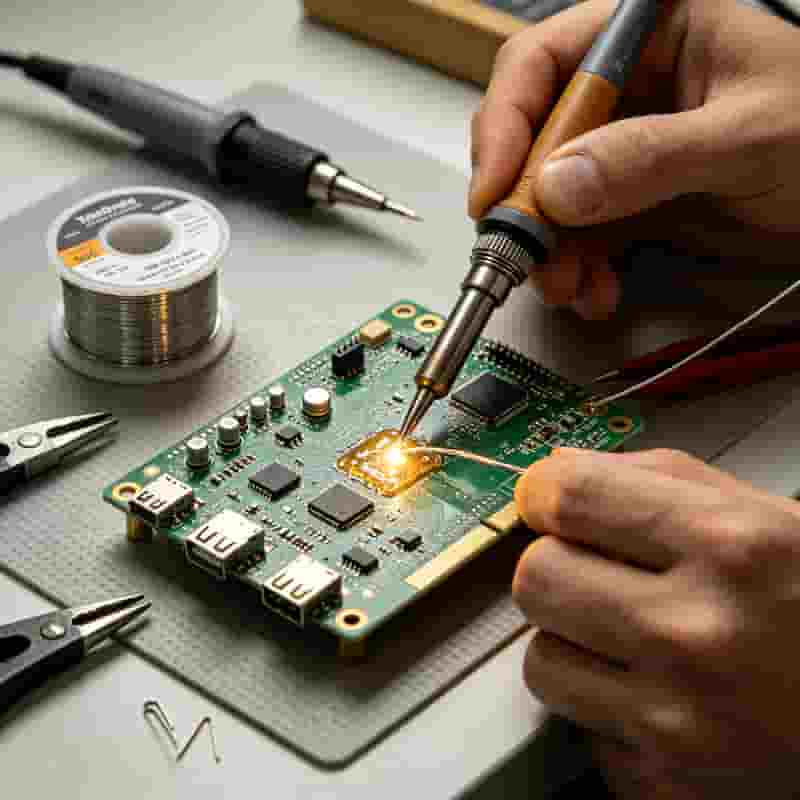
1. Hand Soldering
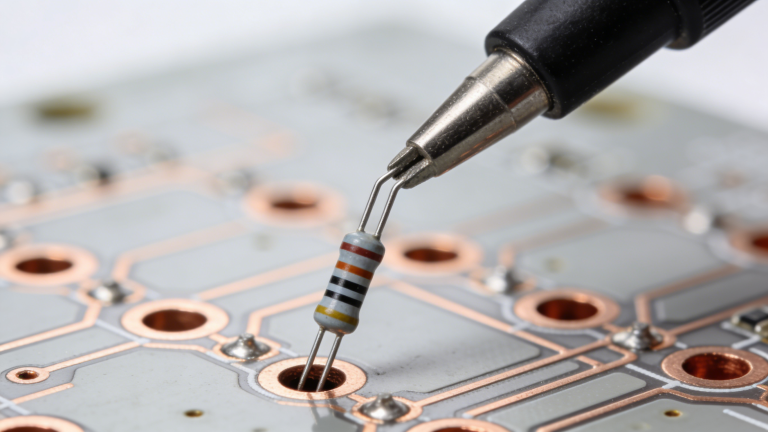
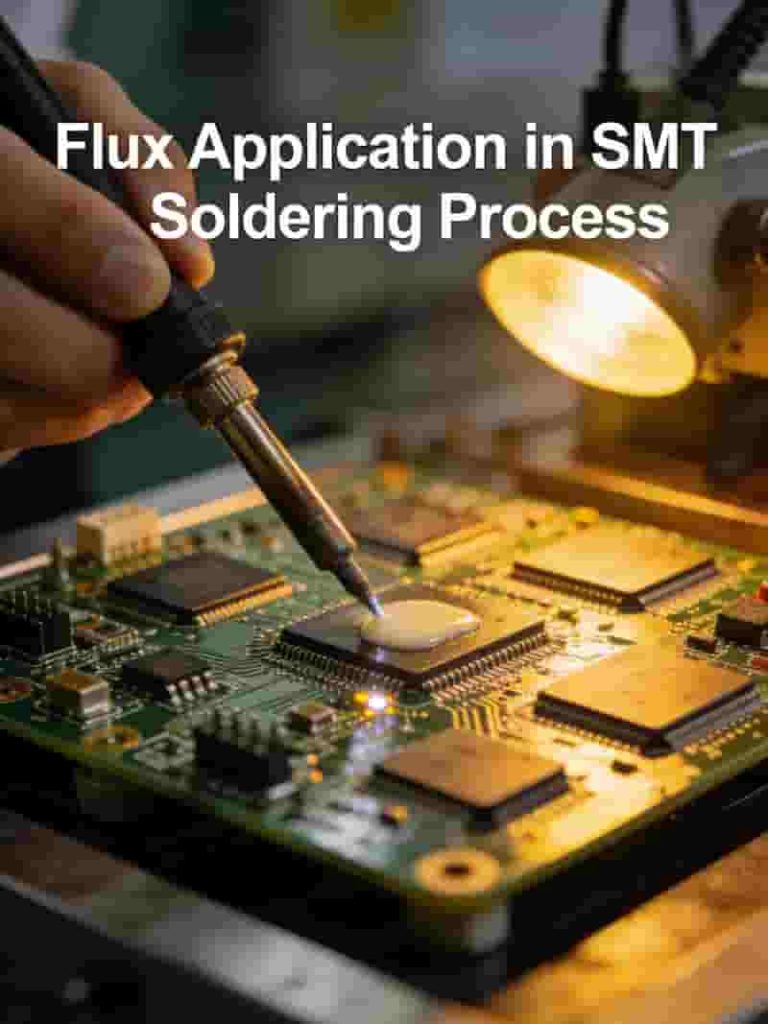
Hand soldering is ideal for prototyping, repairs, and low-volume PCB assembly. It uses a temperature-controlled soldering iron to form precise joints manually.
- Clean surfaces and apply flux for better wetting
- Heat the pad and component lead evenly
- Apply solder to form a shiny, concave fillet
- Avoid overheating to prevent pad damage
2. Wave Soldering
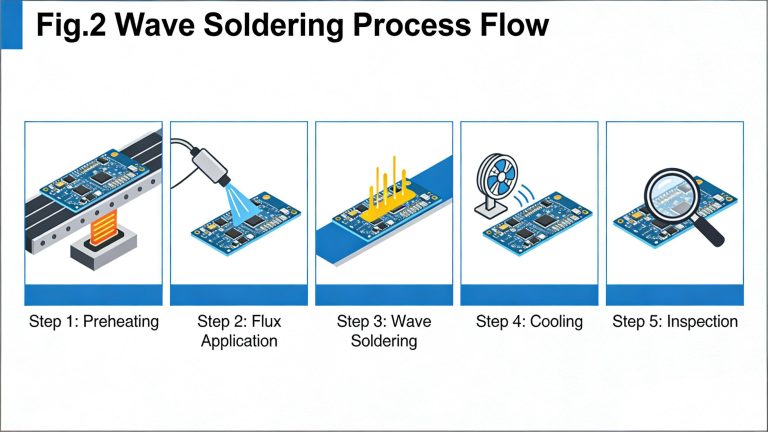
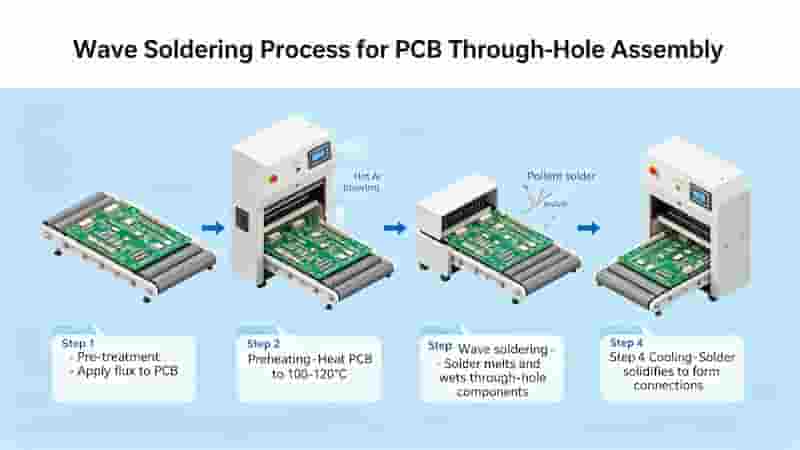
Wave soldering is an automated process for through-hole components, where the PCB passes over a molten solder wave to create consistent joints.
- Flux application prevents oxidation
- Preheating avoids thermal shock
- Solder wave forms reliable through-hole connections
- Controlled cooling stabilizes joints
3. Reflow Soldering
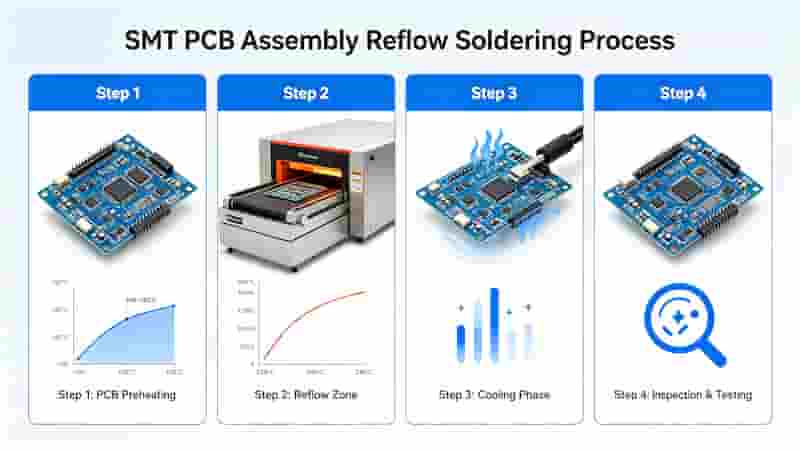
Reflow soldering is the industry standard for SMT PCB assembly, using solder paste and thermal profiling to attach surface-mount components.
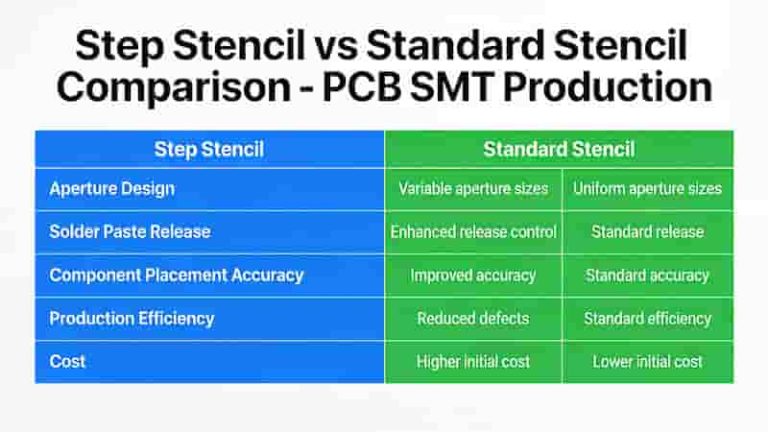
- Solder paste printing via precision stencils
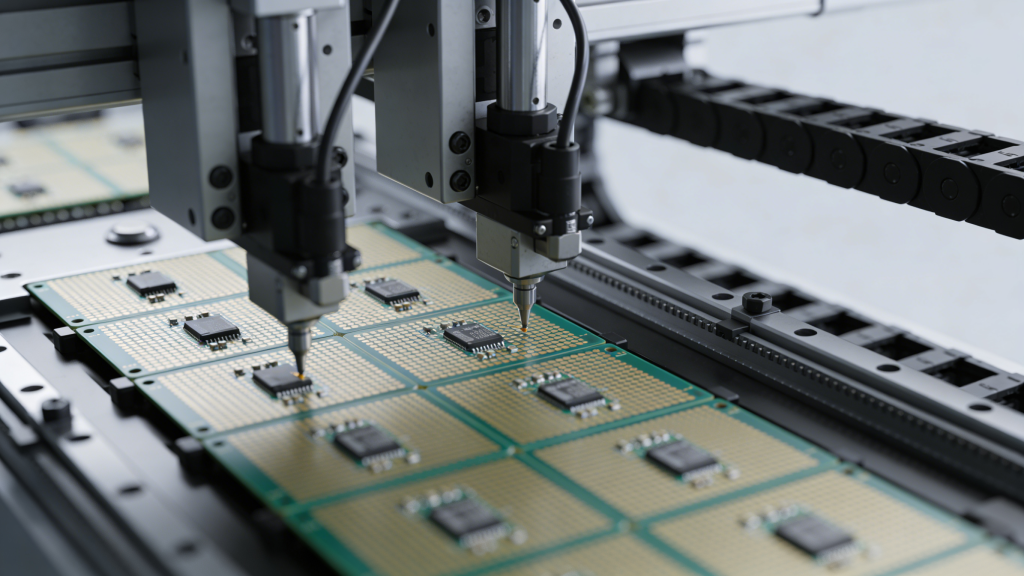
- Component placement by pick-and-place machines
- Controlled reflow oven thermal profiling
- Cooling to form stable SMT joints
4. Selective Soldering
Selective soldering targets specific areas on mixed-technology PCBs, protecting sensitive SMT components while soldering through-hole parts.
- Programmable precision for complex boards
- Minimizes thermal stress to components
- Ideal for connectors and high-profile parts
| Soldering Method | Best For | Advantages |
|---|---|---|
| Hand Soldering | Prototypes, Repairs | Low cost, flexible |
| Wave Soldering | Through-hole PCBs | High throughput |
| Reflow Soldering | SMT / High-density boards | Precise, scalable |
| Selective Soldering | Mixed-technology PCBs | Targeted, low stress |
Critical Considerations for SMT PCB Soldering
High-quality how to solder on PCB for SMT requires strict control over these factors:
- Solder pad design (NSMD preferred for alignment)
- Solder paste type, particle size, and flux chemistry
- Precise thermal profiling (1-3°C/sec ramp rate)
- Stencil thickness and aperture optimization
- ESD protection for sensitive components
PCB Soldering Rework: Step-by-Step Industrial Guide
- Preheat PCB to remove moisture and reduce stress
- Use hot air to melt existing solder joints
- Clean pads with desoldering braid
- Apply fresh solder paste and reflow
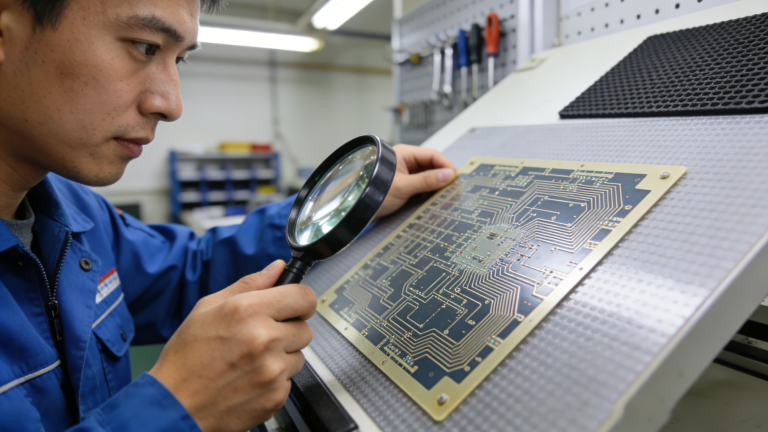
- Inspect with magnification or AOI
Common Mistakes to Avoid in PCB Soldering
- Overheating: Causes lifted pads and component damage
- Insufficient Flux: Leads to cold joints and poor wetting
- Bad Thermal Profiling: Creates tombstones, bridges, and voids
- Poor Cleaning: Flux residue causes corrosion and leakage
Conclusion
Mastering how to solder on PCB ensures robust, reliable, and long-lasting electronic assemblies. From manual hand soldering to automated SMT processes, following industrial best practices eliminates defects and improves production yield.
Need Professional PCB Assembly & Soldering Services?
We provide high-quality PCB soldering, SMT assembly, and turnkey manufacturing for industrial, automotive, and aerospace applications. Contact us for a free quote or technical support today.
Inquire Now & Get Your Quote
High Volume PCB Assembly Services
Why PCB Prototyping Is Essential for Reliable Mass Production
Essential Materials for Surface Mount Technology: A Comprehensive Guide
What Is the Difference Between PCB and PCBA? A Complete Guide for Industrial Buyers
PCB Vias Explained: Through, Blind, and Buried Holes