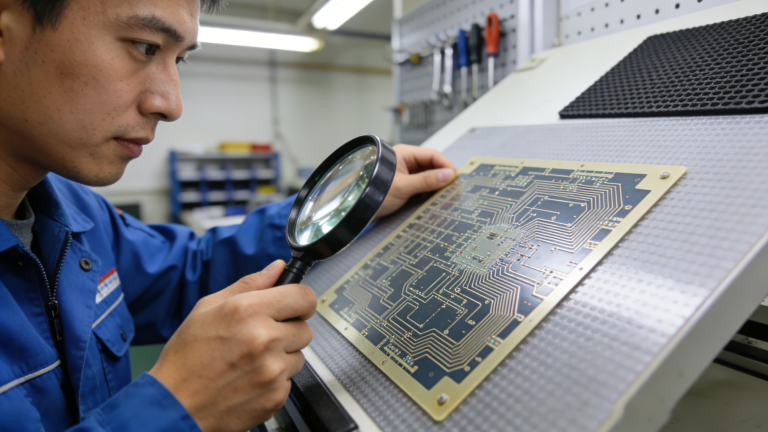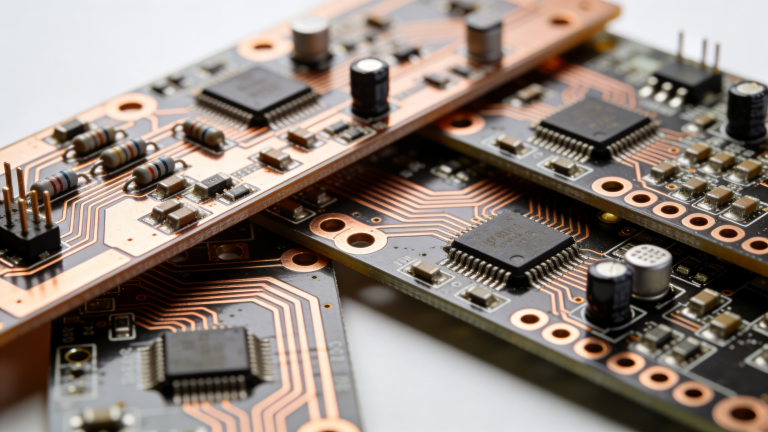
Soldering is the process of joining metal components using melted solder, which has a lower melting point than base metals. It is the core connection technology in the electronics industry and the most important step in PCB assembly. PCB soldering refers to the process of fixing electronic parts onto a printed circuit board. It is a basic and essential skill for electronic manufacturing, engineering, and circuit design.
There are three main types of industrial PCB soldering: Selective Soldering, Wave Soldering, and Reflow Soldering. Each method has unique working principles, applications, advantages, and limitations. Choosing the right soldering process directly affects product quality, production cost, yield rate, and reliability.
What is Selective Soldering?
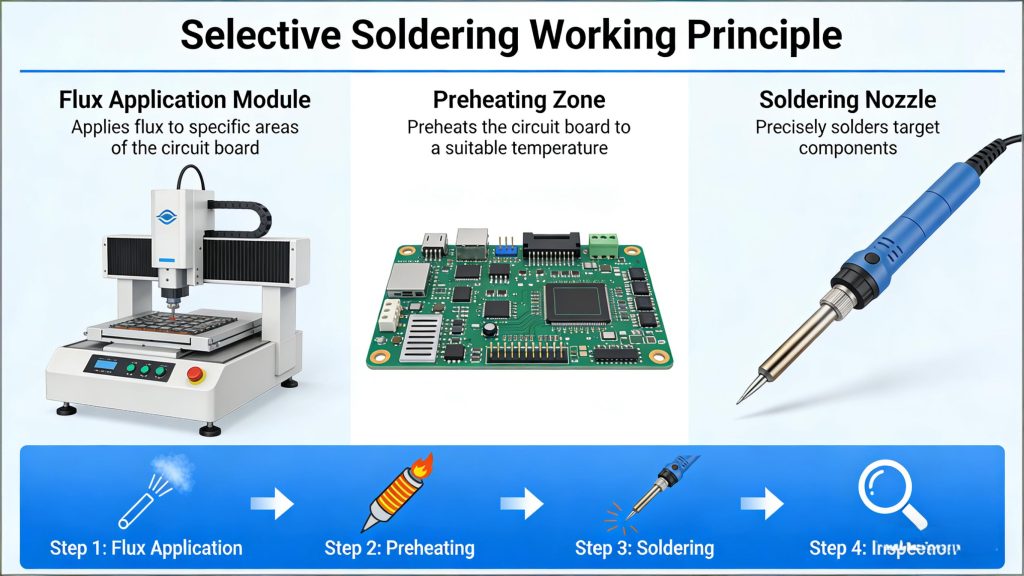
Selective soldering is a precision soldering process that solders only targeted areas on a PCB, rather than the entire board. It uses a programmed nozzle to apply flux and molten solder only to specific pins or joints, protecting heat‑sensitive components.
Selective Soldering Process
- Flux Coating: Flux is sprayed precisely on required pads to prevent oxidation.
- Preheating: The board is heated gently to activate flux and reduce thermal stress.
- Drag Soldering or Dip Soldering: A small solder wave solders pins one by one or in a row.
- Cooling: Solder solidifies to form stable, high‑quality joints.
Advantages & Disadvantages
✅ High precision for mixed SMT+THT boards
✅ Low thermal impact on heat‑sensitive parts
✅ No need for full‑board masking
✅ Stable and consistent solder joints
❌ Slower speed
❌ Higher setup complexity
❌ Less ideal for high‑volume mass production
When to Use Selective Soldering
- Dense PCBs with tall or closely arranged components
- Thick boards or large multi‑pin connectors
- Mixed assembly with SMD and through‑hole parts
- Products requiring high reliability and low defect rate
What is Wave Soldering?
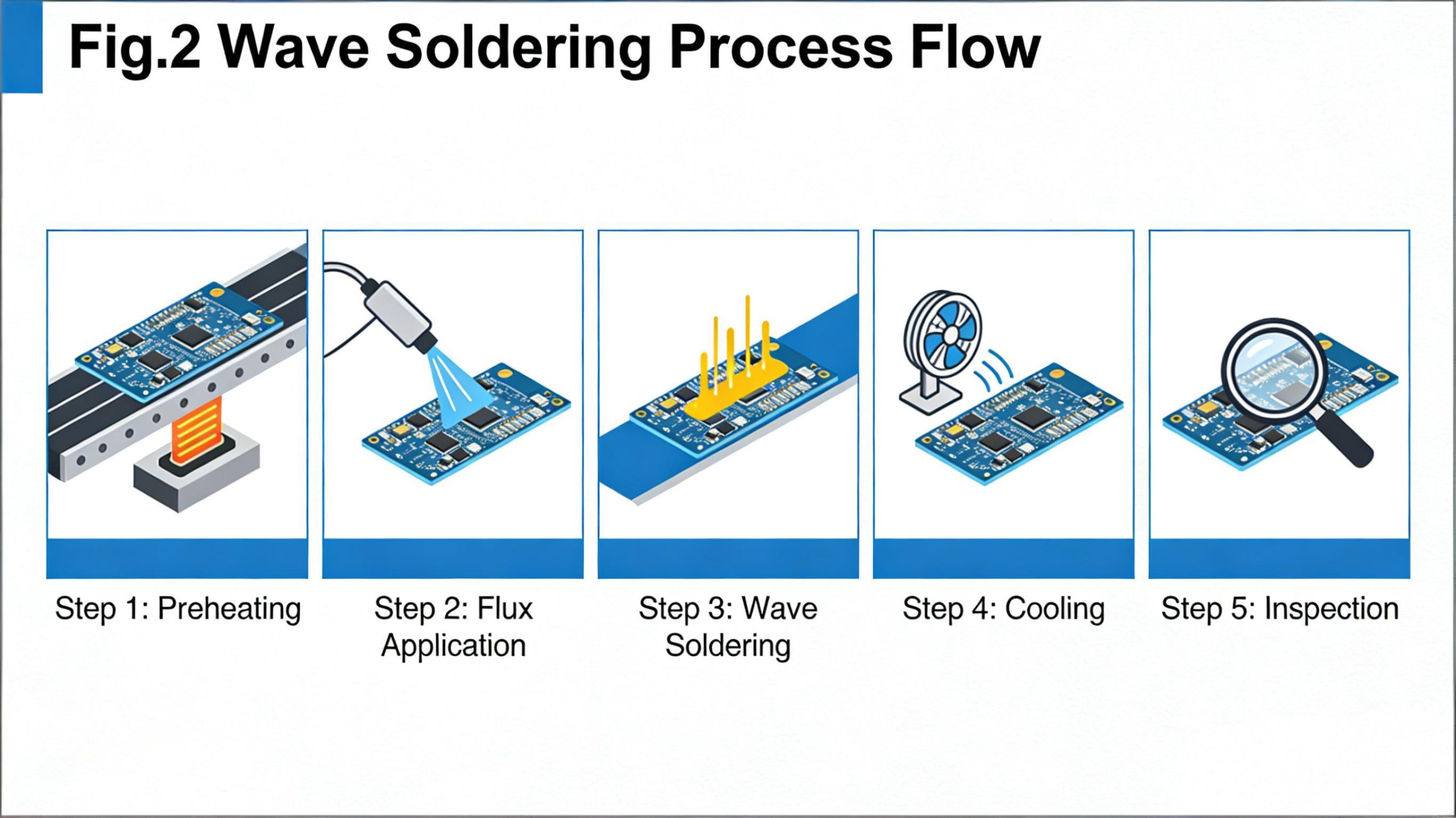
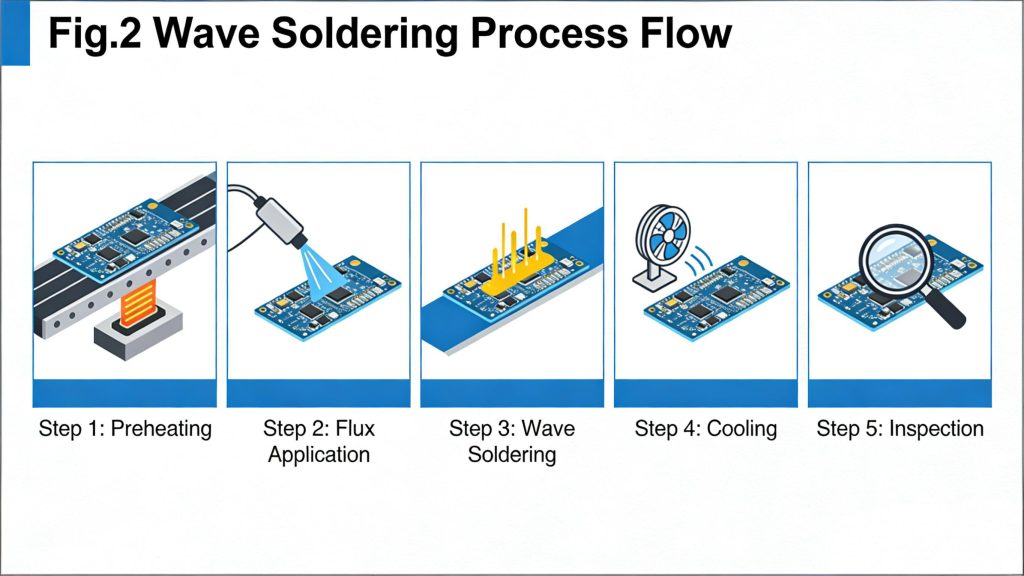
Wave soldering is a traditional bulk soldering method for through‑hole components. The entire bottom side of the PCB passes over a continuous wave of molten solder, which solders all exposed joints at once.
Wave Soldering Process
- Flux Application: Flux covers the whole PCB bottom surface.
- Preheating: The board is heated to avoid thermal shock.
- Solder Wave: PCB moves over molten solder to form joints.
- Cooling & Cleaning: Remove flux residue and ensure stable connections.
Advantages & Disadvantages
✅ High speed and high throughput
✅ Low cost for mass production
✅ Simple equipment and operation
✅ Ideal for large through‑hole PCBs
❌ High thermal stress to components
❌ High risk of bridging or shadowing
❌ Requires full‑board masking for sensitive parts
What is Reflow Soldering?
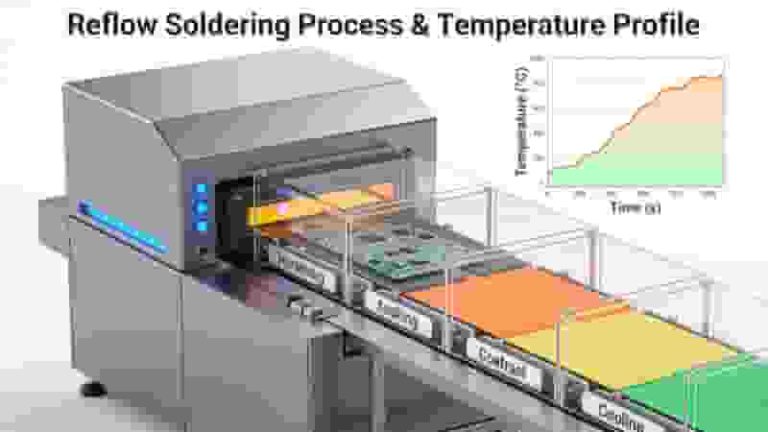
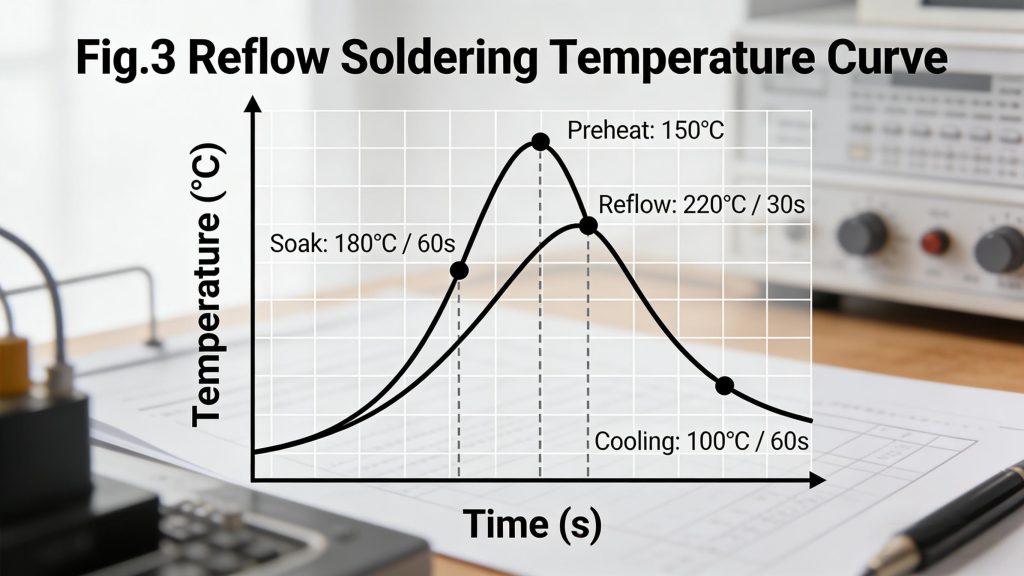
Reflow soldering is the most common process for surface mount devices (SMD). It uses solder paste printed on PCB pads, fixes components, then heats the board in a reflow oven to melt and solidify the solder.
Reflow Soldering Process
- Solder Paste Printing: Solder paste is applied through a stencil.
- Component Placement: SMD parts are mounted onto pads.
- Reflow Oven: The board goes through preheat, soak, reflow, and cooling.
- Soldering Completion: Solder forms reliable, permanent joints.
Advantages & Disadvantages
✅ Perfect for high‑density SMD boards (BGA, QFN, chips)
✅ Low thermal shock
✅ High precision and stability
✅ Widely used in modern SMT production
❌ Not suitable for most through‑hole components
❌ Higher equipment cost
❌ Requires accurate stencil design
Full Comparison: Selective vs Wave vs Reflow Soldering
| Item | Reflow Soldering | Wave Soldering | Selective Soldering |
|---|---|---|---|
| Main Application | SMD components | Through‑hole (THT) | Mixed SMT+THT |
| Production Speed | High | Very high | Medium / Low |
| Thermal Impact | Low | High | Low |
| Precision | Very high | Medium | Very high |
| Suitable For | High‑density SMT boards | Mass THT production | Complex mixed boards |
| Cost Level | Medium‑high | Low | Medium |
How to Choose the Best Soldering Process
- Choose Reflow Soldering if you produce SMD‑dominated PCBs.
- Choose Wave Soldering for mass‑produced through‑hole boards.
- Choose Selective Soldering for high‑value, dense, or mixed‑technology PCBs.
We provide professional soldering solutions based on your PCB type, quantity, component layout, and quality requirements to ensure stable performance and cost efficiency.