Soldering is a core step in PCBA manufacturing that securely bonds electronic components to printed circuit boards. Wave soldering and reflow soldering are the two dominant industrial processes. Understanding their differences helps you select the ideal method for cost, quality, and assembly type in your PCB production.
What Is Wave Soldering?
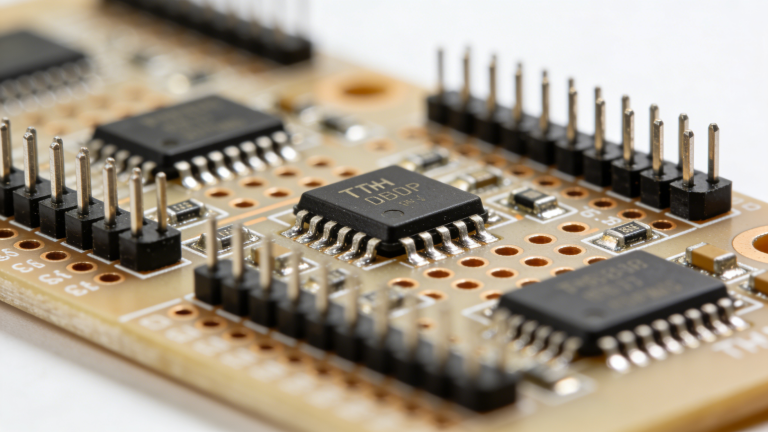
Wave soldering is a through‑hole focused assembly process where a PCB passes over a standing wave of molten solder. The liquid solder forms reliable joints on PTH components and bottom‑mounted parts.
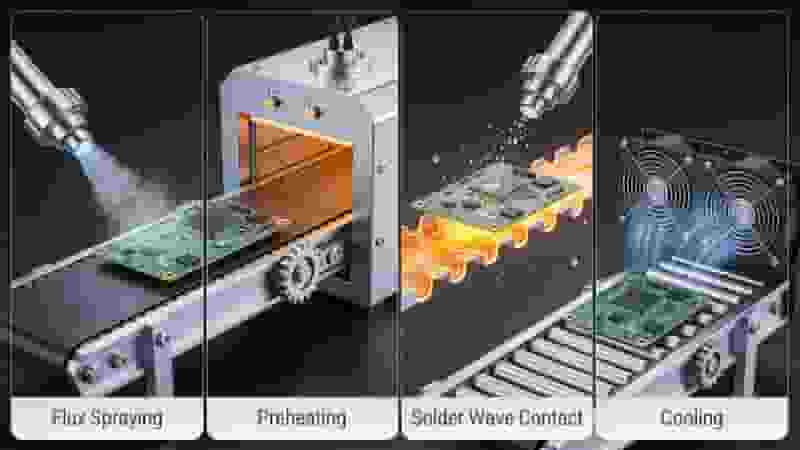
Wave Soldering Process Steps
- Flux spraying: cleans surfaces and prevents oxidation
- Preheating: stabilizes PCB temperature before soldering
- Solder wave contact: forms permanent electrical joints
- Cooling: solidifies solder and locks components
Benefits of Wave Soldering
- Ideal for through‑hole PCB assembly
- Lower equipment and per‑unit cost for high volume
- Faster processing than reflow for mixed boards
- Strong, durable solder joints for industrial use
- Recirculated solder ensures consistent alloy composition
What Is Reflow Soldering?
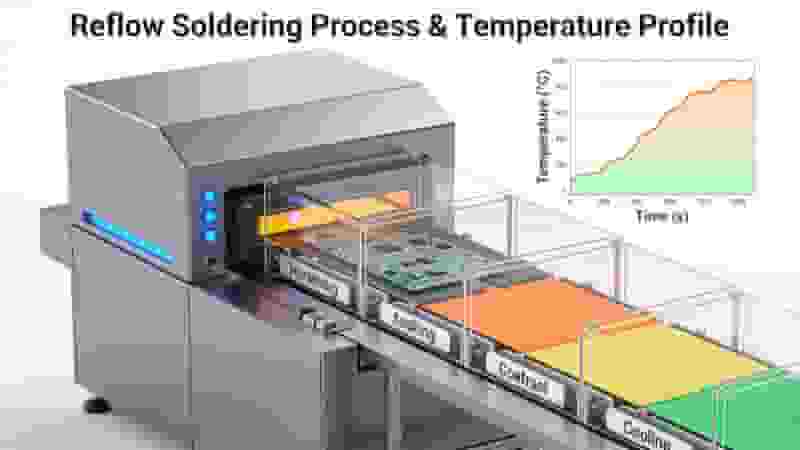
Reflow soldering uses solder paste applied via a stencils. Components are placed by pick‑and‑place equipment, then heated in an oven to melt the paste and form permanent bonds. It is the standard for SMT PCB assembly.
Reflow Soldering Process Steps
- Solder paste printing via precision stencil
- Component placement (SMDs / chip components)
- Preheat and thermal soak to activate flux
- Reflow zone melts solder to form joints
- Cooling solidifies connections
Advantages of Reflow Soldering
- Perfect for high‑density SMT assembly
- Excellent solder joint consistency and quality
- Supports ultra‑small components (0402, 0201, BGA)
- Low risk of bridging or cold joints
- Process is highly repeatable and automated
Reflow Soldering vs. Wave Soldering: Full Comparison
| Item | Wave Soldering | Reflow Soldering |
|---|---|---|
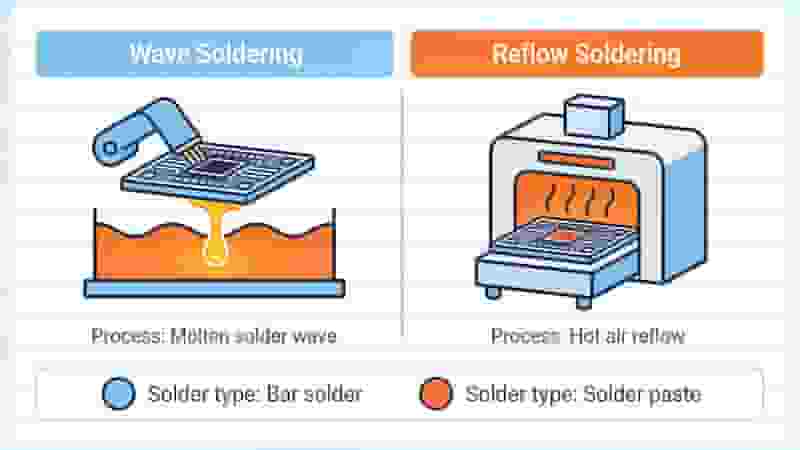
| Best For | Through‑hole (PTH), bottom‑side parts | SMT, high‑density, fine‑pitch components |
| Solder Material | Molten solder bar | Solder paste (powder + flux) |
| Process Complexity | Moderate; requires wave tuning | Controlled via oven profile |
| Cost | Lower machine cost | Higher investment; stencil needed |
| Defect Rate | Higher for fine components | Very low for SMT |
Which Soldering Method Should You Choose?
Choose wave soldering if you need:
- Mostly through‑hole components
- Cost‑sensitive high‑volume production
- Simple, low‑density PCB assemblies
Choose reflow soldering if you need:
- Surface‑mount (SMT) or high‑density boards
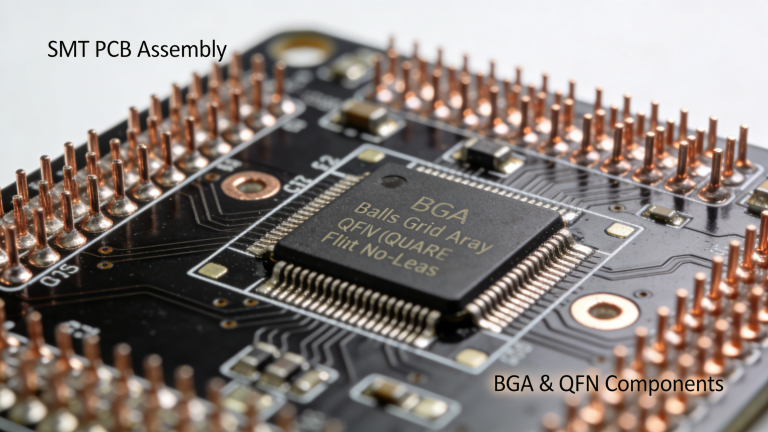
- Fine‑pitch chips, BGAs, QFNs
- Consistent, high‑reliability PCB assembly
Many modern PCBs use both processes: reflow for SMT on top, then wave for through‑hole on bottom.
Conclusion
Wave soldering remains essential for through‑hole and cost‑focused builds, while reflow soldering dominates modern SMT PCB assembly for precision, density, and reliability. The best choice depends on component types, volume, quality needs, and budget.
We provide professional guidance to select the optimal soldering process for your project.
Need Professional PCB Assembly Service?
We offer full PCB assembly, SMT, through‑hole, reflow, and wave soldering for prototypes to mass production.
Request a Quote Now
Prototype PCB Assembly Service – Fast, Reliable & Turnkey Solutions
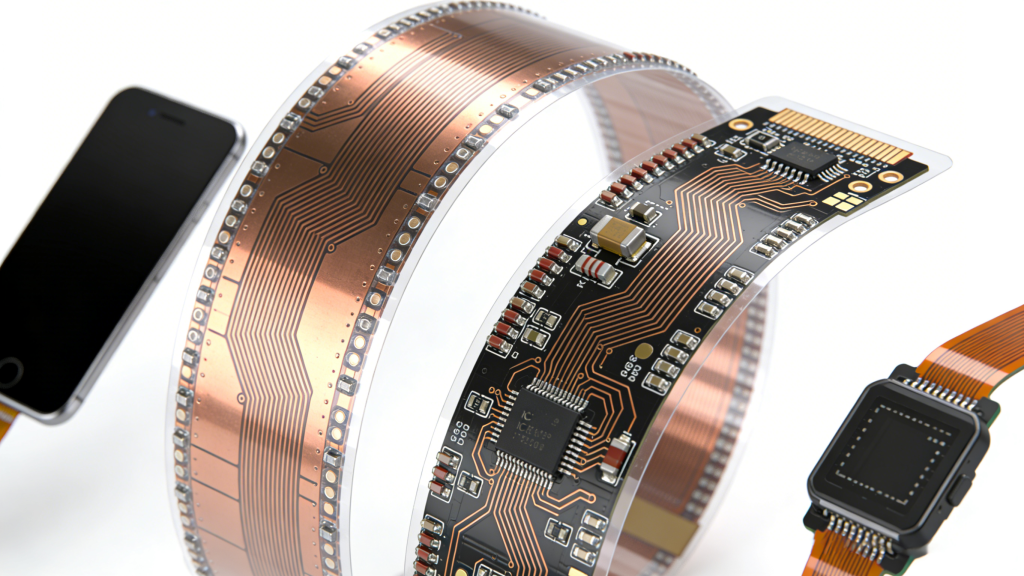
Top 8 Applications of Flexible PCBs for Industrial & Electronics Manufacturing
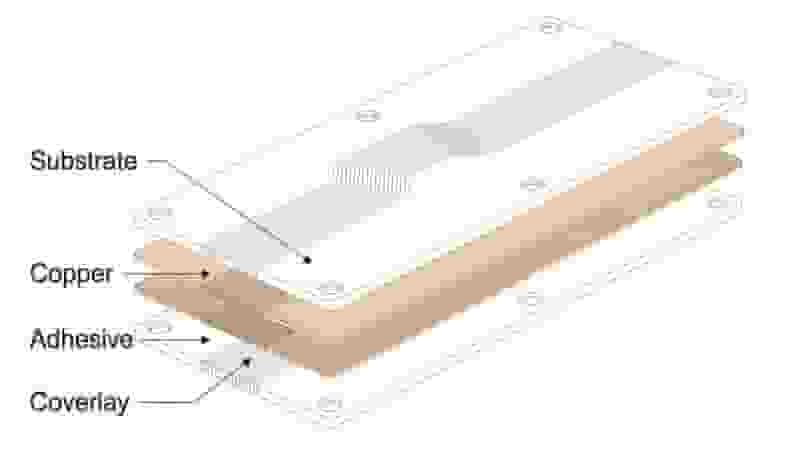
Complete Introduction to Flexible Circuit Board Materials
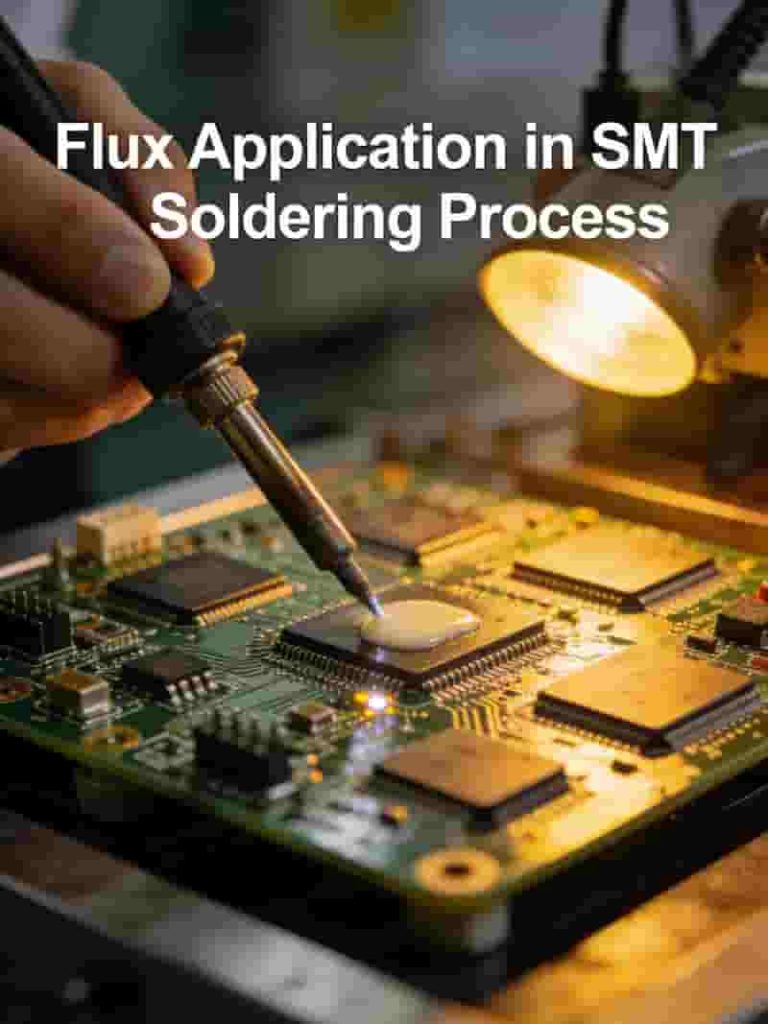
Essential Materials for Surface Mount Technology: A Comprehensive Guide
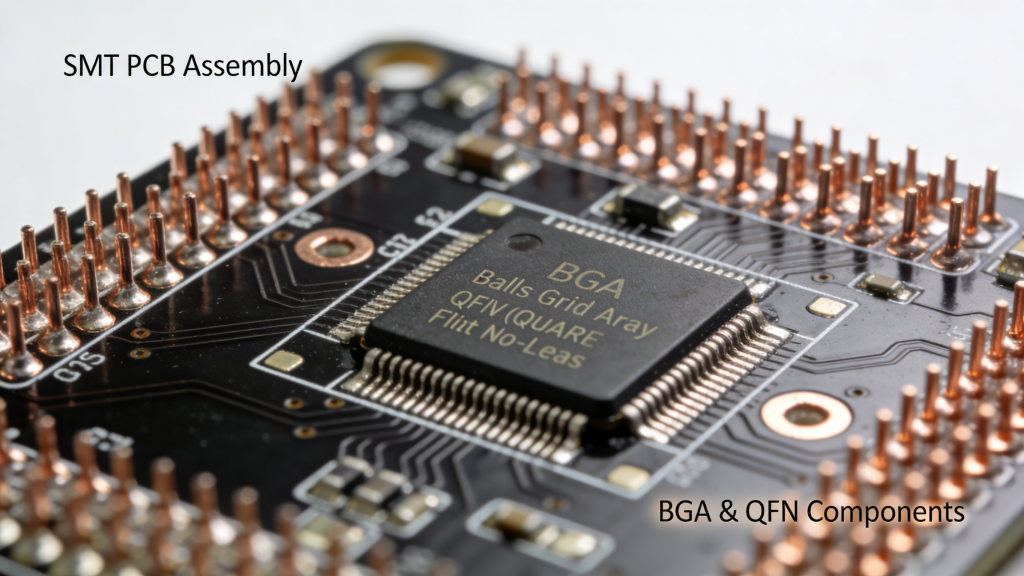
SMT PCB Assembly Services for Prototypes & Production