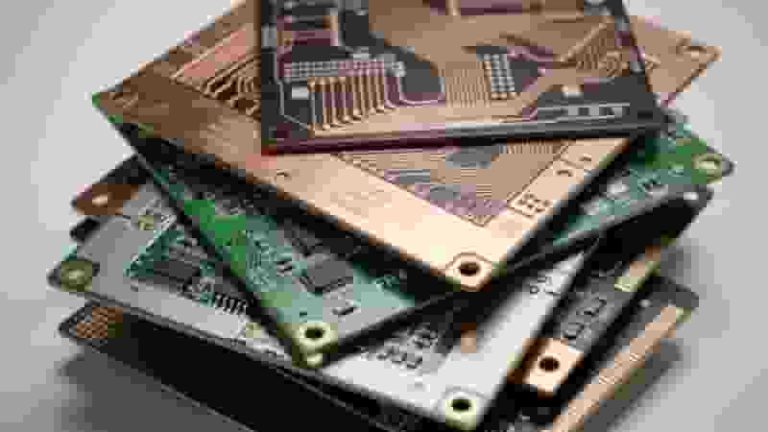
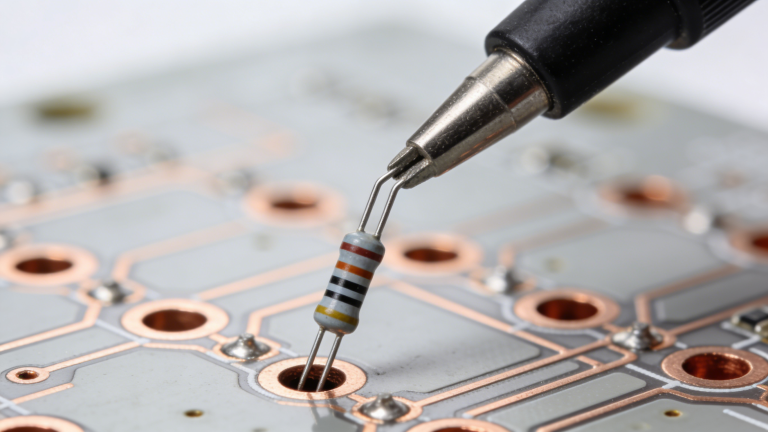
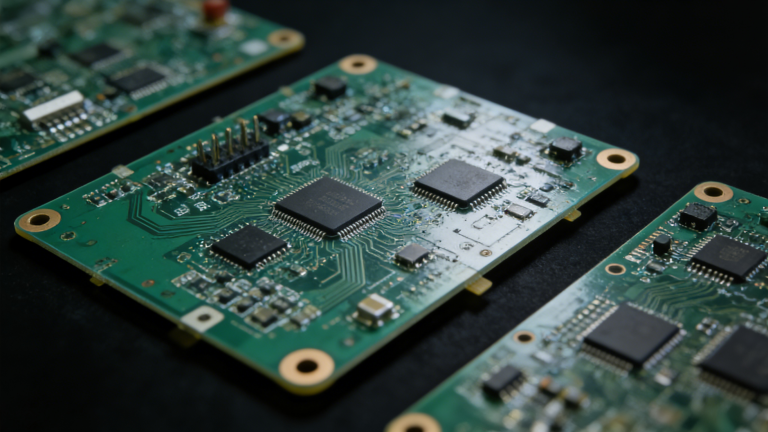
Choosing a reliable quick turn PCB assembly manufacturer is critical when deadlines are tight and designs change fast. This guide explains what a quick turn PCB assembly manufacturer does, when you need one, key evaluation factors, and how a trusted China‑based partner helps you deliver high‑quality prototypes and low‑volume runs on time and within budget.
Finding a reliable quick turn PCB assembly manufacturer is critical when your project schedule is tight and every day of delay can affect your product launch or customer delivery.
The right partner will help you get high‑quality prototypes and low‑volume builds on time, while the wrong choice can lead to missed deadlines, quality issues and unexpected costs.
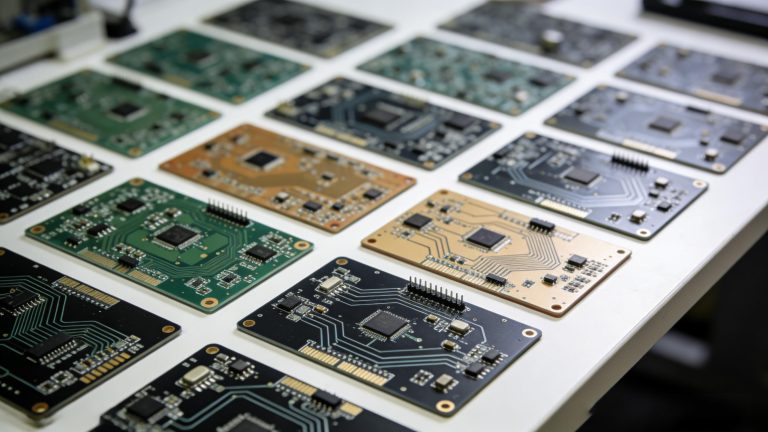
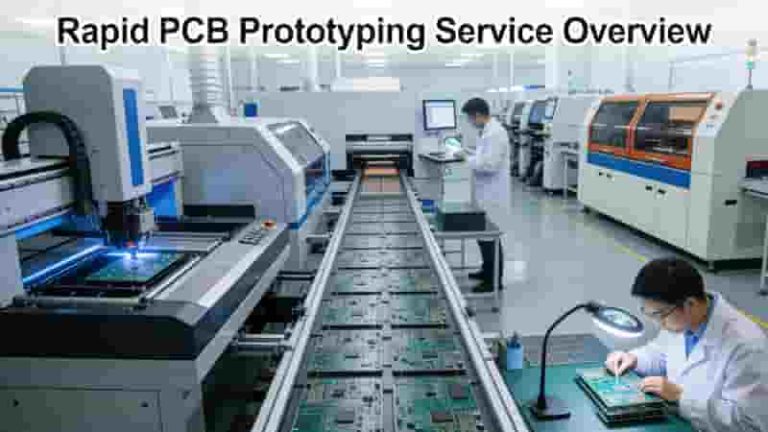
A good quick turn PCB assembly manufacturer does far more than just solder components onto boards. It combines fast PCB fabrication, efficient component sourcing, professional assembly processes and thorough testing into a single, well‑coordinated service designed for speed and reliability.
What Does a Quick Turn PCB Assembly Manufacturer Do?
A quick turn PCB assembly manufacturer focuses on delivering fully assembled and tested printed circuit boards in significantly shorter lead times than standard production schedules.
Instead of waiting several weeks, you can often receive prototypes or small batches in just a few days, depending on design complexity and component availability.
Typical services include:
- Rapid PCB fabrication for prototype and low‑volume orders
- Component sourcing or full turnkey material procurement
- SMT, through‑hole and mixed‑technology PCB assembly
- Reflow, wave and selective soldering processes
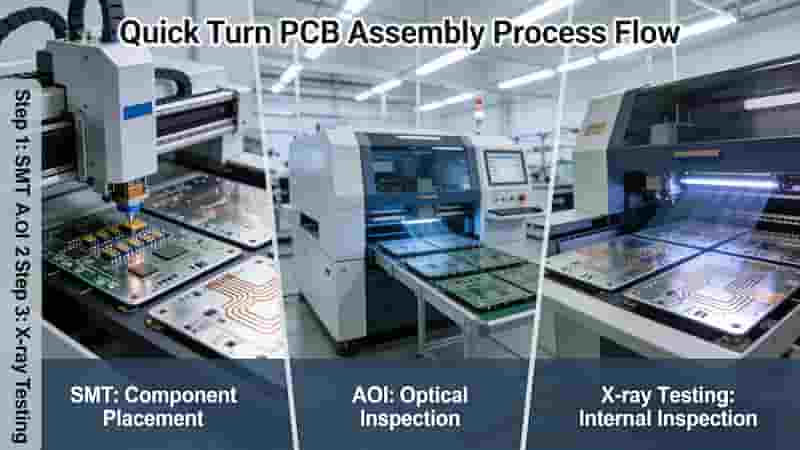
- AOI, X‑ray, ICT and functional testing as required
- Final inspection, packing and worldwide shipment
When Do You Need a Quick Turn PCB Assembly Manufacturer?
You should work with a dedicated quick turn PCB assembly manufacturer whenever speed, flexibility or frequent design changes are key factors in your project.
Common use cases:
- Engineering prototypes and proof‑of‑concept builds
- Frequent design iterations during hardware development
- Pilot and low‑volume production for field trials and certifications
- Urgent or time‑sensitive projects and customer commitments
6 Key Factors When Evaluating Quick Turn PCB Assembly Manufacturers
1. Lead Time and Schedule Reliability
For quick turn projects, promised lead time and real on‑time delivery are critical. A top quick turn PCB assembly manufacturer provides realistic schedules and handles rush orders reliably.
2. Technical and Manufacturing Capabilities
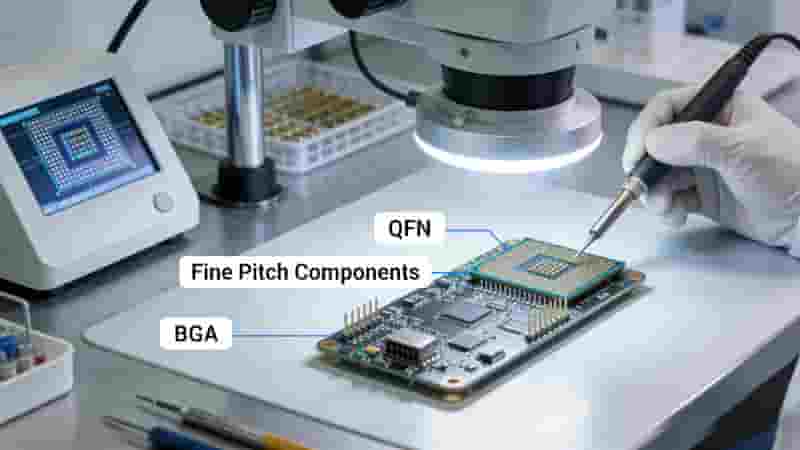
Verify capabilities match your design requirements: rigid, flex, rigid‑flex, HDI, fine‑pitch, BGAs, QFNs, CSPs, and mixed assembly processes.
3. Quality Systems and Testing
Speed must not compromise quality. Look for AOI, X‑ray for BGA, ICT, functional testing, and clear quality management systems.
4. Component Sourcing and Turnkey Support
A strong quick turn PCB assembly manufacturer offers full turnkey solutions, reliable component channels, and alternatives for long‑lead parts.
5. Engineering Support and Communication
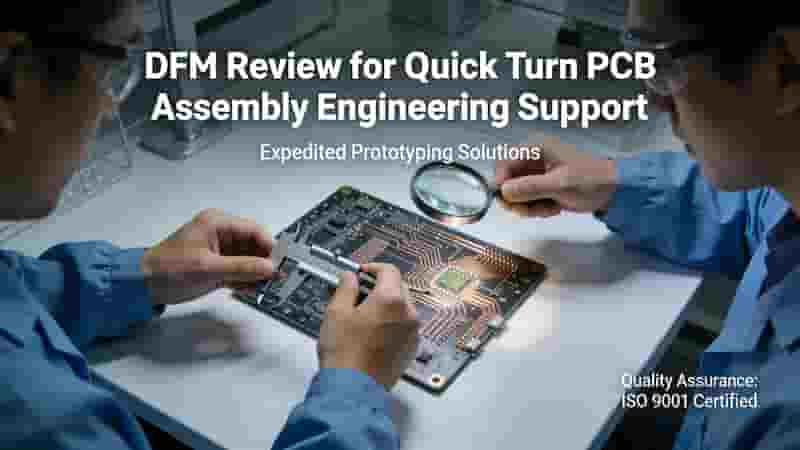
DFM/DFA reviews, fast responses, and proactive risk detection separate real partners from basic suppliers.
6. Pricing Transparency and Total Cost
Transparent itemized quotes avoid hidden fees. Reliable service saves more cost than cheap but risky options.
Regional Comparison: Local vs. China‑Based Manufacturer
| Item | Local (US/EU) | China‑Based |
|---|---|---|
| Lead Time | Very fast local shipping | Fast production + moderate shipping |
| Cost | Higher unit cost | Competitive & cost‑effective |
| Capacity | Limited to small scale | Prototype to volume scalable |
| Component Supply | Local channels only | Global supply chain mature |
Advantages of Working with a China‑Based Quick Turn PCB Assembly Manufacturer
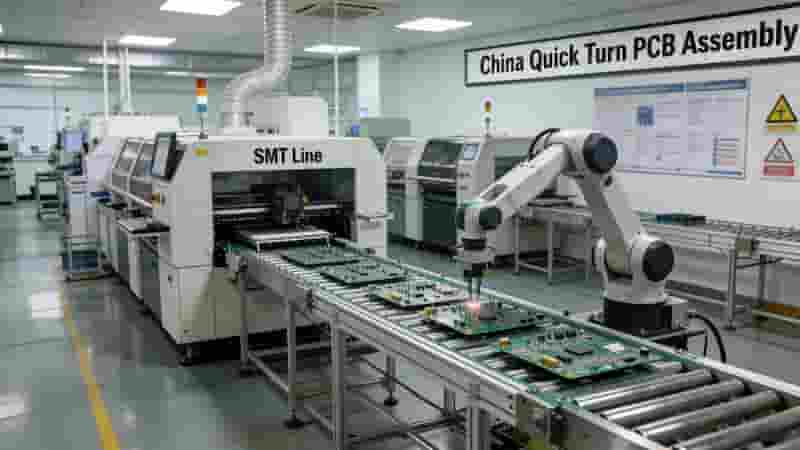
China offers a mature ecosystem, advanced equipment, and efficient supply chains that make it a global hub for quick turn PCB assembly.
- Competitive pricing for fabrication and assembly
- High‑speed SMT lines and modern inspection equipment
- Strong global component distributor relationships
- Experience with international customer designs
- Scalable from rapid prototypes to low‑volume production
Checklist Before Placing a Quick Turn PCB Assembly Order
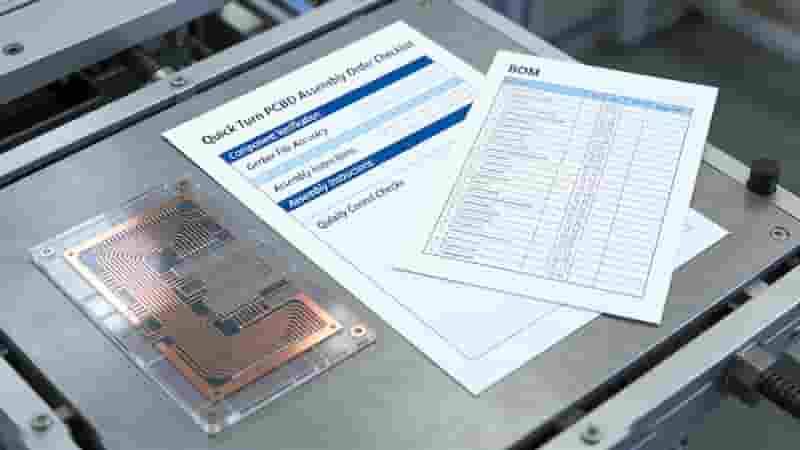
- Complete Gerber and drill files (latest revision)
- Structured BOM with part numbers and alternates
- Pick‑and‑place/centroid data and assembly drawings
- Defined test requirements and acceptance criteria
- Clear lead time expectations based on complexity
Conclusion
Choosing the right quick turn PCB assembly manufacturer means matching your technical needs, schedule, budget, and quality standards with a trusted long‑term partner.
For global engineers and buyers, a professional China‑based quick turn PCB assembly manufacturer delivers exceptional value, speed, and reliability for prototypes and low‑volume builds.
Get Your Quick Turn PCB Assembly Quote Today
Send us your Gerber files and BOM for a fast, free, and no‑obligation quote. We support rapid prototypes, low‑volume runs, and turnkey solutions worldwide.
Request Free Quote
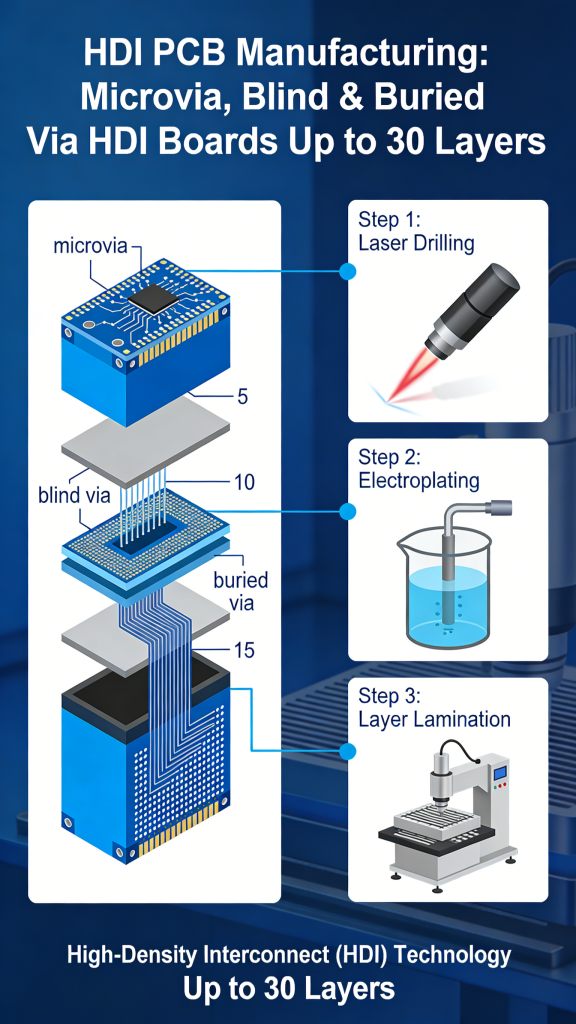
HDI PCB Manufacturing – Microvia, Blind & Buried Via HDI Boards up to 30 Layers
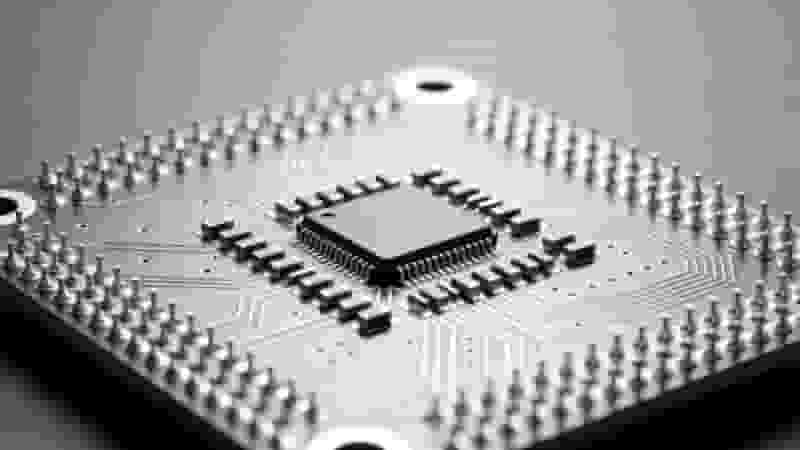
Prototype PCB Assembly Service – Fast, Reliable & Turnkey Solutions
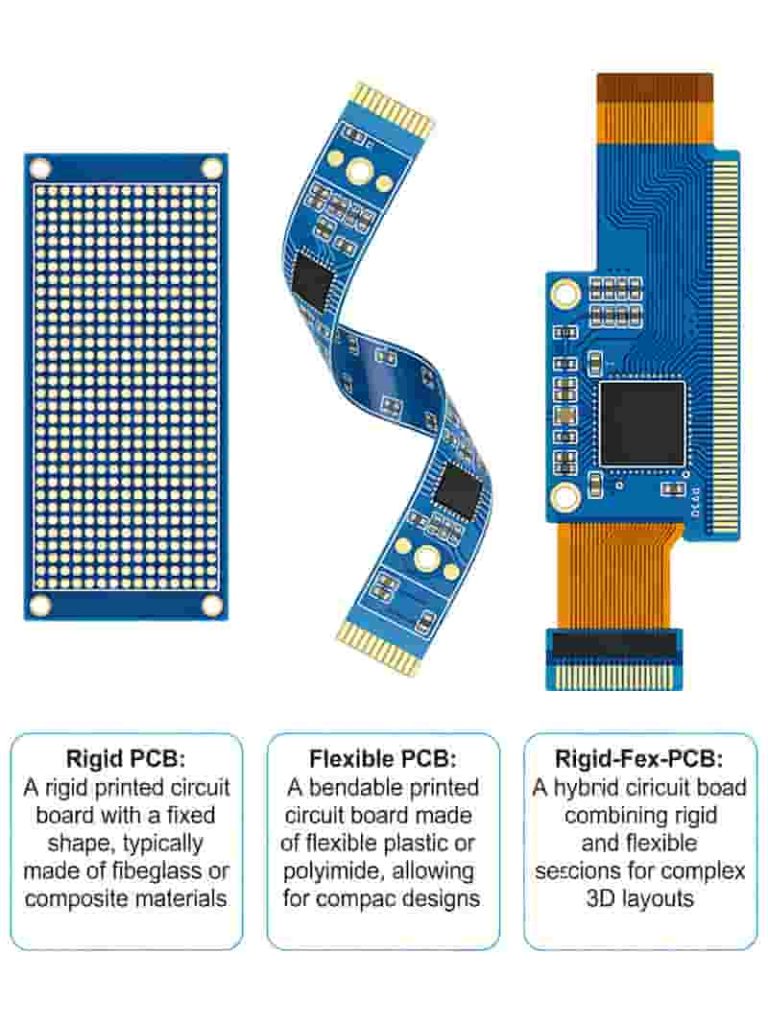
PCB Manufacturing Capabilities
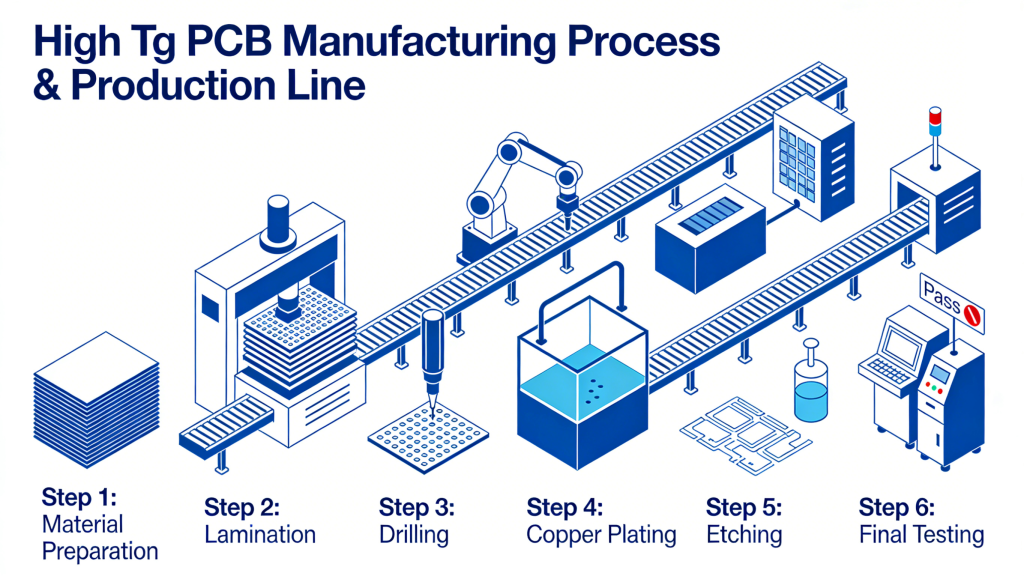
High Tg PCB Manufacturing for High Temperature Applications
Standard PCB Thickness – The Complete Guide for Engineers & Buyers