Understanding prototype PCBs and production PCBs is essential for engineers, buyers, and project managers. This guide breaks down critical differences in lead time, cost, design flexibility, materials, testing, quality standards, and manufacturing processes to help you make informed decisions for your electronics projects.
Introduction
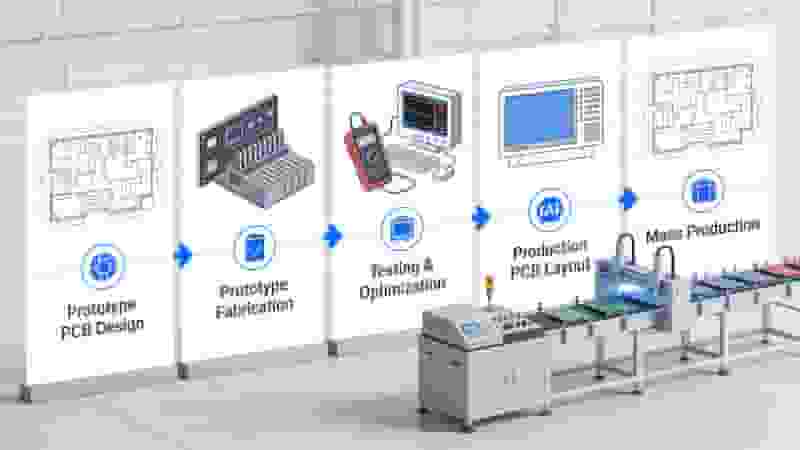
Printed circuit boards are foundational to nearly all electronic devices. The journey from concept to mass production relies on two critical stages: prototype PCB development and full-scale production PCB manufacturing. Each stage serves a unique purpose, with distinct requirements for speed, cost, precision, and reliability.
Mastering the differences between these two phases helps reduce risks, shorten time-to-market, lower overall costs, and ensure final product performance and durability for global industrial and commercial applications.
Lead Time & Order Volume
Prototype PCBs prioritize speed for rapid design validation. Typical order volumes are 5 to 50 pieces, with lead times as fast as 24 to 48 hours for urgent projects.
Production PCBs focus on high-volume consistency. Orders range from hundreds to tens of thousands of units, with standard lead times of 2 to 6 weeks due to tooling, process setup, and full quality validation.
Design Flexibility & Change Control
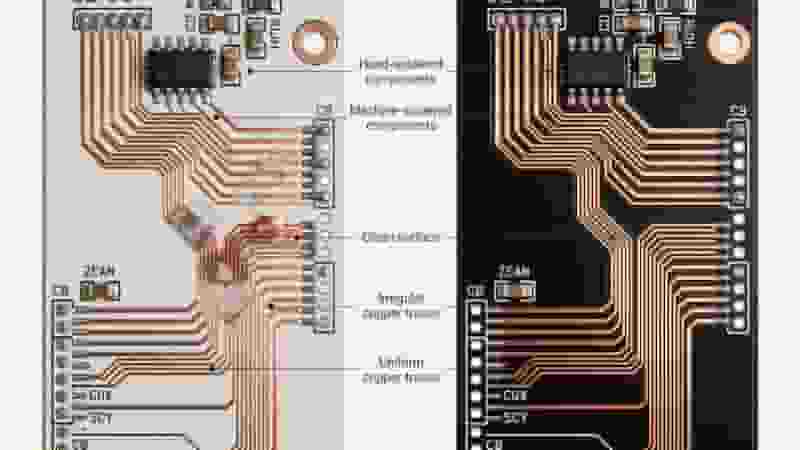
Prototype PCBs support frequent design iterations. Engineers can adjust layouts, components, and routing to optimize functionality without high rework costs.
Production PCBs require strict change control. Once tooling and production lines are set, modifications lead to significant delays, extra costs, and yield risks. A complete DFM (Design for Manufacturability) review is mandatory before mass production.
Quality Standards & Testing
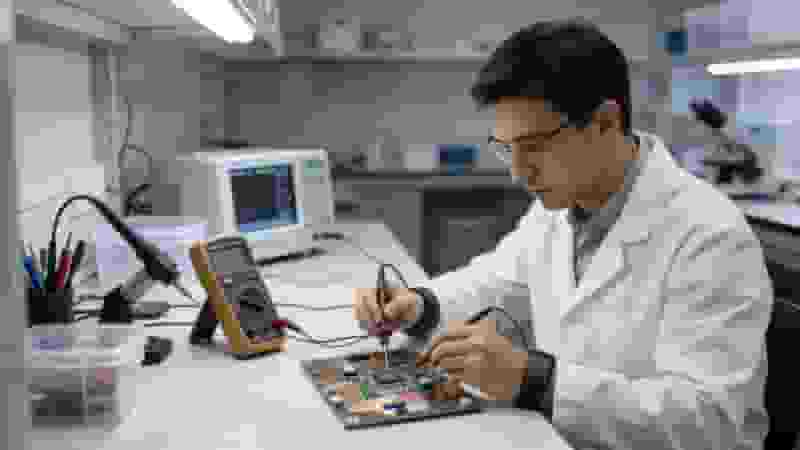
Prototype PCBs focus on basic functional verification. Testing includes continuity checks and simple performance validation to confirm design feasibility.
Production PCBs follow strict industry standards such as IPC-A-600 and undergo comprehensive testing: solderability, thermal cycling, insulation resistance, signal integrity, and environmental stress screening to ensure long-term reliability.
Materials & Manufacturing Processes
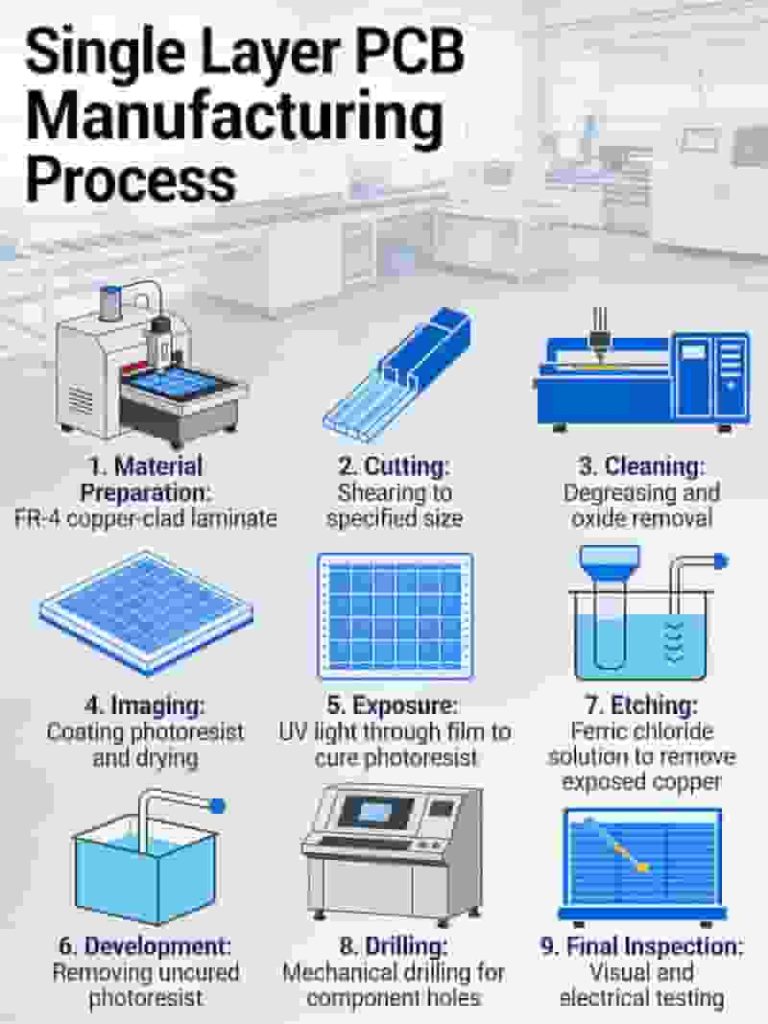
Prototype PCBs use standard materials like FR-4 and rapid fabrication methods such as laser direct imaging (LDI) to deliver fast turnaround.
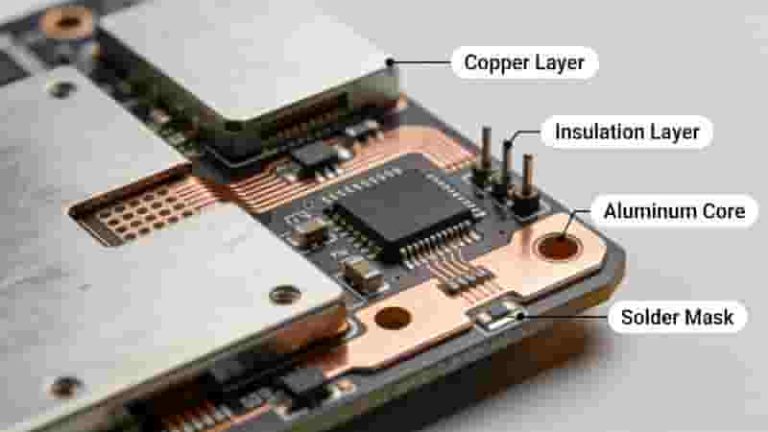
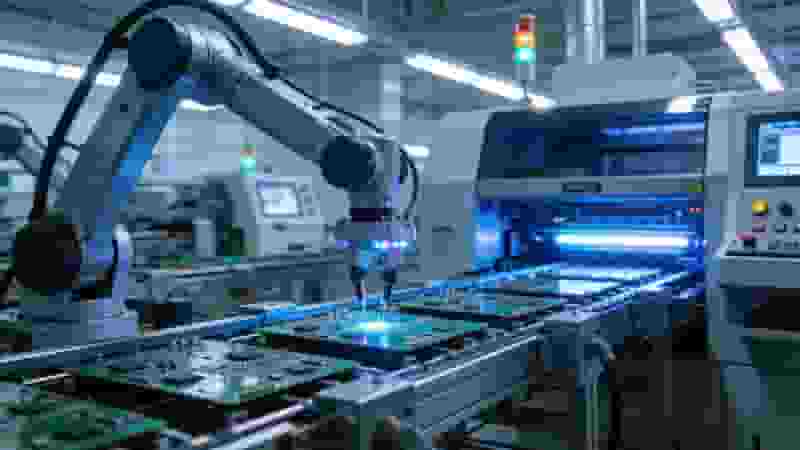
Production PCBs use high-performance materials including high-Tg FR-4, Rogers, and metal-core substrates. Advanced processes include HDI, impedance control, blind/buried vias, and automated manufacturing for precision and consistency.
Cost Structure & Pricing
Prototype PCBs have a higher per-unit cost due to small-batch production, but total project cost is low for validation purposes.
Production PCBs benefit from economies of scale, resulting in much lower per-unit costs. One-time costs include tooling, stencils, and setup fees, which are amortized across large volumes.
Full Comparison Table: Prototype vs Production PCBs
| Aspect | Prototype PCBs | Production PCBs |
|---|---|---|
| Lead Time | 24h – 7 days | 2 – 6 weeks |
| Order Volume | 5 – 50 pieces | 100 – 100,000+ pieces |
| Design Changes | Flexible, low cost | Strictly controlled, high cost |
| Testing Level | Basic functional check | Full IPC compliance & reliability test |
| Materials | Standard FR-4 | High-grade & specialty substrates |
| Per-Unit Cost | Higher | Much lower (scale efficiency) |
Conclusion & Key Takeaways
Choosing between prototype PCBs and production PCBs depends on your project stage, volume needs, timeline, and performance requirements.
Use prototype PCBs for design validation, testing, and small-batch verification. Switch to production PCBs when your design is finalized, stable, and ready for high-volume deployment with consistent quality and cost efficiency.
Inquiry & Custom PCB Solutions
We provide reliable prototype PCB and production PCB manufacturing services for global buyers, engineers, and industrial clients. Get professional DFM review, fast lead times, competitive pricing, and full-quality assurance.
Contact us today for a free quote, custom solution, or technical support for your next PCB project.
Request a Free PCB Quote
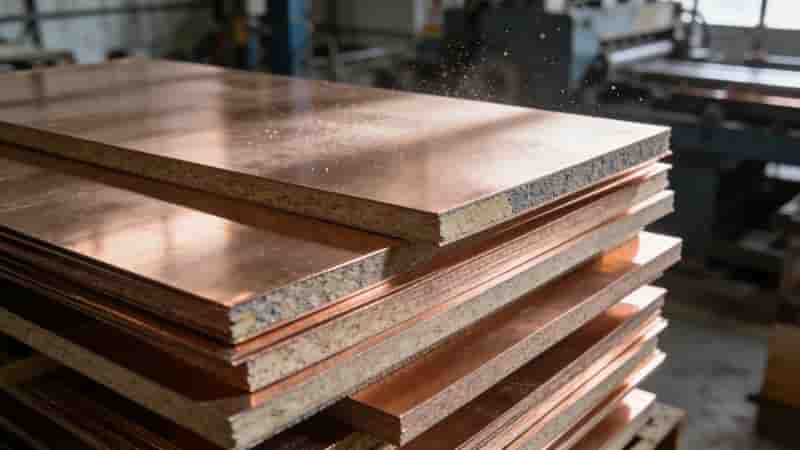
PCB Manufacturing Process Part 1: MI, Cutting & Drilling – Complete Industrial Guide
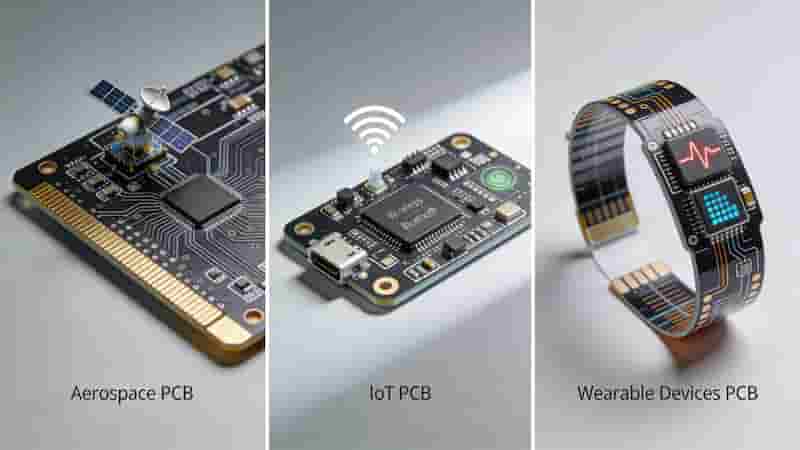
UK PCB Prototype Manufacturing: Fast Turnaround, Cost-Effective & IPC-Certified Quality
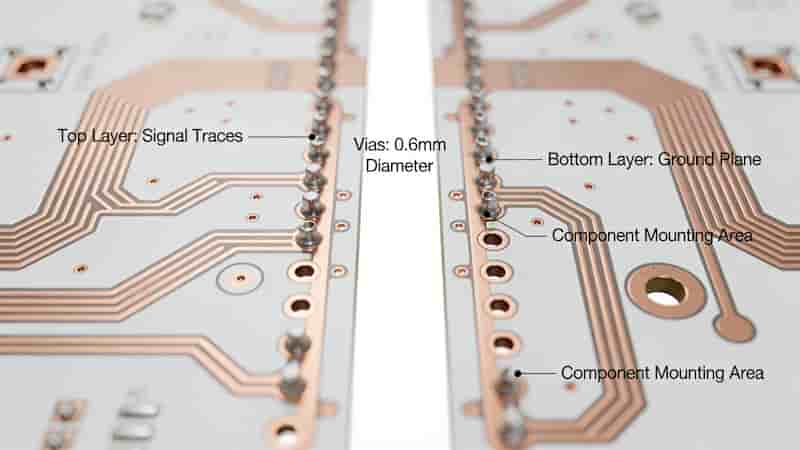
Double Sided PCB Manufacturing: Process, Specifications & Custom Solutions
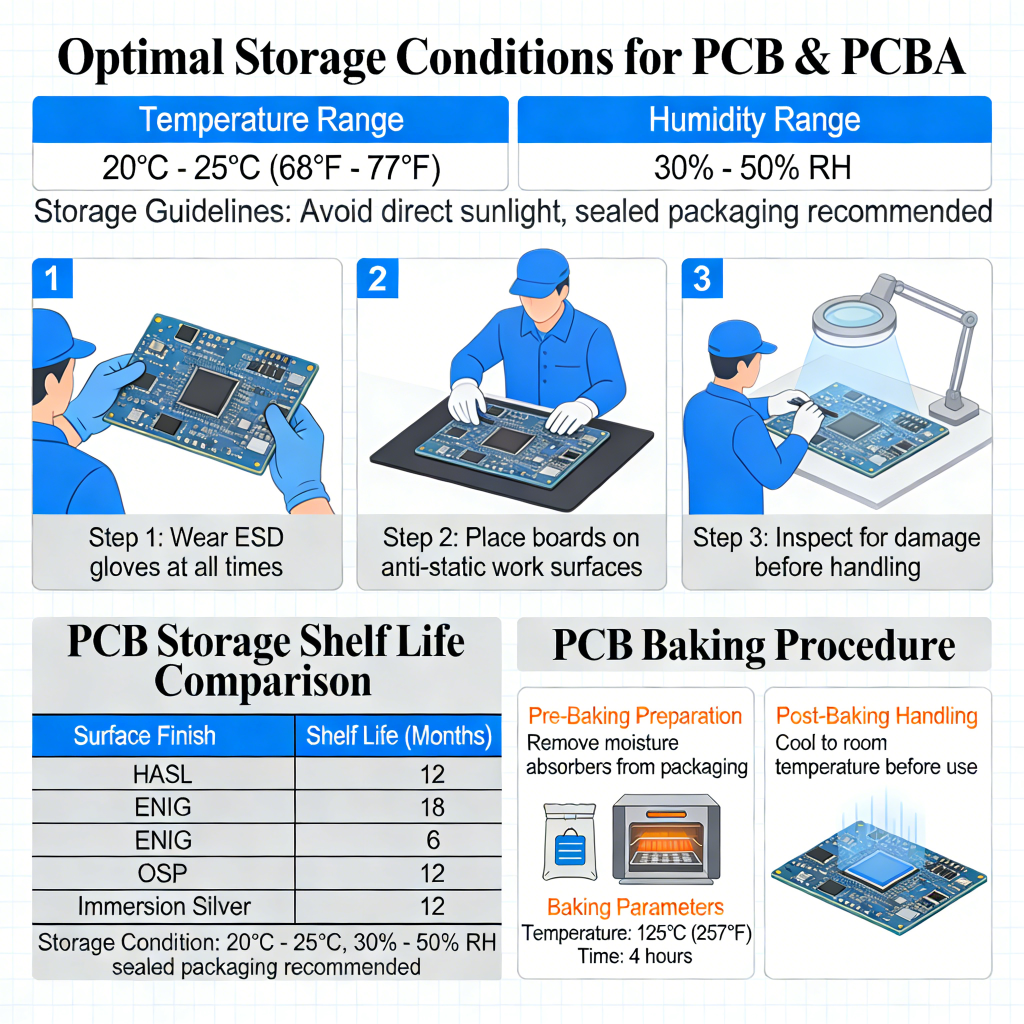
How to Store PCB and PCBA? Complete IPC Storage Guidelines
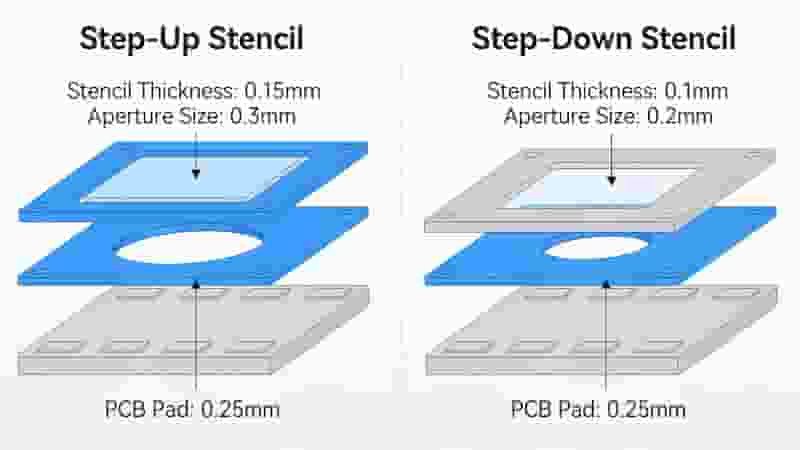
Step Stencil Manufacturing | Precision Multi-Level SMT Stencils