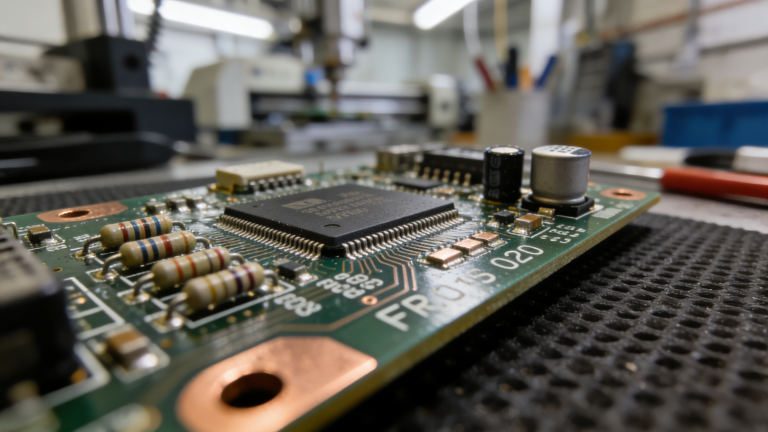
Wondering what PCB boards are made of? This professional guide explains core PCB materials including substrates, copper foil, solder mask, surface finishes, and dielectric layers. We break down how each material impacts performance, reliability, thermal stability, and cost for industrial, automotive, medical, 5G, and high-speed electronic applications.
Core Components of a PCB: What Are PCB Boards Made Of?
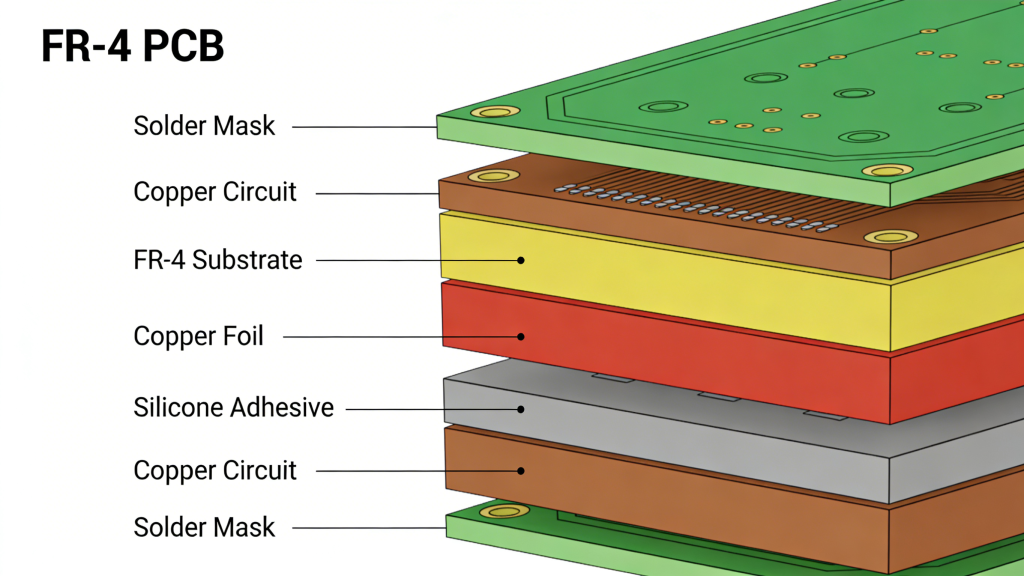
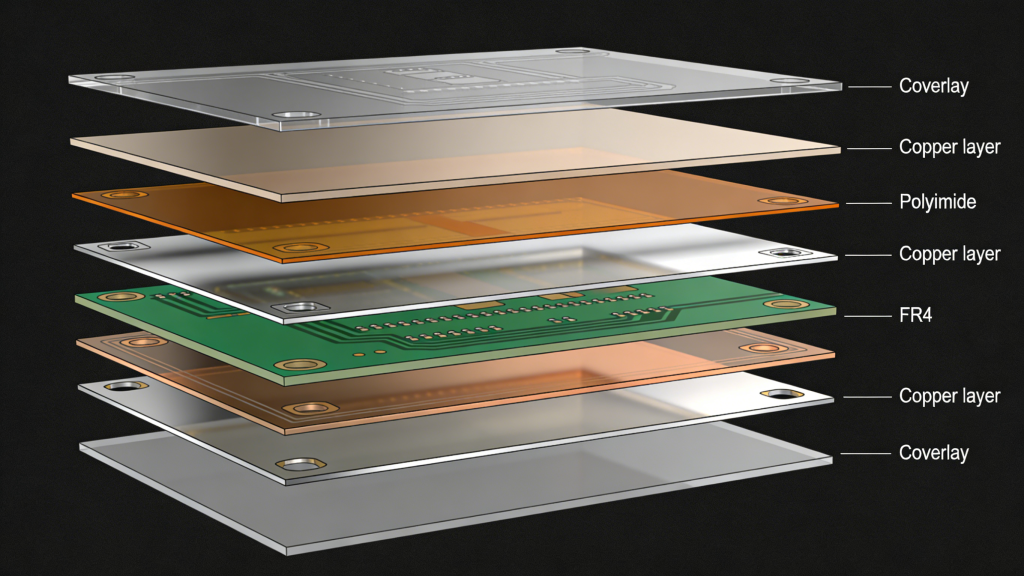
Printed Circuit Boards are the fundamental building blocks of all modern electronic devices. To answer “what are PCB boards made of”, we must examine every functional layer that supports conductivity, insulation, protection, and assembly.
Each layer and material directly affects the durability, signal integrity, thermal management, and manufacturing cost of your PCB design.
PCB Substrate Materials: The Backbone of PCB Performance
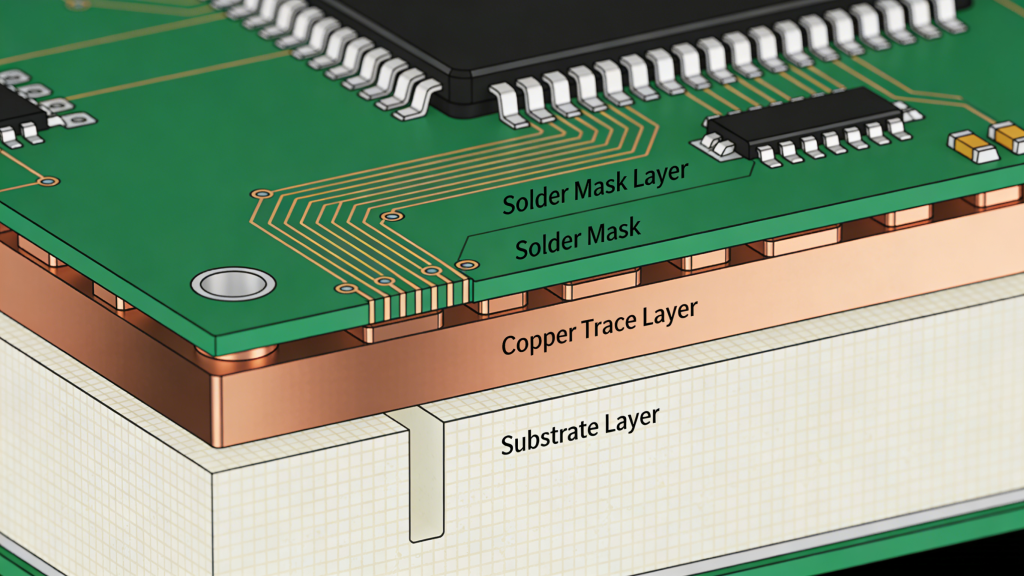
The substrate (laminate) provides structural support and electrical insulation. It is the most influential material when defining PCB behavior in different environments.
FR‑4 (Standard & High Tg)
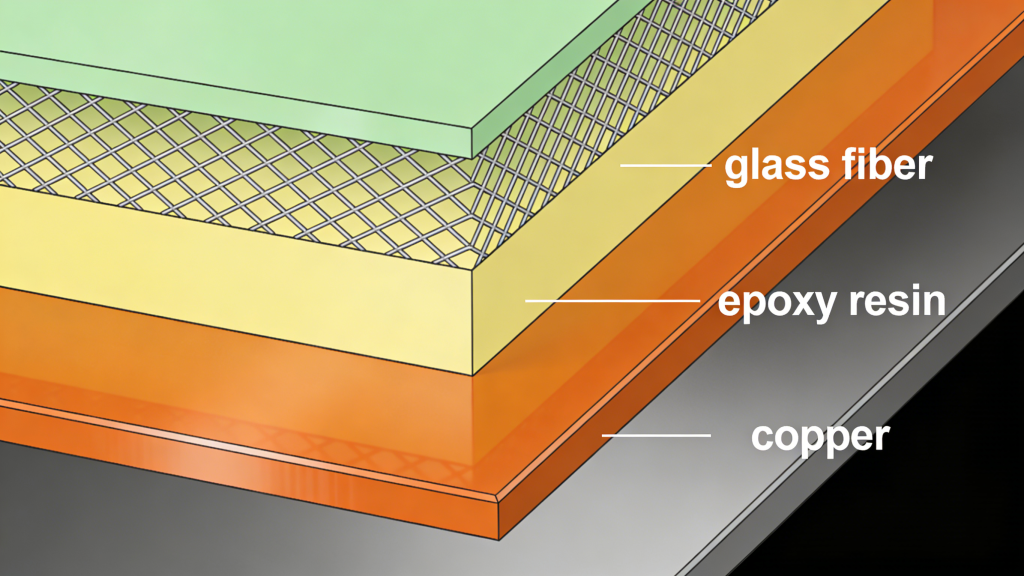
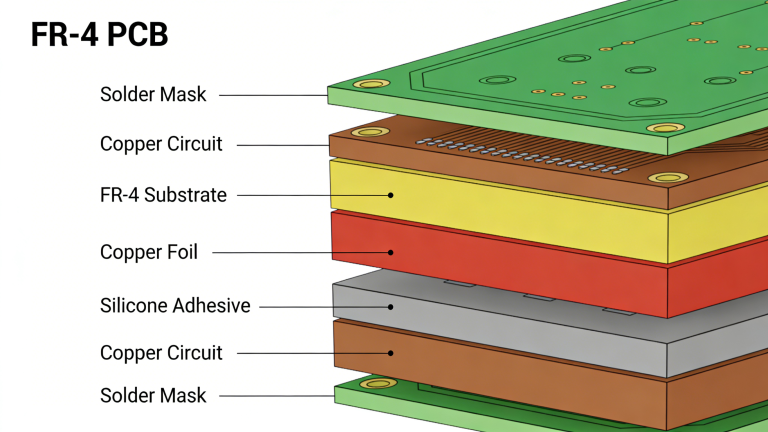
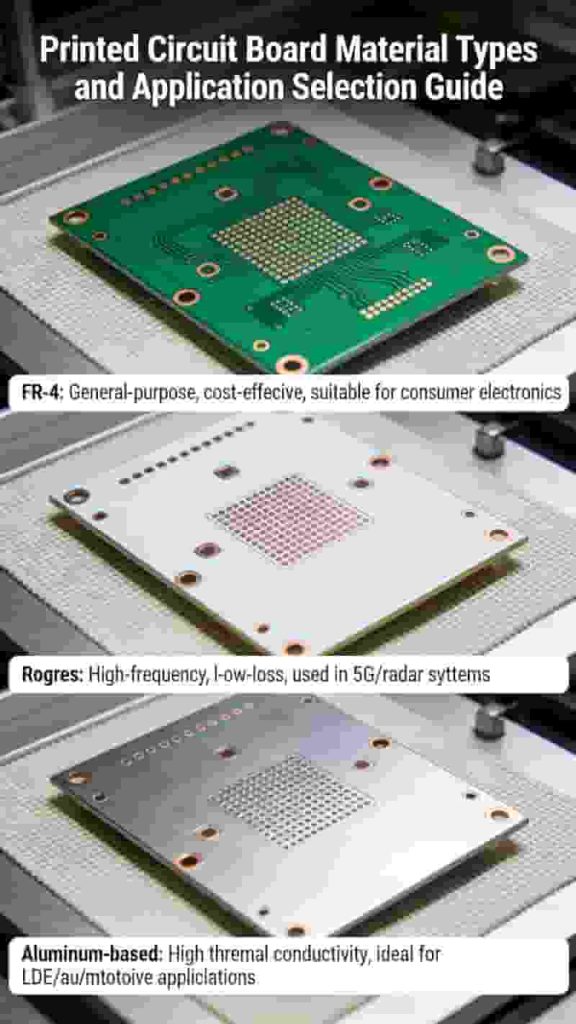
FR‑4 is the global industry standard for rigid PCB substrates. It combines woven fiberglass and epoxy resin with UL94 V‑0 flame resistance.
High Tg FR‑4 (≥170°C) improves thermal stability for lead‑free soldering and high‑temperature environments.
Polyimide
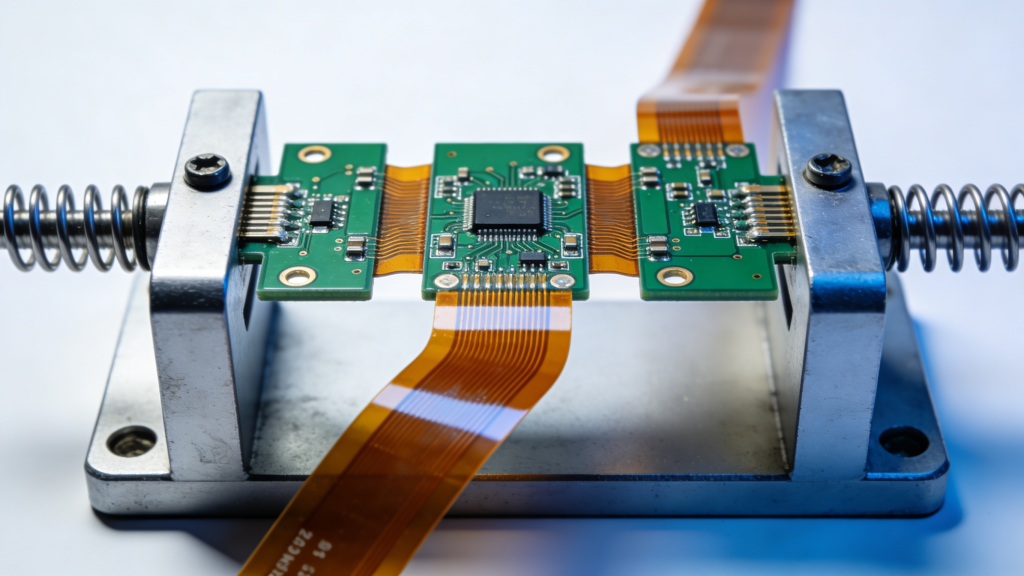
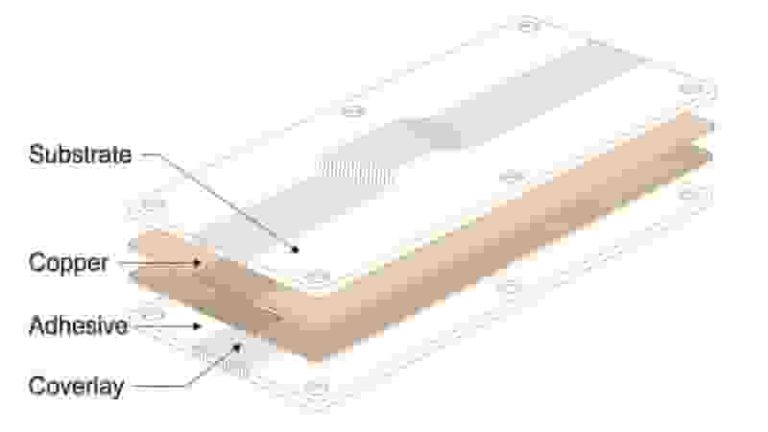
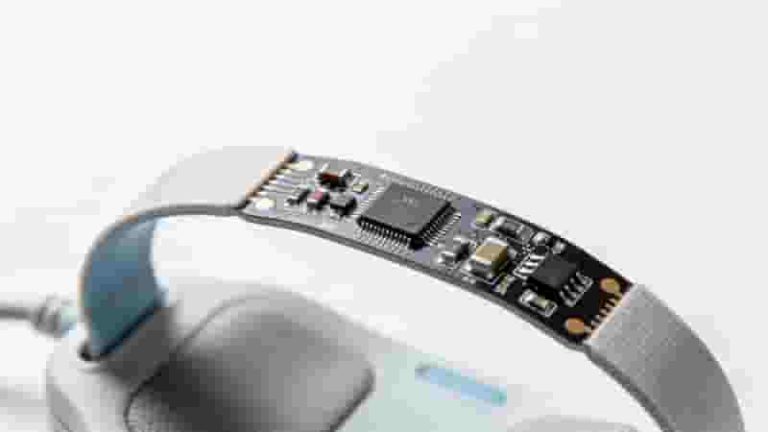
Used for flexible and rigid‑flex PCB designs, polyimide offers excellent flexibility, heat resistance, and reliability for dynamic applications.
Teflon (PTFE)
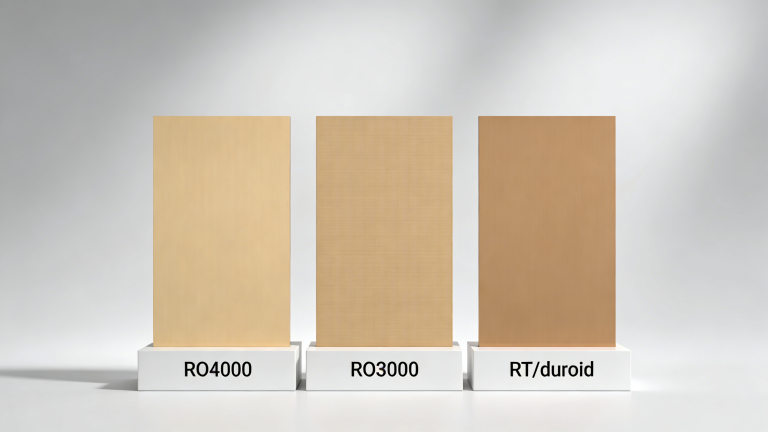
PTFE delivers extremely low dielectric loss, making it ideal for 5G, RF, microwave, and high‑frequency PCB applications.
Ceramic & Metal Core
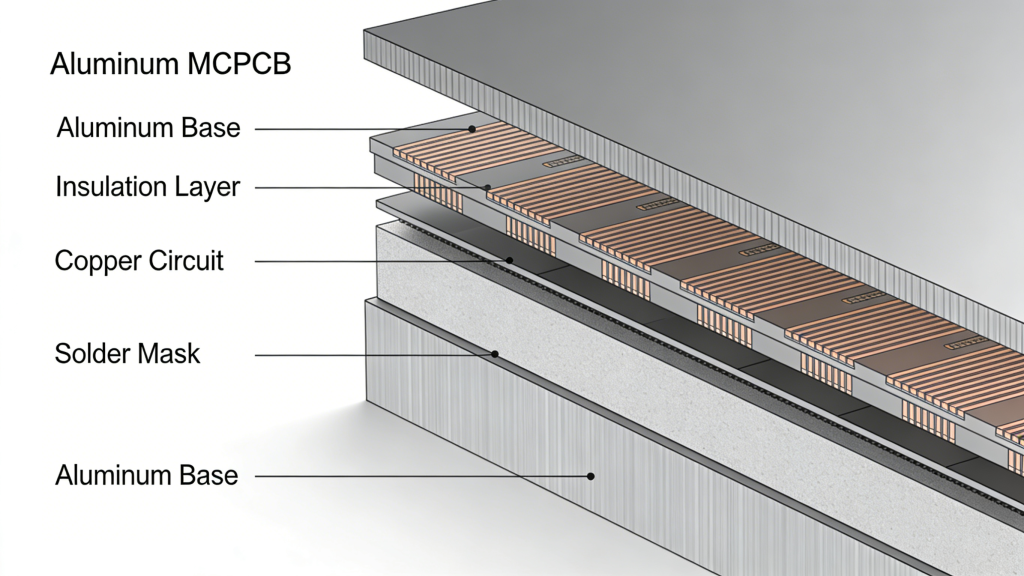
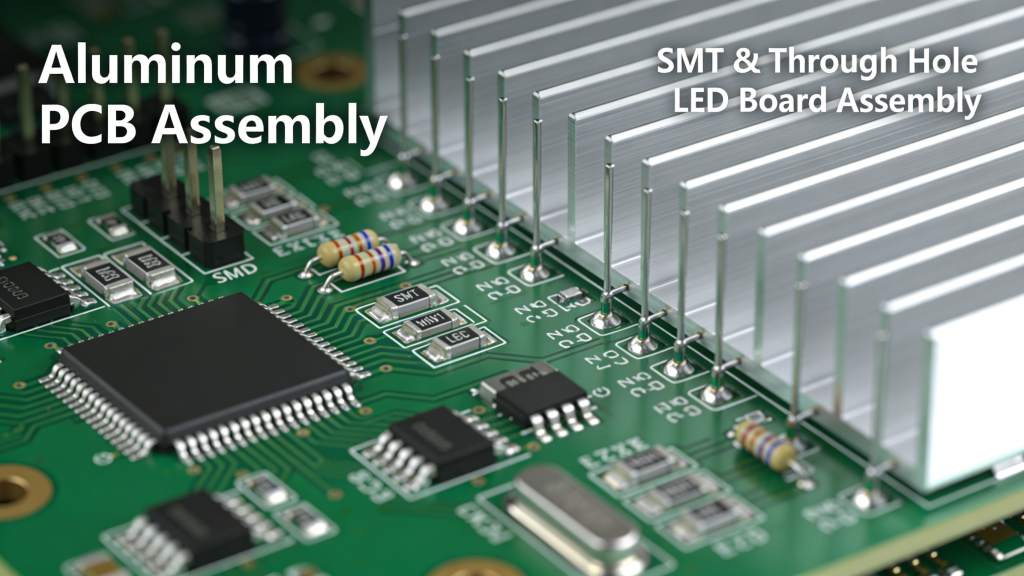
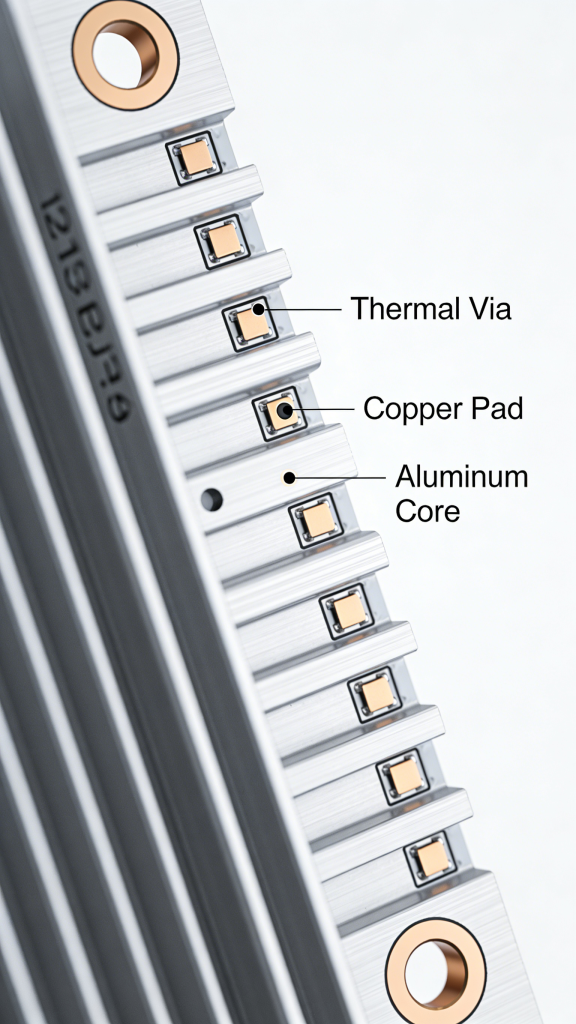
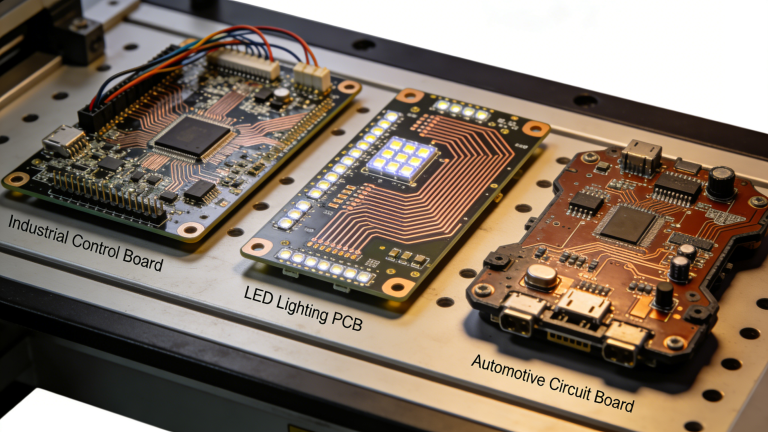
Ceramic and aluminum‑core substrates provide superior thermal conductivity for high‑power LED, automotive, and industrial PCB designs.
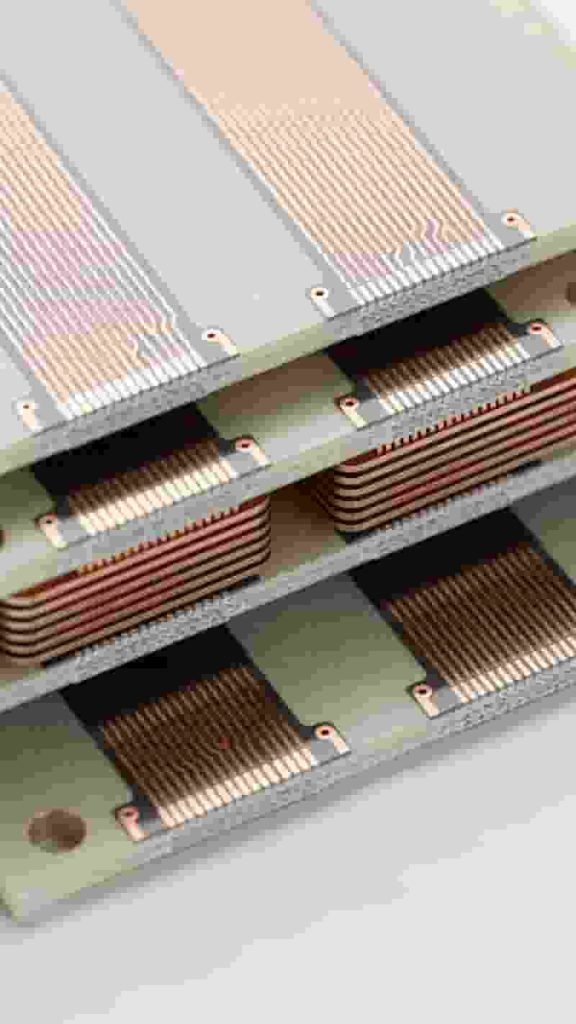
Copper Foil: Conductive Layers of a PCB
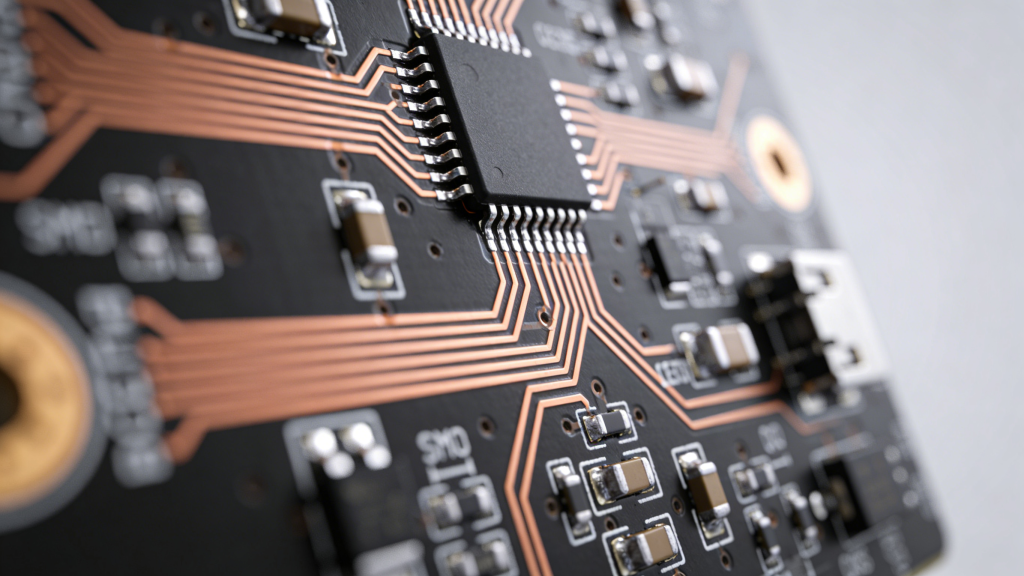
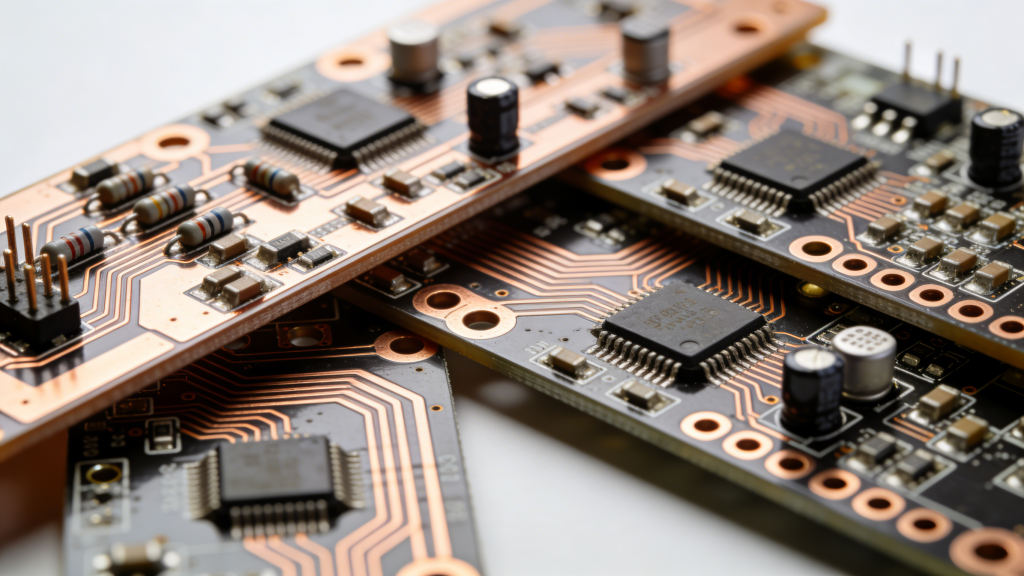
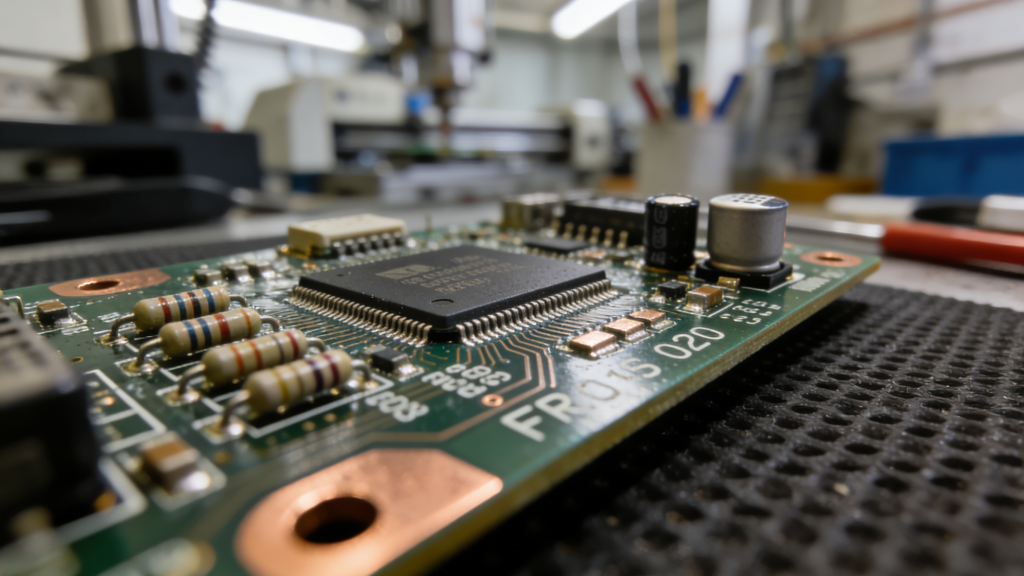
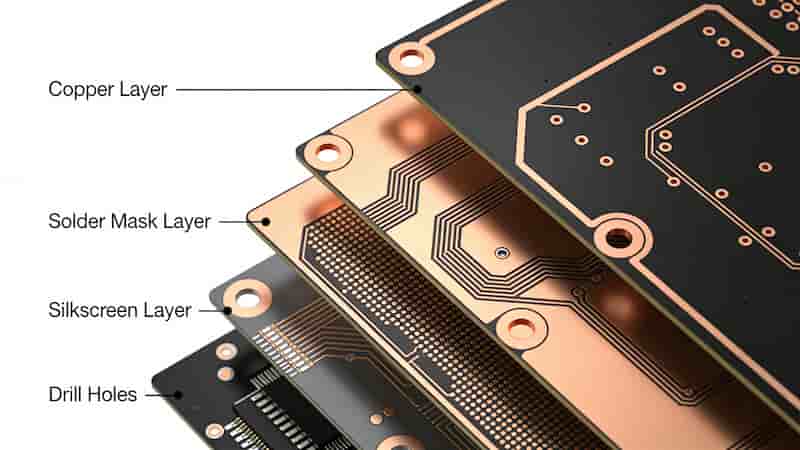
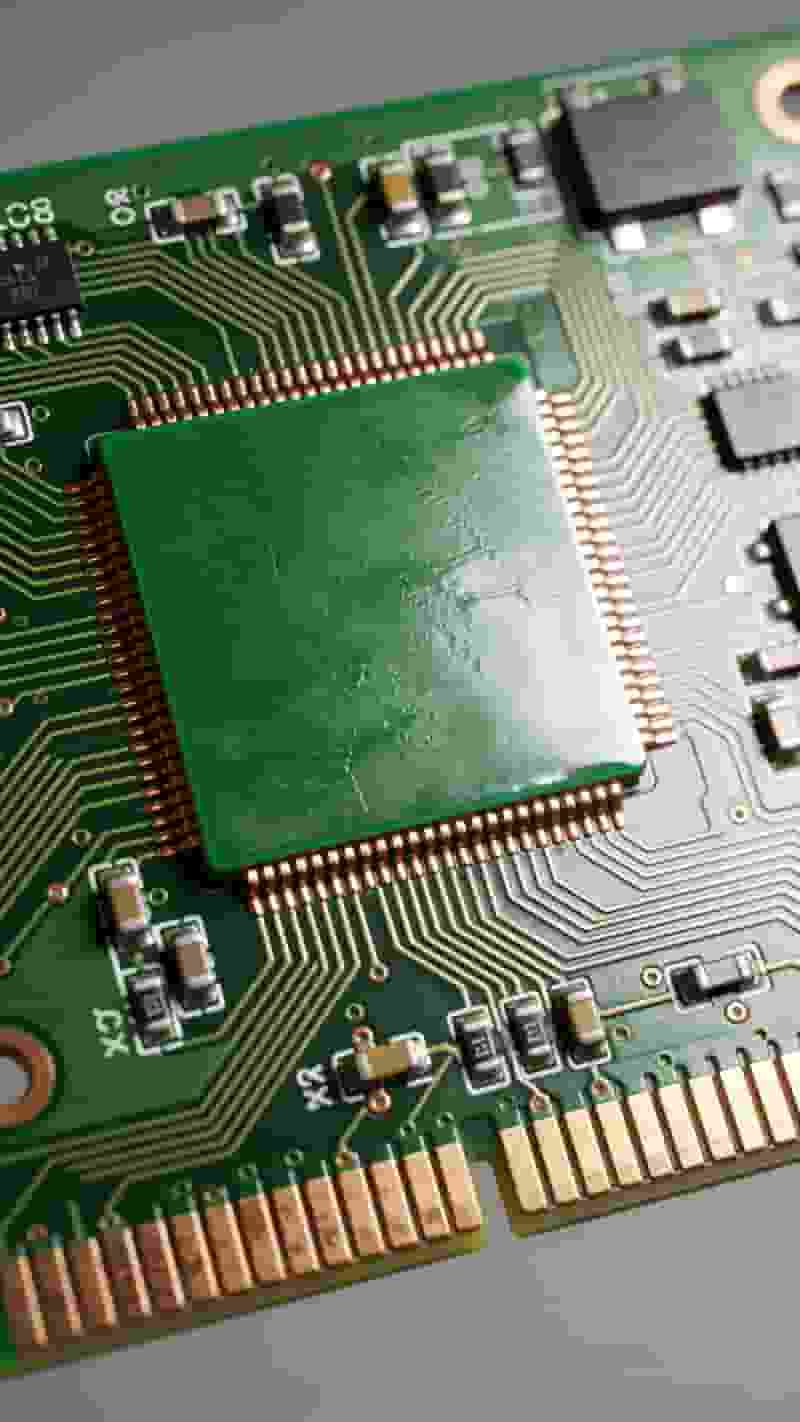
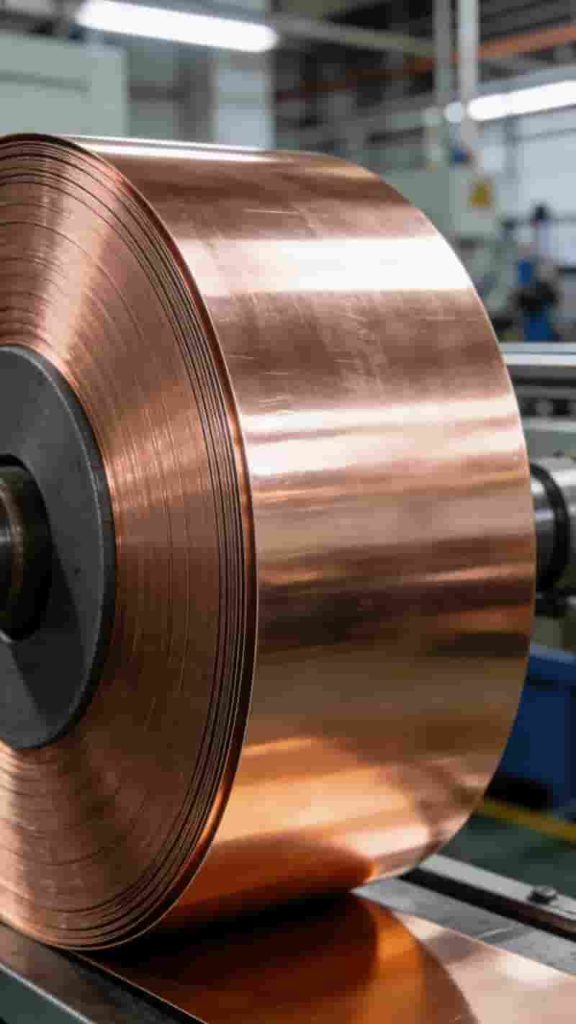
Copper foil forms the traces, pads, and power planes that transmit electrical signals across the PCB.
Standard thickness: 1 oz (35 µm), 2 oz (70 µm), and heavy copper for power circuits. High‑purity copper ensures stable conductivity and long‑term reliability.
Dielectric Layers: Core & Prepreg
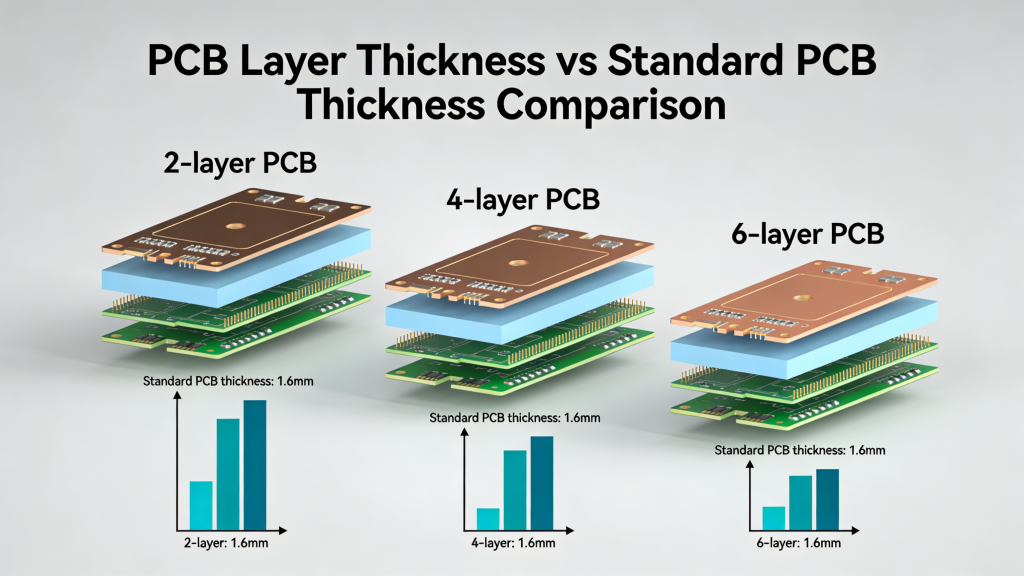
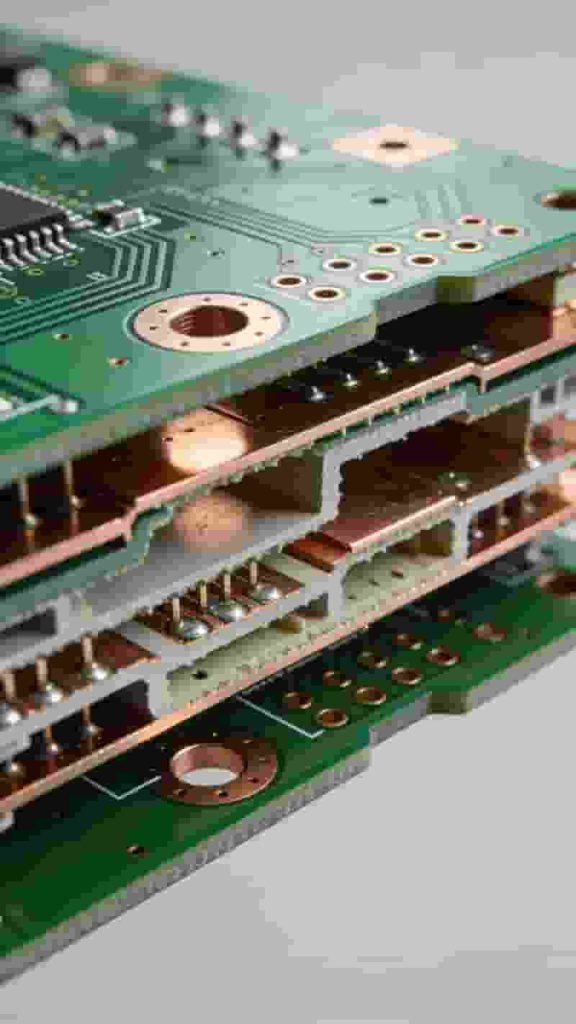
Multilayer PCB designs use core and prepreg to insulate copper layers and bond the stackup together.
Core: Rigid dielectric base with copper on both sides.
Prepreg: Semi‑cured resin‑coated fiberglass that fuses layers during lamination.
Solder Mask & Silkscreen Layers
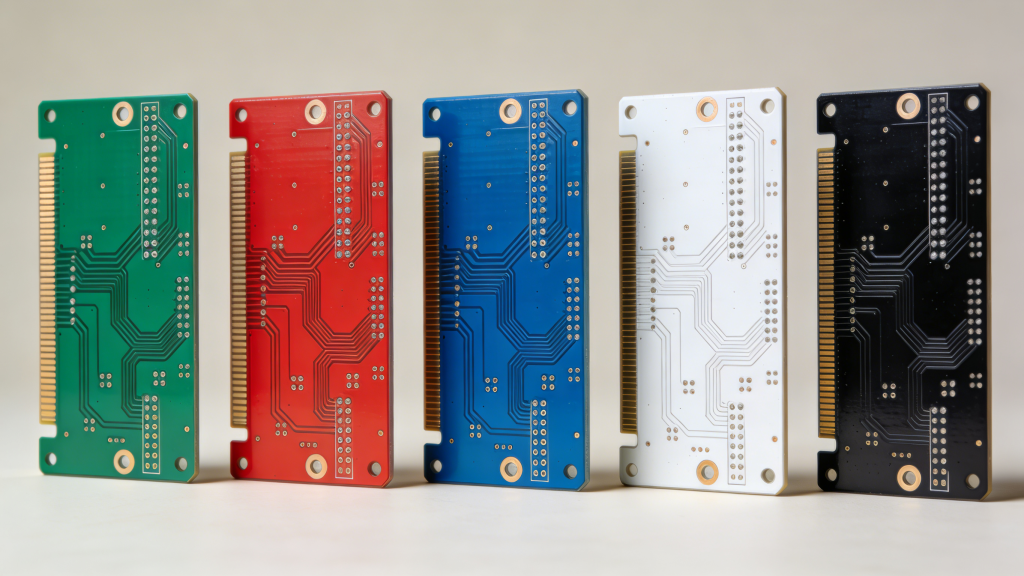
Solder mask protects copper traces from short circuits, oxidation, and environmental damage. It is available in green, black, blue, red, and white.
Silkscreen provides component labels, logos, and fiducials to support accurate PCB assembly and inspection.
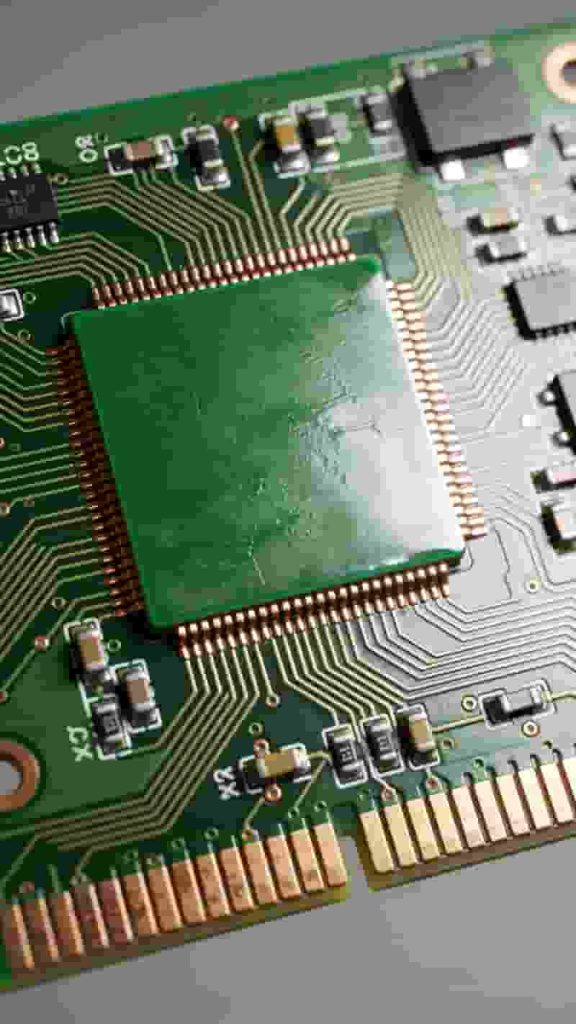
PCB Surface Finishes
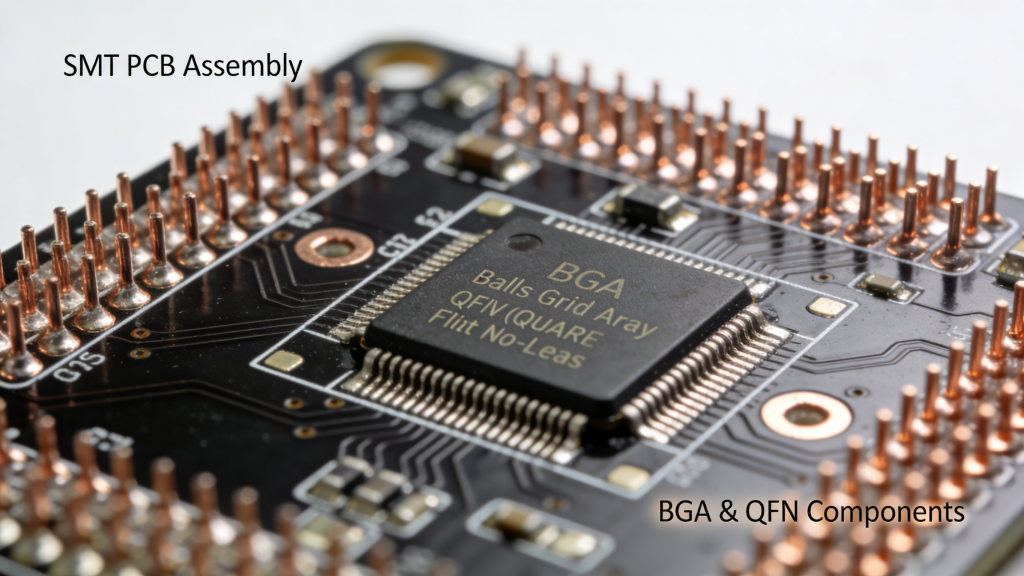
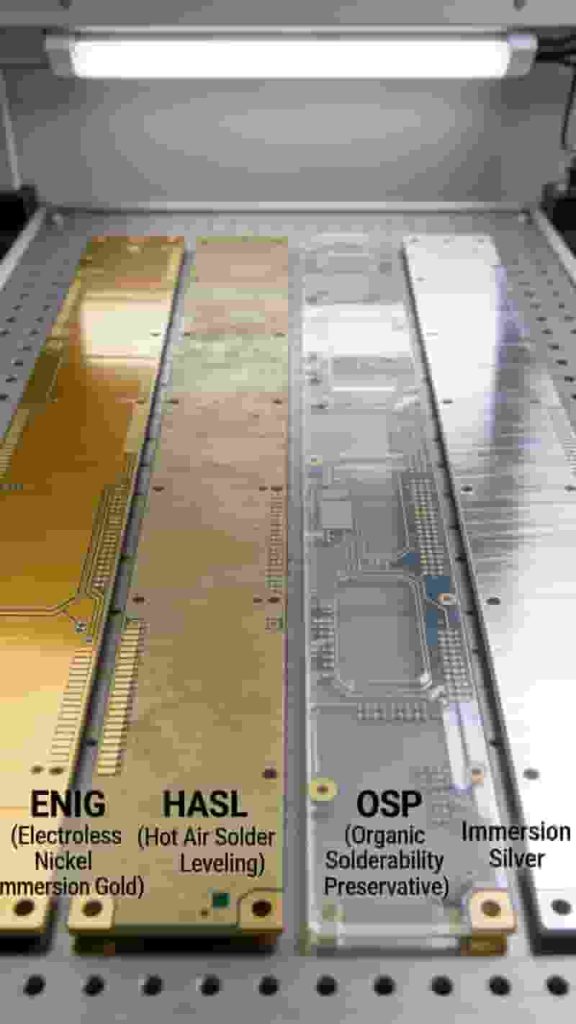
Surface finishes protect exposed copper pads and ensure strong solder bonding during PCB assembly.
Common options:
- HASL (Hot Air Solder Leveling)
- ENIG (Electroless Nickel Immersion Gold)
- OSP (Organic Solderability Preservative)
- Immersion Tin / Immersion Silver
PCB Material Comparison Table
| Material | Best For | Key Benefits |
|---|---|---|
| FR‑4 | General PCB | Cost‑effective, stable, flame‑retardant |
| High Tg FR‑4 | High‑temp PCB | Better thermal stability |
| Polyimide | Flex PCB | Flexible, heat‑resistant |
| PTFE (Teflon) | High‑frequency PCB | Low signal loss |
| Aluminum Core | Power PCB | Excellent heat dissipation |
How to Choose the Right Materials for Your PCB
Select PCB materials based on electrical performance, thermal needs, mechanical strength, manufacturing capability, and budget.
Always match substrate properties to your operating environment, signal speed, power load, and reliability requirements.
Conclusion
Understanding what PCB boards are made of helps engineers and buyers design reliable, high‑performance PCB solutions for any industry. From substrates and copper to solder mask and surface finishes, every material plays a critical role.
Choosing the right materials ensures your PCB meets performance, longevity, and cost targets for mass production and global deployment.
Need Professional PCB Support?
Get expert material selection, custom PCB design, manufacturing, and assembly solutions for your project.
Contact Us for Quote & Consultation