|

Flexible PCB Stiffeners: Materials, Benefits & Industrial Uses

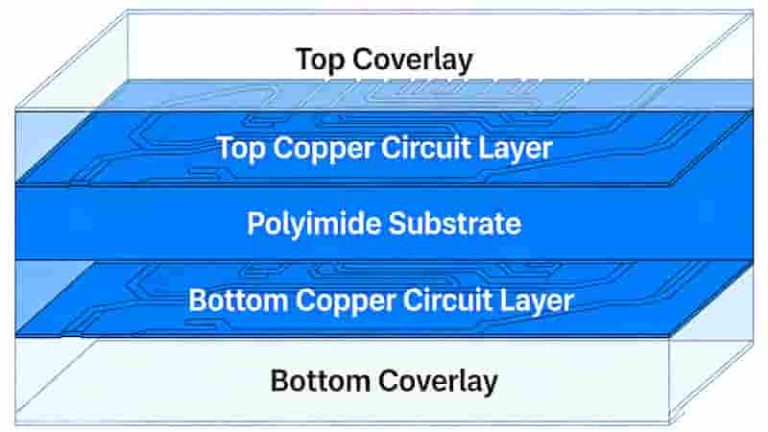
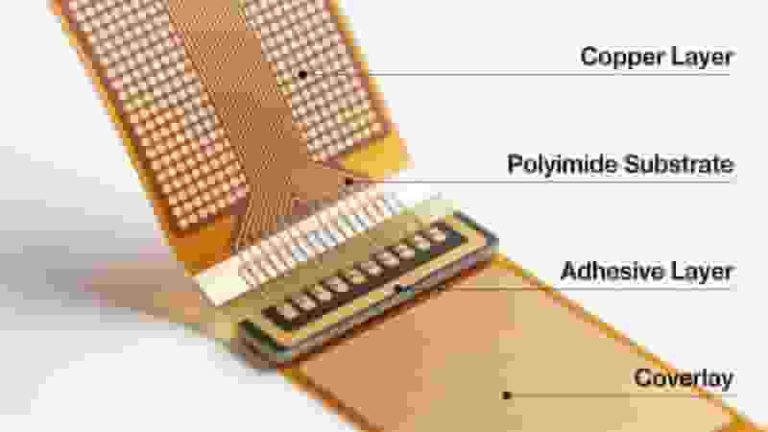
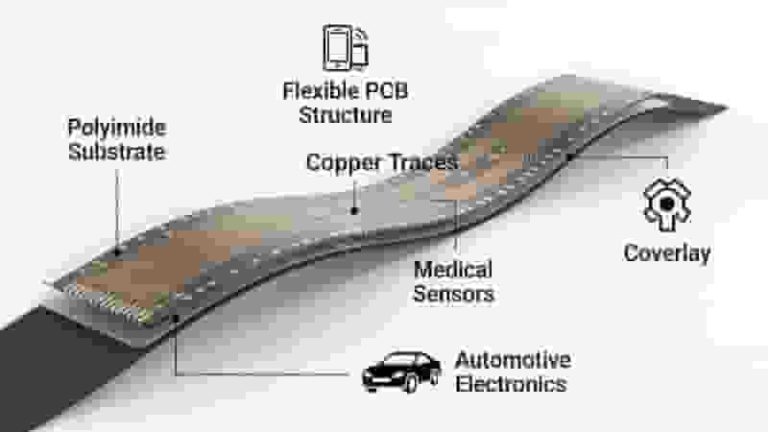
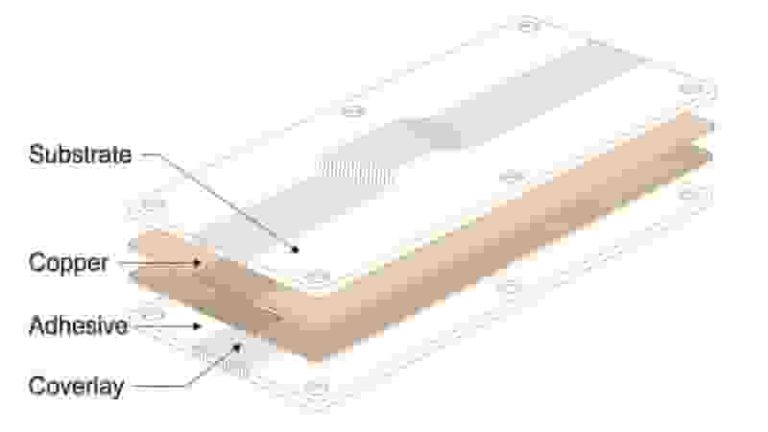
Flexible PCB Stiffener Overview Structure

Flexible PCB stiffeners add targeted rigidity to flex & rigid‑flex circuits, improving SMT yield, protecting components, stabilizing connectors, and extending service life. This professional guide covers materials, selection, design rules, and applications for global engineers and buyers.

What Are Flexible PCB Stiffeners

Flexible PCB stiffeners are non‑conductive reinforcement layers bonded to specific areas of flex circuits or rigid‑flex PCBs. They preserve overall flexibility while adding localized rigidity to prevent damage, improve assembly, and ensure reliable performance.

These components solve critical failure points: solder joint cracking, component misalignment, unstable ZIF connectors, and handling damage during manufacturing. They comply with IPC‑2223 standards and are widely used in 5G, medical, automotive, and aerospace electronics.
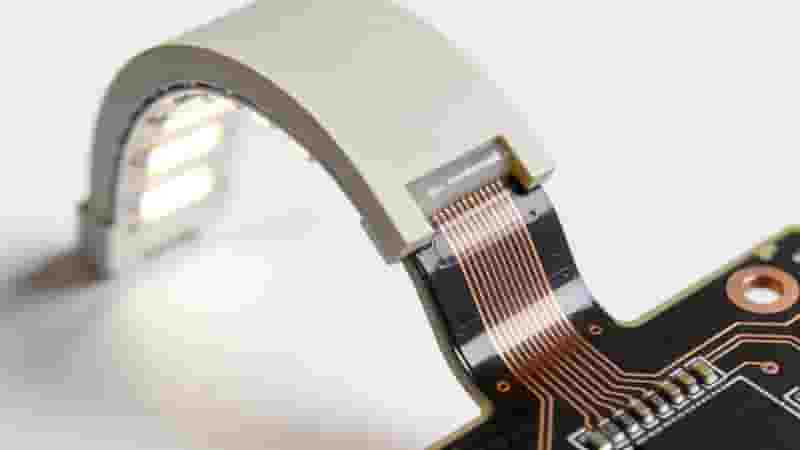
Flexible PCB Stiffener Overview Structure

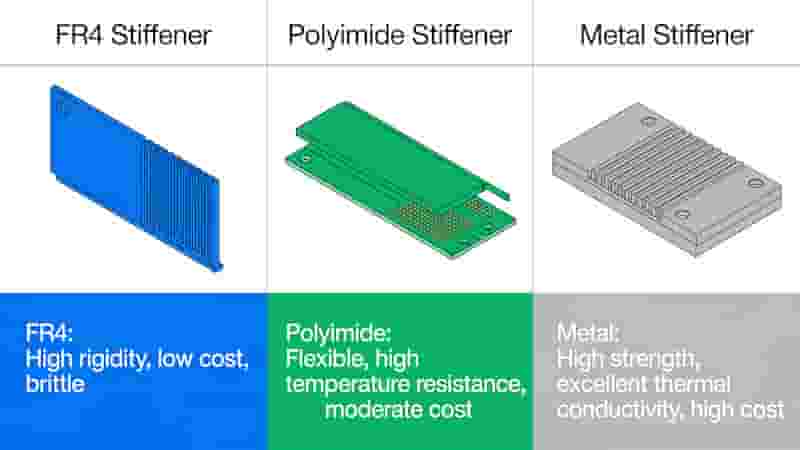
Stiffener Materials Comparison

MaterialCostStrengthHeat DissipationBest For
FR4LowHighModerateSMT/PTH support, general use
Polyimide (PI)MediumModerateLowZIF connectors, high‑precision
Stainless Steel / AluminumHighVery HighExcellentThermal management, high stress
Flex PCB Stiffener Materials FR4 PI Metal

Core Benefits of Flex PCB Stiffeners

1. Enhance Durability: Reduce flex‑induced stress and extend PCB lifespan in dynamic environments.

2. Stabilize Components & Connectors: Provide rigid surfaces for SMT assembly and ensure precise ZIF connector fit.

3. Improve Assembly Yield: Enable reliable pick‑and‑place and reflow soldering, lowering production defects.

4. Meet Industry Standards: Support compliance with IPC‑2223 for medical, aerospace, and automotive use cases.
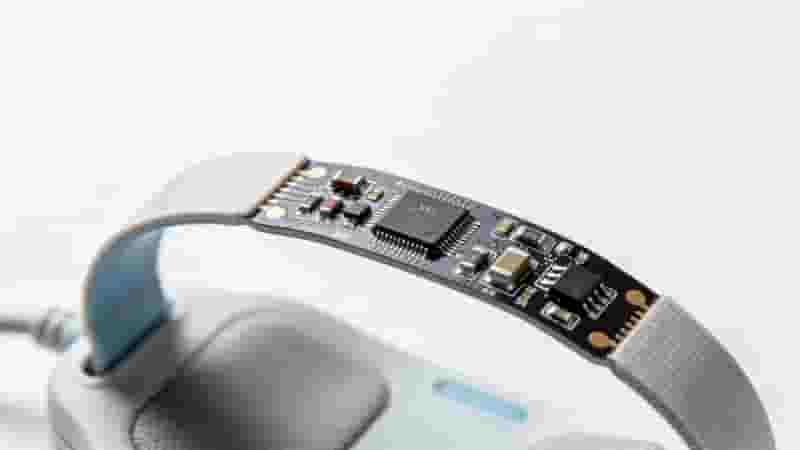
Flex PCB Stiffener Benefits Durability Assembly SMT

Industrial Applications

Flexible PCB stiffeners are essential in high‑reliability sectors:

Medical Devices: Wearables, diagnostic tools, and implantable components requiring stable connections.

5G & Telecom: High‑frequency modules needing thermal control and structural stability.

Aerospace & Automotive: Vibration‑resistant reinforcement for radar, ECU, and in‑vehicle systems.

Consumer Electronics: Foldable screens, smartwatches, and wireless earbuds for consistent performance.
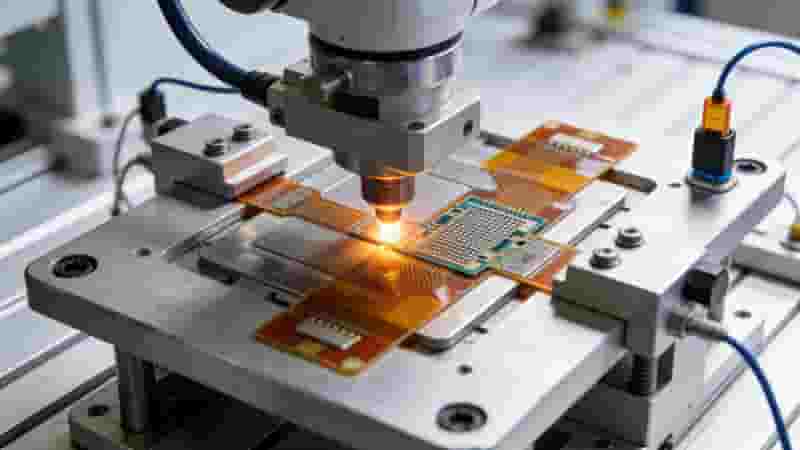
Flex PCB Stiffener Applications Medical Automotive 5G

Material & Thickness Selection

Choose flexible PCB stiffeners based on application demands:

FR4: 0.08–3.18 mm, ideal for cost‑effective SMT support.

Polyimide (PI): 25–125 µm, perfect for ZIF connector precision.

Metal: 0.1–0.45 mm, used for heat dissipation and heavy loads.

Always match thickness to connector specs and environmental stress to avoid failure.

Bonding & Assembly Methods

PSA (Pressure Sensitive Adhesive): Low‑cost, easy to apply, ideal for prototypes and consumer devices.

Thermal Bonding: Permanent, high‑strength bond for aerospace, medical, and harsh environments.

We follow strict bonding processes to ensure flexible PCB stiffeners perform reliably over the product lifecycle.

Conclusion

Flexible PCB stiffeners are critical to maximizing reliability, assembly efficiency, and service life of flex and rigid‑flex circuits. Selecting the right material, thickness, and bonding method ensures your design meets industrial performance and compliance requirements.

Get Custom Flexible PCB Stiffener Solutions

Contact us for professional stiffener design, material selection, and full flex PCB manufacturing support.

Request Quote & Consultation
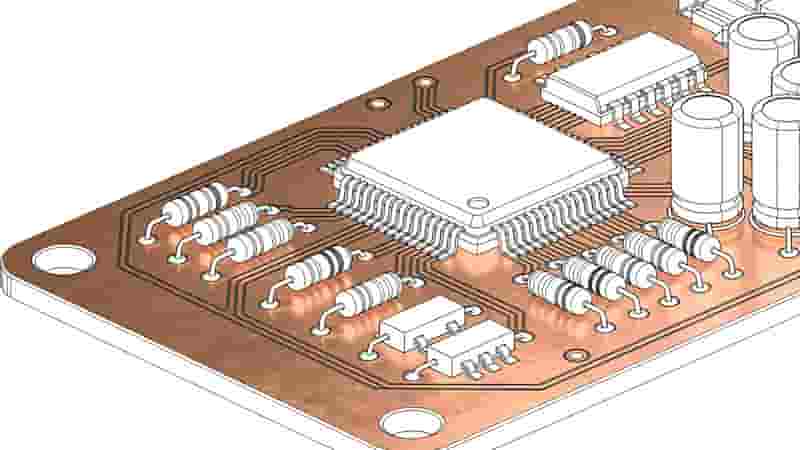
Rigid PCB Prototype FR-4 Industrial Circuit Board

Learn the Essential Requirements for PCB Prototype Manufacturing in 2025

Posted on
0 Comments
Summary: Master critical standards for PCB prototype manufacturing including file formats, design rules, layer stackup, and documentation. Optimize your prototyping workflow with expert best practices to achieve high-quality, cost-effective, and on-time PCB prototypes for industrial and engineering applications. Prototype PCB Fabrication PCB prototyping is a crucial step in the electronics design process, enabling designers to…
Affordable PCB Prototyping Benefits for Engineers and Startups

Why Choose Affordable PCB Prototyping?

Posted on
0 Comments
Affordable PCB prototyping helps engineers, startups and manufacturers validate designs quickly, cut development costs, avoid mass-production risks and speed up time-to-market without sacrificing quality or reliability. Key Benefits of Affordable PCB Prototyping Choosing affordable PCB prototyping brings measurable business and engineering advantages for every electronics project. Reduce Total Development CostEarly validation with low-cost PCB prototype…
Flexible PCB for consumer electronics, smartphone FPC, wearable PCB

Top 8 Applications of Flexible PCBs for Industrial & Electronics Manufacturing

Posted on
0 Comments
Flexible PCBs (FPCBs) deliver compact, reliable, and high-performance interconnects for consumer electronics, medical, automotive, aerospace, and industrial systems. This guide covers 8 high-value use cases for global buyers, engineers, and OEMs. Consumer Electronics & Wearables Flexible PCBs enable slim, foldable, and ergonomic designs in smartphones, foldable screens, smartwatches, and true wireless earbuds. They replace bulky…
High Tg PCB manufacturing process and production line

High Tg PCB Manufacturing for High Temperature Applications

Posted on
0 Comments
We manufacture reliable High Tg PCB boards using Tg 170–180+ FR‑4 materials, engineered for automotive, power electronics, industrial control, and telecom applications that must survive elevated temperatures and demanding duty cycles. What Is a High Tg PCB A High Tg PCB is a printed circuit board made with materials that have a higher glass transition…
PCB Surface Finish Full Comparison Table for Engineering and Procurement

Choosing the Right PCB Surface Finish for Your Project in 2025

Posted on
0 Comments
Discover the key factors in selecting a PCB surface finish, from HASL to ENIG, to optimize your project’s performance and budget. Read our guide now! Selecting the perfect surface finish for your printed circuit board can make or break the success of your project. From ensuring reliable soldering to protecting against corrosion, the right surface…
Immersion silver PCB chemical deposition process diagram

Immersion Silver PCB Surface Finish: Benefits, Applications, Cost Analysis & IPC Standards

Posted on
0 Comments
Immersion silver PCB surface finish is a lead‑free, RoHS‑compliant protective layer for copper pads, delivering balanced cost, solderability, and high‑speed signal performance. Widely used in telecom, automotive, and fine‑pitch electronics, it offers a practical alternative to ENIG and HASL. This guide covers process, pros & cons, applications, cost data, and side‑by‑side comparisons for engineering and…

FAQs About FPC Stiffener Material, Selection & Bonding Process

A: Partial reinforcement to fix connector and component area, avoid solder crack during bending, facilitate SMT placement and lift assembly yield.

A: FR4 low-cost for regular SMT area; PI for precision ZIF connector; aluminum/stainless steel for high stress & heat dissipation requirement.

A: FR4:0.08~3.18mm; PI:25~125μm; metal stiffener:0.1~0.45mm selected per design load demand.

A: PSA easy processing low cost for prototype & consumer goods; thermal lamination high bonding strength for medical/aerospace high-reliability products.

A: Medical wearable equipment, automotive ECU, 5G communication module, aerospace part and foldable consumer electronic products.

A: FPC stiffener layout and fabrication comply with global unified IPC-2223 specification requirement.

A: Aluminum/steel owns high mechanical rigidity plus excellent thermal conductivity, reinforce structure while exporting component redundant heat.

A: Connector loose displacement, solder joint fracture under repeated bending and poor contact after long-term vibration working.

Similar Posts