|

Aluminum PCB Manufacturing & Assembly Services

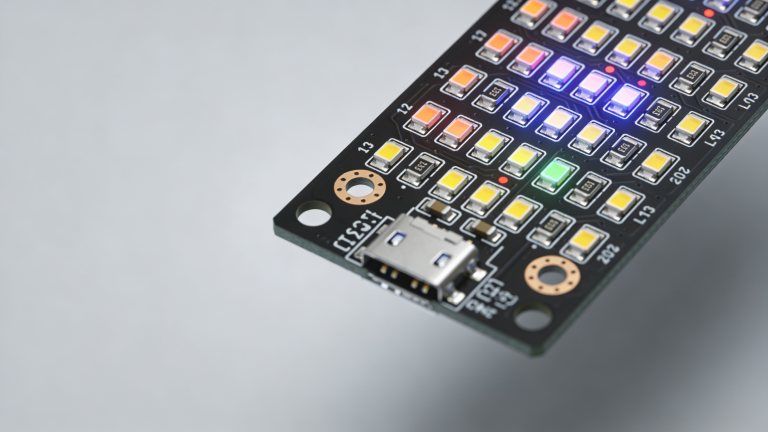
Aluminum PCB assembly SMT through hole LED board assembly

We are a trusted Aluminum PCB manufacturer and MCPCB supplier in China, delivering fast prototypes and small‑to‑medium volume production for LED lighting, power supplies, and high‑power electronics. Our in‑house lines ensure stable quality, controlled costs, and on‑time delivery for global buyers.

Aluminum PCB Manufacturing Capabilities

With 15+ years of expertise in Aluminum PCB and MCPCB fabrication, we support 1–24 layer boards, thickness 0.8–5.0 mm, and copper up to 10 oz for high‑current designs. Prototypes are available in 2–5 days with orders from 1 pc to 1000+ pieces.
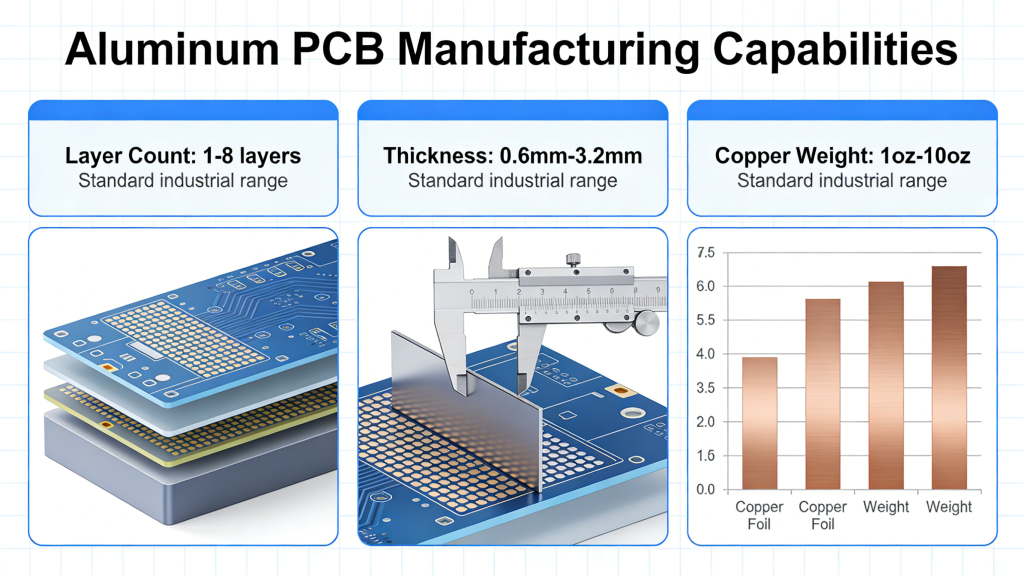
Aluminum PCB capabilities layer count thickness copper weight
ParameterSpecification
Layers1–24 layers
Board Thickness0.8–5.0 mm
Copper Weight0.5–10 oz
Min Trace/Space4 mil / 4 mil
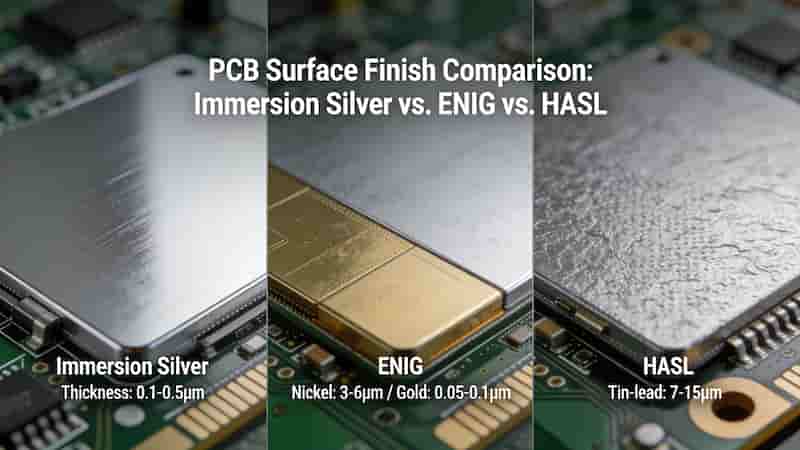
Surface FinishesHASL, Lead‑free HASL, ENIG
CertificationsRoHS, ISO, IPC Class 2

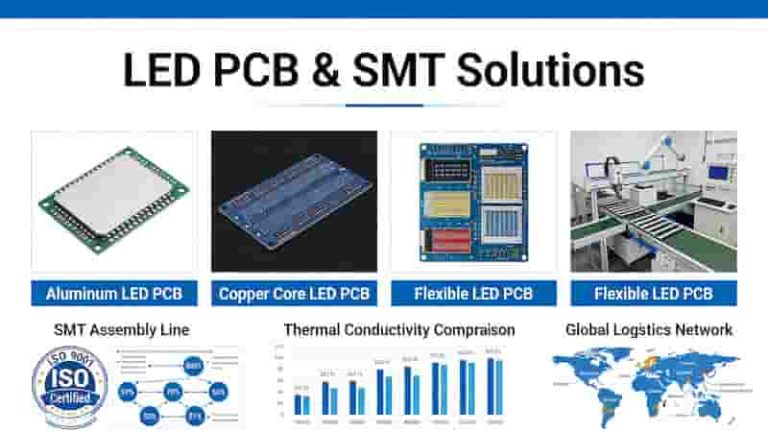
Aluminum PCB Types & Solutions

We provide a full range of Aluminum PCB types to match thermal, mechanical, and cost needs for LED, automotive, and power applications.
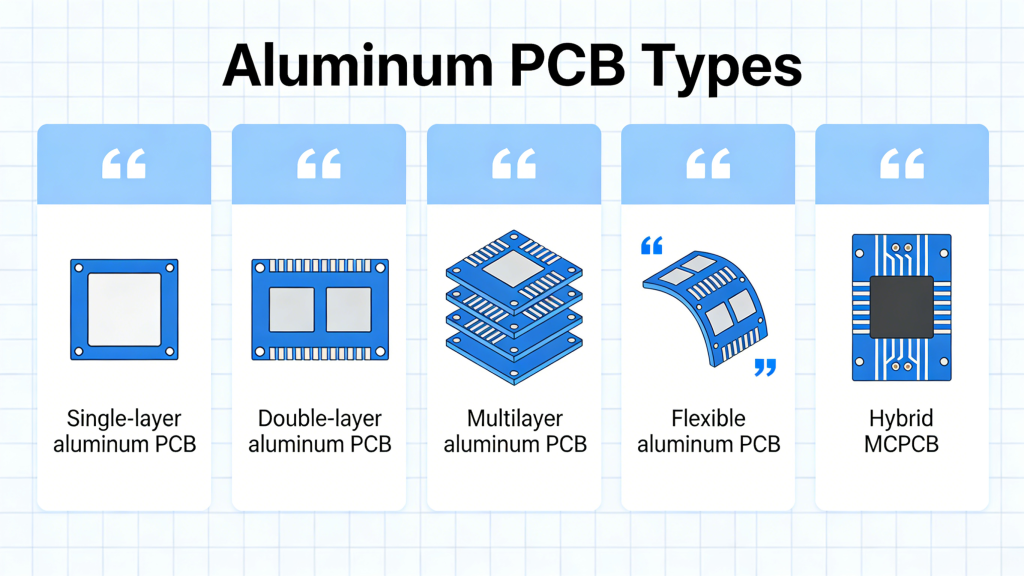
Aluminum PCB types single double multilayer flexible hybrid MCPCB
  • Single‑sided Aluminum PCB: Cost‑effective for standard LED lighting and simple power modules.
  • Double‑sided Aluminum PCB: Higher routing density for complex LED and automotive boards.
  • Multilayer Aluminum PCB: For industrial power, motor control, and high‑density designs.
  • Flexible Aluminum PCB: For curved LED lighting and compact irregular layouts.
  • Hybrid Aluminum PCB: Combines aluminum and FR4 for optimized thermal and cost performance.
  • PTH Aluminum PCB: Plated through‑holes for reliable interconnection in high‑power designs.

Aluminum PCB Assembly Services

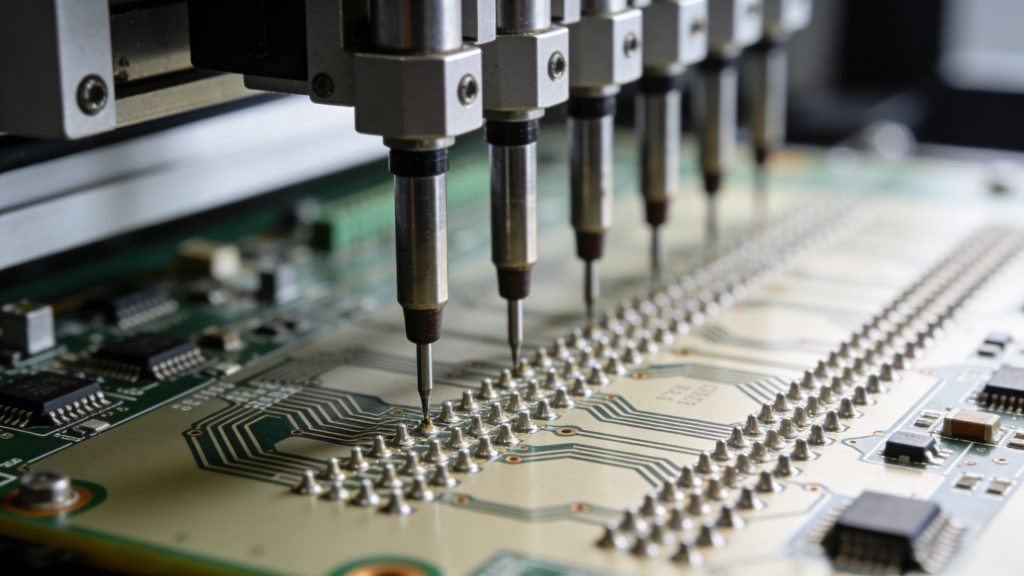
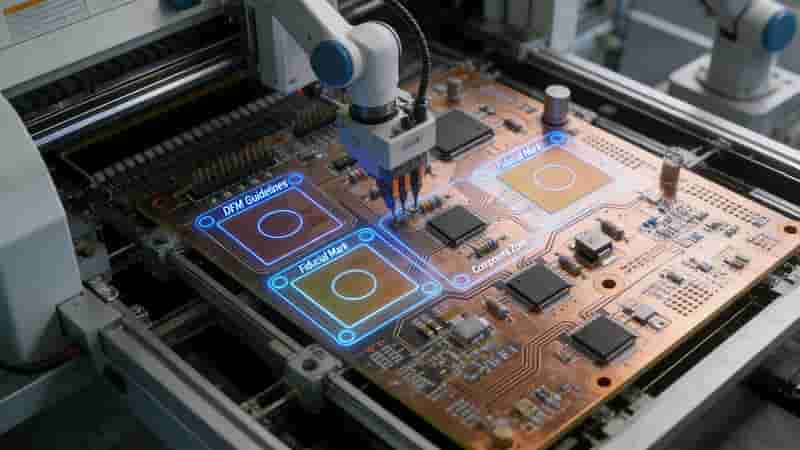
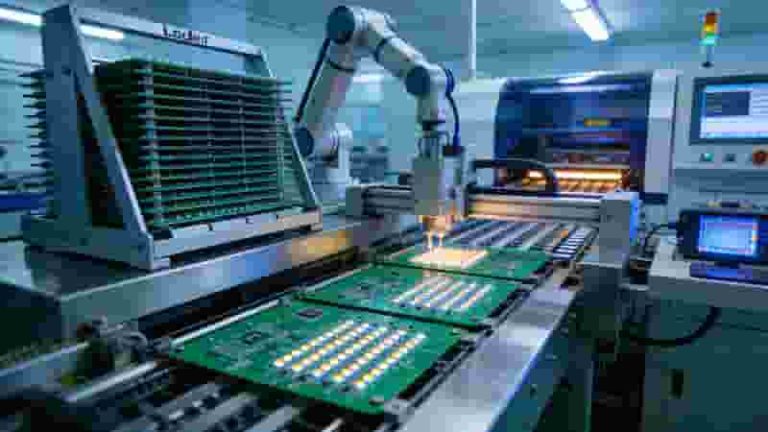
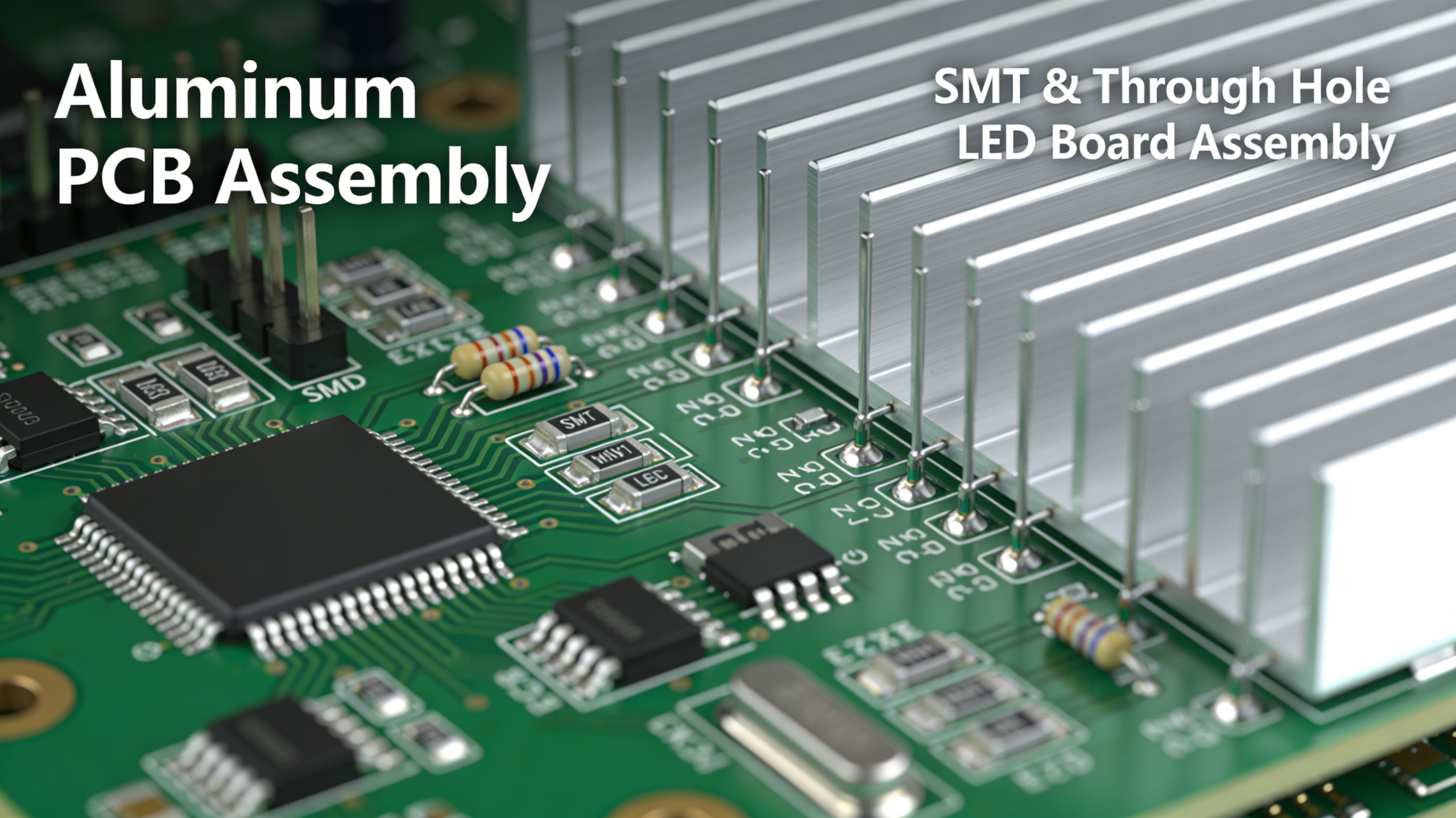
We offer one‑stop Aluminum PCB assembly including SMT, through‑hole, component sourcing, testing, and full turnkey solutions.
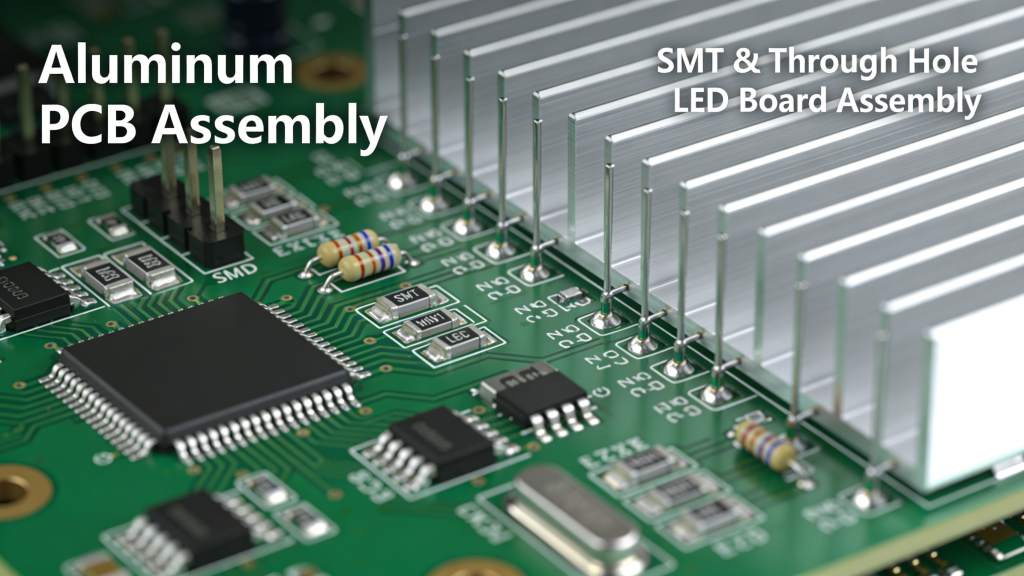
Aluminum PCB assembly SMT through hole LED board assembly
  • SMT & through‑hole assembly for Aluminum PCB and MCPCB
  • Component sourcing from approved global suppliers
  • AOI, electrical, ICT, and functional testing
  • Full assembly from Gerber, BOM, and assembly files

Aluminum PCB Structure & Working Principle

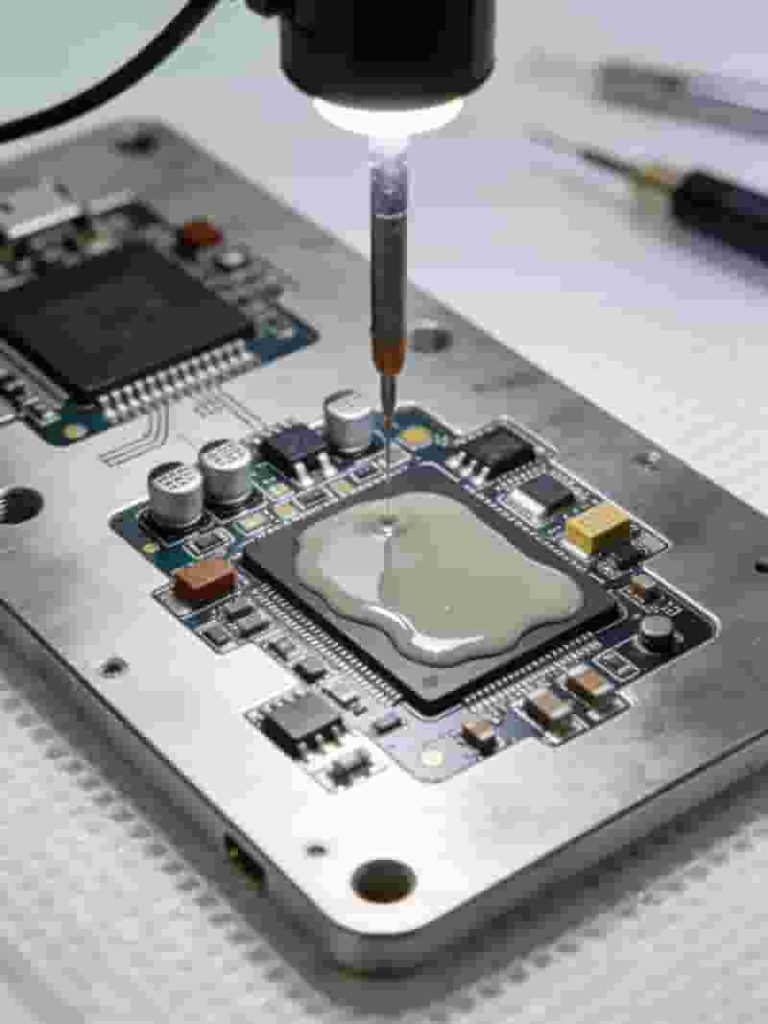
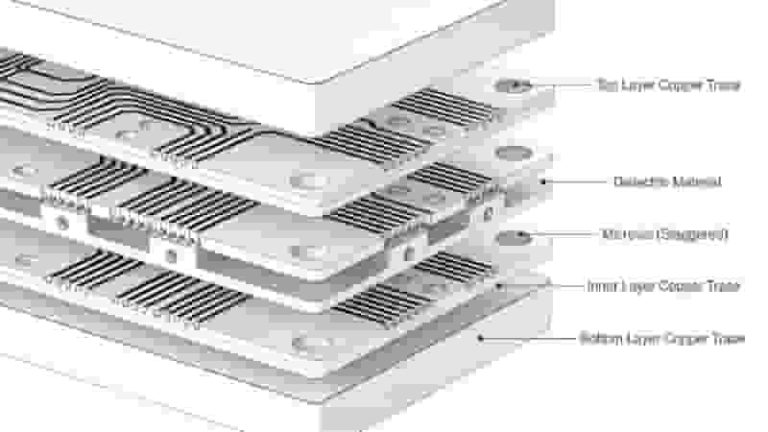
An Aluminum PCB (MCPCB/IMS board) uses a metal base instead of FR4 for superior thermal management.
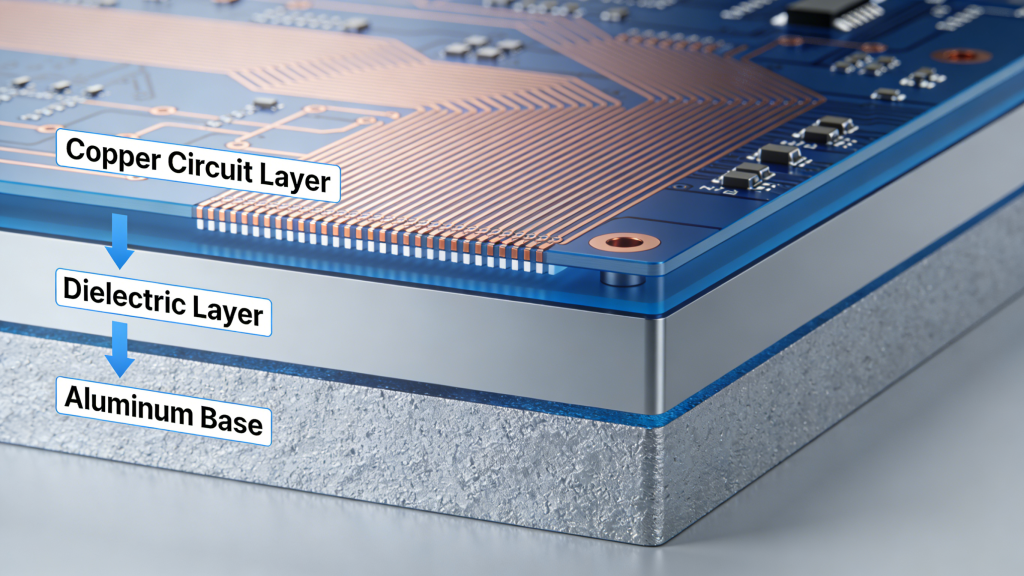
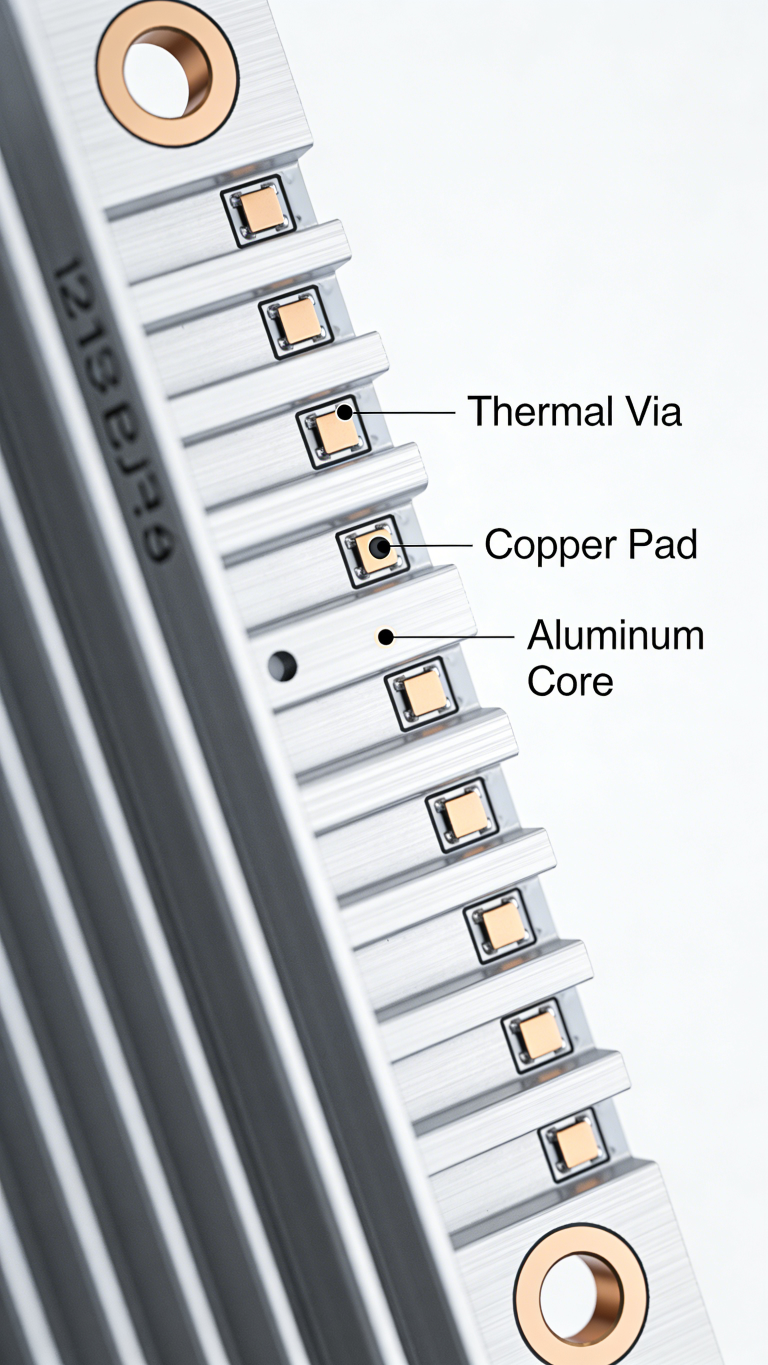
Aluminum PCB structure copper dielectric aluminum base thermal management

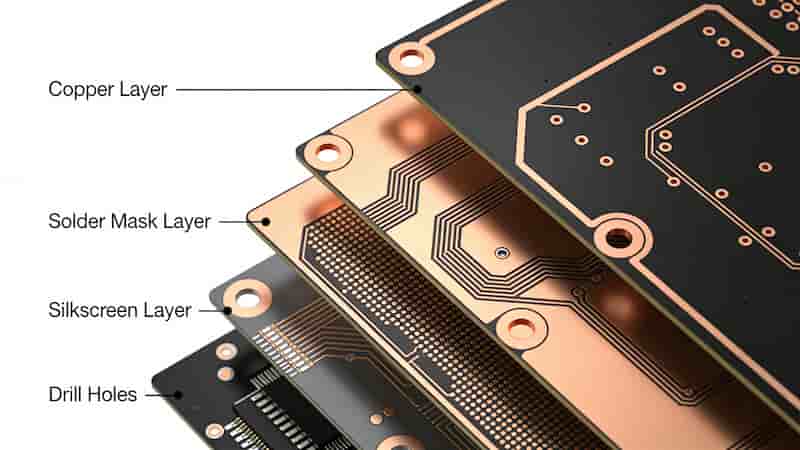
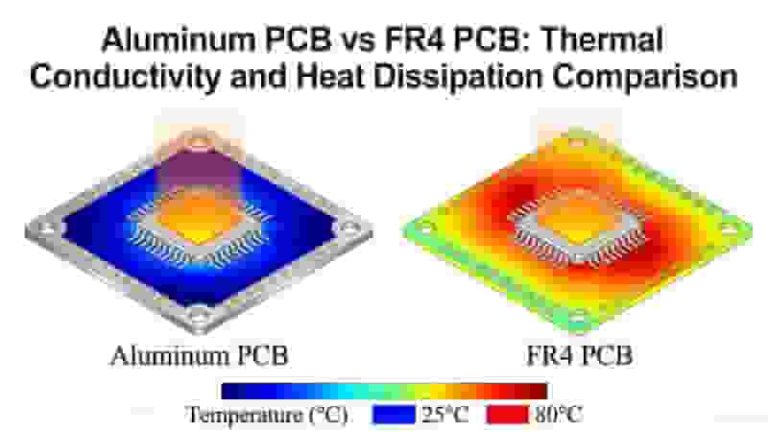
Three core layers: copper circuit, thermally conductive dielectric, and aluminum base. Heat moves quickly from components to the aluminum substrate and heat sink, lowering junction temperatures and boosting reliability.

Aluminum PCB vs FR4 PCB

ItemAluminum PCBFR4 PCB
Thermal ConductivityHighLow
Heat DissipationExcellentLimited
Typical UseLED, power, automotiveGeneral electronics
Mechanical StrengthHighMedium

Key Applications

Aluminum PCB is widely used in high‑power and high‑heat environments:

  • LED Lighting (street light, flood light, high bay, automotive lighting)
  • Power Supplies & DC‑DC Converters
  • Automotive Electronics & Lighting
  • Industrial Control & Power Equipment
  • Telecom & RF Power Modules

Aluminum PCB Manufacturing Process

  1. Material preparation & cutting
  2. CNC drilling & hole preparation
  3. Circuit imaging & etching
  4. Solder mask & silkscreen
  5. Surface finish
  6. Profile routing & V‑cut
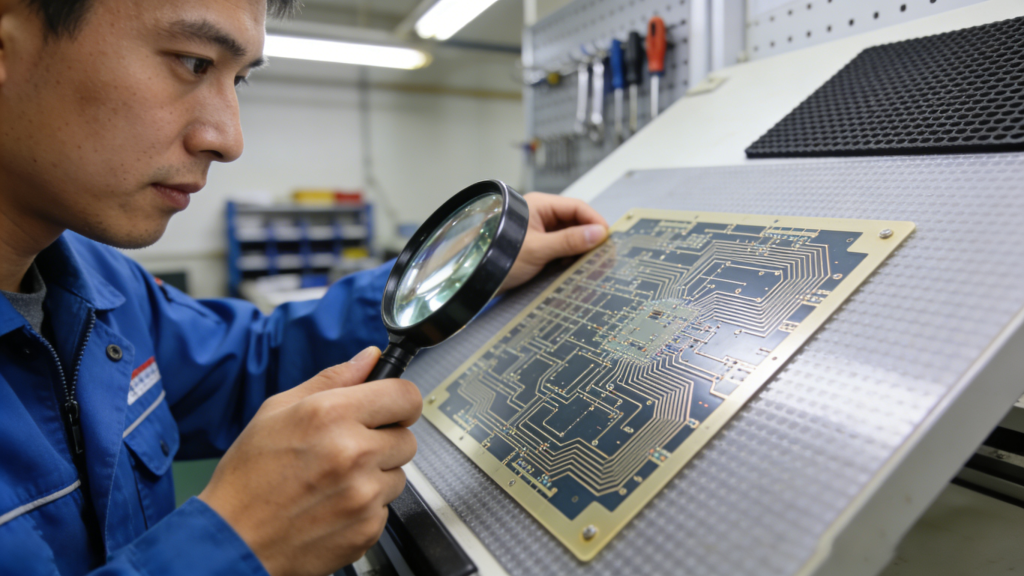
  7. Electrical test & final inspection

Aluminum PCB FAQ

What is the lead time for Aluminum PCB prototypes?
2–5 days for standard prototypes.

What is the MOQ for Aluminum PCB?
We accept 1 pc for prototypes.

Do you provide turnkey assembly?
Yes, full SMT + through‑hole assembly for Aluminum PCB.

Are Aluminum PCBs RoHS & ISO certified?
Yes, fully RoHS compliant and ISO certified.

Get Instant Aluminum PCB Quote

Ready to start your Aluminum PCB project? Send your Gerber files, BOM, and specifications to get a fast DFM review and competitive quotation.
Aluminum PCB quote inquiry DFM review custom manufacturing

Email your files to our sales team for a free quote and technical support today.
Solder Paste Printing Machine for PCB Assembly

Solder Paste and Solder Paste Printing in SMT PCB Assembly

Posted on
0 Comments
Solder paste is the foundational material for assembly manufacturer in China, enabling reliable electrical and mechanical connections between components and PCB pads. This professional guide covers definition, composition, types, storage, printing process, inspection, and best practices for industrial buyers and engineers. What Is Solder Paste in SMT PCB Assembly? Solder paste is a thixotropic composite…
FR-4 PCB 2025 trends high Tg halogen free multilayer

Why Choose FR-4 as Your PCB Material in 2025? The Definitive Engineer’s Guide

Posted on
0 Comments
FR-4 remains the most trusted, cost-effective, and versatile PCB substrate for global industrial, automotive, consumer, and medical electronics. This guide explains key electrical, mechanical, thermal, and economic reasons to select FR-4 PCB for your 2025 projects. What is FR-4 PCB Material? FR-4 (Flame Retardant 4) is a fiberglass-reinforced epoxy laminate, the global standard for printed…
Flexible PCB fabrication process flow chart

Flexible PCB Manufacturing and Assembly: The Complete 2025 Guide

Posted on
0 Comments
This professional guide covers flexible PCB materials, fabrication, SMT assembly, quality control, and best practices for engineers, buyers, and global importers. Learn how to ensure reliability, consistency, and cost efficiency for your flex PCB projects. Why Choose Flexible PCBs? Flexible PCB devices offer distinct advantages over rigid PCBs, making them ideal for modern electronics with…
PCB microvia structure HDI PCB miniaturization technology

The Essentials of Microvias – Enabling Miniaturization in PCBs

Posted on
0 Comments
Microvias are core interconnect structures that enable extreme miniaturization in PCBs. This guide covers definitions, types, fabrication, reliability, applications, and design best practices for global industrial buyers, engineers, and procurement teams. What Are PCB Microvias? As printed circuit boards are designed to pack more components into increasingly compact spaces, microvias play a crucial role in…
ENIG PCB benefits flat surface SMT BGA assembly PCB

PCB Immersion Gold (ENIG) Surface Finish: Benefits, Process & Full Guide

Posted on
0 Comments
PCB Immersion Gold (ENIG) is a premium lead-free surface finish delivering superior solderability, flatness and oxidation resistance for high-reliability printed circuit boards. This guide explains definition, advantages, limitations, manufacturing steps and comparisons for engineers and global buyers. What Is PCB Immersion Gold (ENIG) Surface Finish Electroless Nickel Immersion Gold (ENIG) is a widely adopted chemical…
Rapid PCB Prototyping Service Overview

Rapid PCB Prototyping | Fast-Turn PCB Fabrication Services

Posted on
0 Comments
We provide high-quality, fast-turn PCB fabrication services to bring your ideas to life. From single-sided to multilayer PCBs, our rapid PCB prototyping ensures quick delivery starting at just 8 hours for double-sided prototypes and 24-72 hours for small batches. Trust our advanced equipment and strict quality standards to streamline your design process. Why Choose Us…

FAQs About Aluminum PCB (MCPCB)

A: Also called MCPCB or IMS board, it adopts aluminum base material with high thermal conductivity for excellent heat dissipation, widely used for high-power electronics and LED products.

A: 1–24 layers, board thickness 0.8–5.0 mm, copper weight up to 10 oz, minimum trace/space 4mil/4mil, available with multiple surface finishes.

A: We offer single-sided, double-sided, multilayer, flexible, hybrid and PTH aluminum PCBs for different application scenarios.

A: Aluminum PCB has much better thermal conductivity and heat dissipation performance, ideal for high-heat devices, while FR4 is for common electronic products.

A: Mainly applied in LED lighting, power supplies, automotive electronics, industrial control and telecom power modules.

A: Prototype lead time is 2–5 days, and we support MOQ as low as 1 piece.

A: Yes. We provide full turnkey services including SMT, through-hole assembly, component sourcing and various functional tests.

A: All products meet RoHS, ISO and IPC Class 2 standards to satisfy global market requirements.

Similar Posts