Immersion silver PCB surface finish is a lead‑free, RoHS‑compliant protective layer for copper pads, delivering balanced cost, solderability, and high‑speed signal performance. Widely used in telecom, automotive, and fine‑pitch electronics, it offers a practical alternative to ENIG and HASL. This guide covers process, pros & cons, applications, cost data, and side‑by‑side comparisons for engineering and procurement teams.
What Is a PCB Surface Finish?
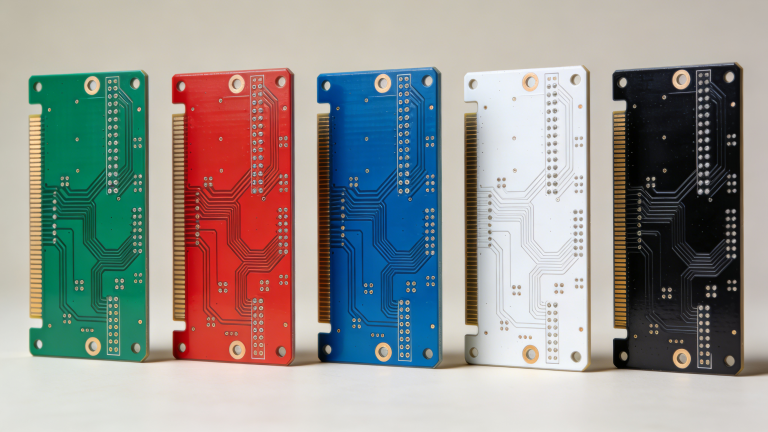
A PCB surface finish protects exposed copper from oxidation, improves solderability, and secures component bonding. Common types include immersion silver PCB surface finish, ENIG, HASL, OSP, and immersion tin. Each differs in cost, durability, shelf life, and suitability for high‑speed or fine‑pitch designs.
How Does Immersion Silver Work?
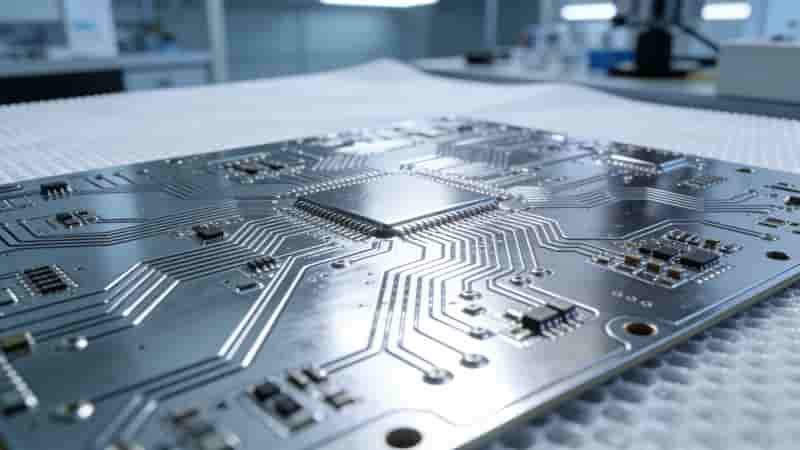
Immersion silver PCB surface finish uses a chemical displacement reaction: silver ions replace surface copper atoms to form a uniform layer of 5–18 µin (0.125–0.45 µm).
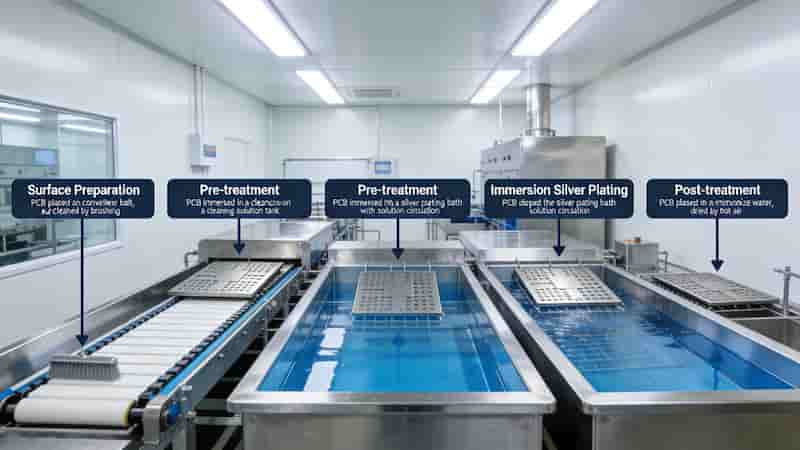
Process steps:
- Micro‑etching to improve adhesion
- Silver deposition at 40–60°C, pH 4–6
- Anti‑tarnish treatment for extended shelf life
Reaction: Cu + 2Ag⁺ → Cu²⁺ + 2Ag
IPC data shows immersion silver PCB holds 15% of global surface finish usage due to cost‑performance balance.
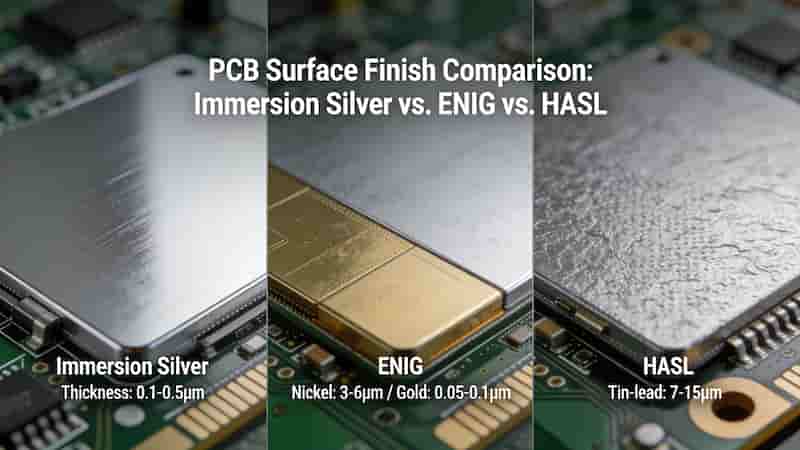
Key Benefits of Immersion Silver PCB Surface Finish
- Cost efficiency: 20–30% lower than ENIG for 2–layer boards
- Superb solderability: Uniform wetting reduces assembly defects
- RoHS & lead‑free: Compliant with global environmental standards
- Multiple reflows: Stable for 3–5 thermal cycles
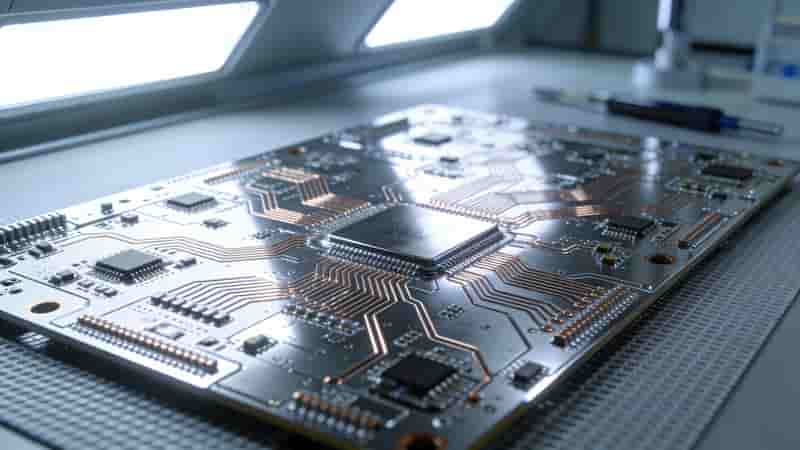
- High conductivity: Ideal for 5G, RF, and high‑speed signals
- Flat surface: Supports fine‑pitch components (0402, 0201, QFN)
- No black pad risk: More reliable than ENIG in critical assemblies
Limitations & Mitigation
While immersion silver PCB surface finish performs well, it has manageable weaknesses:
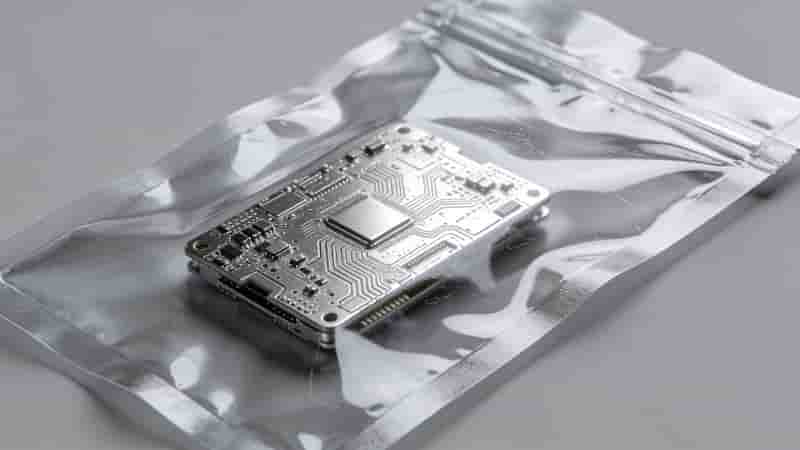
- Tarnishing in sulfur or high humidity → vacuum packing extends shelf life to 6–12 months
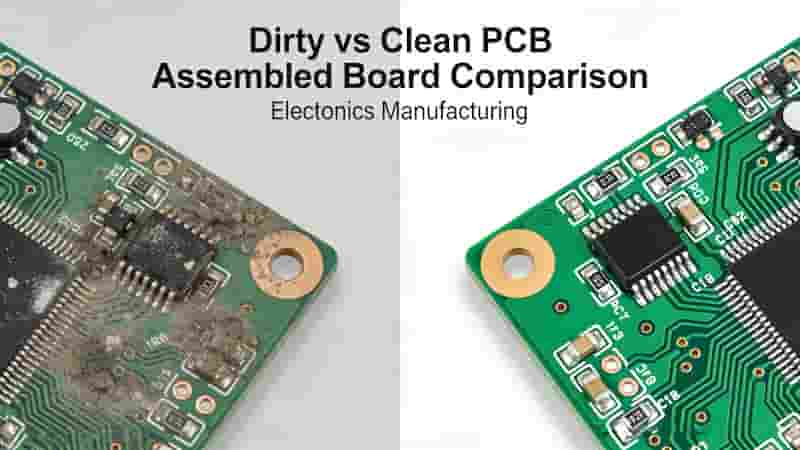
- Potential micro‑voids in high moisture → controlled assembly environment
- Handling sensitivity → ESD‑safe processing and clean assembly
Industry Applications
Immersion silver PCB fits high‑performance, cost‑conscious industries:
- Telecom: 5G base stations, RF modules, high‑speed routers
- Automotive: ADAS, EV controllers, radar sensors
- Consumer electronics: Smartphones, wearables, tablets
- Medical: Diagnostic tools, imaging equipment
- Aerospace: Satellite communication modules
Immersion Silver vs ENIG vs HASL Comparison
| Feature | Immersion Silver | ENIG (Immersion Gold) | HASL |
|---|---|---|---|
| Cost | 20–30% cheaper than ENIG | High | Lowest |
| Shelf Life | 6–12 months (sealed) | 12+ months | 6–12 months |
| Solderability | Excellent | Excellent | Good |
| Fine‑Pitch Fit | Excellent | Excellent | Poor |
| RoHS | Compliant | Compliant | Leaded: Non‑compliant |
How to Choose a Reliable Immersion Silver PCB Manufacturer
To ensure consistent immersion silver PCB surface finish quality, look for:
- IPC‑4553 certified process
- XRF thickness testing
- Automated deposition lines
- DFM support for high‑speed designs
- Quick quotes and flexible lead times
We provide IPC‑compliant fabrication, strict quality control, and full engineering support for immersion silver PCB projects worldwide.
Conclusion
Immersion silver PCB surface finish is a cost‑effective, high‑performance solution for modern electronics. It excels in high‑speed signal integrity, fine‑pitch compatibility, and RoHS compliance, making it a top choice for telecom, automotive, and consumer devices. With proper storage and manufacturing control, it delivers reliable performance at a lower cost than ENIG.
Start Your Immersion Silver PCB Project
Get a fast, detailed quote for immersion silver PCB manufacturing & assembly. Send your Gerber files or BOM for professional evaluation.
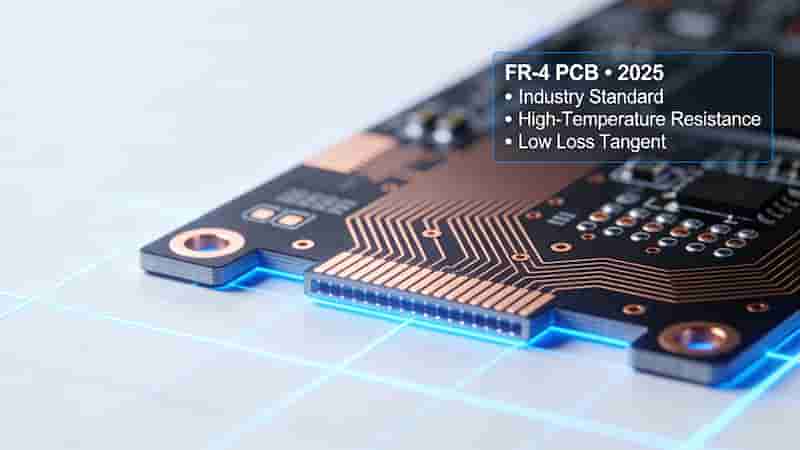
Why Choose FR-4 as Your PCB Material in 2025? The Definitive Guide
Professional LED PCB Manufacturing & Assembly Services
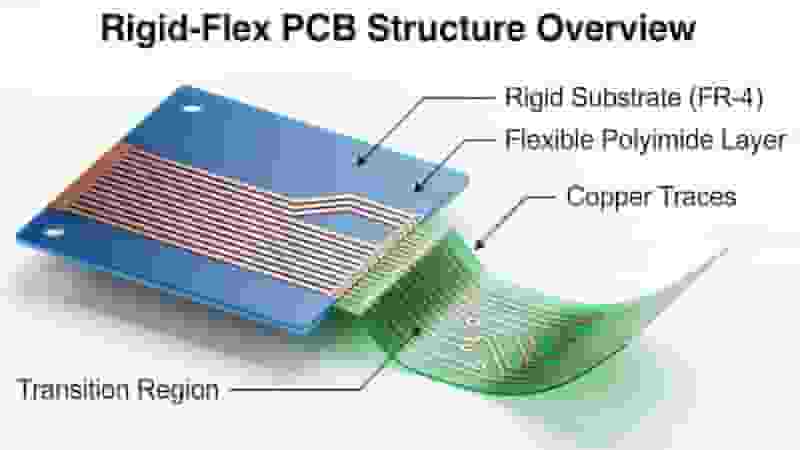
Ultimate Guide to Rigid-Flex PCB Manufacturing: Process, Materials & Quality
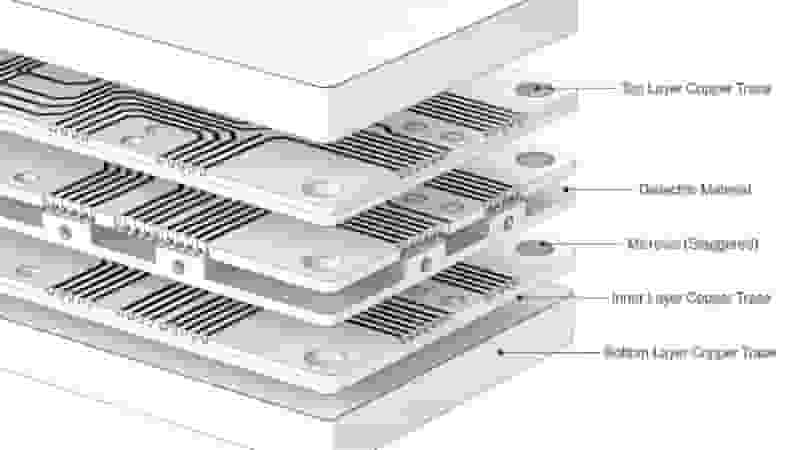
The Essentials of Microvias – Enabling Miniaturization in PCBs
PCB & PCBA Manufacturing Files: Complete Guide for Production & Quotation