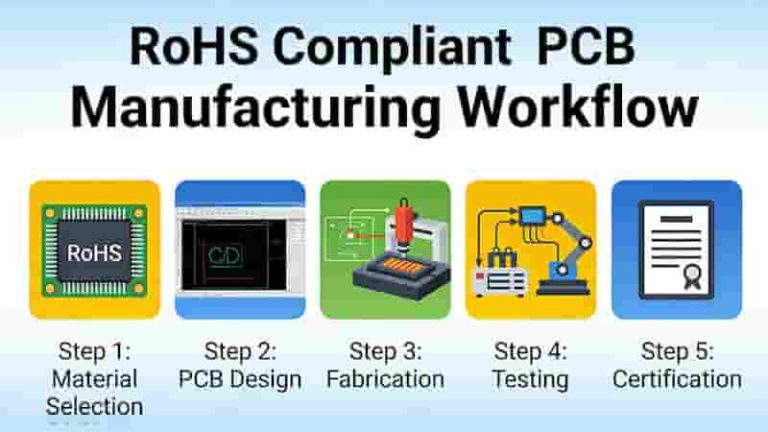
IPC standards are the global quality benchmarks for PCB manufacturing and PCB assembly. This guide covers core specifications, classification, inspection criteria, compliance, and practical value to help global buyers source reliable, high-quality PCB and PCBA products.
What Are IPC Standards?
IPC (Association Connecting Electronics Industries) is the global governing body for electronics interconnection standards. IPC standards unify design, production, inspection, and documentation for PCB manufacturing and assembly worldwide.
These standards are recognized by ISO, IEC, and global electronic assembly industries, ensuring consistency, reliability, and market access for international buyers.
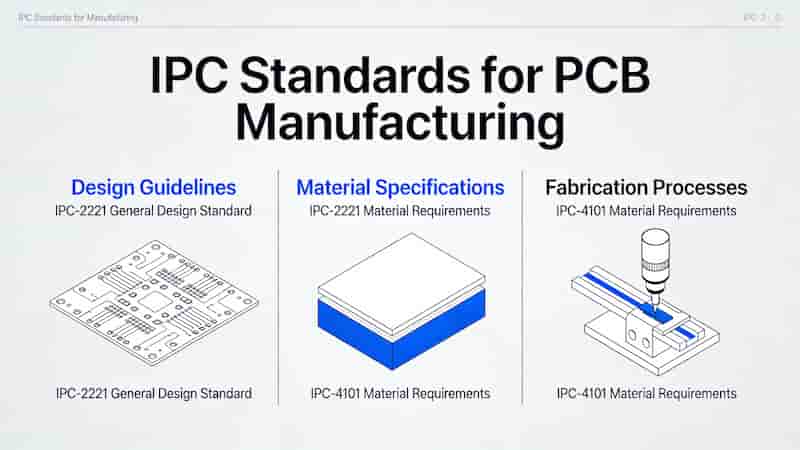
Core IPC Standards for PCB & PCBA
Below are the most widely used IPC standards for PCB fabrication and assembly:
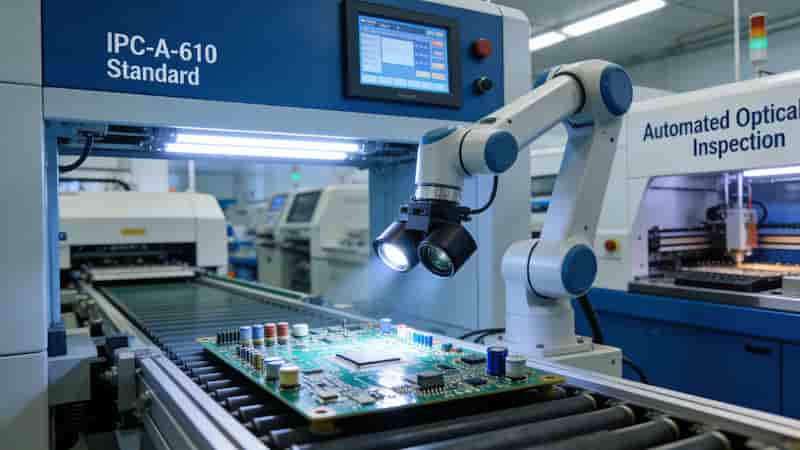
- IPC-A-610: Acceptability of Electronic Assemblies (most globally adopted)
- IPC-A-600: Acceptance Criteria for Bare Printed Boards
- J-STD-001: Soldering Requirements for Electrical Assemblies
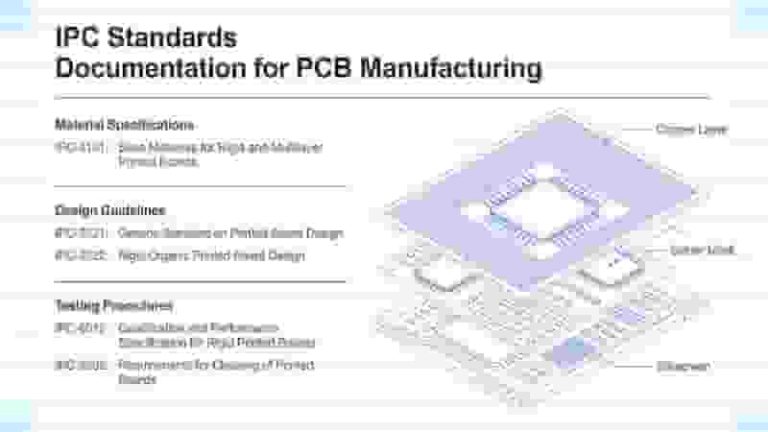
- IPC-6012: Qualification & Performance for Rigid PCBs
- IPC-2221: Generic Standard for PCB Design
- IPC-4552/4553/4556: Surface Finish Standards (ENIG, ImAg, ENEPIG)
- IPC-9252: Electrical Testing for Unpopulated PCBs
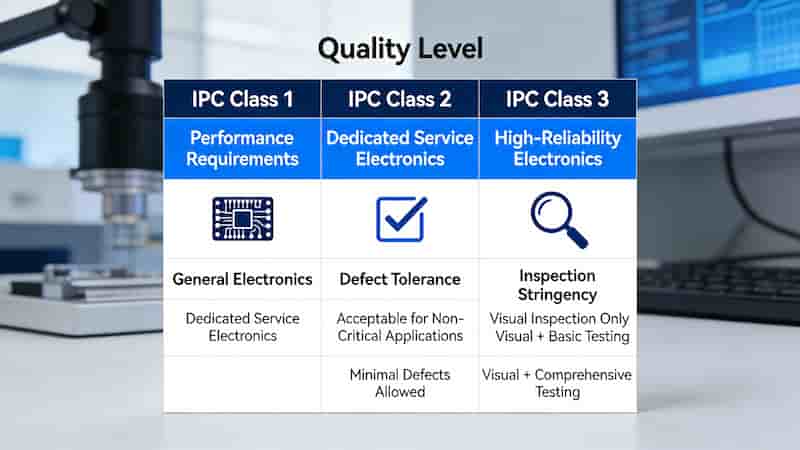
IPC Class 1, 2, 3 Comparison
| Class | Application | Reliability Level |
|---|---|---|
| Class 1 | General Consumer Electronics | Basic |
| Class 2 | Industrial / Dedicated Service | Medium (Default for Most PCB) |
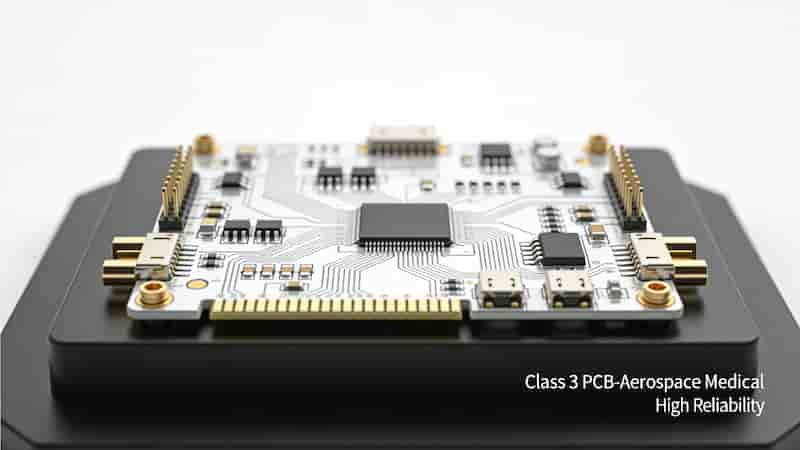
| Class 3 | Medical, Aerospace, Military, High-Reliability | Highest |
Why IPC Compliance Matters for Global Buyers
Adhering to IPC standards directly improves PCB manufacturing quality and reduces risks for international buyers:
- Uniform global quality language between buyers and suppliers
- Lower defect rates and rejection in assembly and testing
- Extended product lifespan and higher field reliability
- Compliance with import regulations in EU, North America, and Asia
- Clear inspection criteria to avoid disputes
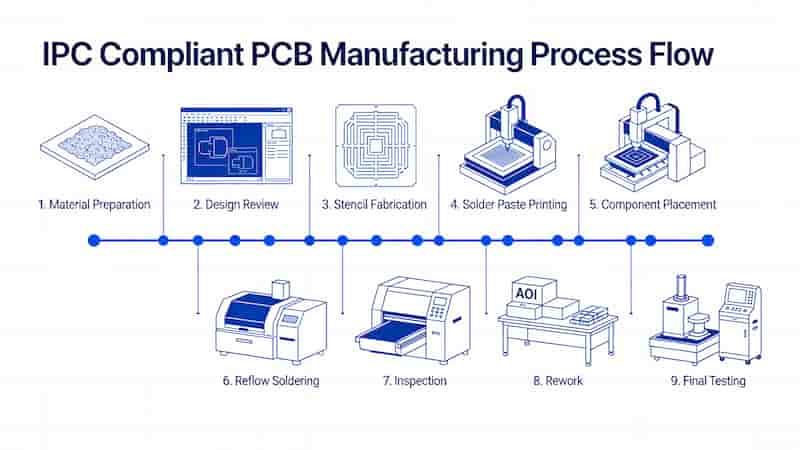
Our IPC-Compliant PCB Manufacturing & Assembly
We strictly follow IPC standards for all PCB manufacturing and assembly processes, supporting Class 1, 2, and 3 requirements.
- Full compliance with IPC-A-610, IPC-A-600, J-STD-001
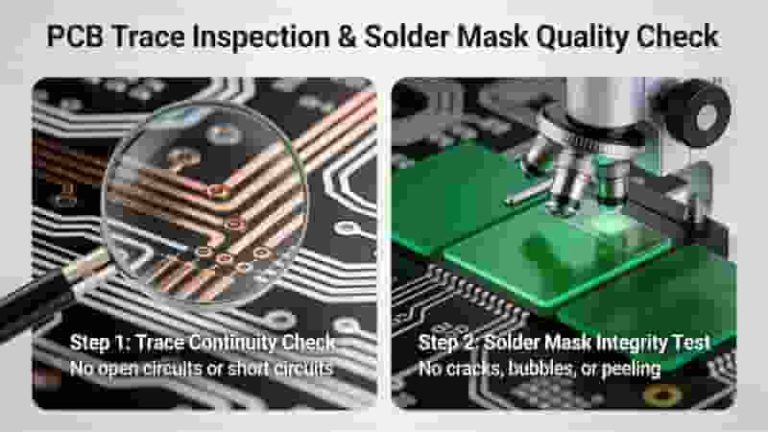
- Automated optical inspection (AOI) per IPC criteria
- Electrical testing per IPC-9252
- DFM analysis aligned with IPC-2221 design rules
- Full documentation and traceability for global customs and audits
Conclusion
IPC standards are essential for consistent, reliable, and market-ready PCB manufacturing and assembly. For global buyers, choosing IPC-compliant suppliers ensures predictable quality, reduced costs, and smooth international logistics.
We specialize in IPC-aligned PCB production for industrial, medical, automotive, and consumer electronics markets worldwide.
Inquiry & Custom Quote
Need IPC-compliant PCB manufacturing, assembly, or customized solutions?
Send us your Gerber files, BOM, and target IPC class for a free, detailed quote.
We support rapid prototyping, mass production, and global door-to-door delivery.
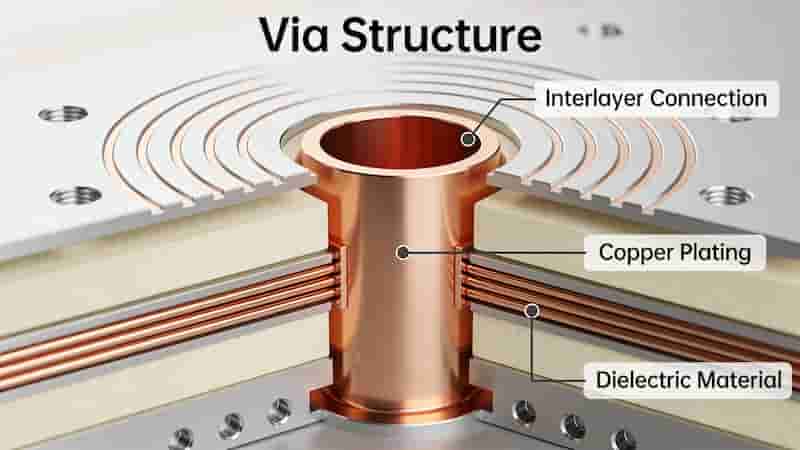
PCB Vias Explained: Through, Blind, and Buried Vias for Industrial PCB Design
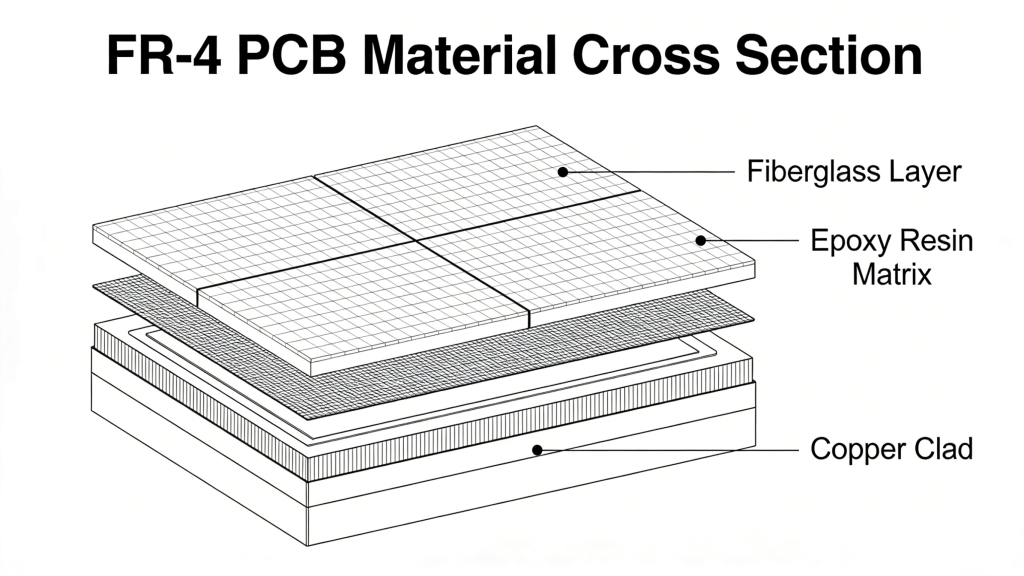
Why Choose FR-4 PCBs in 2025? Benefits, Applications & Custom Solutions for 5G, IoT & EVs
PCB Classification Guide: Types, Applications & Selection for Industrial Buyers

High-Performance Copper Core PCBs for LED and Power Applications
How to Test a PCB for Short Circuit: Complete Professional Guide