PCB & PCBA Manufacturing Files: Complete Guide for Production & Quotation

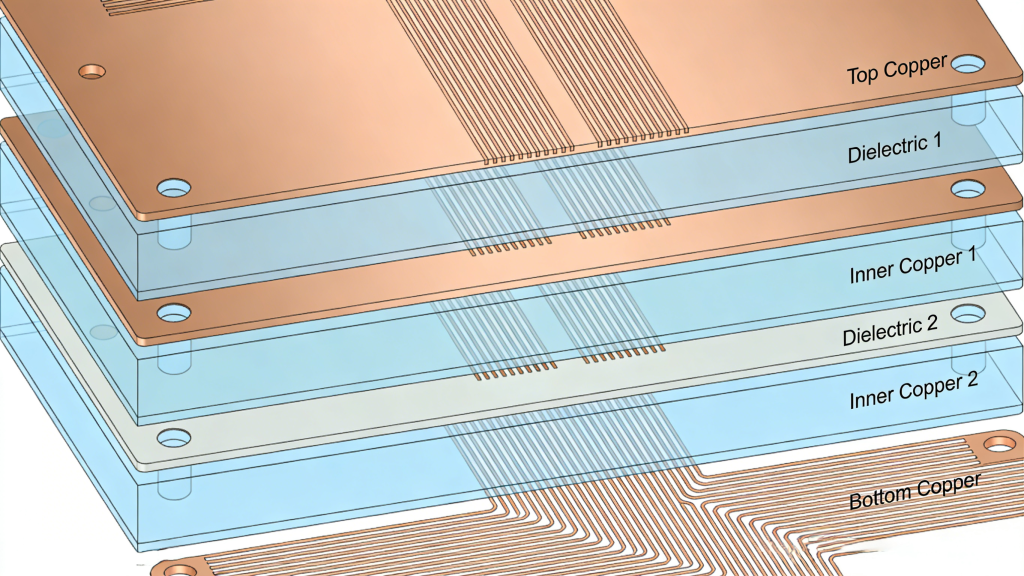
PCB Gerber File Structure and Layer Diagram

This guide details all essential PCB & PCBA manufacturing files, including Gerber files, BOM lists, NC Drill files, Centroid files, and other critical documents. It provides professional standards, format requirements, and technical parameters to ensure accurate quotes, error-free production, and reliable PCB assembly for global industrial buyers, engineers, and procurement teams.

Core Files for PCB Manufacturing

Professional PCB fabrication requires complete, standardized files to avoid production errors and ensure design consistency. The mandatory files include:

  • Gerber Files (RS-274X / Gerber X2) – Industry standard for layer imaging
  • NC Drill File (Excellon Format) – Defines hole positions and sizes
  • .BRD / .PCB / .PCBDOC Files – Native design source files
  • Stack-Up & Impedance Control Documents – For high-speed boards
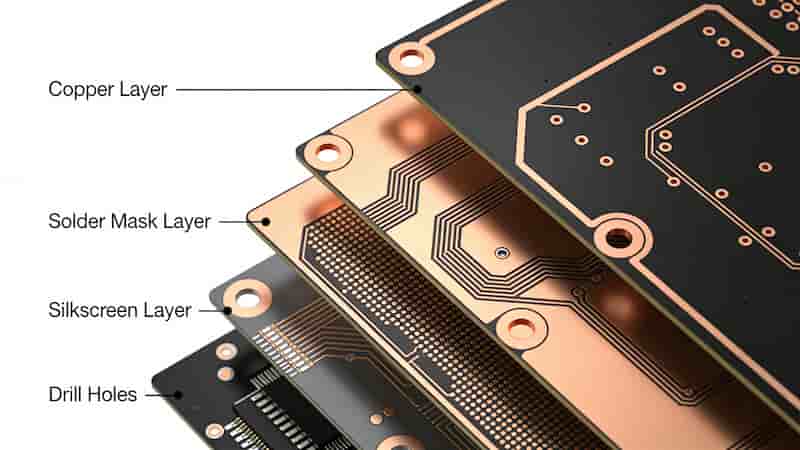
PCB Gerber File Structure and Layer Diagram

Gerber Files: Standards & Versions

Gerber is the global de facto standard for PCB image description. It defines copper layers, solder mask, silkscreen, and paste mask.

Gerber Format Versions

  • Gerber X2 – Latest version with integrated attribute data
  • RS-274X (Extended Gerber) – Most widely used industry format
  • RS-274D (Standard Gerber) – Obsolete, not recommended

Each layer requires one Gerber file. A typical 2-layer PCB needs 6 Gerber files: top/bottom copper, top/bottom solder mask, top/bottom silkscreen.
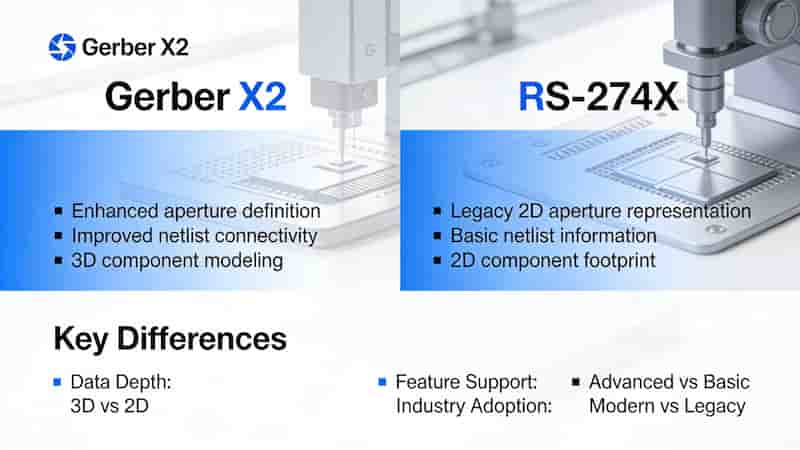
Gerber X2 vs RS-274X Comparison for PCB Manufacturing

NC Drill File (Excellon Format)

The NC Drill file provides precise drilling coordinates, hole sizes, and tool numbers. It must match Gerber layer data to avoid misalignment in PCB production.

Required Files for PCBA Assembly

Reliable PCBA assembly depends on complete, accurate files for SMT placement, component sourcing, and quality control.

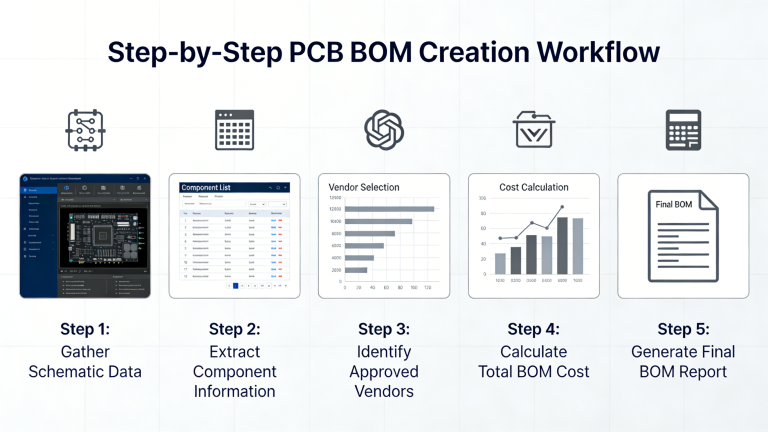
Bill of Materials (BOM)

A complete BOM includes: reference designators, quantity, description, manufacturer part number (MPN), package, and tolerance.

Centroid File (Pick & Place / XY Data)

This file defines X/Y coordinates, rotation, and layer (top/bottom) for each SMT component, enabling automated SMT assembly.
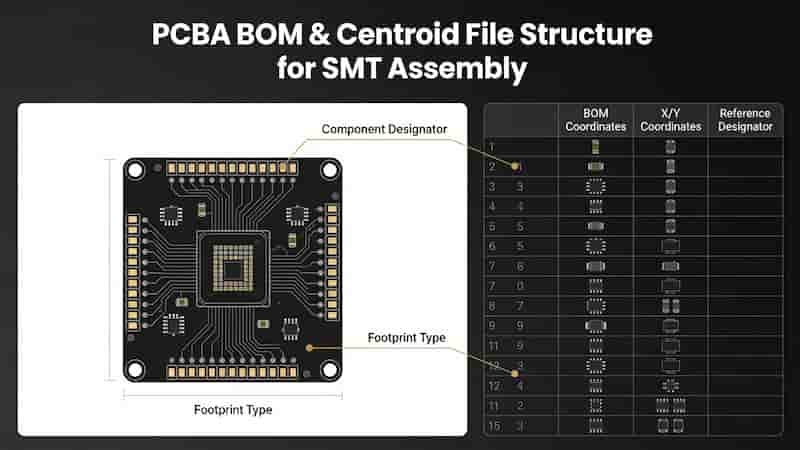
PCBA BOM and Centroid File Structure for SMT Assembly

Additional PCBA Documents

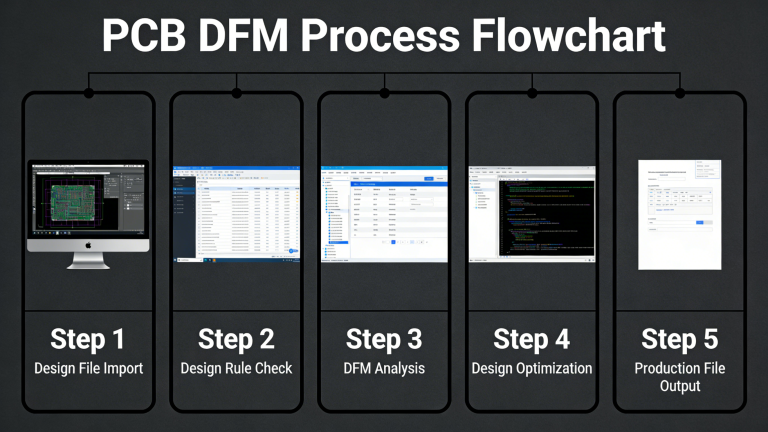
  • Assembly Drawing (component polarity & placement)
  • Test Guide & Fixture Information
  • IC Programming Files (if required)

Inspection & Test Documents

Quality assurance files ensure PCB and PCBA meet IPC standards and customer specifications.

  • KLARF File – AOI inspection results
  • Test Report – Flying probe or functional test
  • X-Ray Inspection Report – For BGA/QFN components
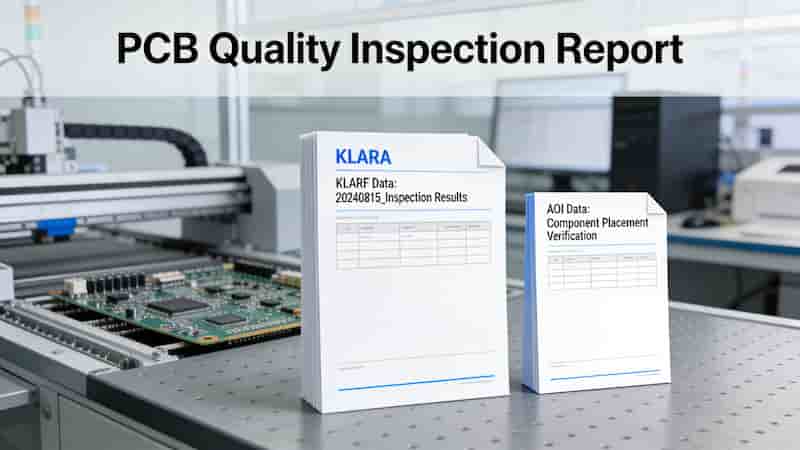
PCB Inspection and Test Files Including KLARF and AOI Data

File Specification Comparison Table

File TypePurposeRequired FormatUsage Stage
GerberLayer imagingRS-274X / X2PCB Fabrication
NC DrillHole drillingExcellonPCB Fabrication
BOMComponent listExcel / CSVPCBA Assembly
CentroidSMT placementXY Data / TXTPCBA Assembly
KLARFAOI inspectionStandard KLARFQuality Test

Conclusion

Complete and standardized PCB & PCBA manufacturing files are critical for accurate quoting, fast prototyping, consistent mass production, and high-quality assembly. Using Gerber RS-274X, proper BOM, Centroid files, and NC Drill files ensures zero rework and on-time delivery for global projects.

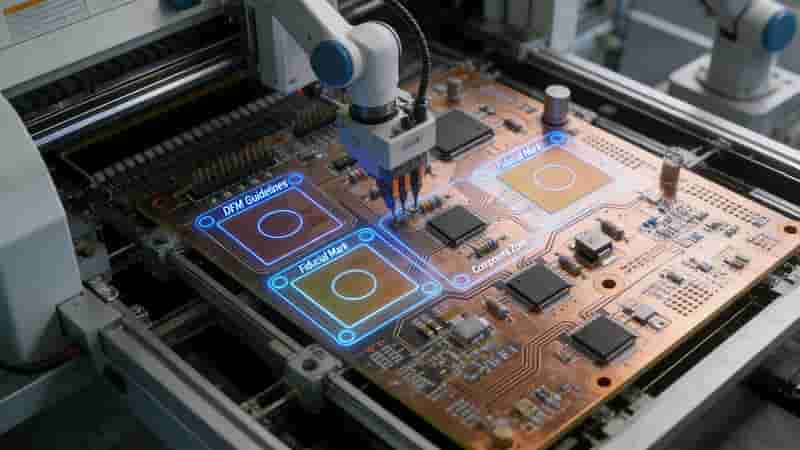
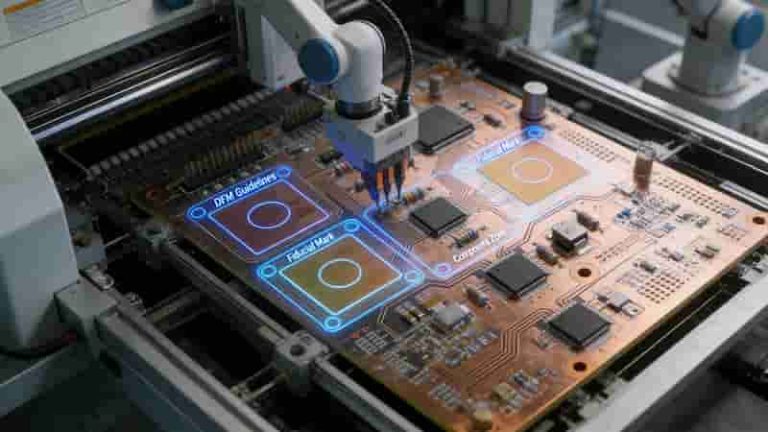
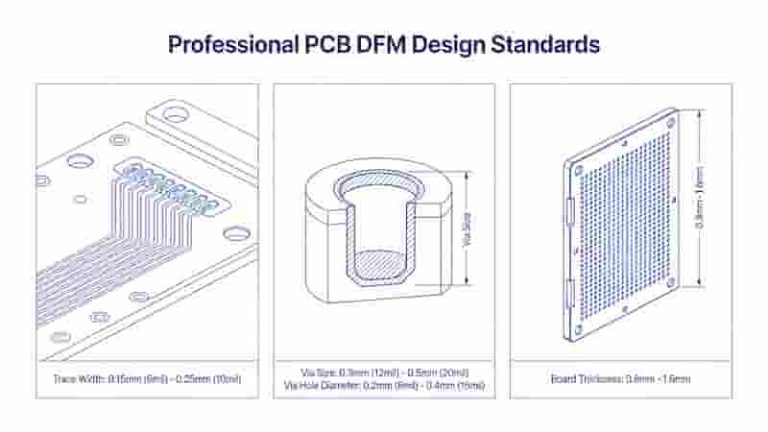
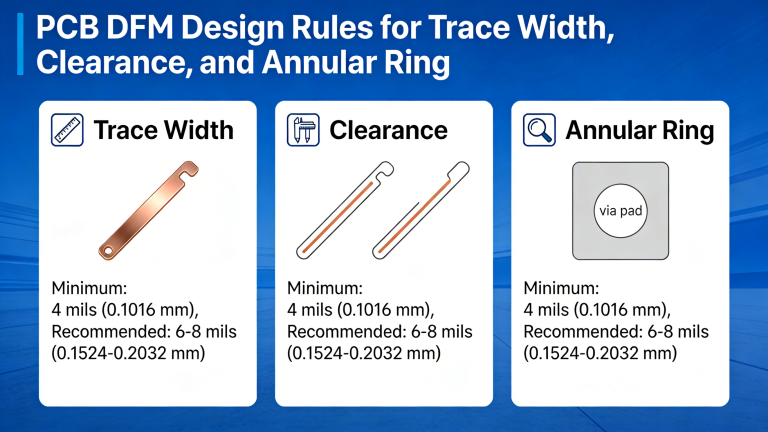
We support all standard PCB and PCBA file formats and provide DFM analysis to optimize your design for manufacturability.
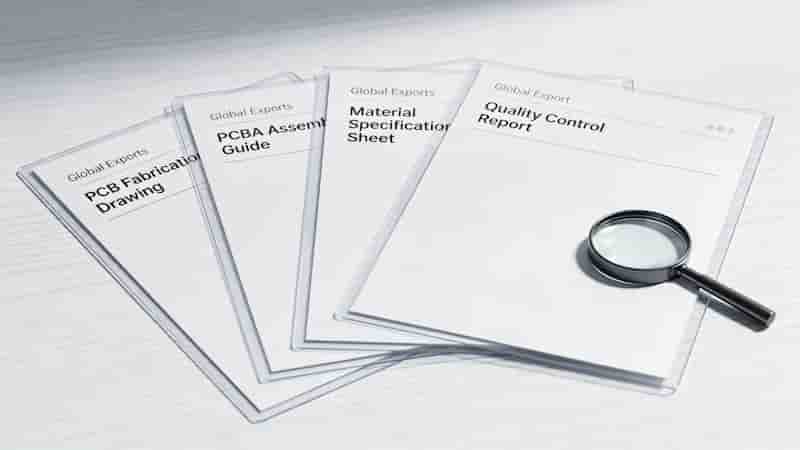
Complete PCB and PCBA Manufacturing File Package for Global Export

Ready for Your PCB & PCBA Project?

Submit your PCB & PCBA manufacturing files for a free DFM check and instant quote.

Request a Quote Now
PCB layer thickness vs standard PCB thickness

Standard PCB Thickness – The Complete Guide for Engineers & Buyers

Posted on
0 Comments
Standard PCB thickness is typically 1.57 mm (0.062 inches), often rounded to 1.6 mm. This guide covers definitions, influencing factors, manufacturing constraints, non-standard design rules, and selection tips for industrial buyers and engineers. Quick Overview: standard PCB thickness (1.6mm) is industry default; common alternatives include 0.78mm (0.031in) and 2.36mm (0.093in). Thickness impacts durability, weight, assembly,…
Printed Circuit Board

Surface Mount Technology (SMT): Advantages, Limitations & Applications

Posted on
0 Comments
Discover how Surface Mount Technology (SMT) revolutionizes PCB assembly through compact designs, improved performance, and cost efficiency. Explore its advantages, drawbacks, and practical applications in this comprehensive guide. Surface Mount Technology (SMT) stands as a cornerstone of modern electronics manufacturing, empowering the production of compact, high-performance electronic devices. By mounting components directly onto the surface…
Flexible PCB for consumer electronics, smartphone FPC, wearable PCB

Top 8 Applications of Flexible PCBs for Industrial & Electronics Manufacturing

Posted on
0 Comments
Flexible PCBs (FPCBs) deliver compact, reliable, and high-performance interconnects for consumer electronics, medical, automotive, aerospace, and industrial systems. This guide covers 8 high-value use cases for global buyers, engineers, and OEMs. Consumer Electronics & Wearables Flexible PCBs enable slim, foldable, and ergonomic designs in smartphones, foldable screens, smartwatches, and true wireless earbuds. They replace bulky…
Flexible Circuit Board Structure Diagram PCB FPC

Complete Introduction of Flexible Circuit Board Materials 

Posted on
0 Comments
A full technical guide to flexible circuit board materials, including substrates, copper foils, adhesives, coverlays, stiffeners, and selection standards for industrial engineers and global purchasers. What Are Flexible Circuit Boards A flexible printed circuit (FPC) is a lightweight, bendable circuit built on flexible insulating substrates. It supports high-density assembly, three-dimensional wiring, and space-saving installation, widely…
Laser Drilled vs Photoimageable Microvias PCB

The Essentials of Microvias – Enabling Miniaturization in PCBs

Posted on
0 Comments
As printed circuit boards pack more components into smaller spaces, microvias enable advanced PCB miniaturization for HDI PCBs. We explain core technology, fabrication, types, reliability, and industrial applications for engineers and global buyers. What Are Microvias As printed circuit boards are designed to pack ever more components into compact spaces, manufacturers use microvias to enable…
Aluminum PCB assembly SMT through hole LED board assembly

Aluminum PCB Manufacturing & Assembly Services

Posted on
0 Comments
We are a trusted Aluminum PCB manufacturer and MCPCB supplier in China, delivering fast prototypes and small‑to‑medium volume production for LED lighting, power supplies, and high‑power electronics. Our in‑house lines ensure stable quality, controlled costs, and on‑time delivery for global buyers. Aluminum PCB Manufacturing Capabilities With 15+ years of expertise in Aluminum PCB and MCPCB…

FAQs About PCB & PCBA Manufacturing Files

A: Core files include Gerber files, NC Drill files, native design files and stack-up documents for impedance control.

A: RS-274X and Gerber X2 are widely used. The old RS-274D is outdated and not suggested for use.

A: You need BOM list, Centroid pick-and-place file, assembly drawings and related test documents.

A: It adopts Excellon format to define hole positions, diameters and tool numbers for PCB drilling process.

A: Also called XY data, it provides component coordinates and rotation angles for automated SMT placement machines.

A: KLARF files work with AOI equipment to support automated optical inspection and quality checking for finished boards.

Similar Posts