PCB Classification Guide: Types of PCBs by Layer, Material & Application
PCBs serve as the foundational components of all electronic products. For products with different purposes—whether for industrial equipment, consumer electronics, or automotive systems—the type of PCB you need to select will vary significantly.
In the global supply chain, we typically classify PCBs based on three core criteria to better meet international procurement needs: the number of layers (from single-layer to multi-layer), substrate material properties (adapted to different environmental conditions), and application scope (matching regional industry standards).
Why Understanding PCB Classification Matters
Printed Circuit Boards (PCBs) are the backbone of modern electronics, serving as the foundation for connecting and supporting components in devices ranging from smartphones to industrial machinery. Choosing the right PCB type is critical to achieving optimal performance, cost-efficiency, and design flexibility in your project—whether you’re developing products for global markets or local clients.
PCB classification, based on layer count, substrate material, and application scope, guides engineers and designers in selecting the most suitable board for specific needs. For example, a low-cost single-sided PCB works perfectly for basic electronics, while a complex multilayer PCB is essential for advanced applications like automotive control systems or medical devices.
Understanding PCB classification empowers you to make informed decisions that align with your project’s requirements, such as circuit complexity, space constraints, or environmental conditions. A compact wearable device may require a flexible PCB, while high-speed communication systems demand high-frequency boards. This guide explores the types of PCBs, their applications, and key considerations for selection, helping you navigate the diverse options available.
We specialize in manufacturing a wide range of PCBs, from single-sided to 32-layer multilayer boards, ensuring tailored solutions for your projects—with support for global shipping to over 50 countries. Dive into this guide to discover how PCB classification can streamline your design process and enhance product performance.
What is a PCB?
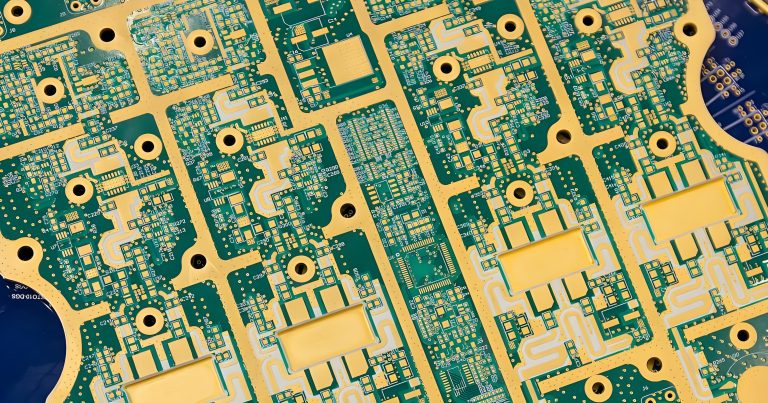
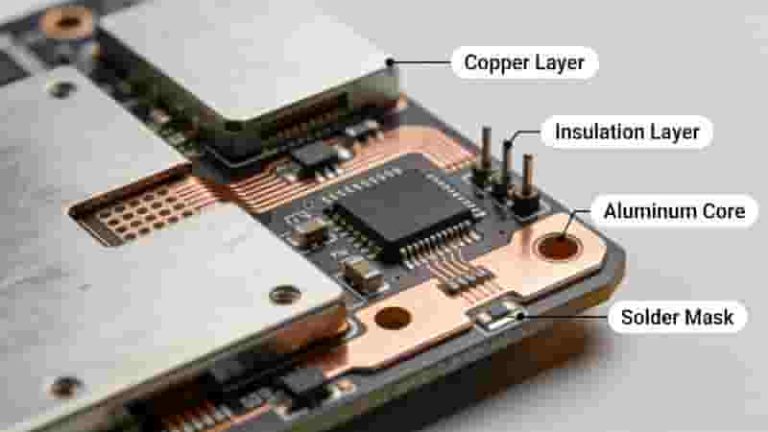
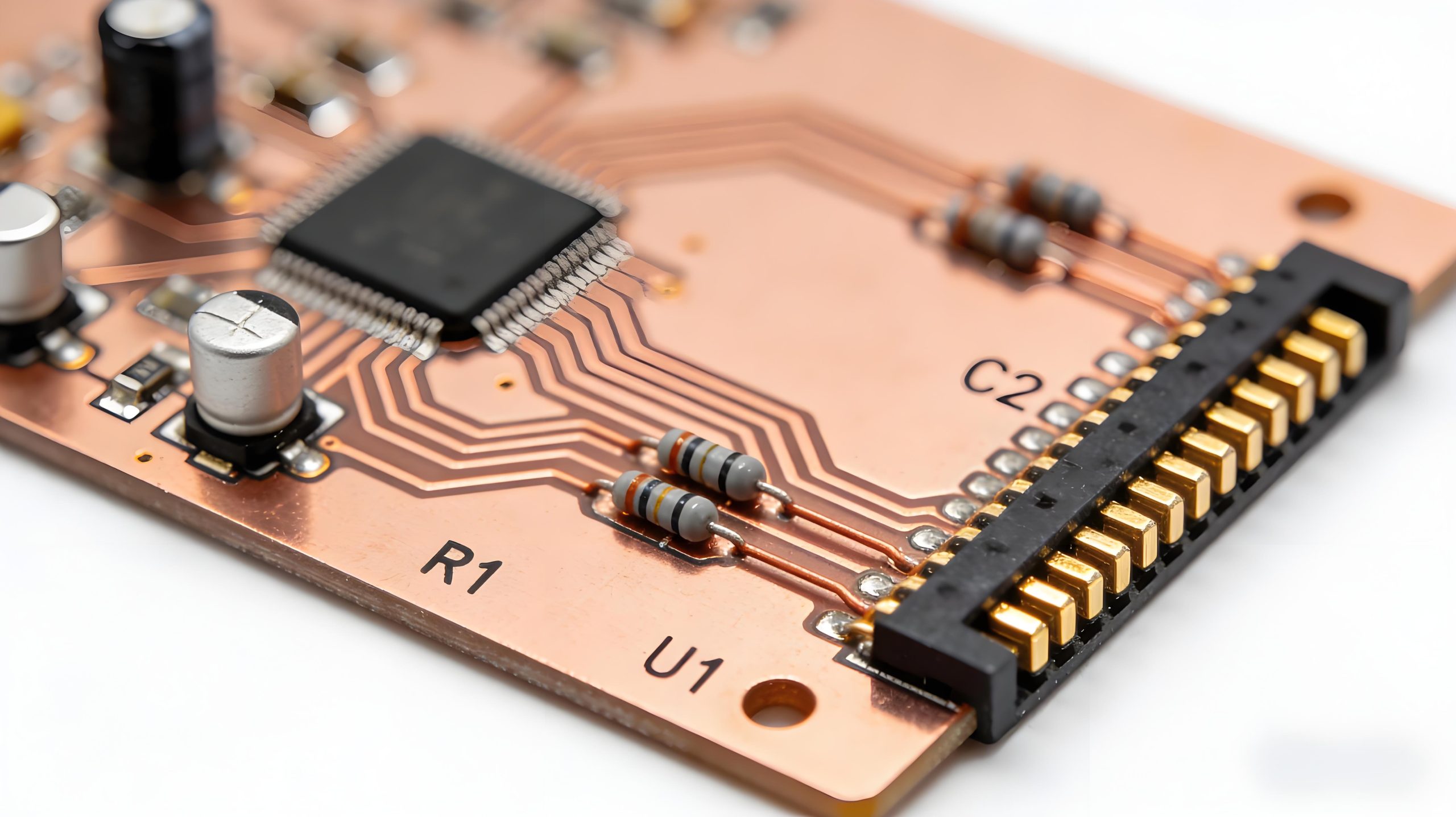
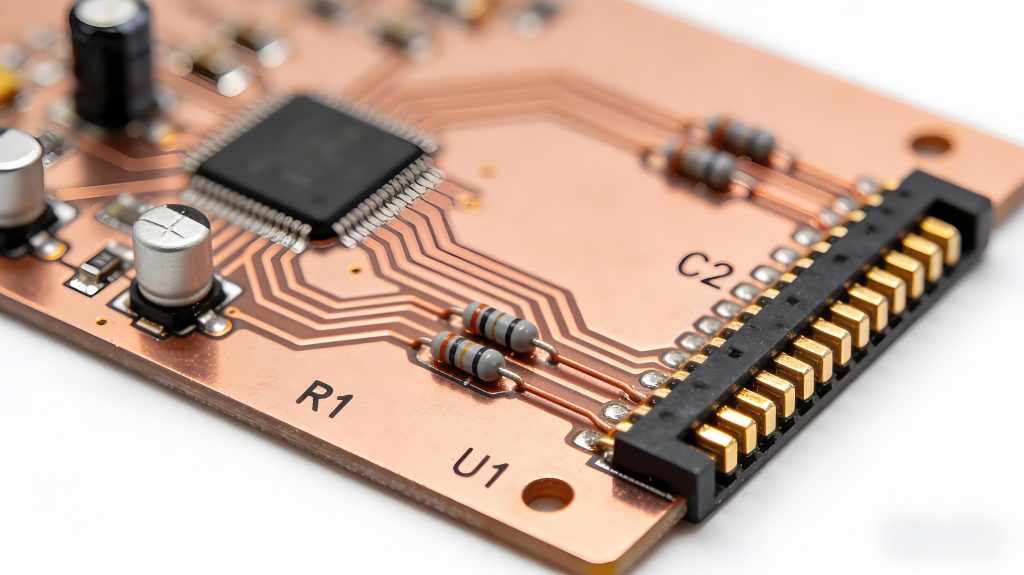
A Printed Circuit Board (PCB) is a fundamental component in modern electronics, acting as a platform to connect and support electronic components such as resistors, capacitors, and microchips. It consists of a non-conductive substrate—typically made of fiberglass or high-quality plastic—with conductive copper traces printed onto its surface to form precise electrical pathways.
These pathways enable stable signal and power flow between components, ensuring reliable functionality in devices like smartphones, computers, medical equipment, and industrial control systems—products that reach global markets.
PCBs eliminate the need for complex wiring by providing a structured circuit layout. Copper traces are created through etching processes, where unwanted copper is removed to form precise patterns. PCBs come in various forms, each designed for specific applications—from simple single-layer boards for basic devices to complex multilayer designs for advanced electronics.
Understanding the basics of PCBs is essential before exploring their classification, as it lays the foundation for choosing the right board for your project. Learn more about our manufacturing expertise to see how we produce high-quality, industry-standard PCBs for global clients.
PCB Classification Overview
PCBs are classified based on three primary dimensions: layer count, substrate material, and application scope. These categories help engineers and designers—whether working on consumer gadgets, industrial systems, or medical devices—select the right PCB type to meet specific project requirements, such as circuit complexity, physical constraints, or environmental conditions.
This classification ensures optimal performance, cost-efficiency, and reliability in products that serve global markets. Below is a breakdown of each key dimension:
- Layer Count: PCBs are categorized as single-sided, double-sided, or multilayer based on the number of conductive layers. This directly determines the board’s capacity to handle simple or complex circuits—critical for matching the needs of different product types.
- Substrate Material: PCBs can be rigid, flexible, or rigid-flex, depending on the base material. This affects the board’s mechanical properties, such as durability and flexibility, making it suitable for designs like compact wearables (flexible) or heavy-duty industrial equipment (rigid).
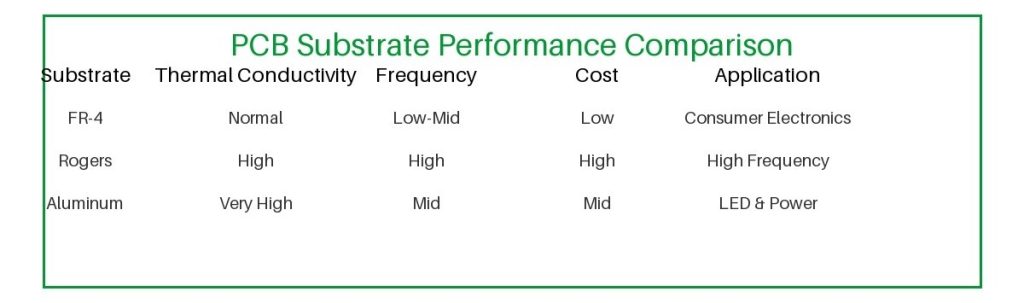
- Application Scope: PCBs are divided into high-frequency or low-frequency types, tailored to specific uses. High-frequency boards work for high-speed communication devices (e.g., 5G equipment), while low-frequency boards are ideal for basic electronics (e.g., remote controls).
By grasping these categories, you can align your PCB choice with project goals—whether prioritizing compactness, durability, or signal integrity. Explore our comprehensive PCB solutions to find the perfect fit for your design needs, with customization options to match global industry standards.
PCB Classification Summary Table
| Classification Dimension | PCB Type | Key Characteristics | Typical Applications |
|---|---|---|---|
| Layer Count | Single-sided PCB | One conductive layer, low cost, simple manufacturing | Remote controls, calculators, basic sensors |
| Double-sided PCB | Two conductive layers, vias for interlayer connection | Consumer electronics, power supplies, industrial controls | |
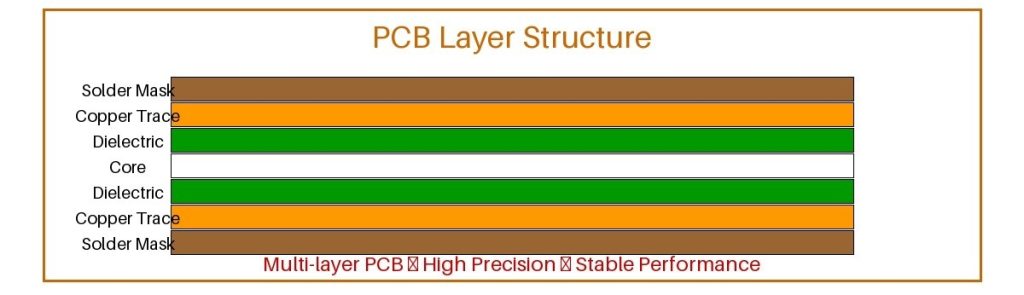
| Multilayer PCB | 3+ layers, high density, high complexity | Smartphones, servers, medical devices, automotive systems | |
| Substrate Material | Rigid PCB | Solid FR4 or metal base, fixed shape, durable | Computers, home appliances, industrial machinery |
| Flexible PCB | Bendable polyimide/PET substrate, lightweight | Wearables, foldable phones, medical sensors | |
| Rigid-Flex PCB | Combination of rigid and flexible sections | Aerospace, military, compact consumer devices | |
| Application Scope | High-frequency PCB | Special materials (Rogers, PTFE), low signal loss | 5G, radar, satellite communication, aerospace |
| Low-frequency PCB | Standard FR4, economical | Remote controls, basic sensors, entry-level electronics |
Classification by Layer Count: Single-sided, Double-sided, and Multilayer PCBs
PCB classification by layer count determines the board’s capacity to support varying levels of circuit complexity. Based on the number of conductive layers, PCBs are categorized into single-sided, double-sided, and multilayer types—each with distinct advantages, limitations, and applications that cater to global market needs, from basic consumer devices to advanced industrial electronics.
Single-sided PCB
A single-sided PCB features conductive copper traces on only one side of a non-conductive substrate—typically high-quality fiberglass, which ensures durability for long-term use.
This design simplifies manufacturing processes, reduces production time, and minimizes costs—making it an economical choice for basic electronics with straightforward circuit requirements. However, its limited surface area restricts circuit density, so it’s less suitable for complex designs that require multiple component connections.
Common applications include products that serve global consumer and entry-level industrial markets, such as:
- Remote controls for TVs, air conditioners, and home appliances
- Simple calculators and basic digital devices
- Entry-level electronic toys and educational kits
- Low-power industrial sensors and basic control modules
We offer single-sided PCBs with customizable specifications (e.g., trace width, substrate thickness) to match your product’s needs, with strict quality checks to meet international standards (e.g., RoHS, IPC). These boards are ideal for cost-sensitive projects that don’t require complex circuitry, with support for bulk orders and global shipping.
Conclusion
Understanding PCB classification is key to optimizing your electronic projects. By focusing on three core factors—layer count, substrate material, and application scope—you can pick the right PCB for your needs:
Go with single-sided PCBs for basic, budget-friendly electronics.
Choose flexible PCBs for compact, shape-adaptable designs (like wearables).
Opt for high-frequency PCBs for advanced systems (such as 5G or radar).
Each choice impacts performance, cost, and reliability, ensuring a tailored fit—whether for consumer gadgets or aerospace equipment.
We offer full-range PCB manufacturing: single-sided to 32-layer multilayer boards, rigid to rigid-flex designs, and high-frequency options. All comply with global standards (IPC, RoHS) and undergo strict quality testing.
Ready to start? Request a free quote today, and our team will help you find the perfect PCB solution—with global shipping to match your timeline.