Understanding flexible PCB costs is essential for engineers, procurement teams, and manufacturers looking to control budgets while maintaining quality. This guide breaks down 16 critical factors that shape FPC pricing in 2025, including materials, layer count, manufacturing processes, order volume, and lead time. We also share practical cost‑saving strategies to help you optimize your next flexible PCB project without sacrificing performance.
What is a Flexible PCB (FPC)?
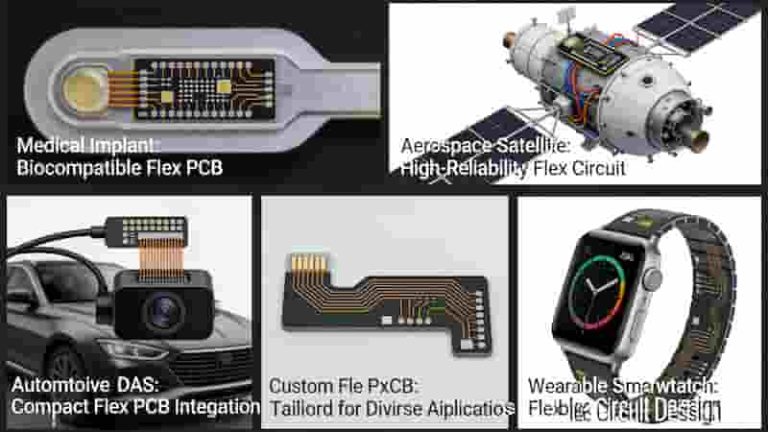
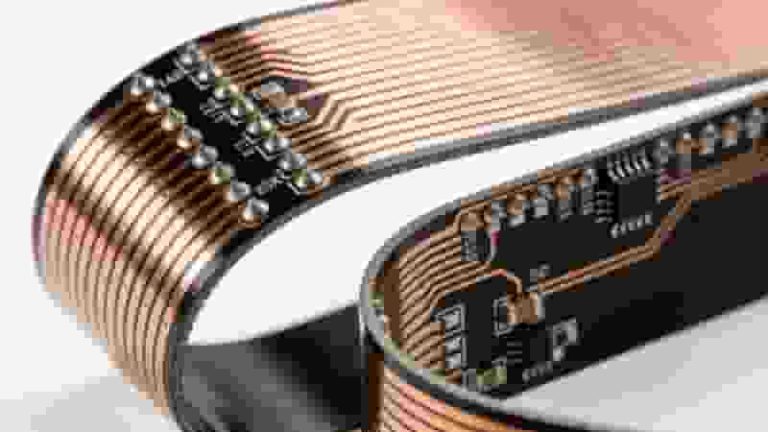
A flexible PCB (FPC) is a thin, lightweight, bendable circuit board typically made from polyimide (PI) or polyester (PET). Unlike rigid PCBs, FPCs can bend, fold, and twist, making them ideal for compact consumer electronics, automotive, medical, and wearable devices. While flexible PCBs deliver exceptional design freedom, their cost depends heavily on material choice, design complexity, and production parameters.
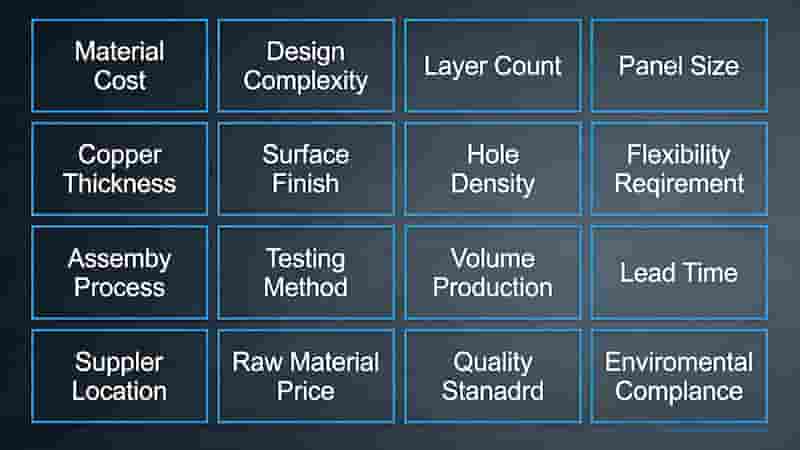
16 Key Factors Affecting Flexible PCB Costs
Below we explain each factor that directly impacts flexible PCB pricing in 2025, with clear engineering and commercial insights.
1. Base Material Selection
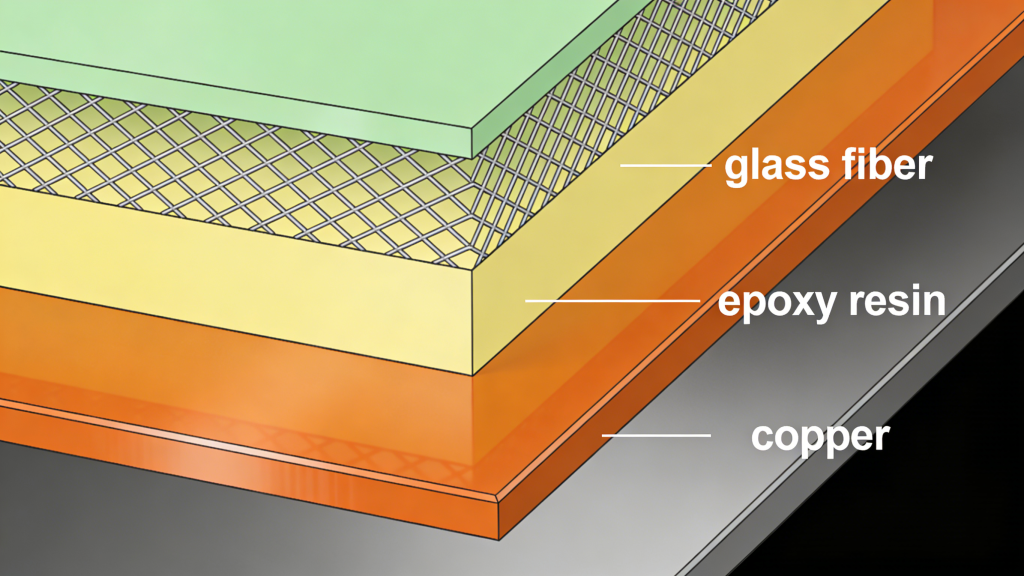
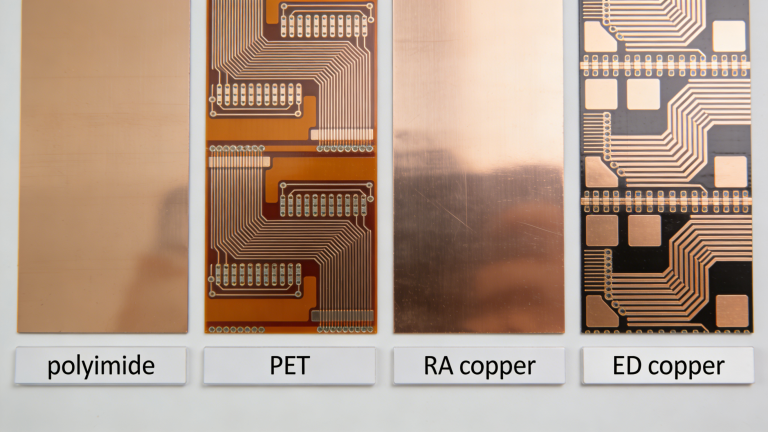
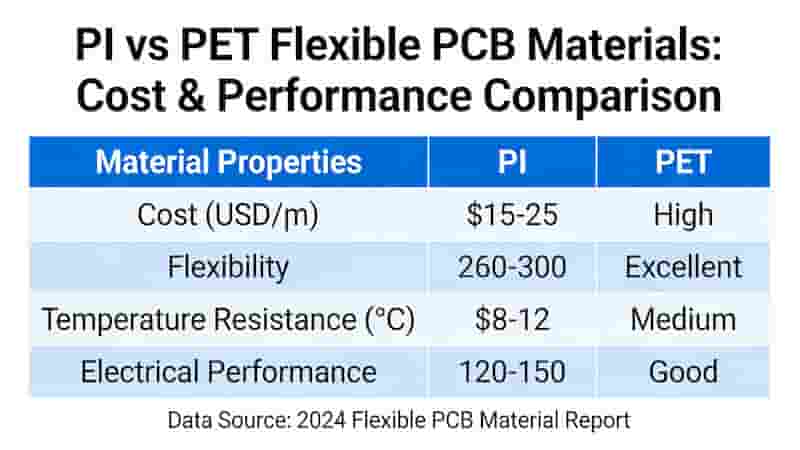
Substrate materials are the biggest driver of flexible PCB costs. PI (polyimide) offers high heat resistance and reliability but costs 20–30% more than PET (polyester), which is used for low‑cost, low‑complexity applications.
2. Manufacturing Process Complexity
Advanced processes such as fine line manufacturing, precision laser drilling, and high‑performance surface finishes increase production time and cost by 10–20% compared to standard FPC production.
3. Processing Difficulty & Tolerances
Tight tolerances such as line width/spacing below 0.15 mm or via holes smaller than 0.6 mm raise complexity, scrap rates, and overall flexible PCB costs by 10–15%.
4. Panel Utilization Efficiency
Low panel utilization (below 70%) causes material waste and higher per‑unit costs. Optimized panel layout can significantly reduce material expenses.
5. Copper Foil Thickness
Standard 1oz (35um) copper is most cost‑effective. Thicker copper (2oz/3oz) increases material costs by up to 25% while improving current‑carrying capacity.
6. Tooling & Testing Costs
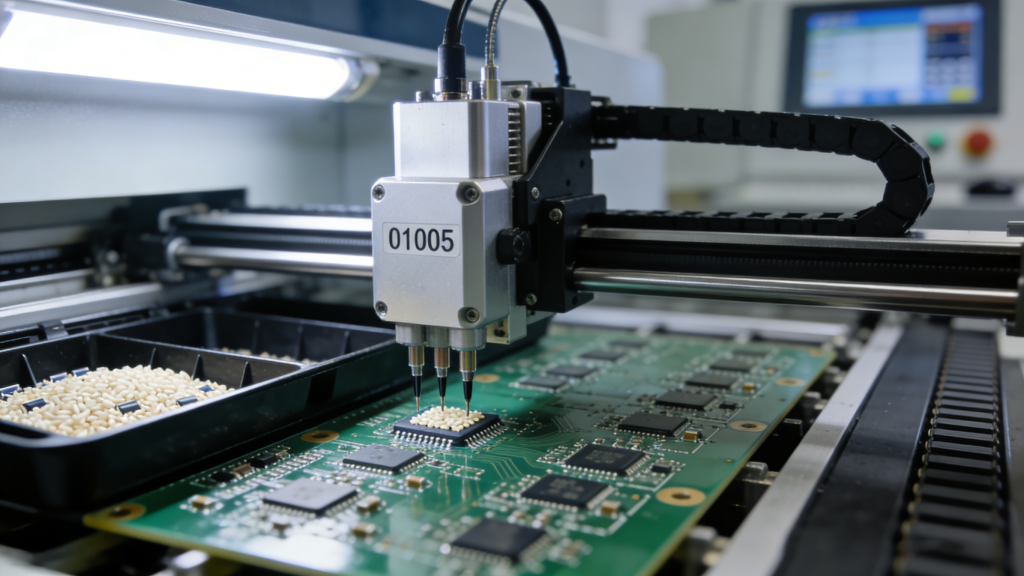
Mass production requires dedicated fixtures ($500–$2,000), and functional testing adds $1,000–$3,000. Prototyping uses flying probe testing to avoid tooling costs.
7. FPC Dimensions & Size
Larger FPCs consume more material and increase cost. A 200×100 mm FPC typically costs 30–40% more than a 100×50 mm board.
8. Layer Count & Structure
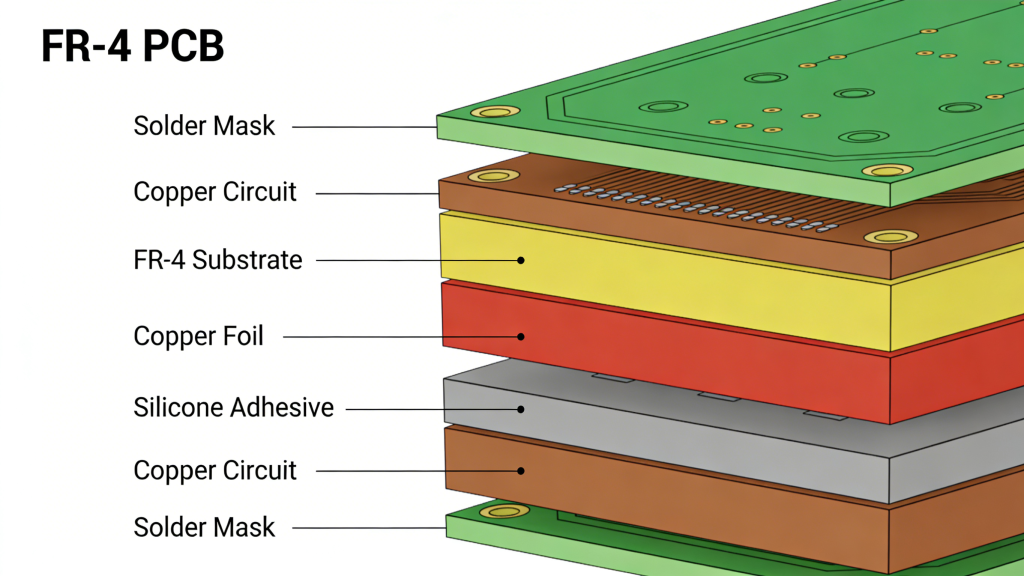
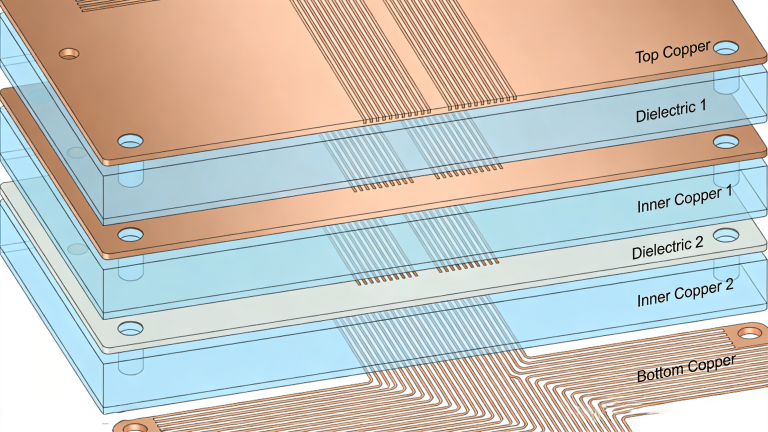
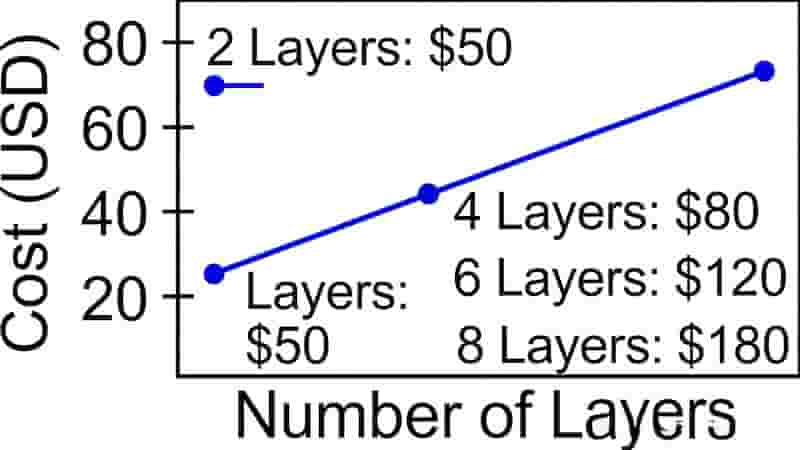
Single‑sided and double‑layer FPCs are affordable. Multi‑layer flexible PCBs cost 50–70% more due to lamination, alignment, and inspection complexity.
9. IPC Quality Standards
Stricter standards such as IPC‑A‑6013 Class 3 improve reliability but lower yields, increasing flexible PCB costs by 5–10%.
10. Manufacturer Capabilities
Manufacturers with automated lines and precision equipment deliver higher quality but may cost 10–20% more than basic fabricators.
11. Payment Terms
Payment terms can influence pricing by 5–10%. Upfront payments often yield better unit prices.
12. Production Region
Regional labor, material, and utility costs create large gaps in flexible PCB costs. Asian manufacturing typically offers 15–30% savings compared to Western production.
13. Plating Methods
Partial electroplating requires extra steps and costs about 15% more than full plating.
14. Surface Finish & Gold Fingers
ENIG and hard gold cost more than immersion tin or gold. Gold finger plating adds 5% to total cost for wear resistance and connectivity.
15. Order Volume
Higher volumes reduce per‑unit cost significantly. Orders of 10,000+ units can lower flexible PCB costs by 20–30% vs. small‑batch orders.
16. Lead Time Requirements
Expedited lead times add 10–50% to costs. Standard lead times avoid rush fees and support stable pricing.
Real‑World Flexible PCB Cost Examples
| Specification | Estimated Unit Cost | Key Cost Driver |
|---|---|---|
| 6‑layer PI, 1oz copper, 5,000 pcs | $2.5–$3.5 | Layers + PI material |
| 2‑layer PET, 0.5oz copper, 5,000 pcs | $0.8–$1.2 | Low‑cost material + simple design |
| 4‑layer, 2oz copper, ENIG, 10k pcs | $1.8–$2.5 | Copper thickness + surface finish |
How to Reduce Flexible PCB Costs
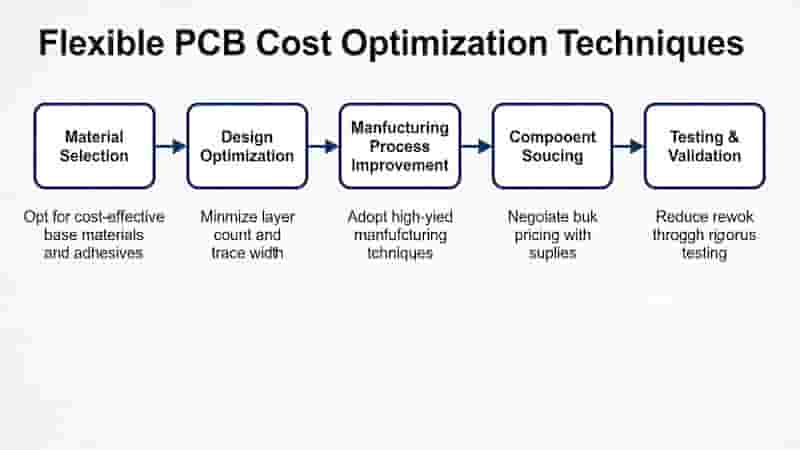
- Simplify layer counts: use 1–2 layers when possible
- Order in bulk to unlock volume discounts
- Use standard line width (>0.15 mm) and hole size (>0.6 mm)
- Choose cost‑effective surface finishes: immersion tin/gold
- Plan lead times to avoid expedite fees
- Optimize panel utilization with manufacturer support
- Minimize blind/buried vias
- Select PET for non‑critical, low‑temperature applications
Frequently Asked Questions
What has the biggest impact on flexible PCB costs?
Materials, layer count, and manufacturing complexity are the top three factors.
Why are flexible PCBs more expensive than rigid PCBs?
Specialized materials, tighter processes, and lower production yields increase FPC pricing.
How does order volume affect cost?
Larger batches reduce material waste and setup cost per unit, lowering prices by 20–30%.
Can I get a custom cost breakdown for my design?
Yes, we provide detailed quotations based on your Gerber files and specifications.
Conclusion
Understanding these 16 factors allows you to control flexible PCB costs while maintaining performance and reliability. By optimizing design, materials, and production planning, you can achieve high‑quality FPCs at competitive prices for industrial, medical, automotive, and consumer electronics projects.
Get Your Flexible PCB Quote Today
Send us your Gerber files and specifications for a fast, accurate, no‑obligation quotation.
Request a Free Quote