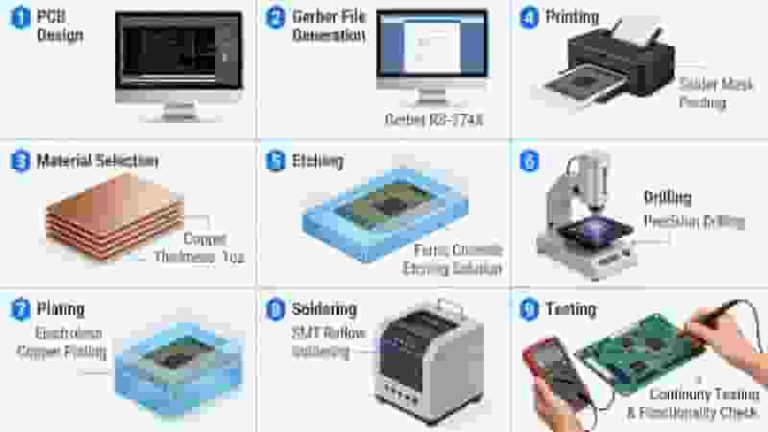
This article clearly defines PCB and PCBA, explains core technical differences, manufacturing processes, functionality, cost, and application scenarios to help global engineers and purchasers make accurate procurement decisions.
1. Definitions of PCB and PCBA
PCB (Printed Circuit Board) is the bare printed circuit board without electronic components. It provides mechanical support and electrical connection paths through etched copper circuits.
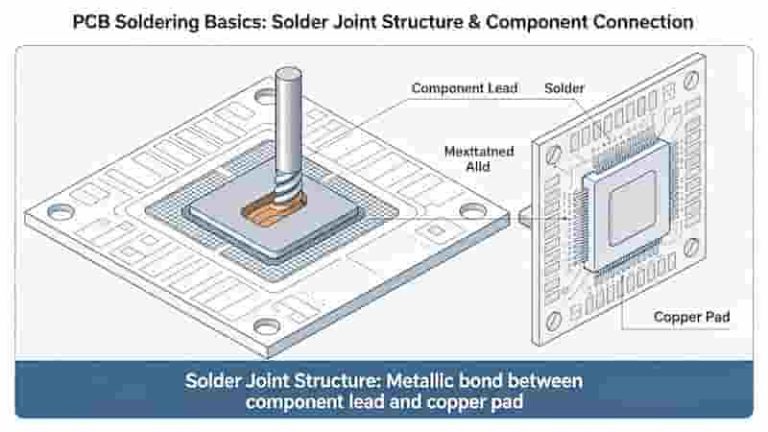
PCBA (Printed Circuit Board Assembly) is the finished product that integrates electronic components onto a PCB through soldering and assembly processes, with complete electronic functions.
2. What Is PCB?
A PCB is a substrate made of insulating materials (FR-4, aluminum, PI, etc.) with laminated and etched copper circuits. It only has wiring and pads, without any assembled parts.
The main role of a PCB is to fix components and transmit electrical signals. It cannot realize specific circuit functions independently.
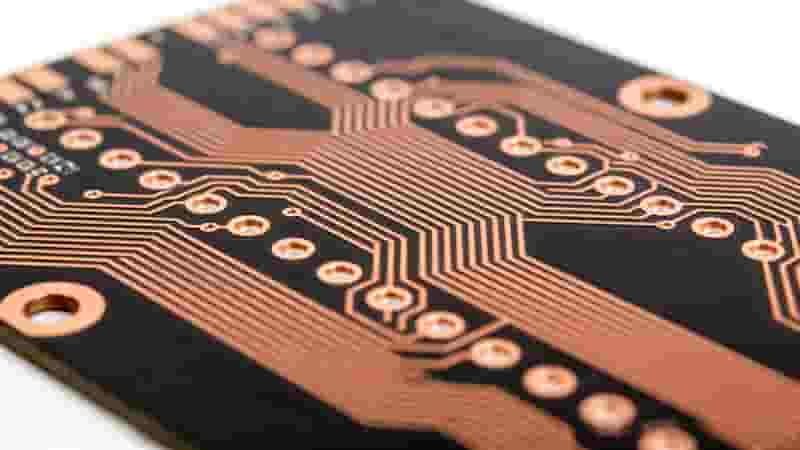
Common types include single-sided, double-sided, multilayer, rigid, flexible, and rigid-flex PCBs, which are the basis of all electronic products.
3. What Is PCBA?
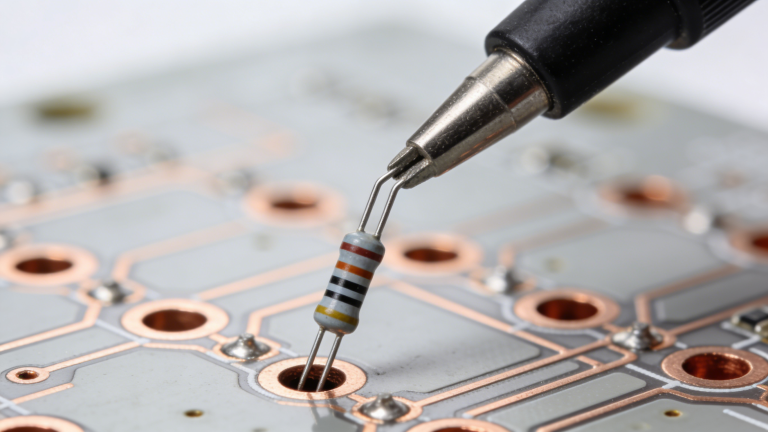
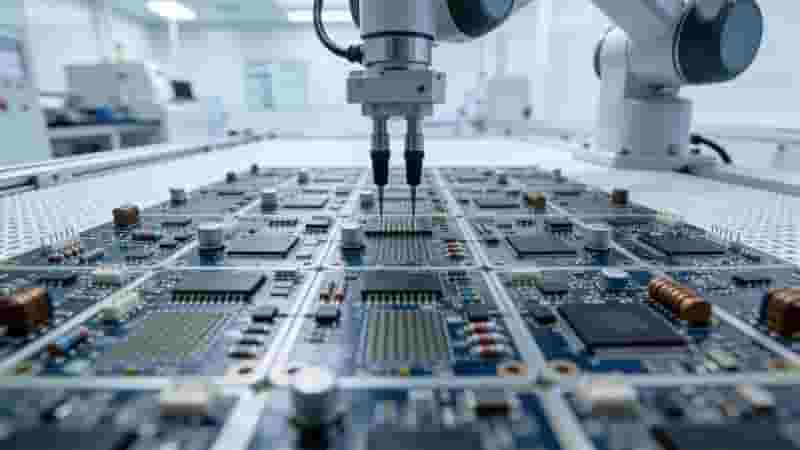
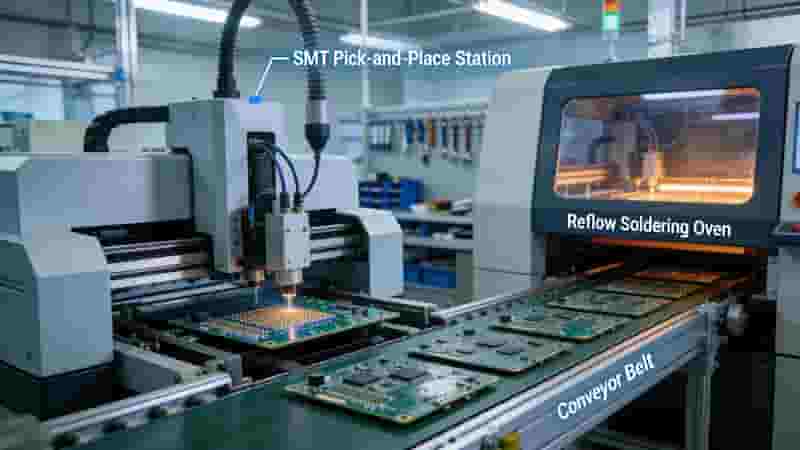
PCBA refers to the whole process of assembling electronic components (resistors, capacitors, ICs, connectors, etc.) onto a bare PCB via SMT, through-hole, or mixed assembly technology.
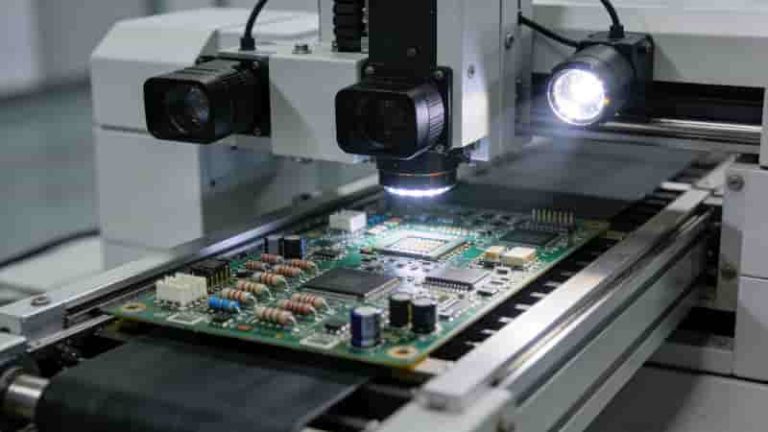
After assembly, AOI, X-ray, and functional testing are required to ensure stability and performance. A qualified PCBA can be directly used in terminal equipment.
4. Key Differences Between PCB and PCBA
4.1 Basic Properties
PCB is a semi-finished substrate; PCBA is a finished functional component.
4.2 Manufacturing Process
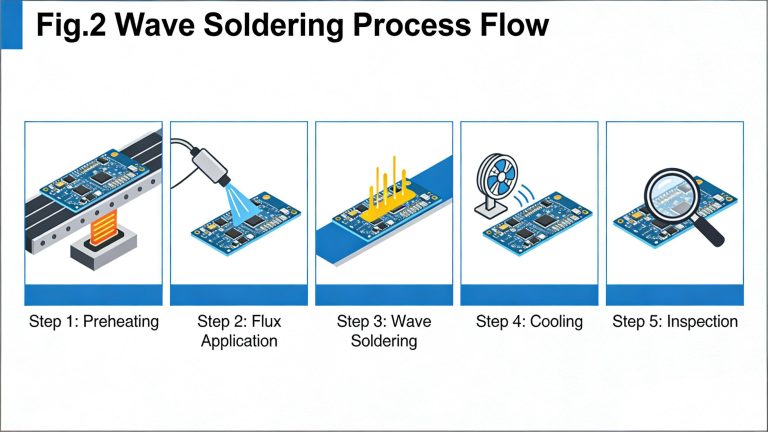
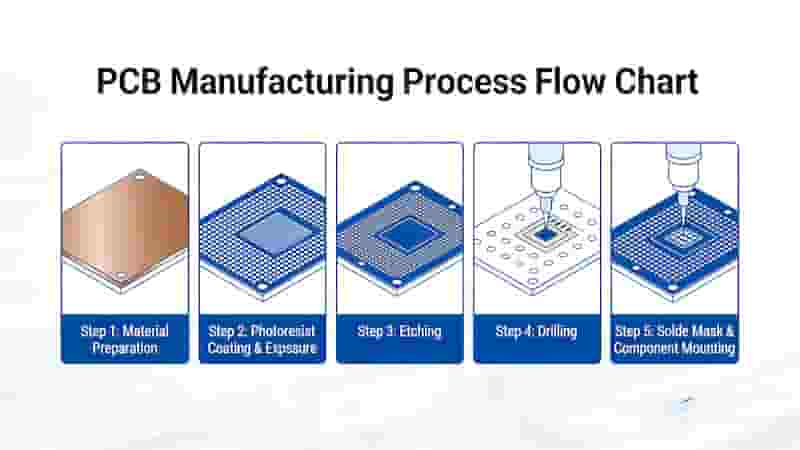
PCB production includes laminating, drilling, plating, etching, solder mask, and silkscreen. PCBA adds SMT placement, soldering, assembly, and testing.
4.3 Functionality
A PCB only provides support and wiring. A PCBA can complete signal processing, power control, data transmission and other functions.
4.4 Cost & Lead Time
PCB has lower cost and shorter lead time. PCBA costs more due to components, assembly labor and testing, with longer production cycles.
5. PCB vs PCBA Comparison Table
| Item | PCB | PCBA |
|---|---|---|
| Full Name | Printed Circuit Board | Printed Circuit Board Assembly |
| Product State | Bare board, no components | Assembled finished product |
| Working Ability | Cannot work independently | Has complete functions |
| Manufacturing | Board fabrication only | PCB + component assembly + test |
| Cost Level | Low | High |
| Lead Time | Short | Long |
6. Applications of PCB and PCBA
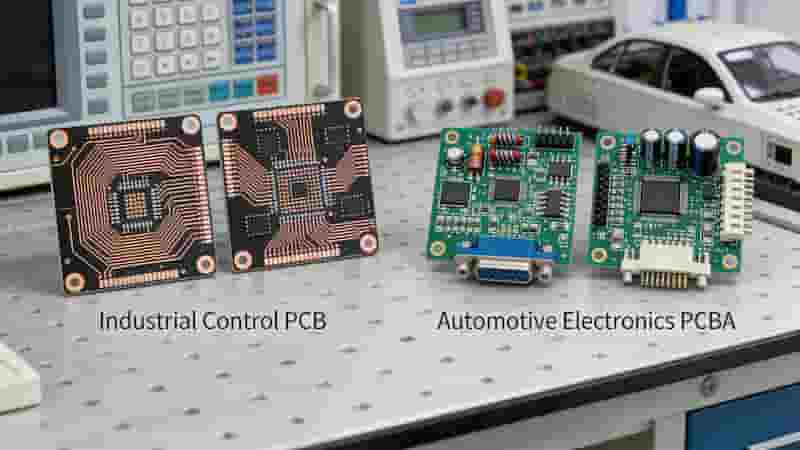
PCB applications: bare board procurement, prototype production, inventory preparation, self-assembly factories, maintenance replacement.
PCBA applications: industrial control, automotive electronics, medical devices, communications equipment, consumer electronics, IoT, smart devices and other finished circuit solutions.
7. Conclusion
In short: PCB is the foundation of electronic circuits, while PCBA is the final functional product. PCB is raw material; PCBA is finished goods.
Choose PCB if you need bare boards for self-assembly. Choose PCBA if you need one-stop turnkey circuit solutions.
8. Inquiry & Custom Service
We provide professional PCB manufacturing and full PCBA assembly services, including SMT, through-hole, mixed assembly, testing and turnkey solutions for global industrial buyers.
Please send your BOM, gerber files, layer count, material, quantity and application requirements, we will provide you with a fast and accurate quote and professional technical support.
Contact us now for your custom PCB and PCBA solutions!
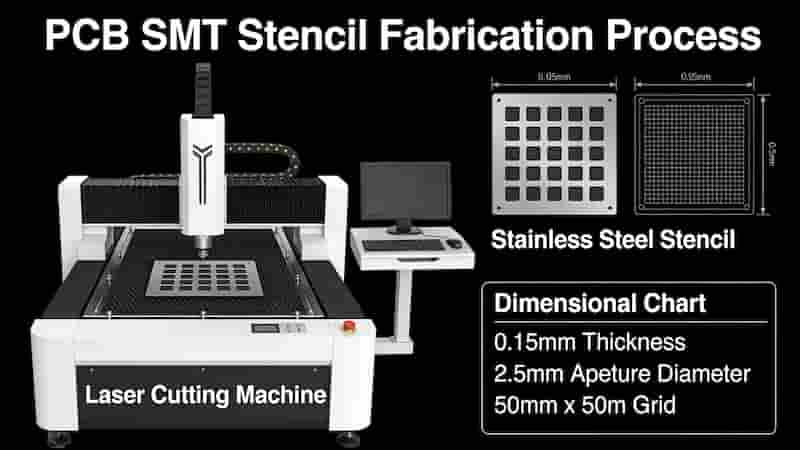
PCB SMT Stencil Fabrication Capabilities | Laser‑Cut Stainless Steel Solutions
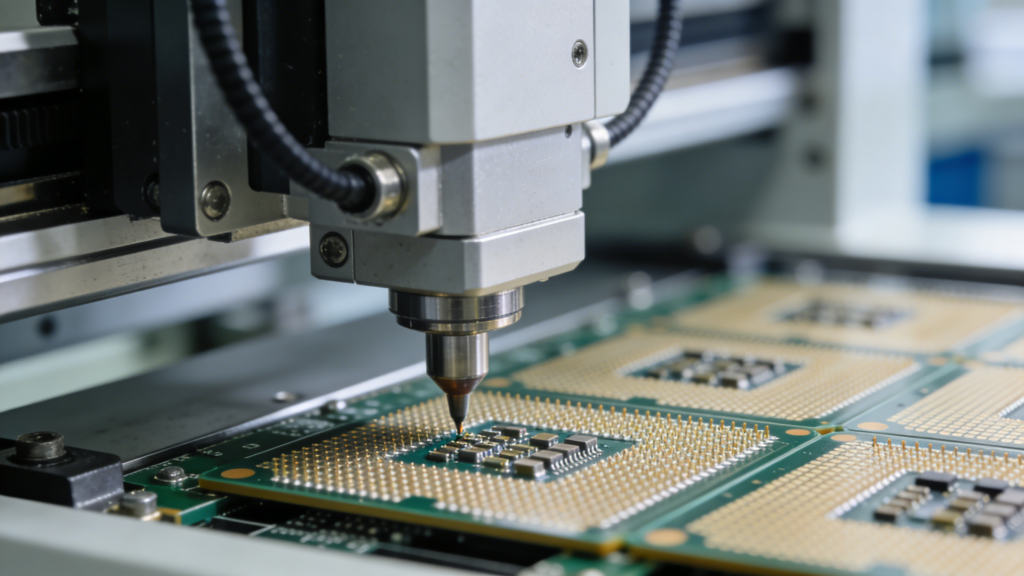
Ball Grid Array (BGA) PCB Manufacturing & Assembly Services
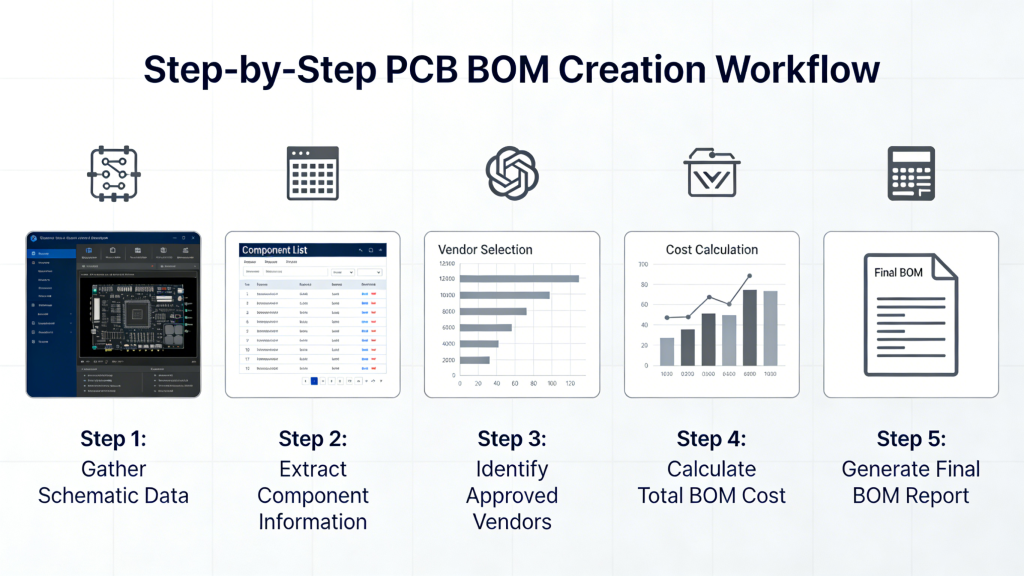
What is a PCB Bill of Materials (BOM) and How to Create One
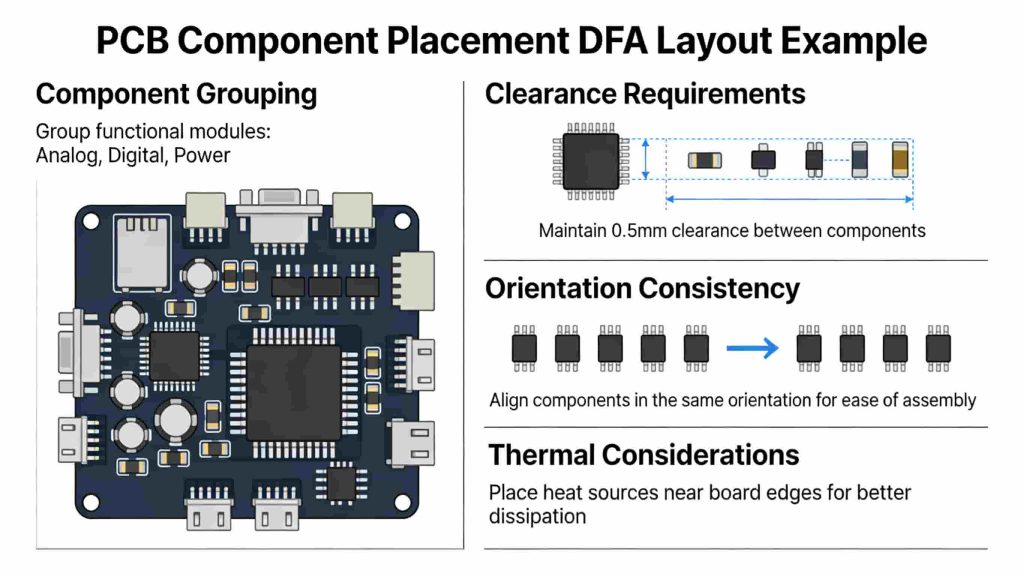
PCB DFM and DFA: Best Practices for Optimal Design
Blind Vias & Buried Vias in PCBs – The Complete Technical Guide