PCBs are the backbone of modern electronics. While Rigid PCB and Flex PCB serve similar core functions, they differ greatly in materials, flexibility, cost, durability, and ideal use cases. This professional guide helps engineers and buyers choose the right PCB for industrial and export projects.
Printed Circuit Boards (PCBs) are the backbone of modern electronics, connecting components to create functional devices. Rigid PCBs and flex PCBs serve similar purposes but differ significantly in materials, design, and applications. This article explores the key differences between rigid PCB and flex PCB, including their advantages, use cases, and how to choose the right one for your project. Whether you’re designing consumer electronics or compact wearables
Key Differences Between Rigid PCB and Flex PCB
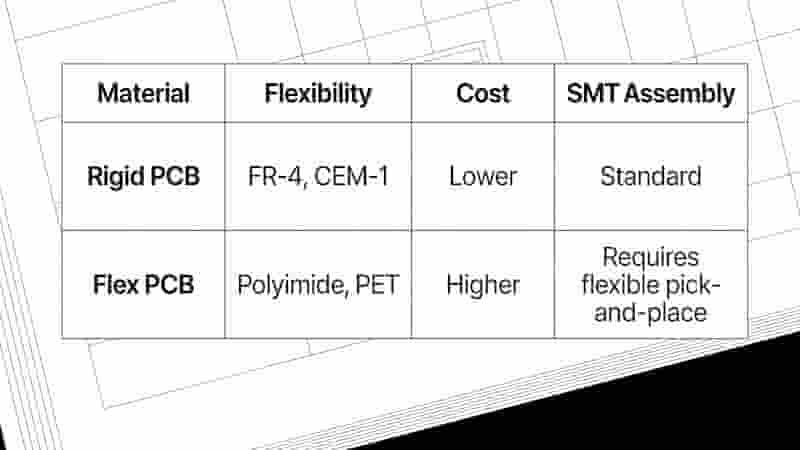
| Feature | Rigid PCB | Flex PCB |
|---|---|---|
| Flexibility | Inflexible, fixed structure | Bendable, twistable for 3D routing |
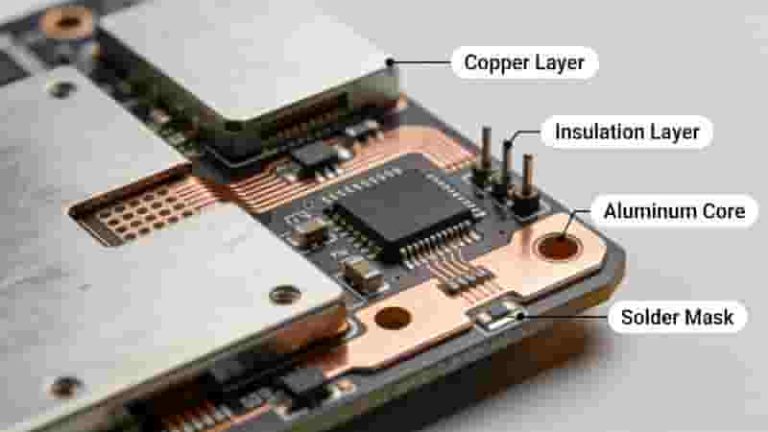
| Base Material | FR-4, Aluminum, Ceramic | Polyimide (PI), PET |
| Protection | Solder Mask | Coverlay |
| Cost | Lower, ideal for high volume | Higher due to special materials |
| Weight & Thickness | Thicker, heavier | Ultra-thin, lightweight |
| Vibration Resistance | Moderate | High |
| Heat Resistance | Good (FR-4 based) | Excellent (polyimide) |
Detailed Technical Analysis
Flexibility
Flex PCB can bend, fold and twist to fit compact 3D spaces, ideal for wearables, foldable phones, and dynamic components. Rigid PCB maintains a fixed shape and suits stable, space-abundant devices like desktops and industrial controls.
Connectivity & Assembly
Flex PCB provides reliable dynamic connections in moving parts such as laptop hinges and camera modules. Rigid PCB uses standard SMT assembly with easy rework and high compatibility.
Weight & Durability
Flex PCB reduces weight and size, perfect for drones, medical devices, and aerospace equipment. It absorbs shock and vibration better than Rigid PCB.
Materials & Manufacturing
Rigid PCB mainly uses FR-4 with solder mask. Flex PCB uses polyimide and coverlay, supporting high-temperature environments and repeated bending.
Similarities Between Rigid and Flex PCBs
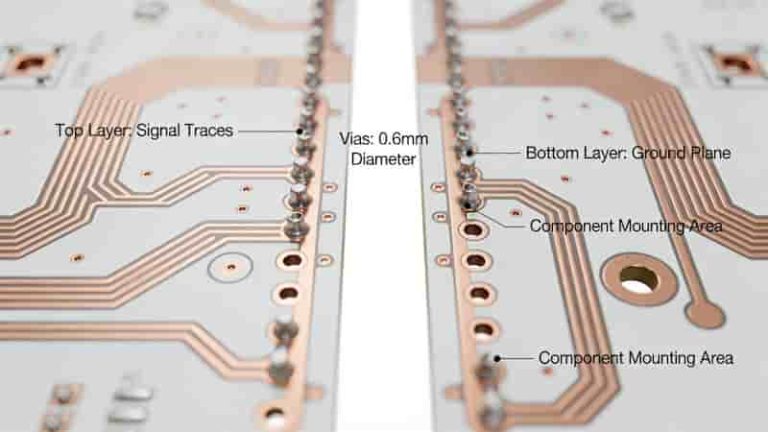
Both Rigid PCB and Flex PCB provide electrical connectivity and support component mounting. They follow similar design rules for trace width, spacing, via size, and DFM standards. Many devices, such as laptops, combine both types for optimal performance.
Real-World Applications
Rigid PCB Applications
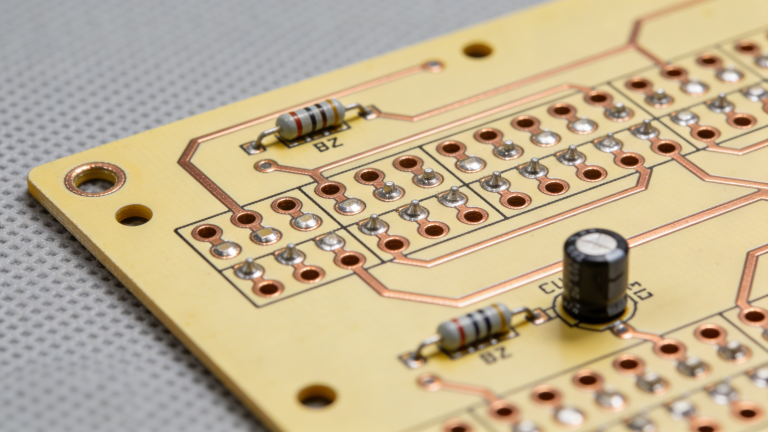
Consumer electronics (TVs, desktops, game consoles), industrial controls, robotics, networking devices, power supplies, and automotive ECUs. Rigid PCB offers stable structure and cost efficiency for high-volume production.

Flex PCB Applications
Wearables (smartwatches, fitness bands), medical devices, automotive infotainment, aerospace sensors, camera modules, foldable phones, and compact IoT devices. Flex PCB enables miniaturization and dynamic reliability.
How to Choose Between Rigid PCB and Flex PCB
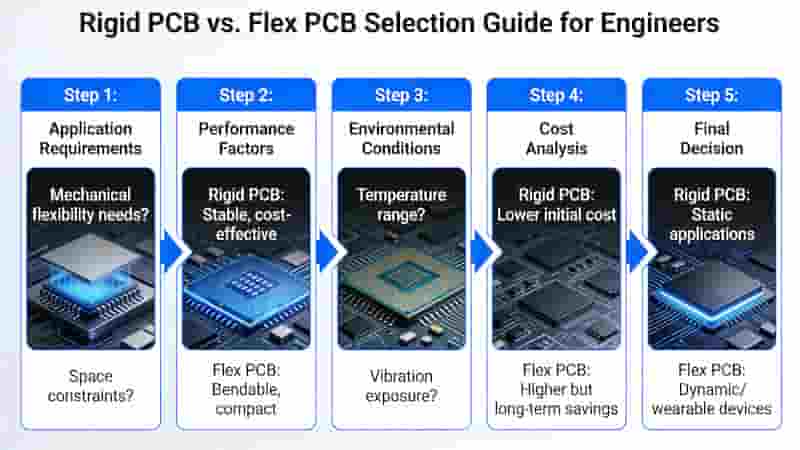
Choose Rigid PCB if you need low cost, high stability, strong heat dissipation, standard SMT assembly, high layer counts, and mass production efficiency.
Choose Flex PCB if you need 3D routing, bending capability, lightweight design, small form factor, high vibration resistance, and compact assembly.
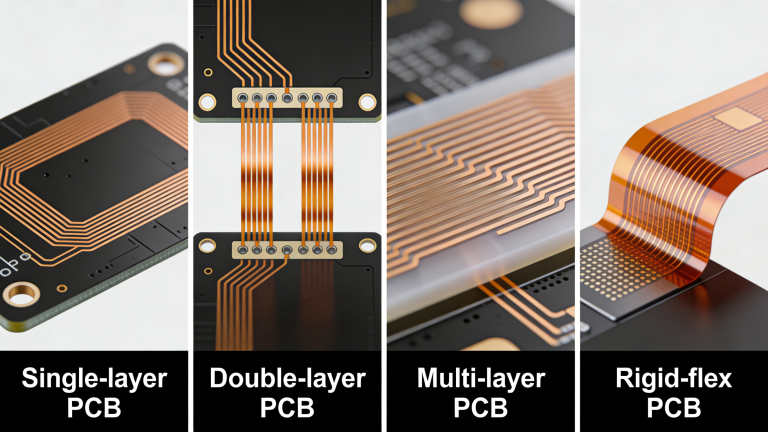
For advanced projects, Rigid-Flex PCB combines the strengths of both Rigid PCB and Flex PCB for foldable devices, complex medical tools, and aerospace systems.
Conclusion
Rigid PCB and Flex PCB serve distinct design goals. Rigid PCB delivers cost-effective stability for standard electronics, while Flex PCB enables miniaturization and flexibility for cutting-edge devices. Understanding their differences helps you select the best solution for performance, budget, and application needs.
Need Custom Rigid PCB or Flex PCB for Global Export?
We provide professional PCB manufacturing, DFM analysis, SMT assembly, and reliable global delivery for industrial buyers and engineers. Get a free quote today.
Request Free Quote & DFM Check

PCB Components Purchasing Services | Global Electronic Components SourcingPCB

Why Choose Us for Double Sided PCBs?
How to Build a Multilayer PCB: Full Stack‑Up, Manufacturing & IPC Compliance Guide

What is a Blank PCB? Buy Bare Circuit Boards | Layer PCB
PCB Vias Explained: Through, Blind, and Buried Vias for Industrial PCB Design