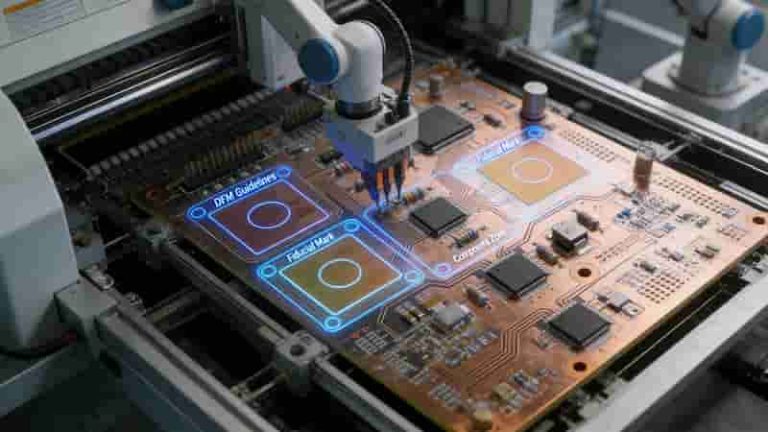
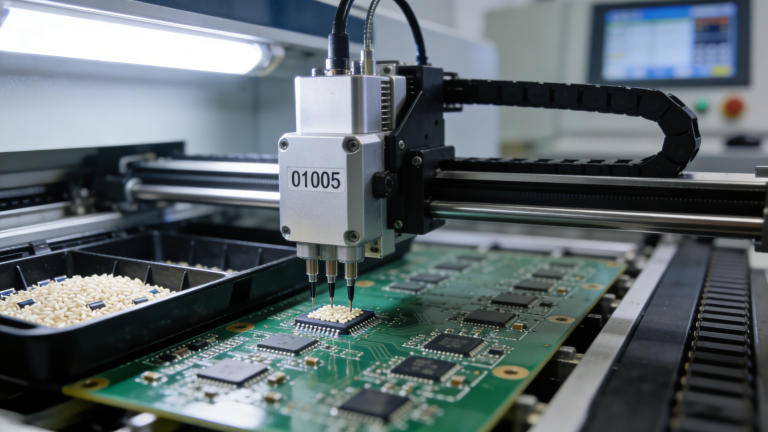
If you’re wondering how to choose the best metal core PCB manufacturer for your project, you’re in the right place. Selecting the right supplier is critical for high-power applications like LED lighting, automotive systems, and power supplies.
Why Choosing the Right Metal Core PCB Manufacturer Is Critical
In modern electronics, metal core PCBs deliver superior thermal management that standard FR4 boards cannot match. They are widely used in LED, automotive, 5G, power supply, and renewable energy systems where heat control directly affects product lifespan and reliability.
The performance of your final product depends heavily on your metal core PCB supplier. A professional manufacturer ensures stable thermal conductivity, consistent quality, on‑time delivery, and full engineering support from design to mass production.
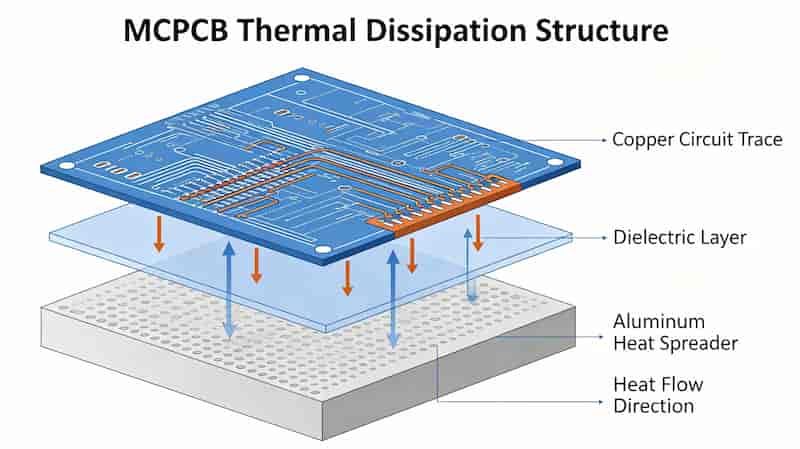
Global demand for MCPCBs continues rising due to electric vehicles, 5G infrastructure, high‑power LEDs, and industrial automation. Poor manufacturing quality leads to overheating, component failure, project delays, and unnecessary costs.
What Is a Metal Core PCB (MCPCB)
A metal core printed circuit board uses aluminum, copper, or alloy as the base substrate to improve heat dissipation. It typically includes a metal layer, dielectric layer, and circuit layer, making it ideal for high‑power and high‑heat applications.
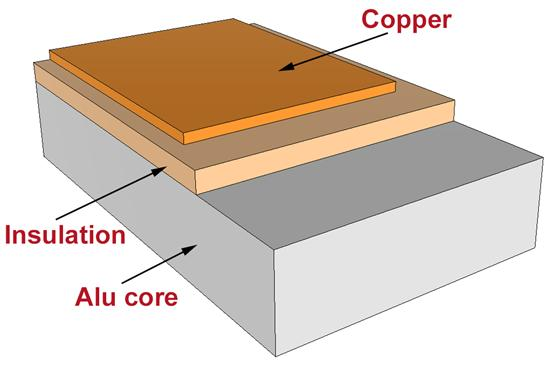
Key advantages: 5–8 times higher thermal conductivity than FR4, stable under high temperatures, compact layout, and strong mechanical stability.
Typical applications: LED lighting, automotive electronics, power converters, 5G base stations, industrial drivers, and EV battery management systems.
Metal Core PCB vs FR4 PCB Comparison
| Feature | Metal Core PCB | FR4 PCB |
|---|---|---|
| Base Material | Aluminum, Copper, Alloy | Fiberglass Epoxy |
| Thermal Conductivity | 1–8 W/m·K (High) | 0.25 W/m·K (Low) |
| Heat Dissipation | Excellent for High Power | Limited to Low Power |
| Typical Use | LED, Automotive, Power Supply | Consumer Electronics, Controls |
Key Factors in Choosing a Metal Core PCB Manufacturer
To select a trusted metal core PCB manufacturer, evaluate these core dimensions carefully:
1. Technical Expertise & Customization
Check ability to produce single‑sided, double‑sided, and multi‑layer MCPCBs. Verify material options (aluminum, copper), thermal conductivity grades, copper weight, surface finishes, and solder mask colors.
2. Quality Certifications & Standards
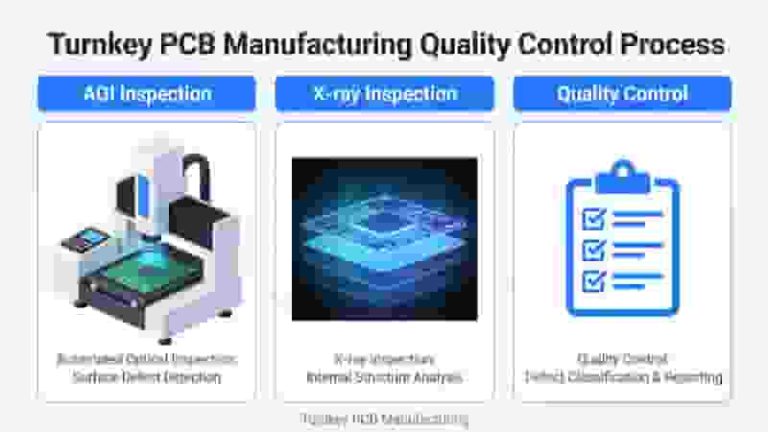
Reliable manufacturers hold ISO 9001, UL, RoHS certifications. They use AOI, flying probe testing, and thermal reliability tests to ensure every board meets specifications.
3. Prototyping & Scalability
A professional MCPCB supplier supports low‑volume prototyping (1 piece minimum) and smoothly scales to mass production without quality drops.
4. Lead Time & Global Delivery
Fast prototype turnaround (2–5 days) and stable mass production lead times ensure your project stays on schedule.
5. Engineering Support & Communication
Responsive technical teams help optimize design for manufacturability, reduce costs, and solve thermal challenges early.
Metal Core PCB Prototyping & Design Validation
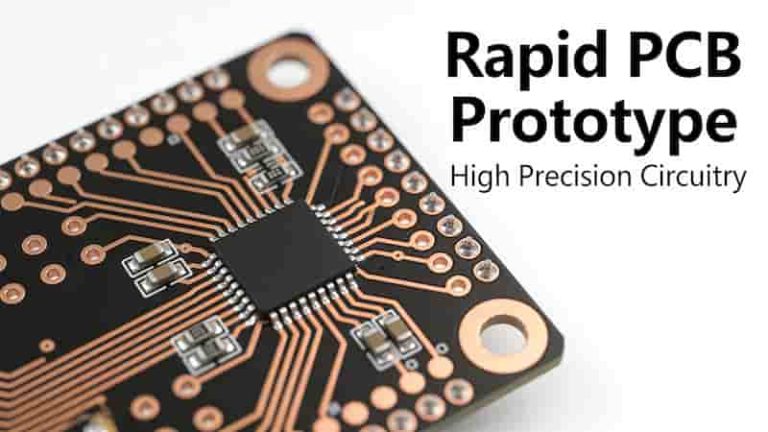
Prototyping is essential to validate thermal performance, electrical function, and structure before mass production. A valid metal core PCB prototype reduces risks and lowers overall costs.
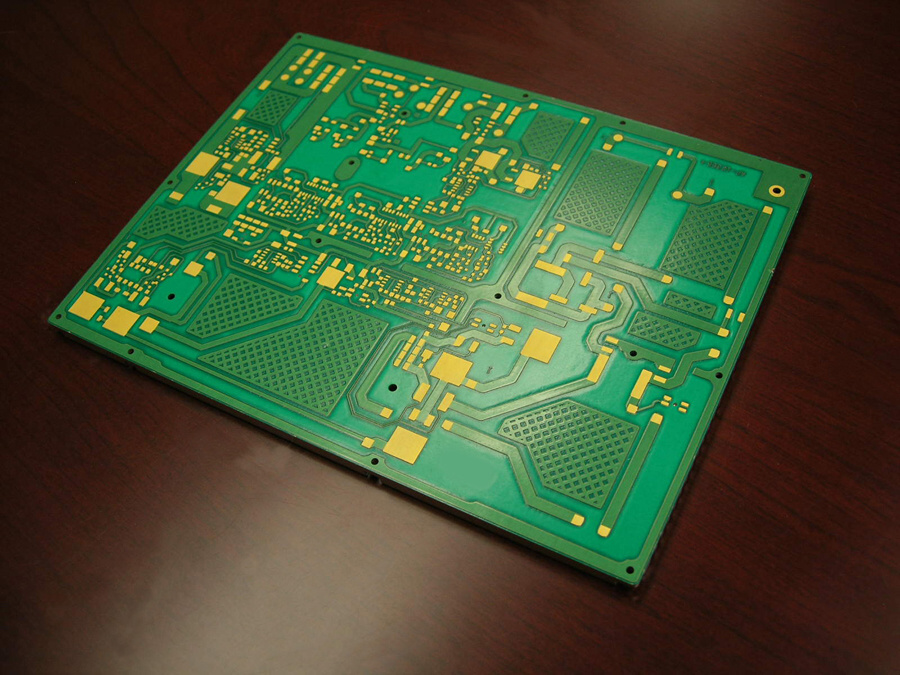
Key parameters to confirm: layer structure, base material, board thickness, copper weight, surface finish, solder mask, and targeted thermal conductivity.
Material Selection for Metal Core PCBs
The right material directly determines metal core PCB performance, lifespan, and cost.
- Aluminum PCB: Cost‑effective, lightweight, ideal for LED lighting and general industrial use.
- Copper Core PCB: Highest thermal conductivity, used in high‑power automotive, EV, and power supply projects.
- Special Alloys: Balanced performance for demanding 5G and aerospace applications.
Complete Metal Core PCB Manufacturing Process
A professional metal core PCB manufacturer follows a strict, repeatable process:
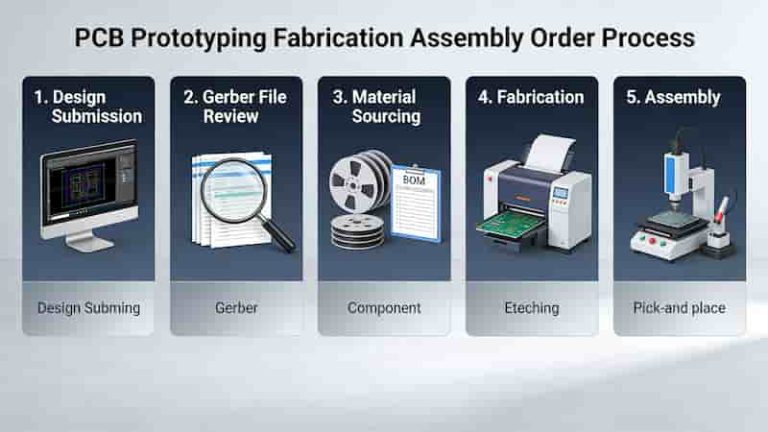
- Design review and DFM analysis
- Material cutting and precision drilling
- Electroplating and copper plating
- Circuit imaging and etching
- Solder mask and silkscreen
- Surface finish treatment
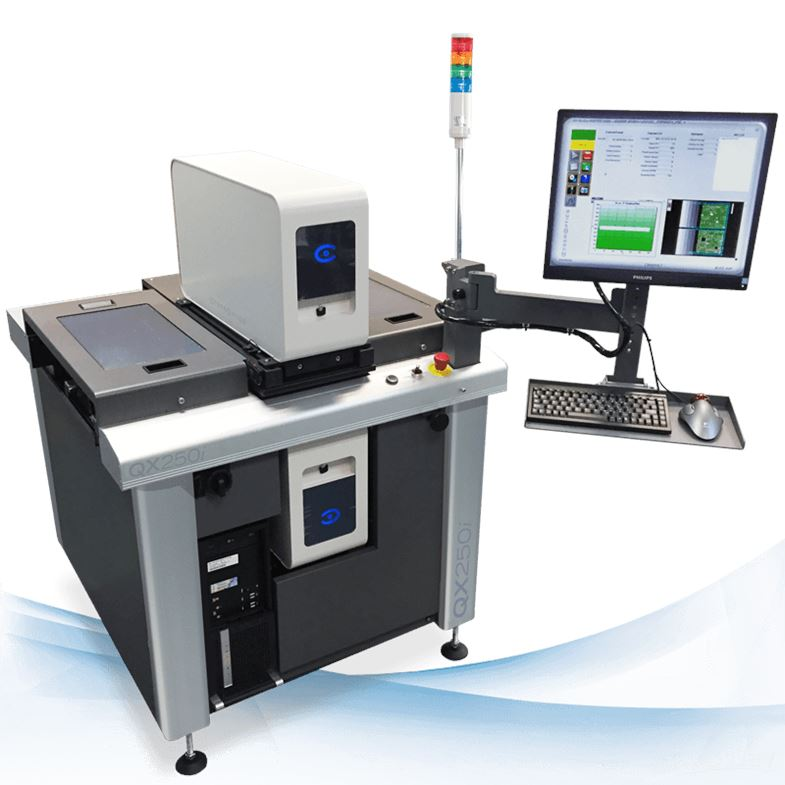
- AOI and electrical testing
- Final packaging and global shipping
MCPCB Cost & Quoting Guidelines
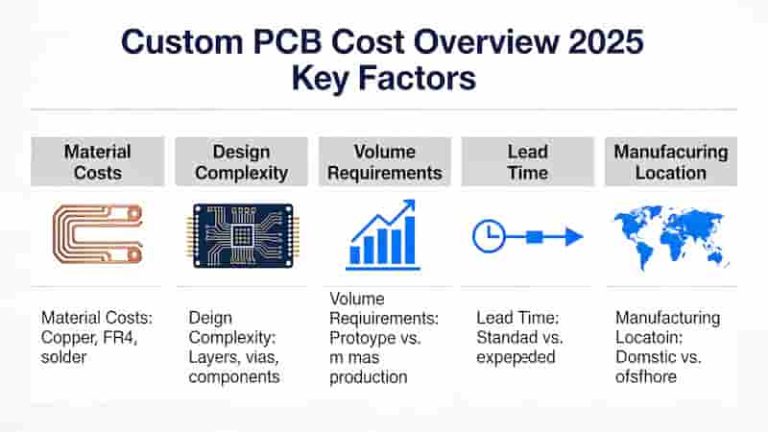
Cost of a metal core PCB depends on material, layer count, thickness, copper weight, surface finish, order quantity, and lead time.
To get an accurate quote, prepare Gerber files, BOM, layer structure, material type, quantity, target lead time, and special requirements.
Conclusion
Selecting the best metal core PCB manufacturer directly affects your product’s thermal performance, reliability, and market success. Focus on technical capability, quality system, prototyping, scalability, and global support to find a long-term partner.
We provide full‑service MCPCB solutions including aluminum PCBs, copper core PCBs, custom prototyping, and mass production for LED, automotive, 5G, and industrial applications.
Get Your MCPCB Quote & Custom Solution
Send us your Gerber files and requirements for a fast, detailed quotation. We support rapid prototyping and global delivery for your professional projects.
Inquire Now
Request Custom Design