In today’s competitive electronics manufacturing landscape, understanding PCB assembly cost is critical for engineering and procurement teams. This guide breaks down all pricing factors, assembly types, volume impacts, and practical strategies to optimize your budget without sacrificing quality.
What Is PCB Assembly?
PCB assembly (PCBA) is the process of mounting electronic components onto a bare printed circuit board to create a functional unit. It is a core step in electronics production, directly influencing product performance, reliability, and total cost.
Every electronic device relies on professionally assembled PCBs, from consumer electronics to industrial controls and automotive systems. Mastering PCB assembly cost helps you balance performance, lead time, and budget.
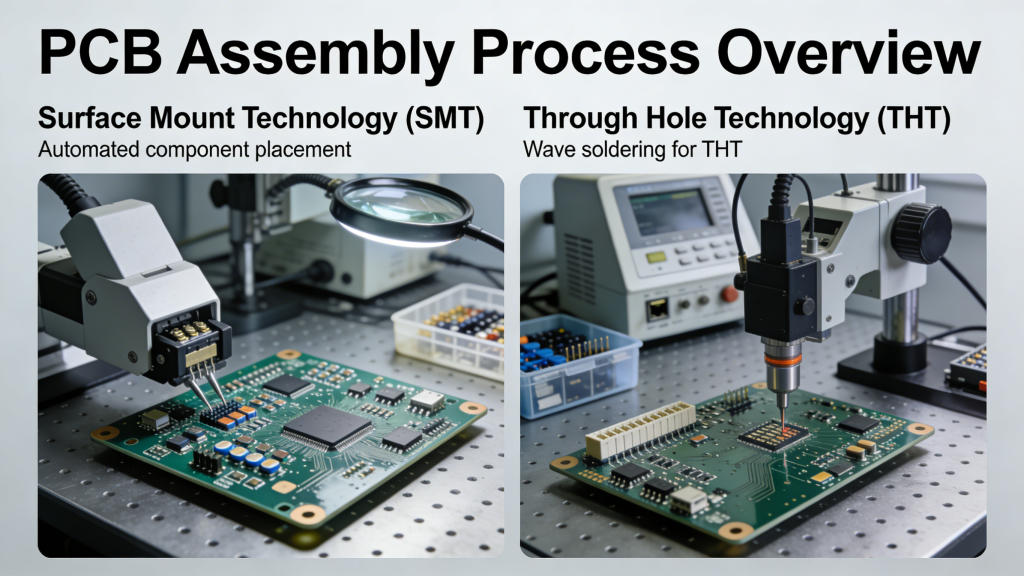
SMT vs. Through-Hole Assembly (THT)
The choice between assembly technologies is one of the biggest drivers of PCB assembly cost. Below is a clear comparison for engineering and purchasing teams.
| Type | Process | Cost Impact | Best For |
|---|---|---|---|
| SMT Assembly | Surface mount, reflow soldering | Lower per-unit at scale | High-density, mass production |
| THT Assembly | Leads through holes, wave soldering | Higher labor cost | High-power, mechanical strength |
| Mixed Assembly | SMT + THT combined | Moderate to high | Complex industrial products |
SMT PCB Assembly
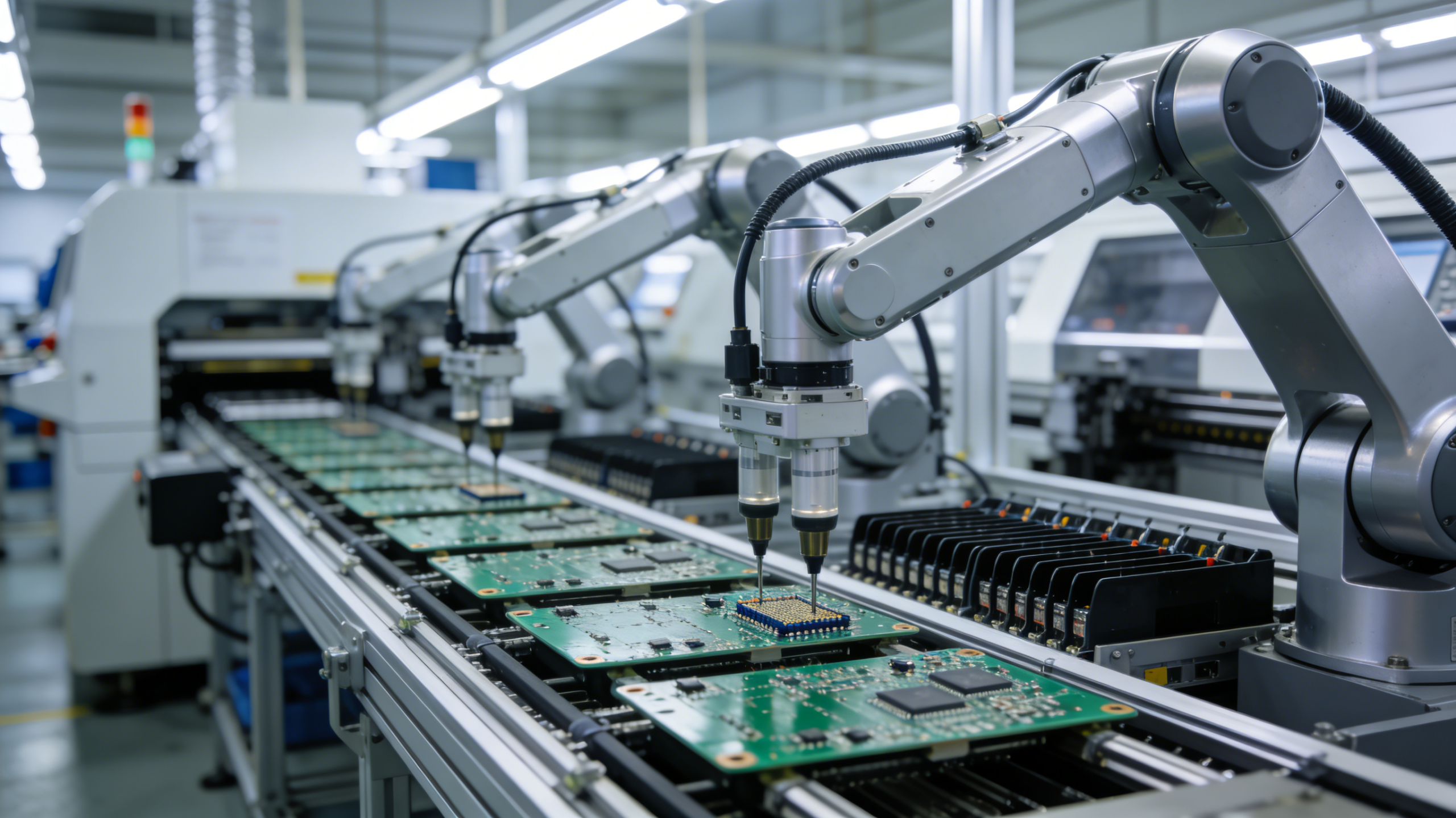
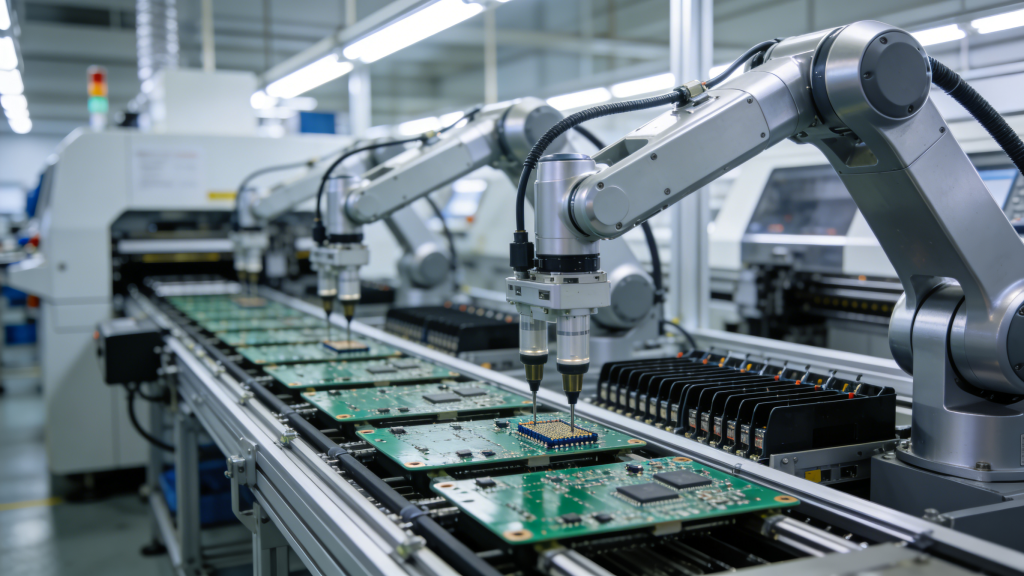
SMT assembly is the modern industry standard. Components are placed directly on the board surface, enabling miniaturization and high-speed automated production. It supports fine-pitch devices like BGA, QFN, and 01005 chips, which are essential for today’s compact electronics.
Through-Hole PCB Assembly
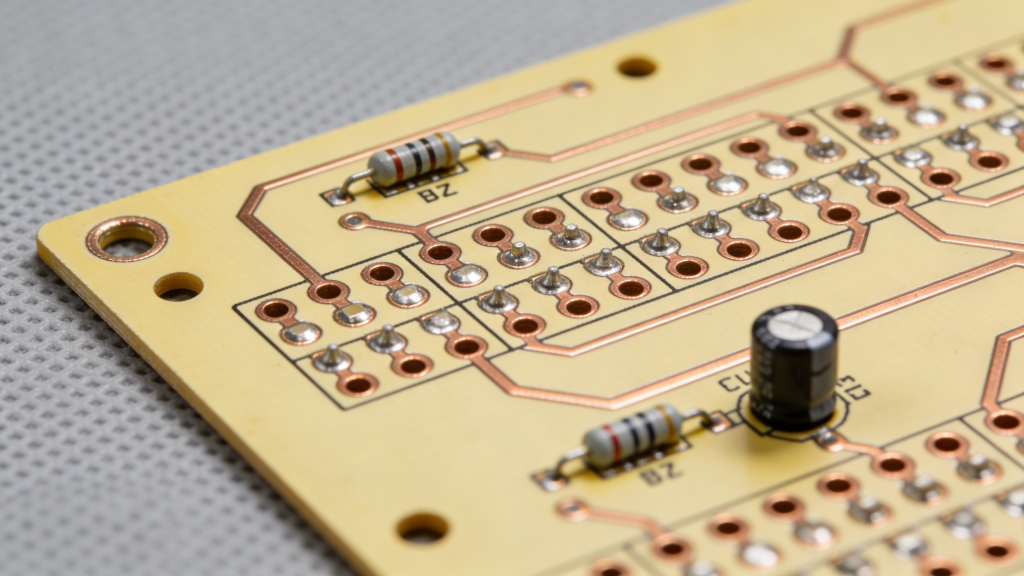
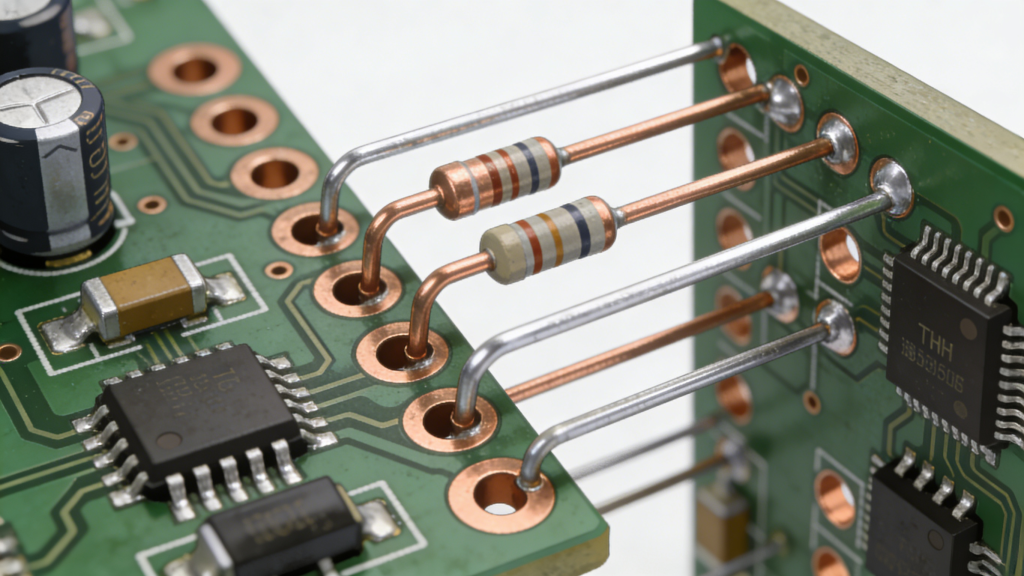
Through-hole technology uses component leads inserted into drilled holes. It provides stronger mechanical connections, ideal for high‑voltage, industrial, and automotive applications. However, PCB assembly cost rises due to higher labor and longer cycle times.
Key Factors Affecting PCB Assembly Cost
Many variables shape final pricing. Understanding them allows you to optimize PCB assembly cost early in design.
- Board Complexity: Layer count, board size, via types, and component density directly affect difficulty and cost.
- Component Types: Fine-pitch, BGA, and rare components increase placement difficulty and testing cost.
- Assembly Technology: SMT is more cost-efficient at scale; THT and mixed assembly add cost.
- Order Quantity: Higher volumes reduce setup cost per unit; prototypes have higher per-piece cost.
- Turnaround Time: Expedited orders add premium fees compared to standard lead times.
- Testing & Inspection: AOI, X‑ray, and functional testing improve quality but add to PCB assembly cost.
Average PCB Assembly Price Ranges
Pricing varies by project, but these industry benchmarks help you set realistic budgets for PCB assembly cost.
- SMT Assembly: $50 – $500 per panel (standard volume, typical complexity)
- Through-Hole Assembly: $100 – $1,000 per panel (more labor-intensive)
- Mixed Assembly (SMT + THT): $150 – $1,500 per panel (complex applications)
For accurate pricing, share your Gerber files, BOM, quantity, and target lead time with qualified manufacturers.
How to Choose a Reliable PCB Assembly Partner
The right partner lowers your effective PCB assembly cost while ensuring quality and on‑time delivery.
- Certifications: ISO 9001, IPC‑A‑610, and industry‑specific standards
- Full capabilities: SMT, THT, mixed, BGA, X‑ray inspection, and conformal coating
- Component sourcing support to reduce delays and costs
- Transparent pricing with no hidden fees
- Consistent communication and engineering support
We provide turnkey PCB assembly with certified processes, competitive pricing, and global export support.
How to Reduce PCB Assembly Costs
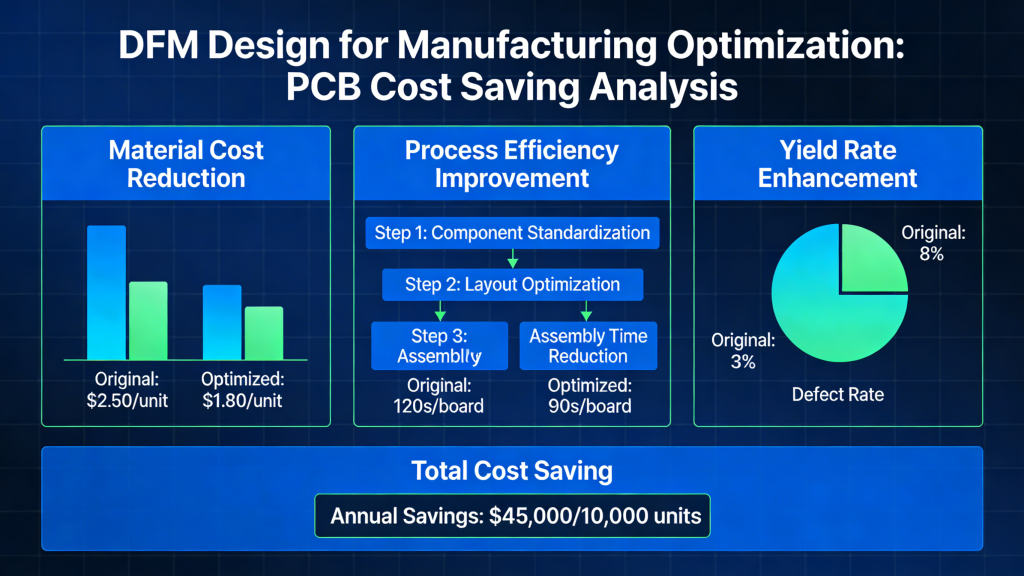
- Standardize board sizes to minimize material waste
- Use common, readily available components to avoid shortages and premiums
- Combine SMT wherever possible to lower assembly time
- Plan realistic lead times to avoid rush order fees
- Collaborate with your manufacturer on DFM (Design for Manufacturing) optimization
Conclusion
Understanding PCB assembly cost allows you to make data-driven decisions that balance quality, speed, and budget. By optimizing design, choosing the right assembly type, and partnering with an experienced supplier, you can achieve consistent, cost-effective PCB manufacturing for global markets.
We specialize in reliable, cost-efficient PCB assembly for export worldwide, supporting prototypes to mass production with full technical and quality assurance.
Get Your Custom PCB Assembly Quote Today
Send BOM, Gerber files, order quantity, and target lead time for a free, detailed quotation.
Request Free Quote
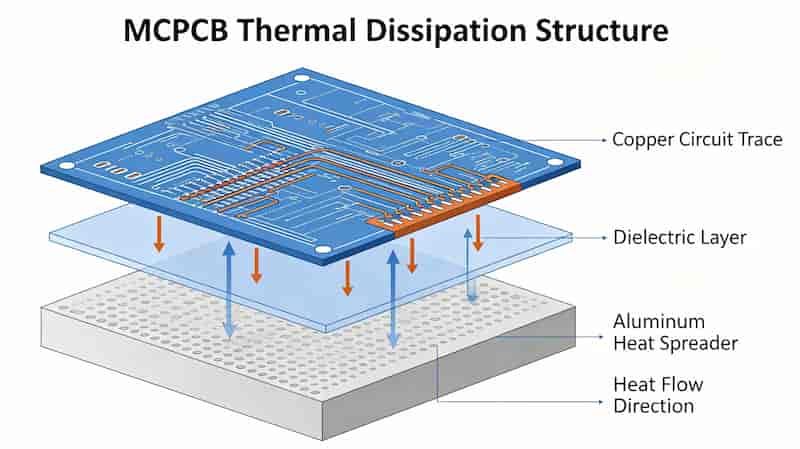
How to Choose the Best Metal Core PCB Manufacturer for Your Project
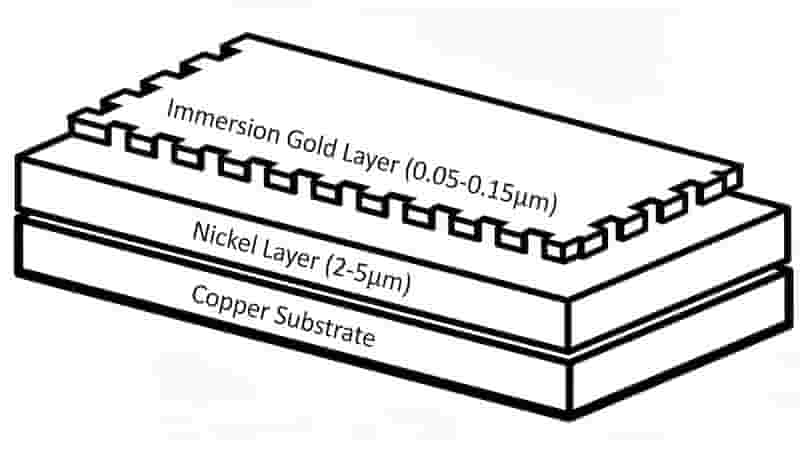
PCB Immersion Gold (ENIG) Surface Finish: Full Guide for Reliable Lead-Free PCBs
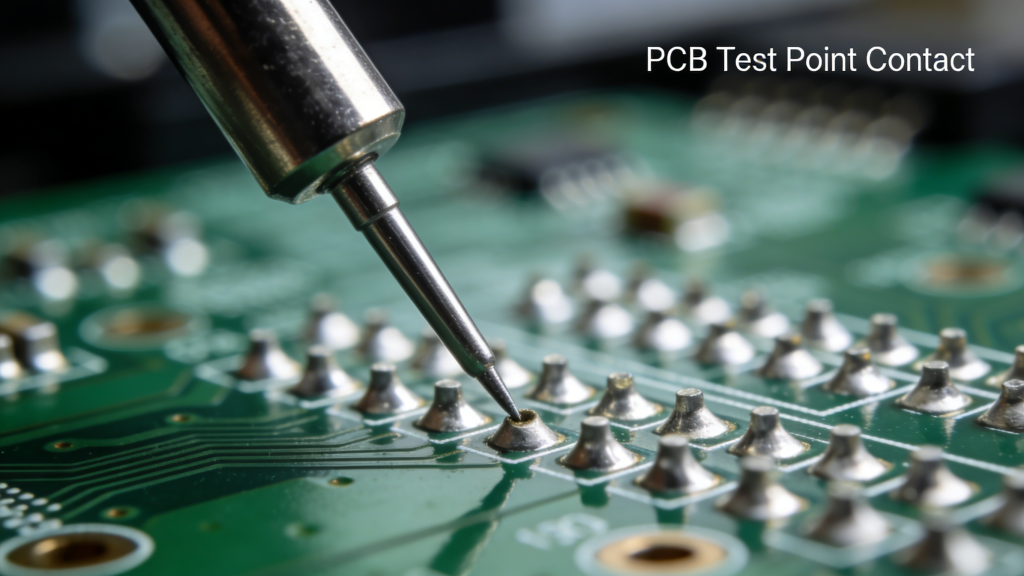
Flying Probe Testing for PCB: The Complete Professional Guide
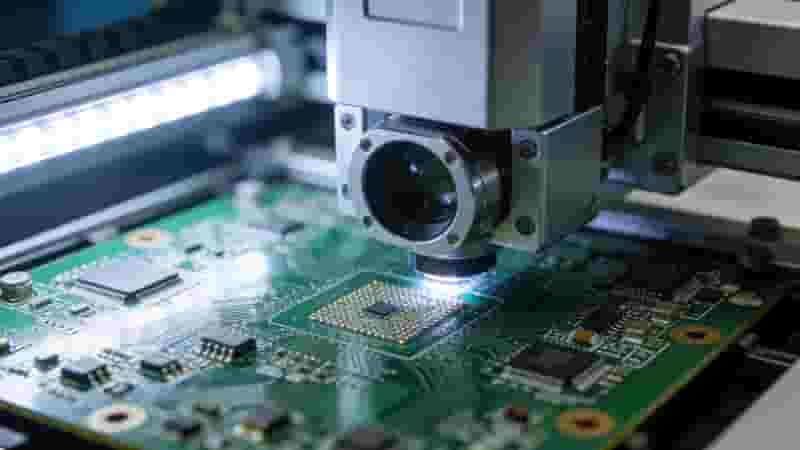
SMT PCB Assembly Services for Prototypes & Production
HDI PCB Layout and Basic HDI Design Guidelines