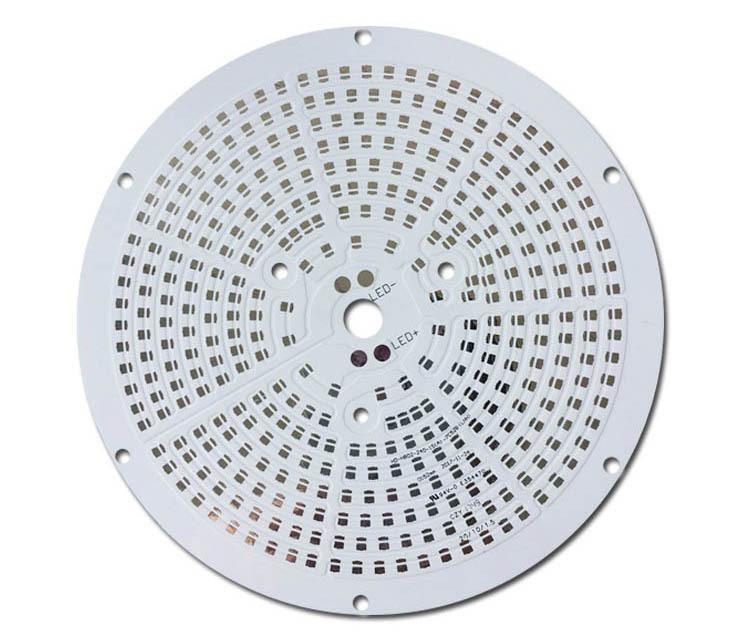
We are a professional Metal Core PCB manufacturer in China, providing fast MCPCB prototypes and small-batch production with aluminum and copper cores at competitive prices for LED and power electronics.
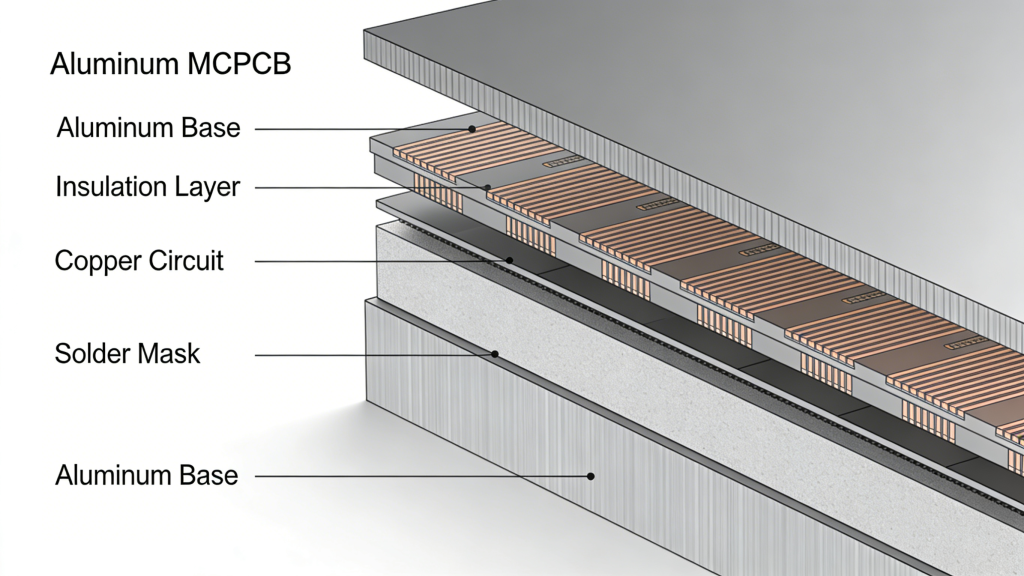
Why Metal Core PCBs (MCPCBs) for High-Power Designs
High-power electronic designs face critical thermal management challenges that traditional FR4 PCBs cannot adequately address. Metal Core PCBs with aluminum or copper substrates provide superior heat dissipation, ensuring your LED arrays, power converters and automotive electronics operate reliably under demanding conditions.
Poor Thermal Conductivity with FR4 PCBs
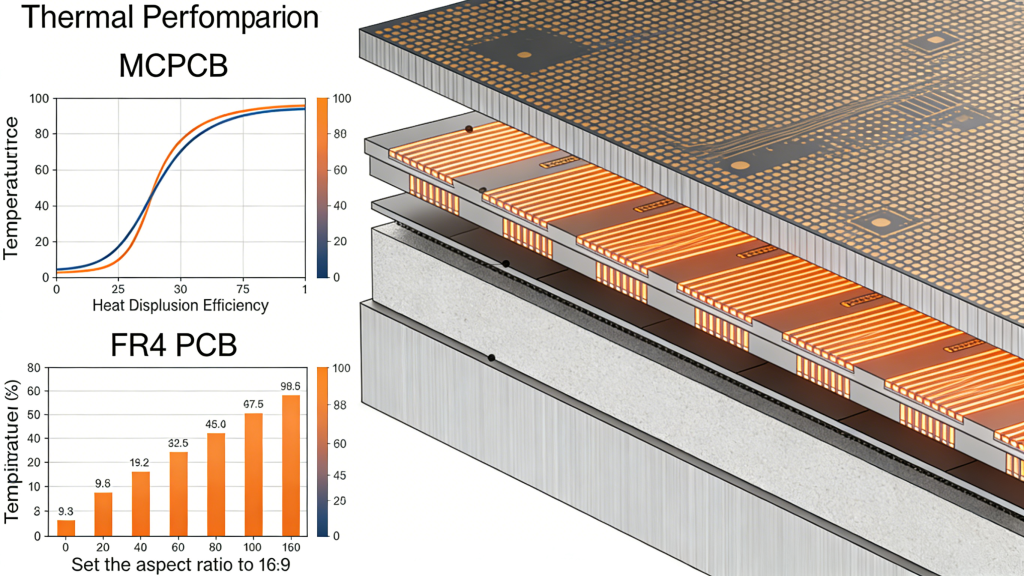
Traditional FR4 circuit boards have very low thermal conductivity (0.3–0.4 W/m·K), causing heat to accumulate around high-power components. Excessive temperature rise degrades performance, triggers thermal shutdown, and can even lead to component failure in LED lighting, power supplies and automotive systems.
Superior Heat Dissipation with Metal Core PCBs
Metal Core PCBs use aluminum or copper substrates with thermal conductivity ranging from 1.0 to 8.0 W/m·K—up to 20 times better than FR4. The metal base acts as an integrated heat sink, rapidly transferring heat away from LEDs and power ICs, keeping junction temperatures low and ensuring stable operation.
Metal Core PCB Manufacturing Capabilities
| Parameter | Specifications |
|---|---|
| Metal Base Materials | Aluminum (5052, 6061), Copper |
| Thermal Conductivity | 1.0–3.0 W/m·K (aluminum), up to 8.0 W/m·K (copper) |
| Layer Count | Single-sided, double-sided, multilayer |
| Copper Thickness | 1–6 oz |
| Surface Finish | HASL, Lead-free HASL, ENIG, OSP, Immersion Silver |
| Prototype Lead Time | 3–5 days (expedited available) |
Metal Core PCB Applications
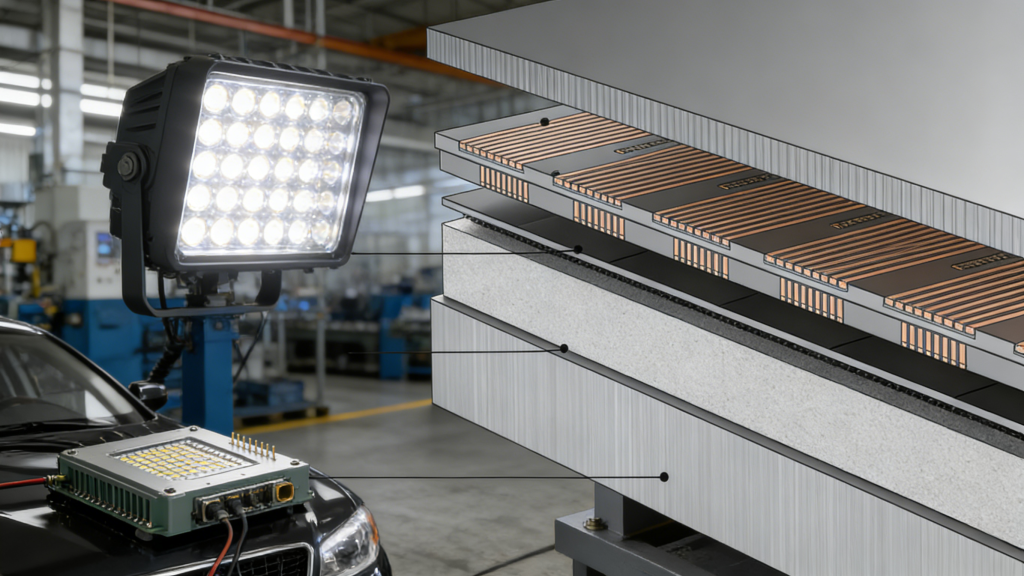
Metal Core PCBs are widely used in high-power and heat-sensitive applications where excellent thermal management is critical. We provide aluminum and copper MCPCB solutions tailored for global industrial buyers.
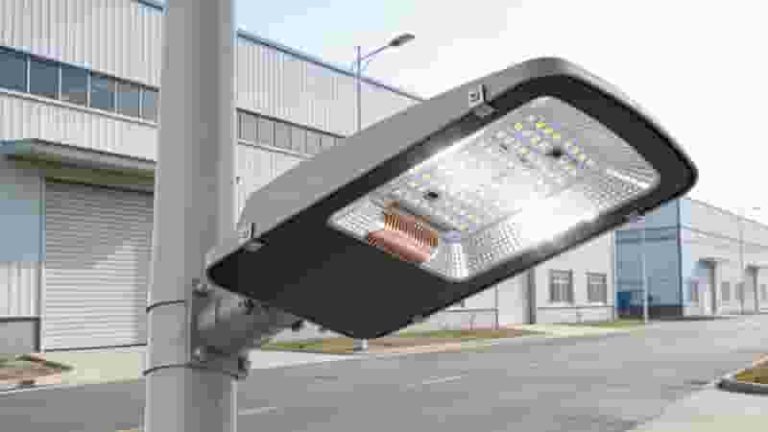
- LED Lighting & Illumination: Street lights, automotive headlights, backlight units
- Automotive Electronics: Lighting modules, ECUs, onboard charging systems
- Power Electronics: SMPS, motor drivers, solar inverters, DC-DC converters
- Telecom & Industrial Control: RF amplifiers, base stations, industrial controllers
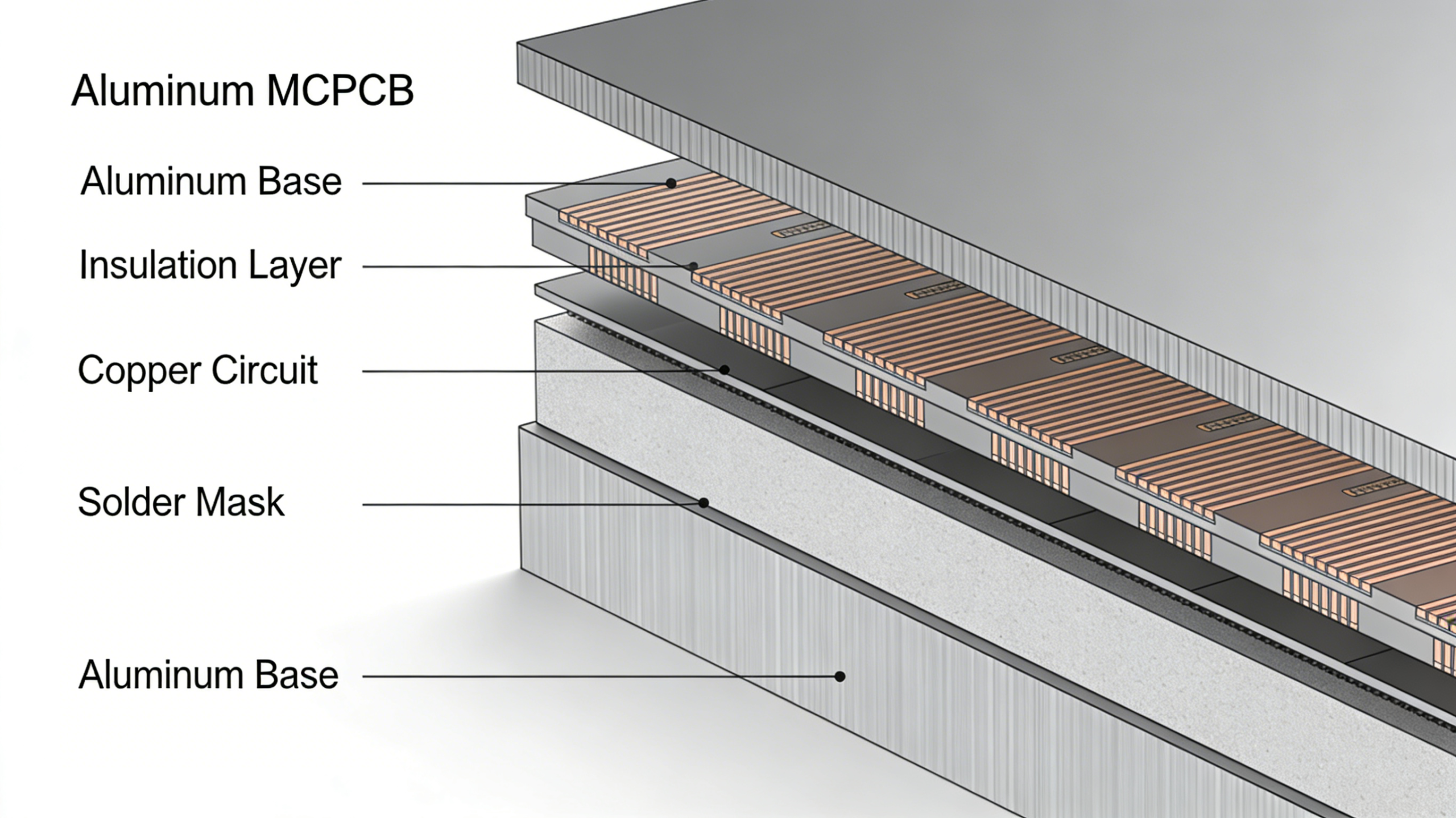
Metal Core PCB Materials & Stack-Up
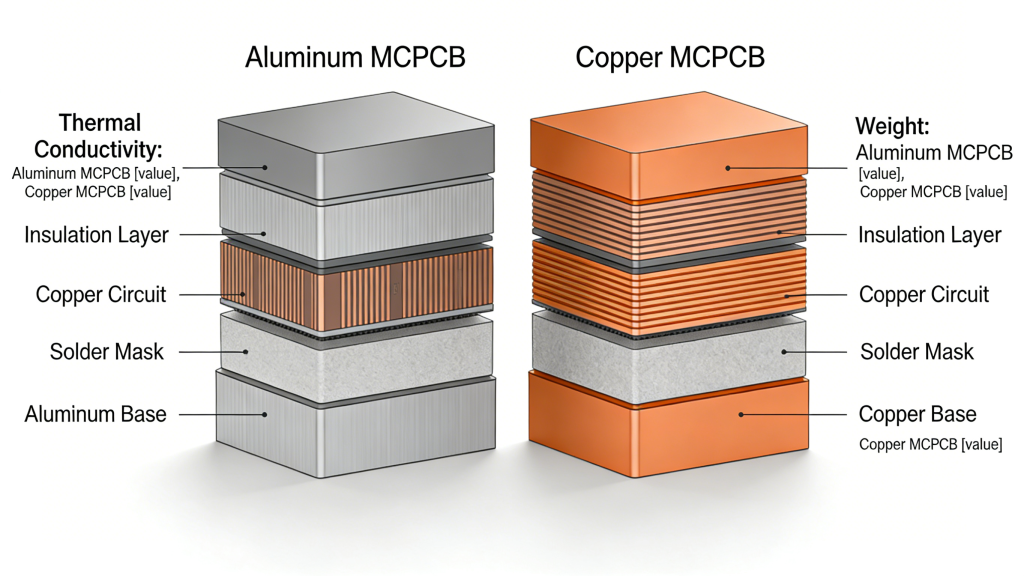
Aluminum vs Copper Metal Core PCB
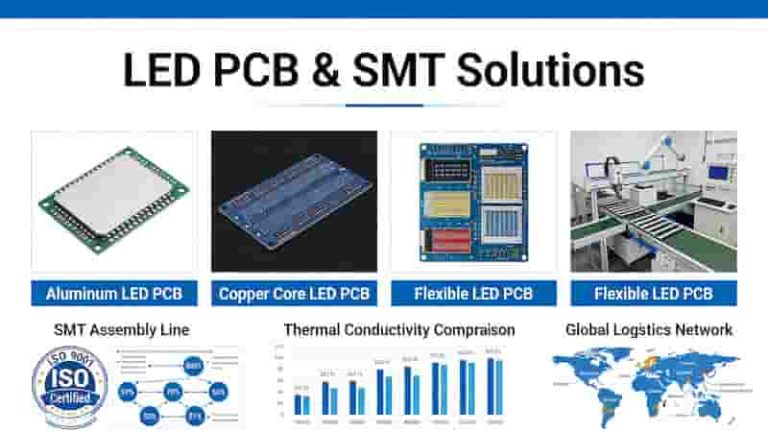
Aluminum MCPCB: Most cost-effective for LED lighting and general high-power applications. Good thermal performance, lightweight, easy to machine.
Copper MCPCB: Ultra-high thermal conductivity (up to 400 W/m·K) for extreme power density, RF amplifiers, and high-performance automotive systems.
Metal Core PCB Manufacturing & Quality Control
We follow strict manufacturing processes to ensure every Metal Core PCB meets your thermal, electrical and mechanical requirements. Our quality system includes ISO 9001, RoHS, REACH compliance and 100% electrical testing.
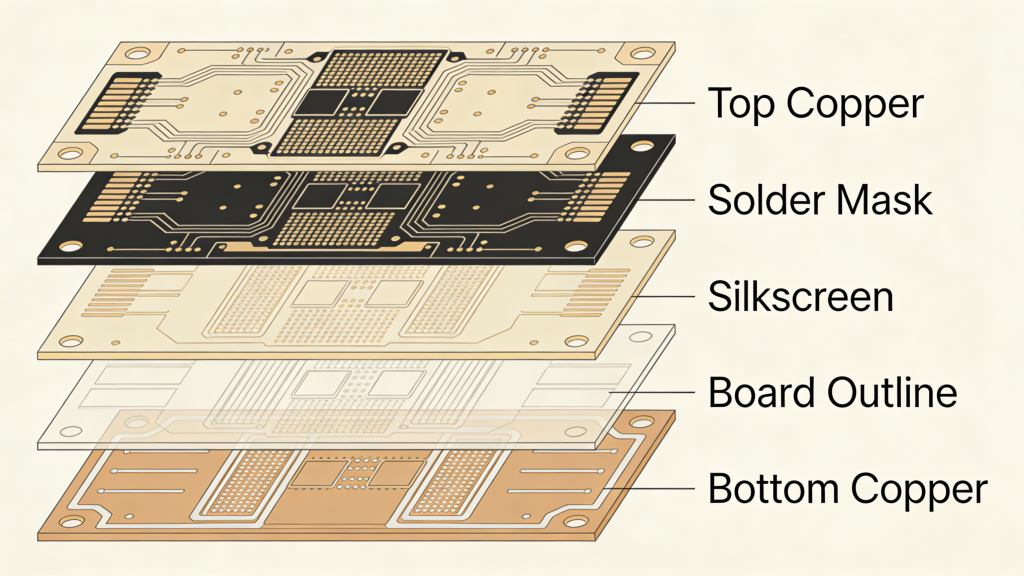
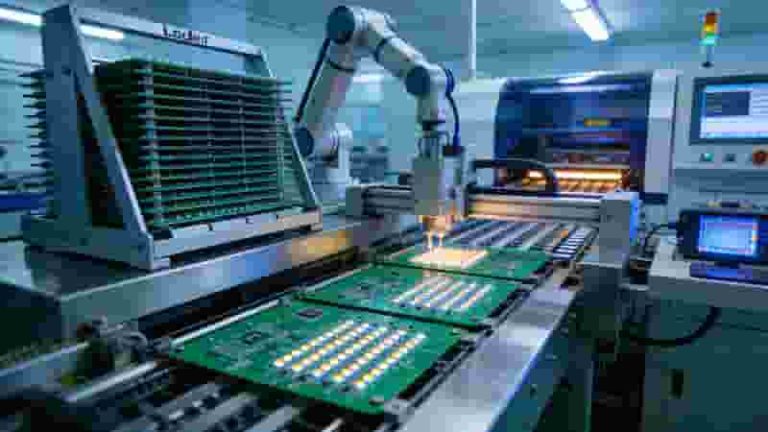
- Material preparation & precision cutting
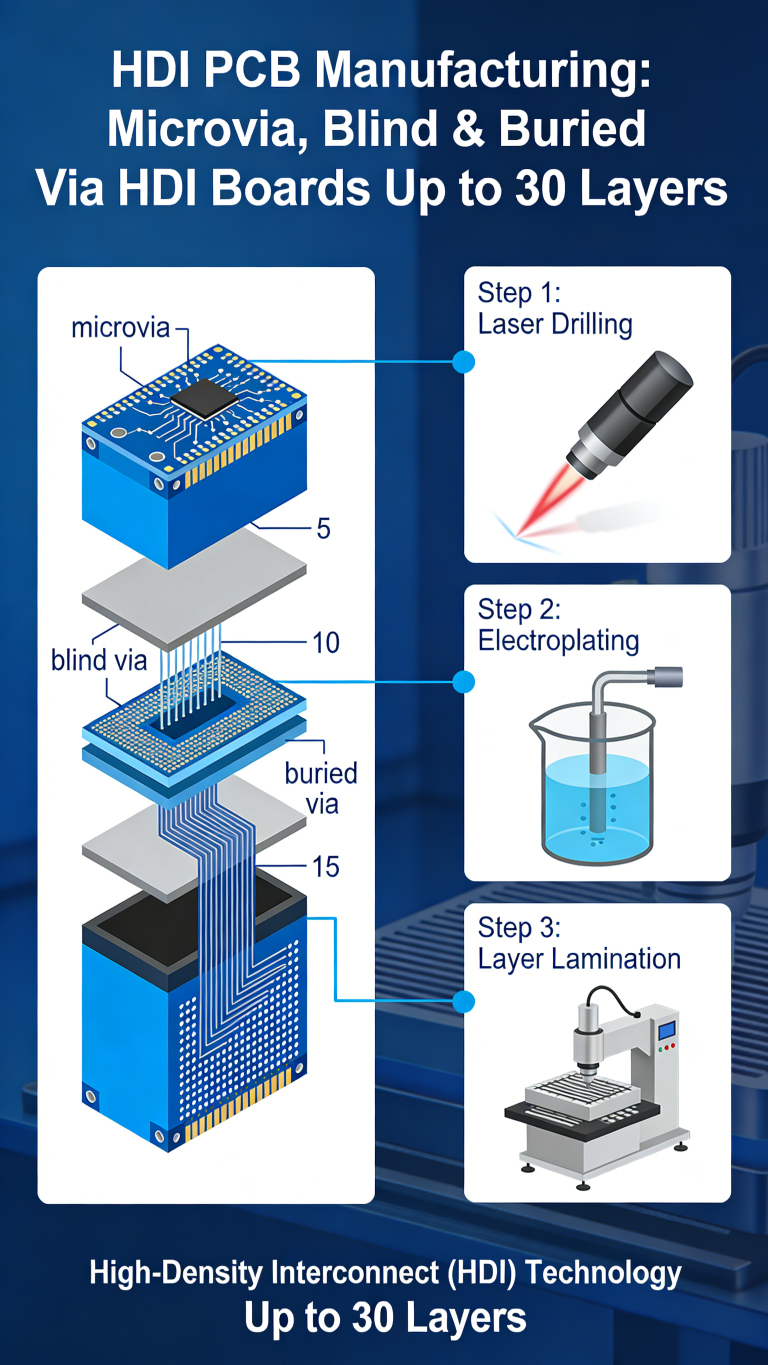
- CNC drilling & via formation
- Circuit imaging & etching
- Solder mask & silkscreen application
- Surface finish & final inspection
Summary
Metal Core PCBs are the ideal solution for high-power electronic designs requiring superior thermal management. As a leading MCPCB manufacturer in China, we deliver reliable prototypes and production boards with fast lead times, competitive pricing, and full engineering support for global buyers.
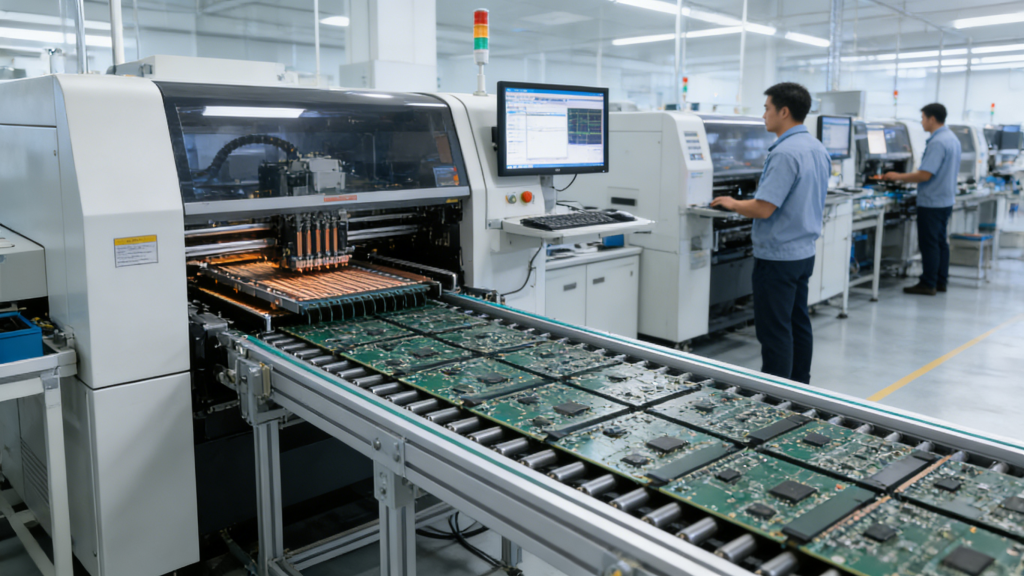
Get Your Metal Core PCB Quote Today
Fast prototyping, competitive pricing, and expert engineering support for your MCPCB project.
- Free DFM review with every quote
- Fast turnaround: 3–5 days for prototypes
- Flexible MOQ: Start from 1 piece
- 24-hour quote response for standard specs
Contact us now to get a customized Metal Core PCB solution for your LED, automotive, or power electronics project.
Request MCPCB Quote
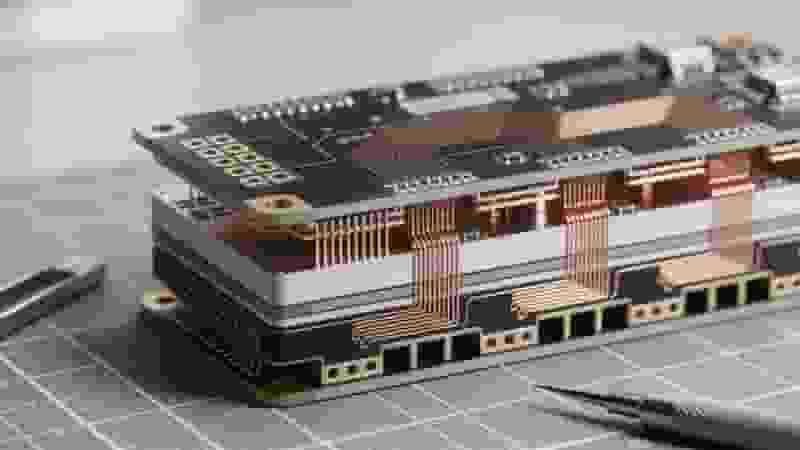
HDI PCB Layout and Basic HDI Design Guidelines
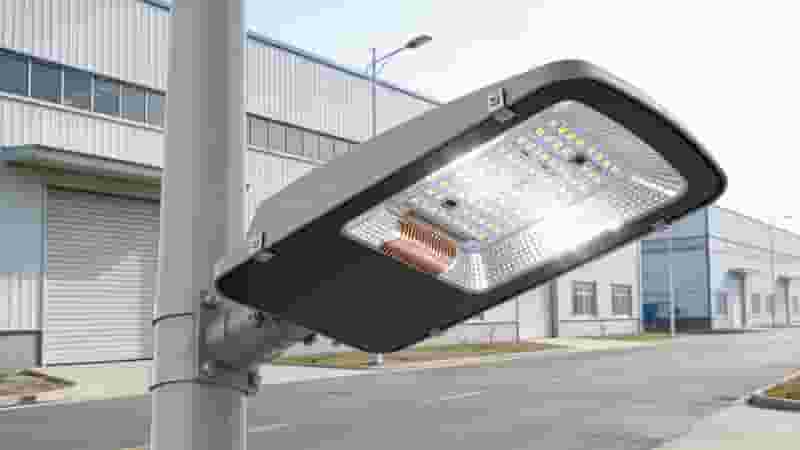
High-Performance Copper Core PCBs for LED and Power Applications
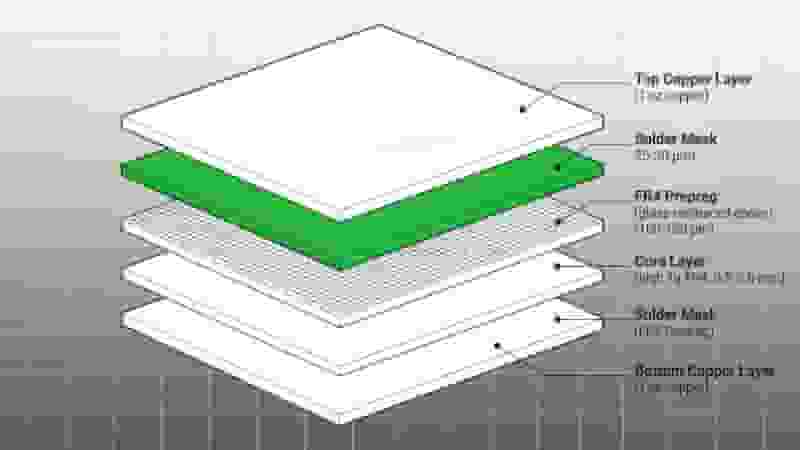
Why FR4 Is the Preferred Material for High Tg PCBs: Benefits and Applications
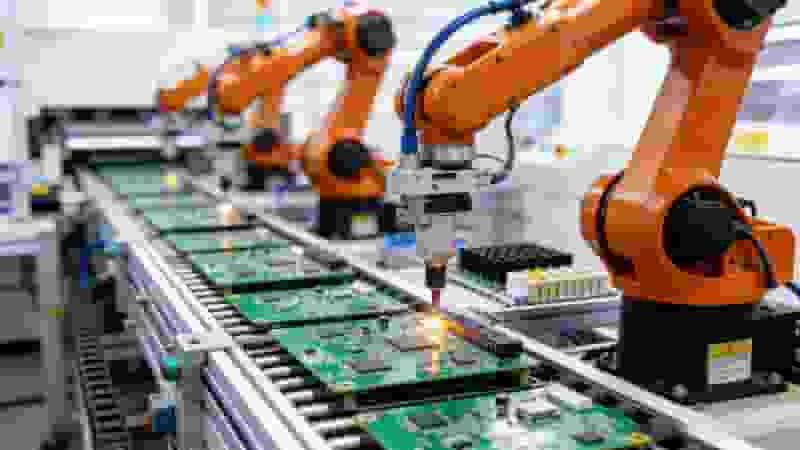
Reliable Fast PCB Manufacturer in China | High‑Quality Custom PCB Solutions
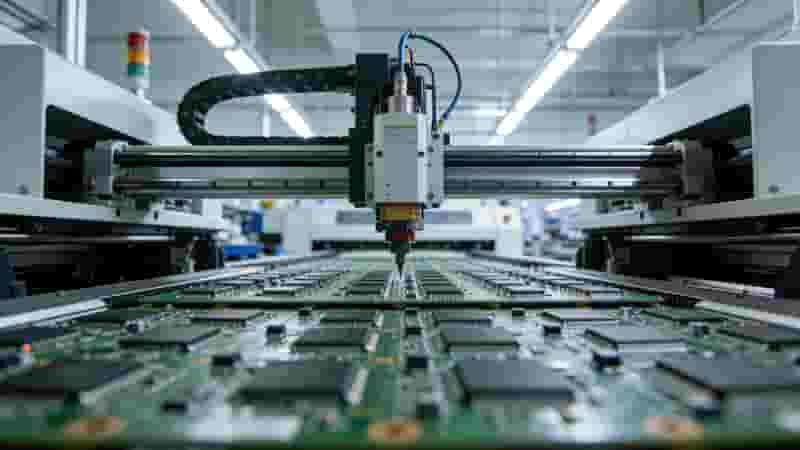
Low-Volume & Small Batch PCB Assembly Service