This professional guide helps industrial buyers, engineers, and procurement teams evaluate low-volume PCB assembly suppliers systematically, covering technical capabilities, quality systems, lead time, cost transparency, and long-term partnership to ensure reliable, cost-effective, and high-quality PCB assembly for prototypes and small-batch production.
Technical & Assembly Capabilities
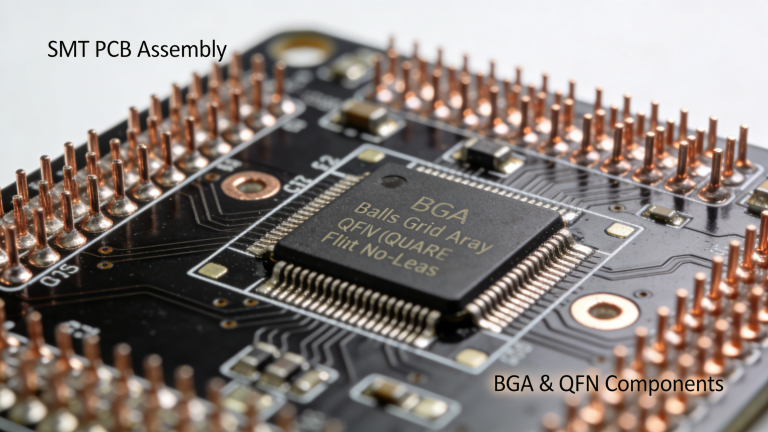
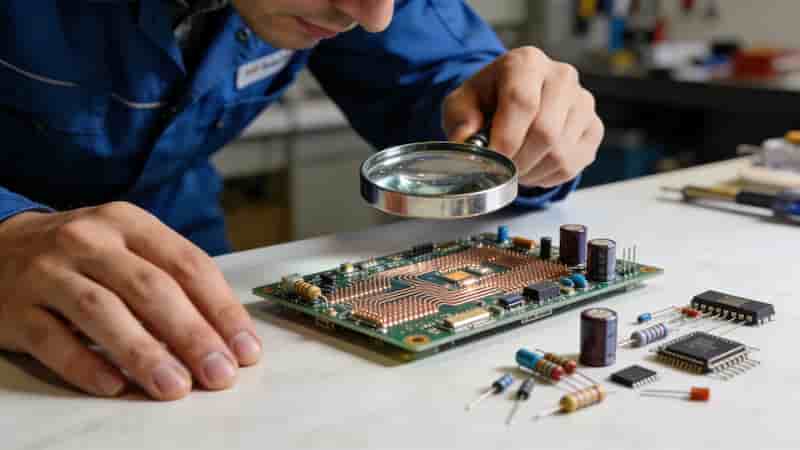
Low-volume PCB assembly demands specialized equipment and expertise for small-batch and prototype production. Top manufacturers support 01005 components, fine-pitch SMT, BGA/QFN packaging, and mixed technology (SMT + through-hole).
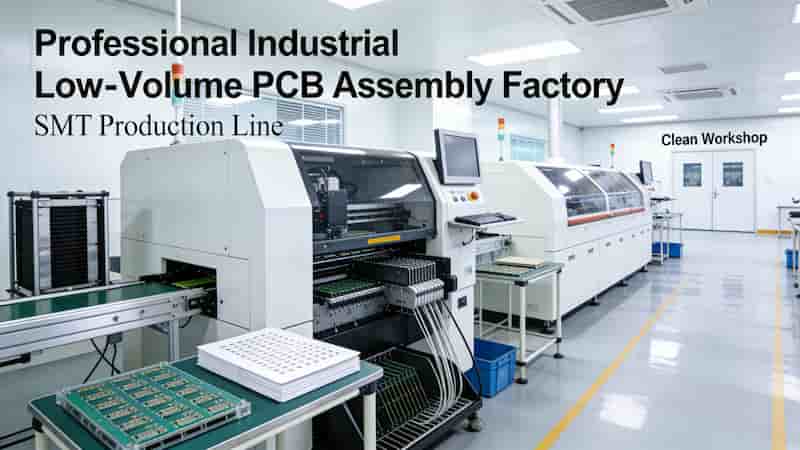
Key capabilities to verify:
- Support for low-volume PCB assembly orders from 1 piece to 1,000 units
- In-house SMT assembly lines with SPI, AOI, and X-ray inspection
- Prototype-to-production transition support
- DFM (Design for Manufacturability) analysis for PCB assembly
Quality Standards & Certifications
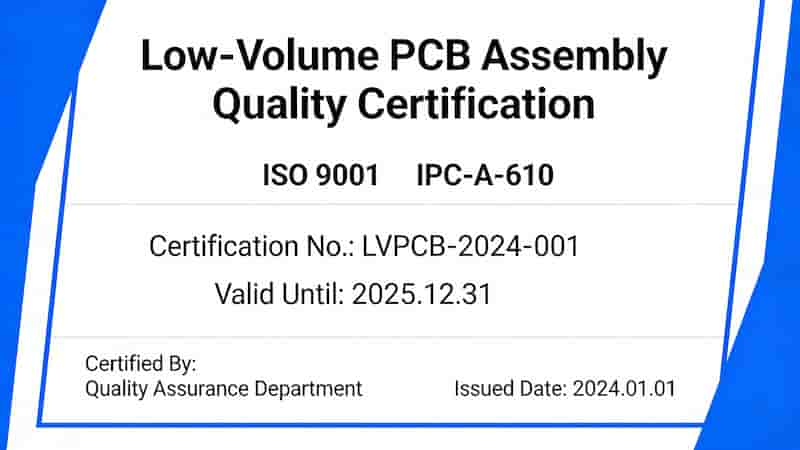
Reliable low-volume PCB assembly providers maintain strict quality systems. Essential certifications include ISO 9001, IPC-A-610, and RoHS compliance. Medical or automotive projects require ISO 13485 or IATF 16949.
Quality control processes:
- ESD-controlled production environment
- Incoming material inspection and outgoing functional testing
- Full traceability for components and PCB assembly batches
Component Sourcing & Management
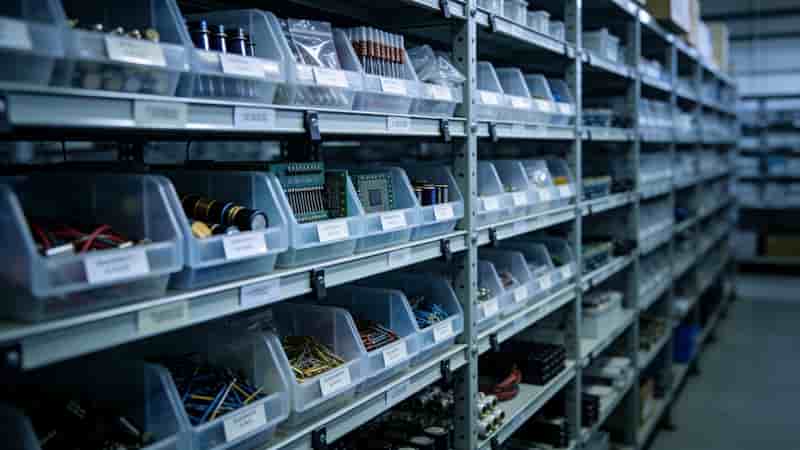
Stable component supply is critical for low-volume PCB assembly. Trusted manufacturers offer turnkey sourcing, counterfeit prevention, and alternative component support to avoid production delays.
Supply chain advantages:
- Global authorized component distributors network
- Alternative parts recommendation for cost and lead time optimization
- No MOQ restrictions for most low-volume PCB assembly projects
Lead Time & Flexibility
Fast turnaround is a core benefit of professional low-volume PCB assembly services. Reliable suppliers deliver prototypes in 3–7 days and small batches in 7–15 days, with flexible support for design changes.
Production flexibility features:
- Quick-turn options for urgent PCB assembly needs
- Mid-production design revision support
- Priority scheduling for low-volume and prototype orders
Cost Transparency & Value
Transparent pricing ensures you get the best value for low-volume PCB assembly. Top providers offer detailed quotations including engineering, materials, assembly, testing, and shipping with no hidden fees.
Cost optimization factors:
- DFM-driven cost reduction for PCB assembly
- Flexible pricing tiers for different order volumes
- All-inclusive turnkey service packages
Low-volume PCB Assembly Manufacturer Comparison
| Evaluation Item | Standard Manufacturer | Professional Low-volume PCB Assembly Supplier |
|---|---|---|
| MOQ Requirement | High MOQ, not small-batch friendly | Low or no MOQ, ideal for prototypes |
| Lead Time | 15–30 days, slow response | 3–15 days, quick-turn supported |
| DFM Service | Basic or charged | Free professional DFM analysis |
| Quality System | Limited inspection | Full IPC/ISO compliant inspection |
Summary & Selection Criteria
Selecting the right low-volume PCB assembly manufacturer directly impacts your product quality, project timeline, and overall cost. Focus on technical capability, quality certification, supply chain stability, lead time, and cost transparency.
Top priority checklist:
- Specialized in low-volume PCB assembly and prototypes
- Complete quality certifications and strict inspection
- Reliable component sourcing and supply chain
- Fast lead time and production flexibility
- Transparent pricing and professional engineering support
Ready for Reliable Low-volume PCB Assembly?
Get professional low-volume PCB assembly services with fast lead times, strict quality control, and transparent pricing. Contact us for a free quote and DFM analysis today.
Request Free Quote
Double Sided PCB Manufacturing: Process, Specifications & Custom Solutions

Top 30 Best Free PCB Design Software Free Download
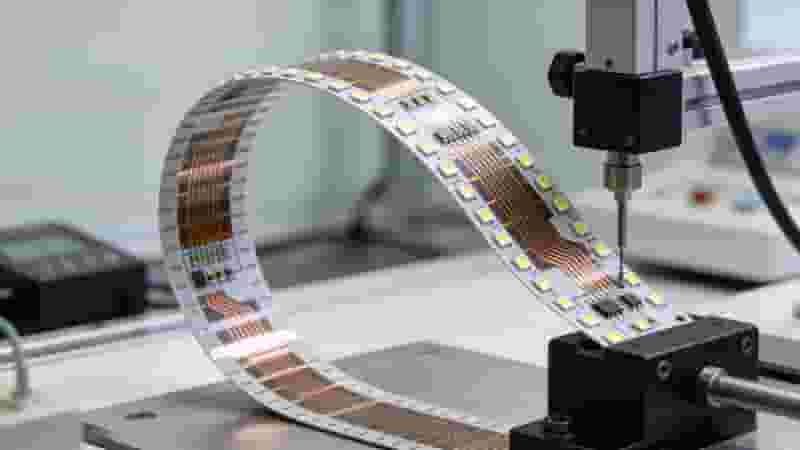
Professional LED PCB Manufacturing & Assembly Services
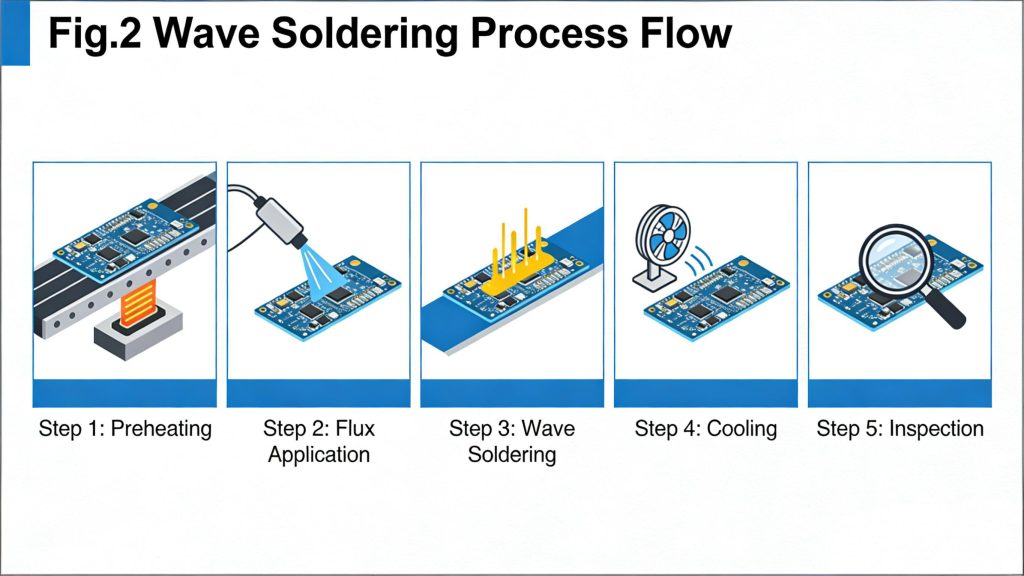
Selective Soldering vs Wave Soldering vs Reflow Soldering: What’s the Difference?
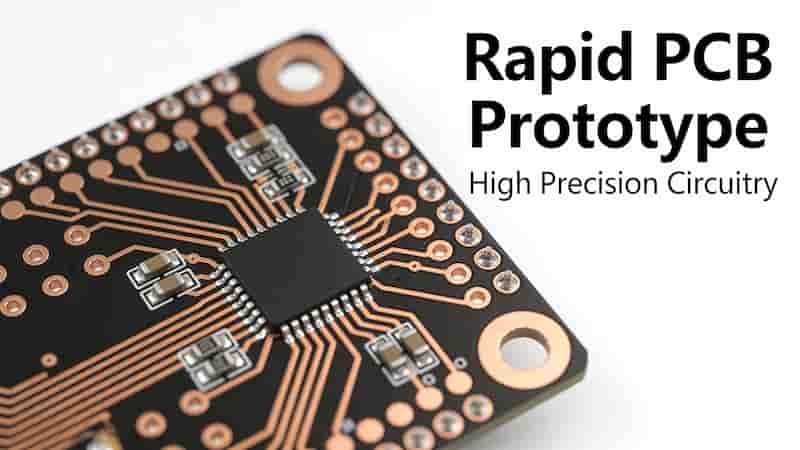
Accelerate Your Innovation with Rapid PCB Prototyping