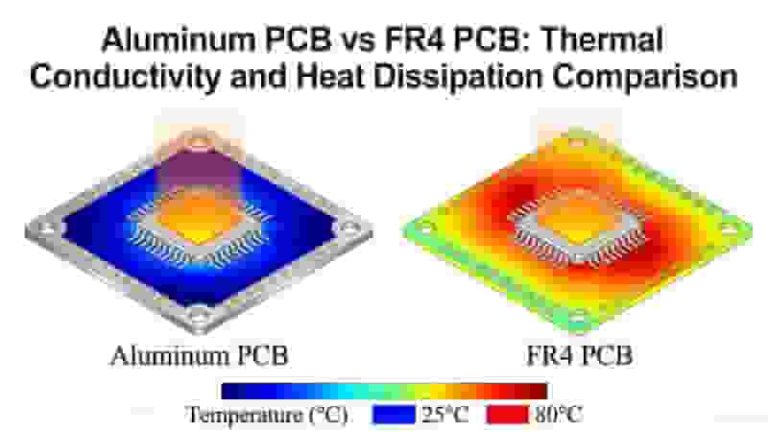
This professional guide compares Aluminum PCBs and FR4 PCBs in thermal performance, electrical properties, mechanical strength, cost, and ideal applications to help engineers and purchasers select the right PCB for reliable export projects.
What is FR4 PCB
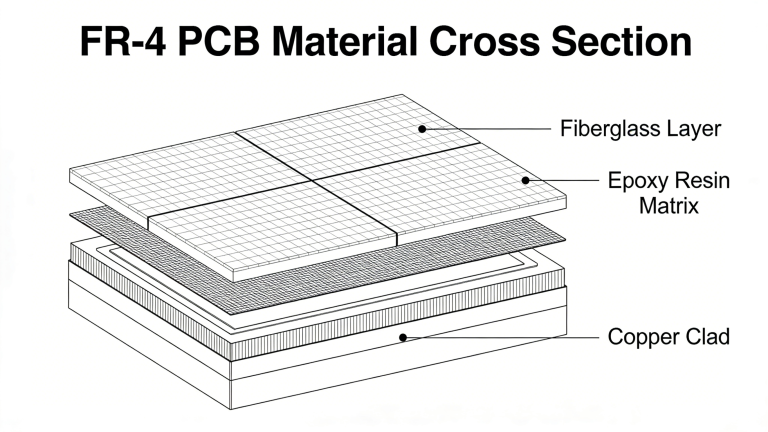
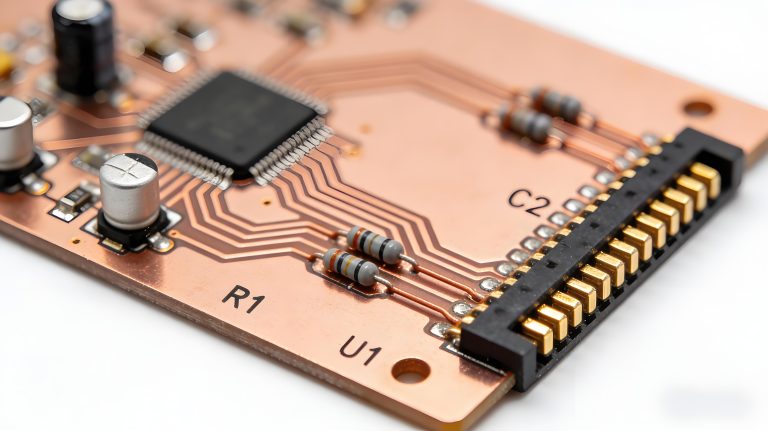
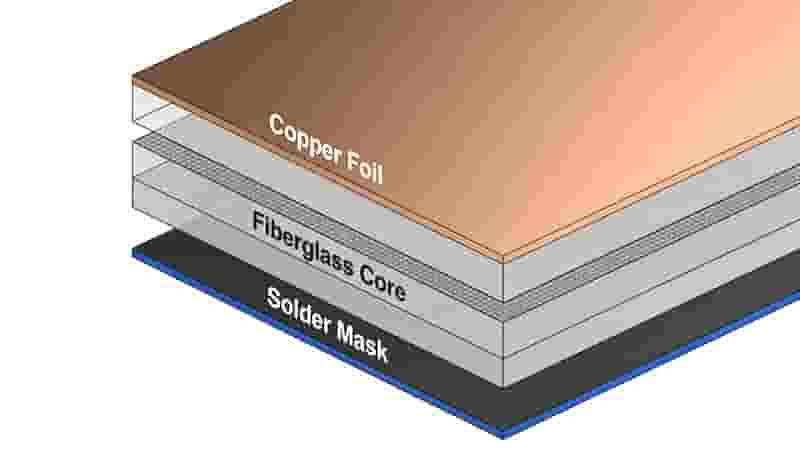
FR4 PCB is the most widely used rigid PCB material, made of woven fiberglass cloth bonded with flame‑resistant epoxy resin. It offers balanced electrical insulation, mechanical stability, and low cost for general‑purpose electronics.
Standard FR4 PCBs support single‑sided, double‑sided, and multilayer designs up to 30+ layers. They are the default choice for consumer electronics, telecom devices, and low‑to‑medium power industrial controls.
What is Aluminum PCB
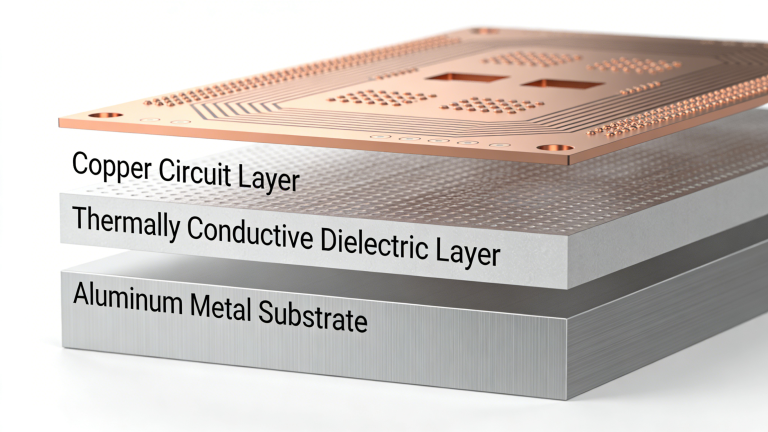
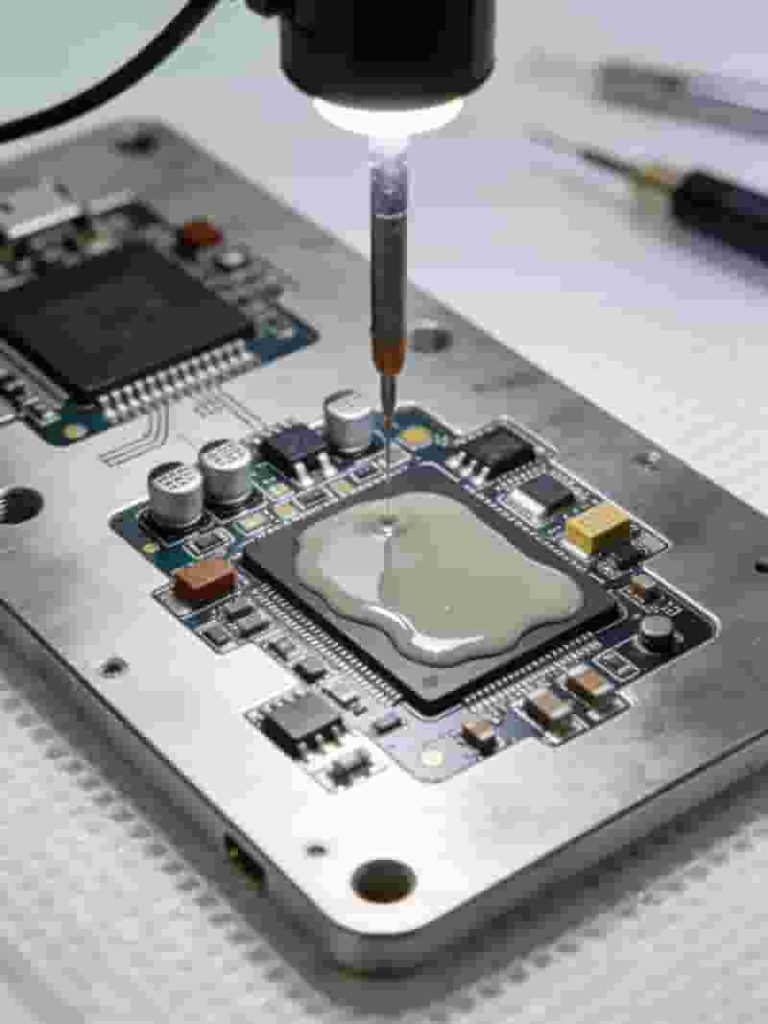
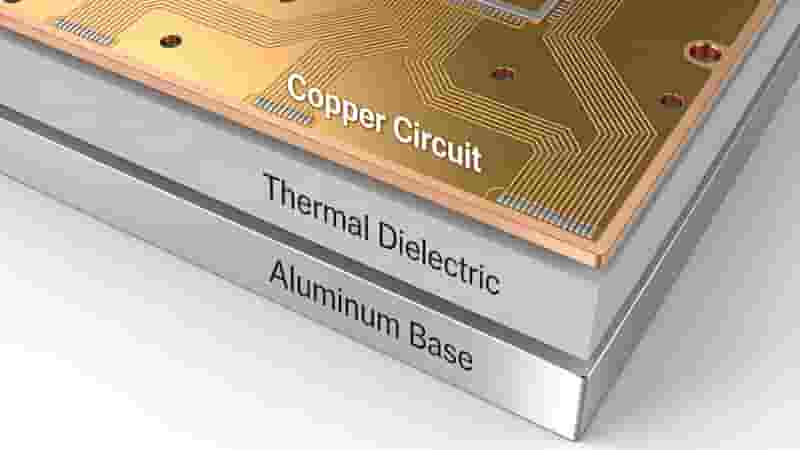
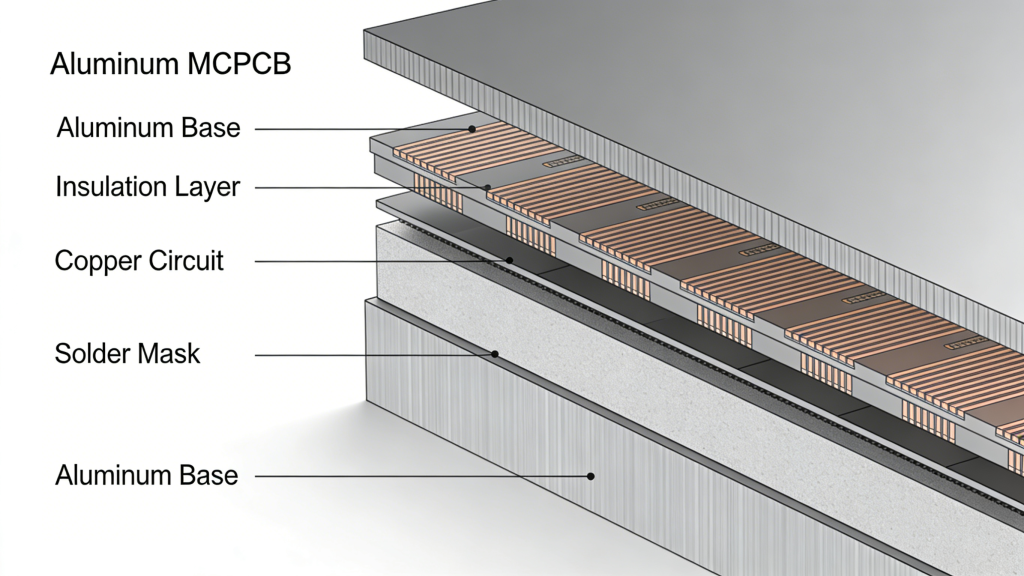
Aluminum PCB (also called MCPCB or IMS) is a metal‑core PCB with three key layers: copper circuit, thermally conductive dielectric, and aluminum base plate. It is purpose‑built for high‑heat and high‑reliability applications.
The aluminum substrate provides exceptional thermal management that drastically lowers component temperatures, extends service life, and reduces or eliminates external heat sinks.
Aluminum PCB vs FR4 PCB: Core Parameter Comparison
| Parameter | FR4 PCB | Aluminum PCB |
|---|---|---|
| Thermal Conductivity | 0.25–0.35 W/mK | 1.0–237 W/mK |
| Thermal Resistance | 20–22 °C/W | 1–2 °C/W |
| Max Operating Temp | 110–130°C | 140–150°C |
| CTE (ppm/°C) | ~110 | ~50 |
| Layer Support | 1–30+ layers | Mostly single-layer |
| Relative Cost | Base level | 20–40% higher |
Thermal Performance
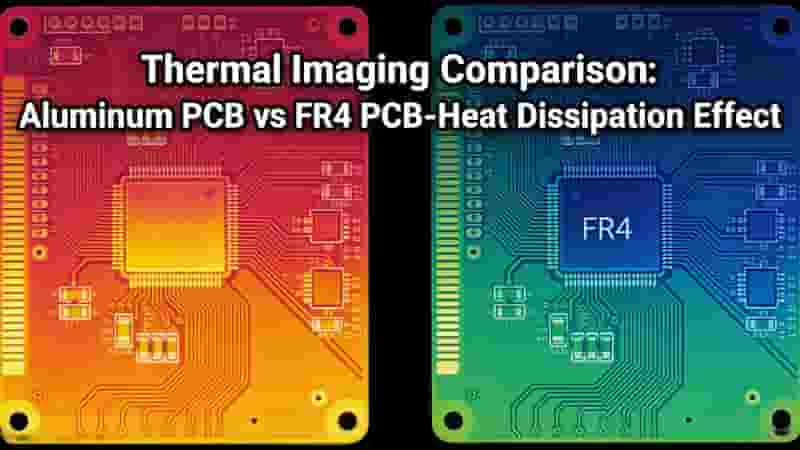
Aluminum PCBs dissipate heat 500–800 times faster than FR4 PCBs. High‑power LEDs, drivers, and power modules run 40–60°C cooler, greatly boosting reliability and lifespan.
Electrical Properties
FR4 provides stable dielectric properties and supports high‑speed signals and fine pitches. Aluminum PCBs offer high voltage insulation but are limited in multilayer and high‑frequency designs.
Mechanical & Reliability
Aluminum substrates offer superior rigidity, shock resistance, and low CTE, reducing solder joint stress in thermal cycles. FR4 is lighter but more prone to warping in thick or large designs.
Best Applications for Aluminum PCB and FR4 PCB
Ideal for Aluminum PCBs
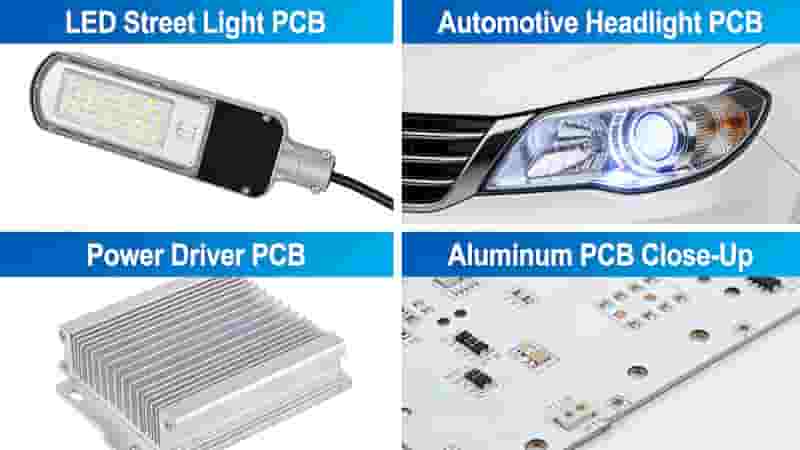
- High-brightness LED lighting (streetlights, industrial lamps)
- Power supplies, inverters, converters, and motor drivers
- Automotive electronics (headlights, control modules)
- Industrial automation and harsh-environment equipment
Ideal for FR4 PCBs
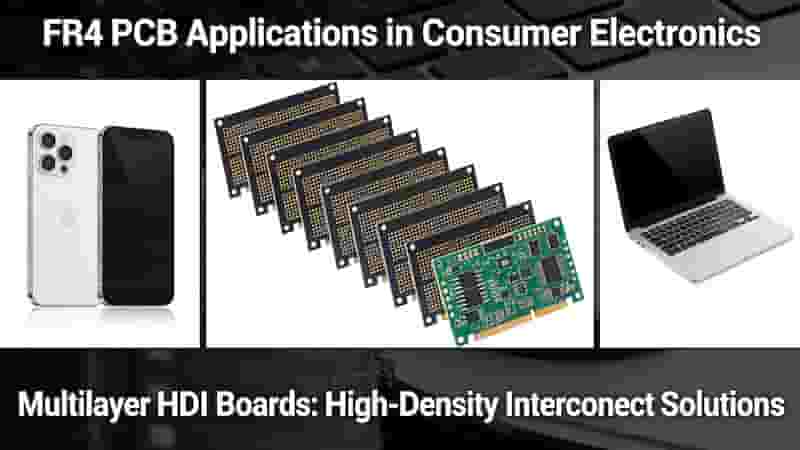
- Consumer electronics (laptops, routers, smart devices)
- Multilayer high-density interconnect (HDI) boards
- General control circuits and low-power sensor modules
- Cost-sensitive mass-produced electronics
How to Choose Between Aluminum PCB and FR4 PCB
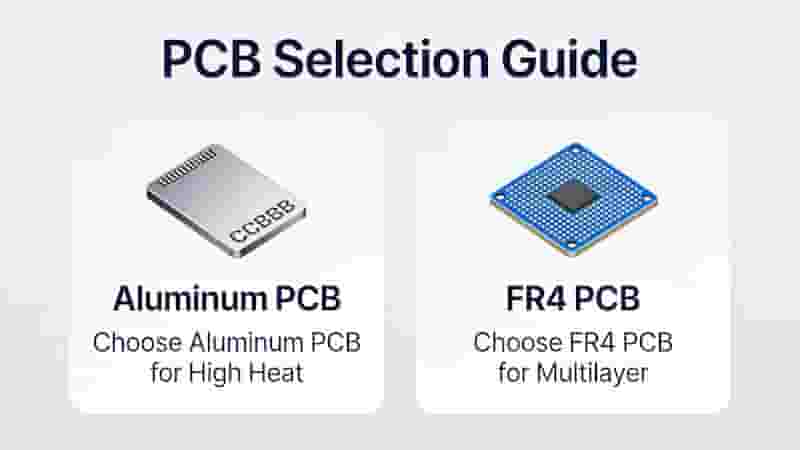
Choose Aluminum PCB if you need superior heat dissipation, high reliability, long service life, and reduced cooling components. Choose FR4 PCB for cost efficiency, multilayer capability, high-density routing, and general electronic applications.
For export projects, material selection directly impacts product compliance, durability, and total cost of ownership. We help you balance performance and budget for global markets.
Conclusion
FR4 PCBs remain the versatile, cost-effective standard for most electronics. Aluminum PCBs are the premium solution for high‑heat, high‑reliability industrial and automotive applications where performance and longevity are critical.
Understanding their differences helps you select the right PCB to optimize performance, cost, and competitiveness for your export products.
Get Custom PCB Solutions for Your Export Business
We provide professional Aluminum PCB and FR4 PCB manufacturing, prototyping, and assembly for global buyers. Request a free quote or design consultation today.
Inquire Now
Get Free Quote
The Best PCB Manufacturer in China | PCB Prototype & Assembly Services
Single-Sided Flexible PCB Design Guide: Bending Radius, Trace Routing and Stiffeners
Standard PCB Thickness: Complete Guide for Engineers & Buyers
Via-in-Pad for Printed Circuit Boards: Complete Technical Guide
Reflow Soldering vs. Wave Soldering: What’s the Difference?