|

How to Select the Right Low-volume PCB Assembly Manufacturer

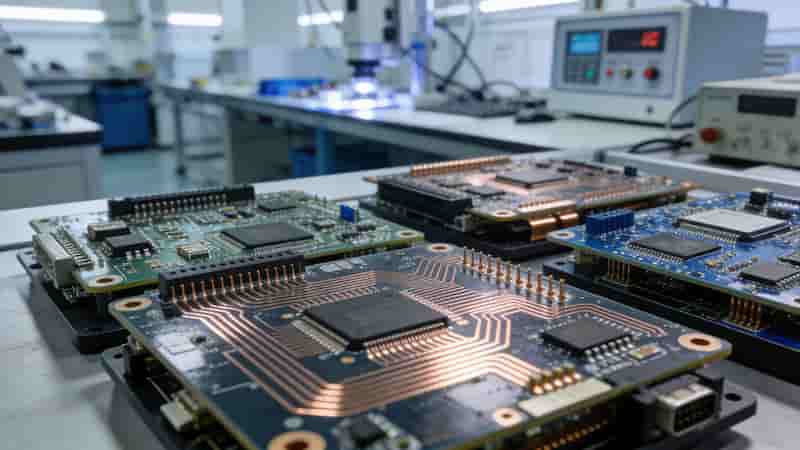
Low Volume PCB Assembly Capabilities SMT BGA QFN

This professional guide helps industrial buyers, engineers, and procurement teams evaluate low-volume PCB assembly suppliers systematically, covering technical capabilities, quality systems, lead time, cost transparency, and long-term partnership to ensure reliable, cost-effective, and high-quality PCB assembly for prototypes and small-batch production.

Technical & Assembly Capabilities

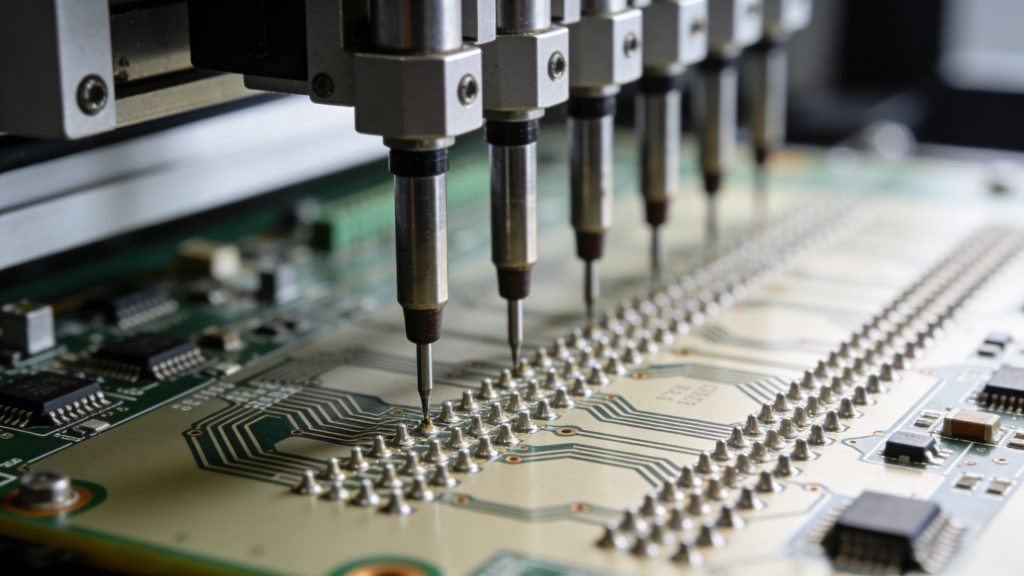
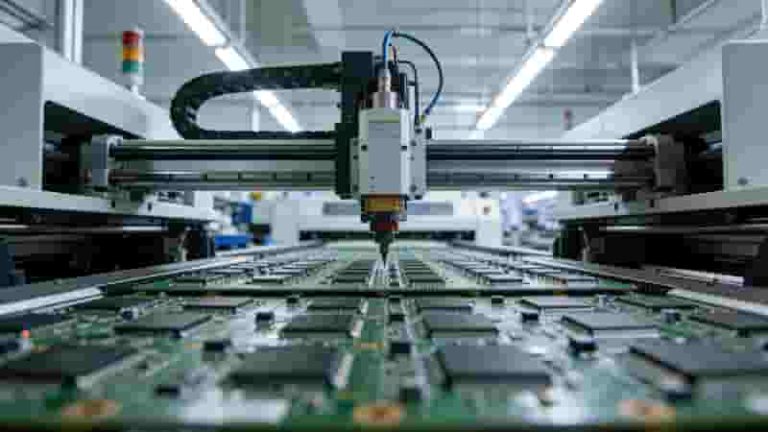
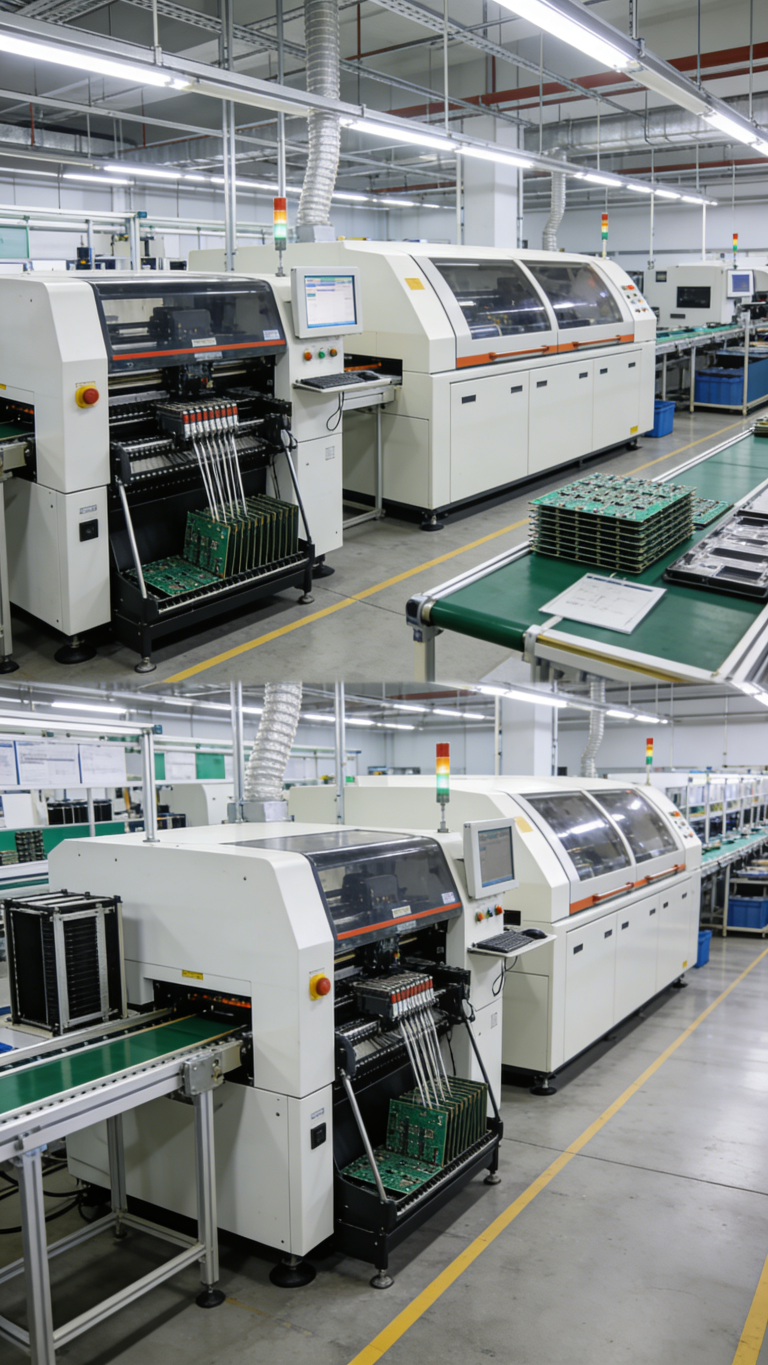
Low-volume PCB assembly demands specialized equipment and expertise for small-batch and prototype production. Top manufacturers support 01005 components, fine-pitch SMT, BGA/QFN packaging, and mixed technology (SMT + through-hole).
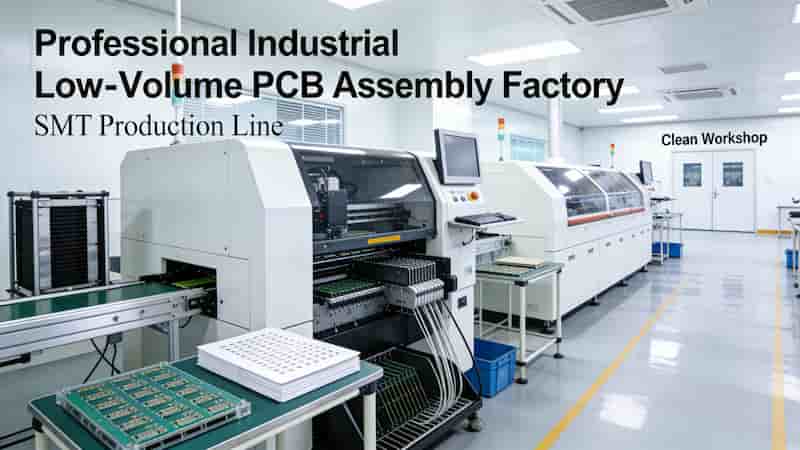
Low Volume PCB Assembly Capabilities SMT BGA QFN

Key capabilities to verify:

  • Support for low-volume PCB assembly orders from 1 piece to 1,000 units
  • In-house SMT assembly lines with SPI, AOI, and X-ray inspection
  • Prototype-to-production transition support
  • DFM (Design for Manufacturability) analysis for PCB assembly

Quality Standards & Certifications

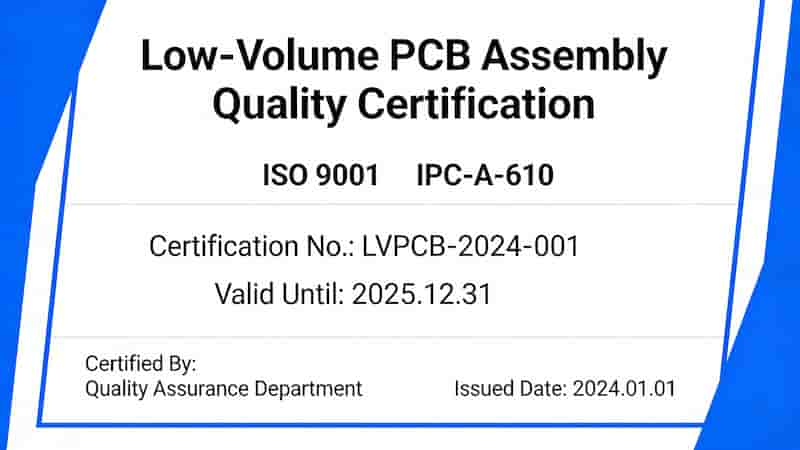
Reliable low-volume PCB assembly providers maintain strict quality systems. Essential certifications include ISO 9001, IPC-A-610, and RoHS compliance. Medical or automotive projects require ISO 13485 or IATF 16949.
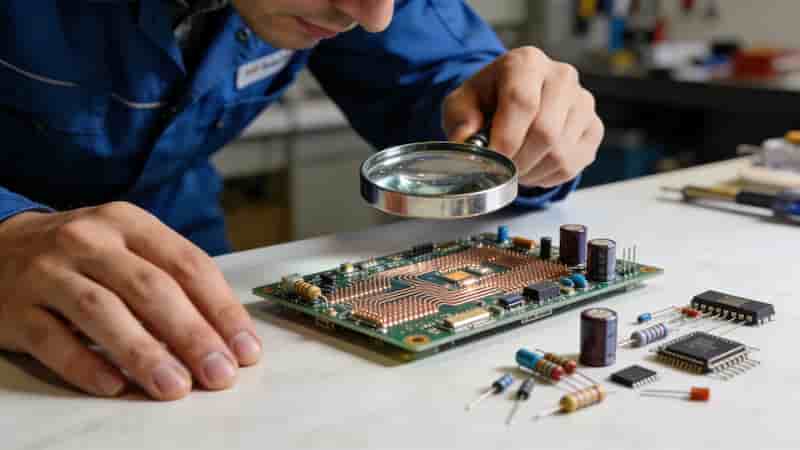
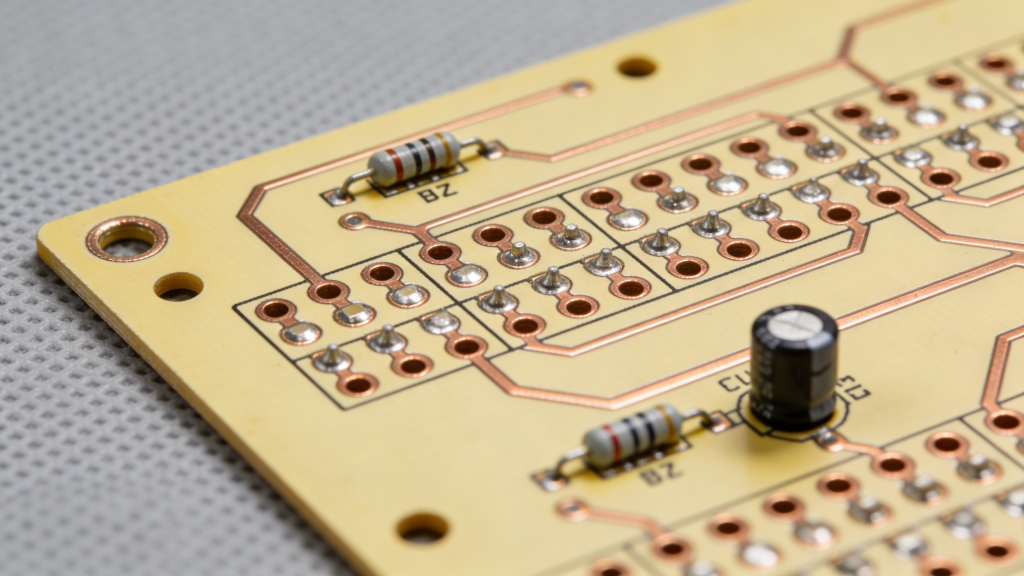
PCB Assembly Quality Certifications ISO IPC RoHS

Quality control processes:

  • ESD-controlled production environment
  • Incoming material inspection and outgoing functional testing
  • Full traceability for components and PCB assembly batches

Component Sourcing & Management

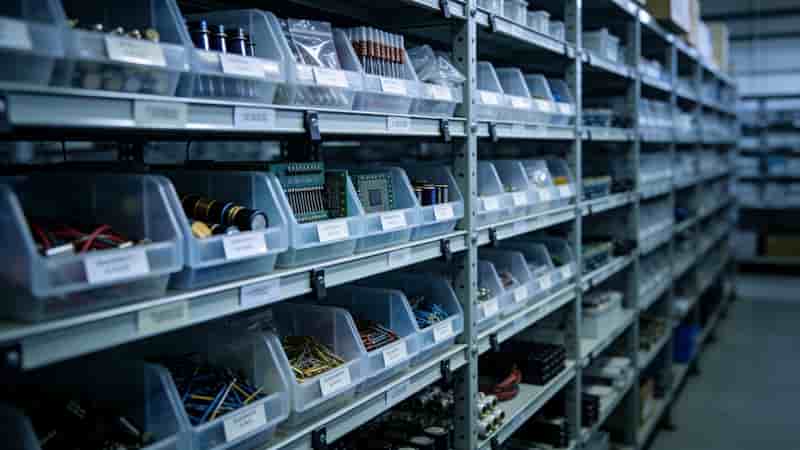
Stable component supply is critical for low-volume PCB assembly. Trusted manufacturers offer turnkey sourcing, counterfeit prevention, and alternative component support to avoid production delays.
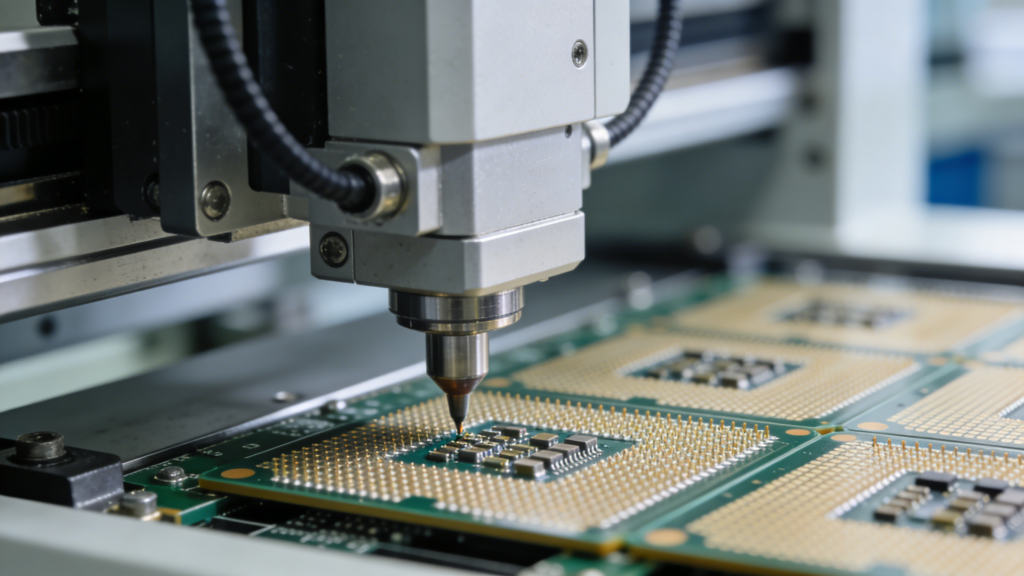
PCB Component Sourcing Supply Chain Management

Supply chain advantages:

  • Global authorized component distributors network
  • Alternative parts recommendation for cost and lead time optimization
  • No MOQ restrictions for most low-volume PCB assembly projects

Lead Time & Flexibility

Fast turnaround is a core benefit of professional low-volume PCB assembly services. Reliable suppliers deliver prototypes in 3–7 days and small batches in 7–15 days, with flexible support for design changes.
Low Volume PCB Assembly Lead Time Flexibility

Production flexibility features:

  • Quick-turn options for urgent PCB assembly needs
  • Mid-production design revision support
  • Priority scheduling for low-volume and prototype orders

Cost Transparency & Value

Transparent pricing ensures you get the best value for low-volume PCB assembly. Top providers offer detailed quotations including engineering, materials, assembly, testing, and shipping with no hidden fees.

Cost optimization factors:

  • DFM-driven cost reduction for PCB assembly
  • Flexible pricing tiers for different order volumes
  • All-inclusive turnkey service packages

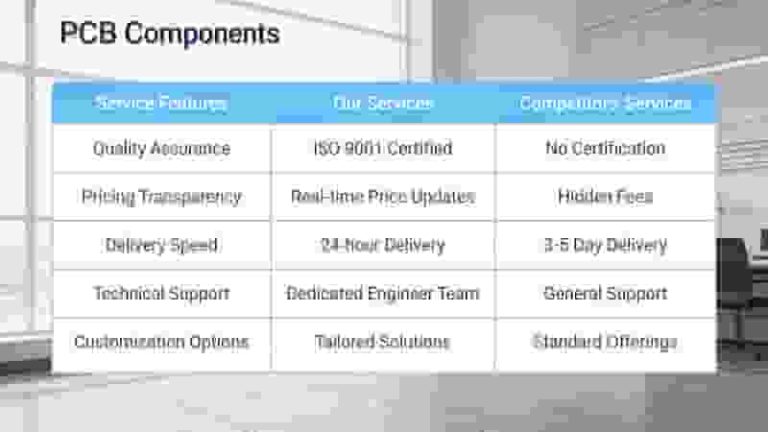
Low-volume PCB Assembly Manufacturer Comparison

Evaluation ItemStandard ManufacturerProfessional Low-volume PCB Assembly Supplier
MOQ RequirementHigh MOQ, not small-batch friendlyLow or no MOQ, ideal for prototypes
Lead Time15–30 days, slow response3–15 days, quick-turn supported
DFM ServiceBasic or chargedFree professional DFM analysis
Quality SystemLimited inspectionFull IPC/ISO compliant inspection

Summary & Selection Criteria

Selecting the right low-volume PCB assembly manufacturer directly impacts your product quality, project timeline, and overall cost. Focus on technical capability, quality certification, supply chain stability, lead time, and cost transparency.

Top priority checklist:

  1. Specialized in low-volume PCB assembly and prototypes
  2. Complete quality certifications and strict inspection
  3. Reliable component sourcing and supply chain
  4. Fast lead time and production flexibility
  5. Transparent pricing and professional engineering support

Ready for Reliable Low-volume PCB Assembly?

Get professional low-volume PCB assembly services with fast lead times, strict quality control, and transparent pricing. Contact us for a free quote and DFM analysis today.

Request Free Quote
SMD Package Types for PCB Assembly

What is a Surface Mount Device or SMD Component Package?

Posted on
0 Comments
A Surface Mount Device (SMD) component package is a standardized enclosure designed for direct soldering onto PCB surfaces, enabling high-density assembly, miniaturization, and automated manufacturing in modern electronics. What Is an SMD Component Package? SMD stands for Surface Mount Device, referring to electronic components designed exclusively for Surface Mount Technology (SMT) assembly. An SMD component…
Automotive and Medical High Volume PCB Assembly

High Volume PCB Assembly Services

Posted on
0 Comments
With over 14 years of expertise, we deliver cost‑effective, scalable High Volume PCB Assembly Services for automotive and medical industries. Our advanced automation and rigorous quality control ensure reliable PCBAs with fast global delivery. What is High Volume PCB Assembly? High volume PCB assembly refers to large‑scale production of printed circuit boards built to serve…
HDI PCB structure cross section with microvias and fine traces

HDI PCB Layout and Basic HDI Design Guidelines 

Posted on
0 Comments
This professional guide covers HDI PCB layout practices, stack-up, microvias, routing rules, DFM, impedance control and IPC standards to help engineers and procurement teams build reliable, mass-producible HDI PCB for high-speed, miniaturized electronics. What Is HDI PCB Layout HDI PCB (High-Density Interconnect) layout refers to design methods used when trace widths drop below 8 mils…
FR-4 PCB 2025 trends high Tg halogen free multilayer

Why Choose FR-4 as Your PCB Material in 2025? The Definitive Engineer’s Guide

Posted on
0 Comments
FR-4 remains the most trusted, cost-effective, and versatile PCB substrate for global industrial, automotive, consumer, and medical electronics. This guide explains key electrical, mechanical, thermal, and economic reasons to select FR-4 PCB for your 2025 projects. What is FR-4 PCB Material? FR-4 (Flame Retardant 4) is a fiberglass-reinforced epoxy laminate, the global standard for printed…
What Is Rapid PCB Prototyping Process Explanation

Rapid PCB Prototyping | Accelerate Innovation & Speed Up Time-to-Market

Posted on
0 Comments
Rapid PCB prototyping delivers fast-turn fabrication from 8 hours for double-sided boards to 24–72 hours for multilayer prototypes. We provide high-quality, IPC Class 2, RoHS & UL certified services to accelerate your product development. Why Choose Our Rapid PCB Prototyping In the fast-paced electronics industry, speed and quality are critical. We specialize in professional rapid…
Flexible PCB basic structure polyimide copper coverlay layers

Flexible PCB: Complete Materials, Design & Industrial Application Guide

Posted on
0 Comments
A flexible PCB (FPC) is a thin, bendable printed circuit that can fold, twist, and fit compact 3D spaces. This guide covers structure, materials, stack‑ups, design rules, manufacturing, and real‑world use cases to help global engineers and buyers select the right flex solution. Introduction In every new generation of electronic products, there is a clear…

FAQs About Low-Volume PCB Assembly Supplier Selection

A: Normally ranging from 1 piece prototype up to 1,000 units, suitable for trial verification and small-batch trial run production.

A: Complete in-house SMT lines equipped with SPI solder paste inspection, AOI optical detection and X-ray machine for BGA internal solder joint checking.

A: Basic: ISO9001, IPC-A-610, RoHS; medical grade needs ISO13485, automotive projects require IATF16949 certification.

A: Quick prototype around 3~7 working days; regular small-volume batch production completes within 7~15 days after document confirmation.

A: Global authorized component channel, fake part prevention control, alternative component replacement proposal and no strict MOQ limitation for small orders.

A: Mass factory has high MOQ & long 15~30d lead time; low-volume supplier supports zero MOQ, free DFM and 3~15d fast turnaround schedule.

A: Early DFM review finds unreasonable layout defects to avoid post-assembly rework, optimize component selection and reduce unexpected modification expense.

A: Incoming component IQC, ESD controlled production, AOI/X-ray solder check and final finished board functional testing with batch traceability record.

Similar Posts