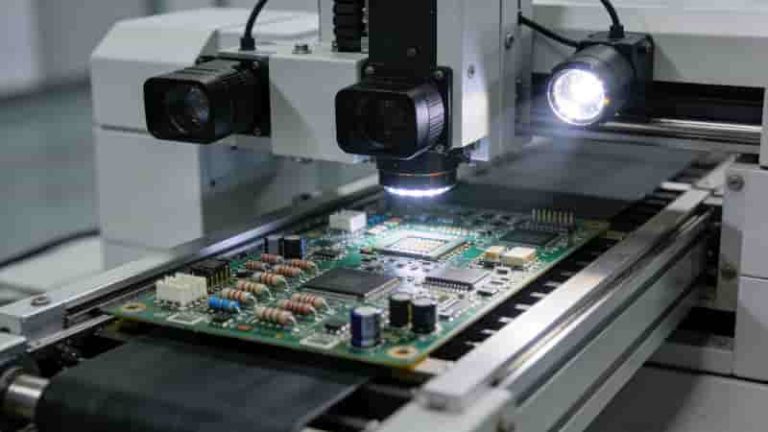
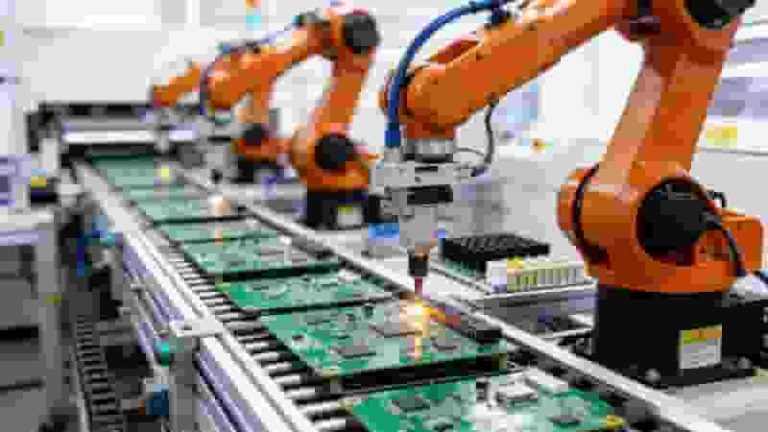
PCB Prototype Quality Testing - AOI Electrical Impedance Verification

PCB Prototype Manufacturing: The Complete 2025 Technical Guide for Engineers & Buyers 

PCB prototype manufacturing is the critical first step in electronic product development. This professional guide covers full processes, materials, DFM, testing, standards, and selection tips to help you build reliable, production-ready prototypes efficiently.

Introduction to PCB Prototypes

PCB prototype manufacturing validates design functionality, optimizes performance, and reduces risks before mass production. For engineers and procurement teams, high-quality prototypes ensure products meet performance, reliability, and cost targets.

What Is a PCB Prototype?

A PCB prototype is a preliminary circuit board used to test design feasibility, electrical performance, and mechanical fit. It helps detect flaws early, cutting development time and lowering overall costs.

PCBs use etched copper on insulating substrates to connect components. Prototypes replicate final production behavior to validate real‑world performance.
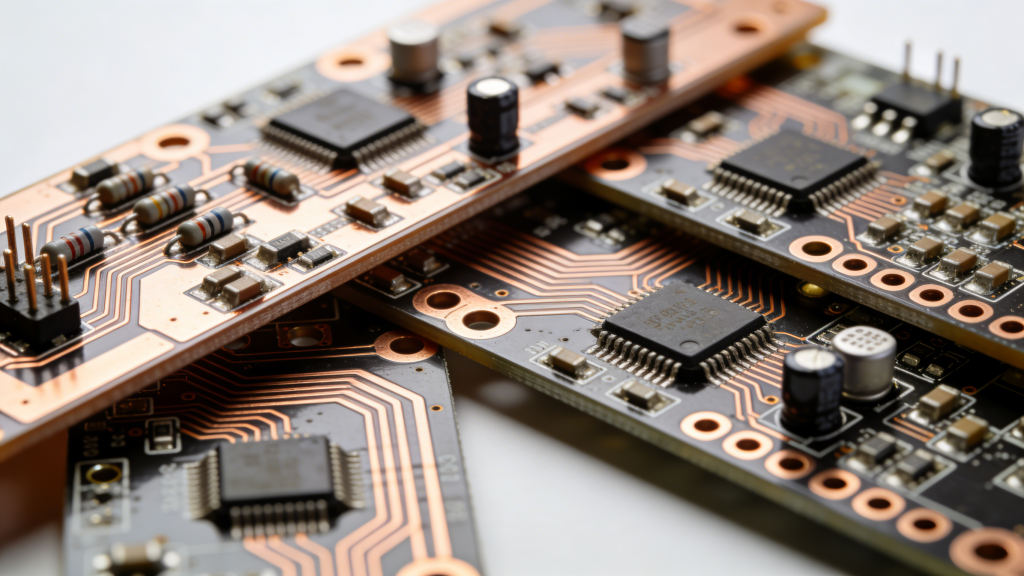
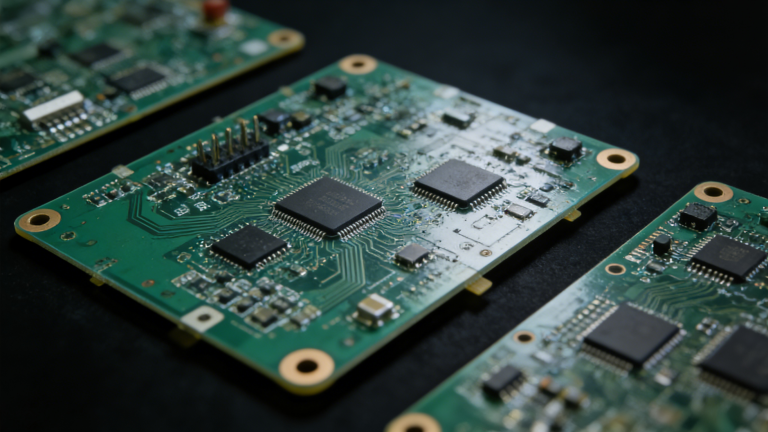
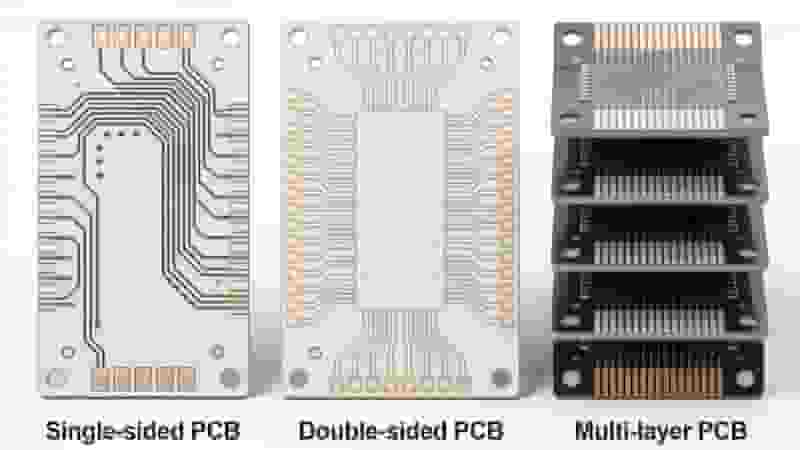
PCB Prototype Board Overview - Single Double Multi-layer PCB Design

Types of PCB Prototypes

Single‑sided PCB Prototypes – Components and traces on one side; ideal for simple circuits.

Double‑sided PCB Prototypes – Traces on both sides connected by vias; balanced density and cost.

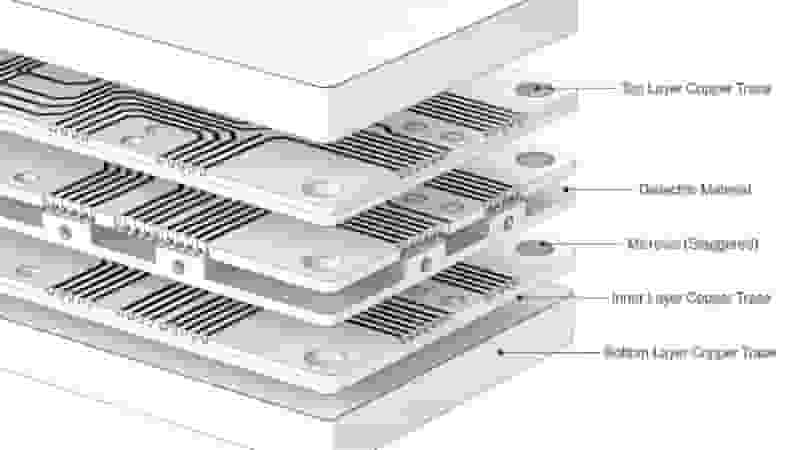
Multi‑layer PCB Prototypes – Stacked inner layers for high‑density electronics; used in industrial and smart devices.

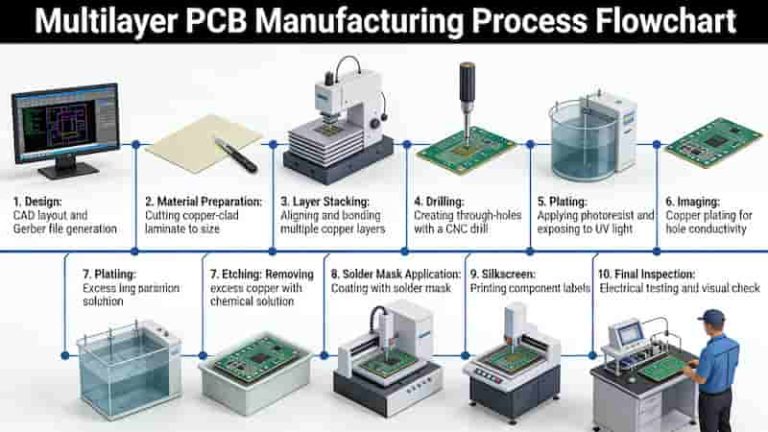
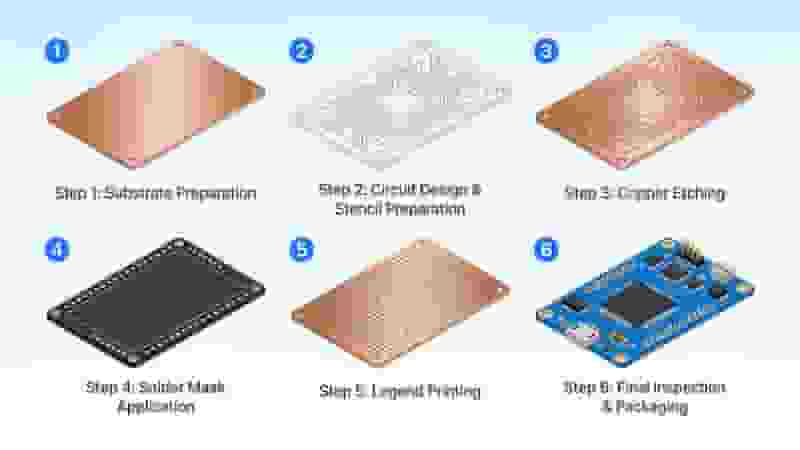
Full PCB Prototype Manufacturing Process

1. Design & File Preparation: CAD layout, Gerber files, DFM check.

2. Printing & Photomask: Transfer design to the substrate.

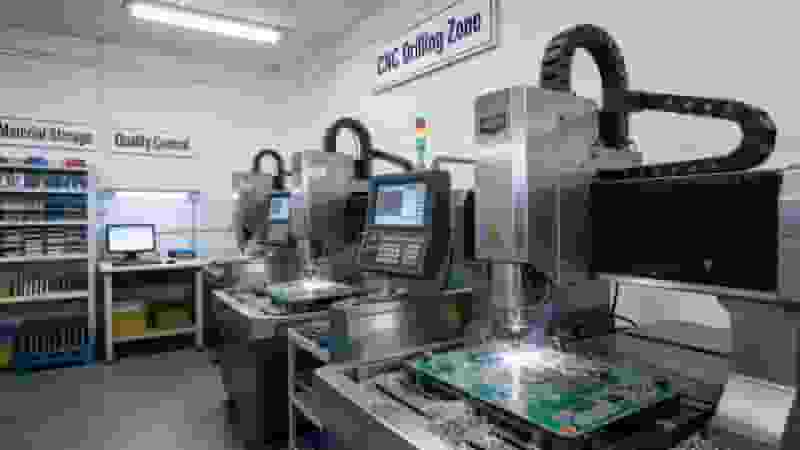
3. Drilling: Precision holes for vias and components.

4. Plating: Copper deposition for conductive paths.

5. Etching: Remove excess copper to form circuits.

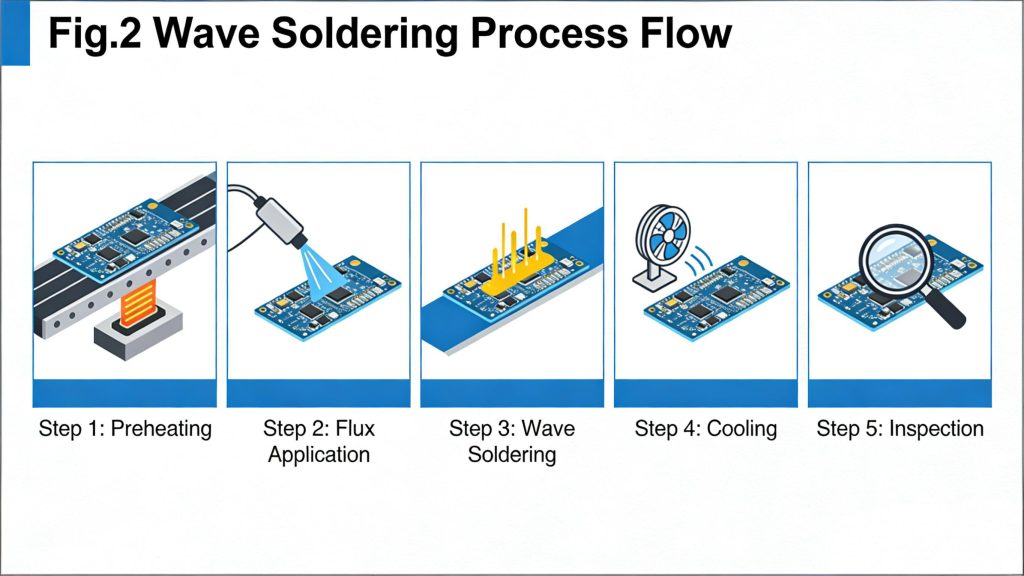
6. Solder Mask & Silkscreen: Protection and labeling.

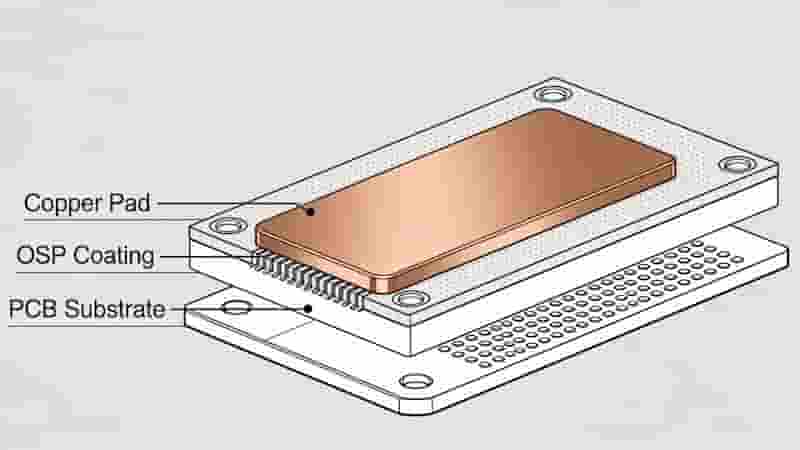
7. Surface Finish: HASL, ENIG, OSP, etc.

8. Electrical Testing & Assembly: Functional verification.
PCB Prototype Manufacturing Process Flow Chart - Full Production Steps

Materials & Specifications

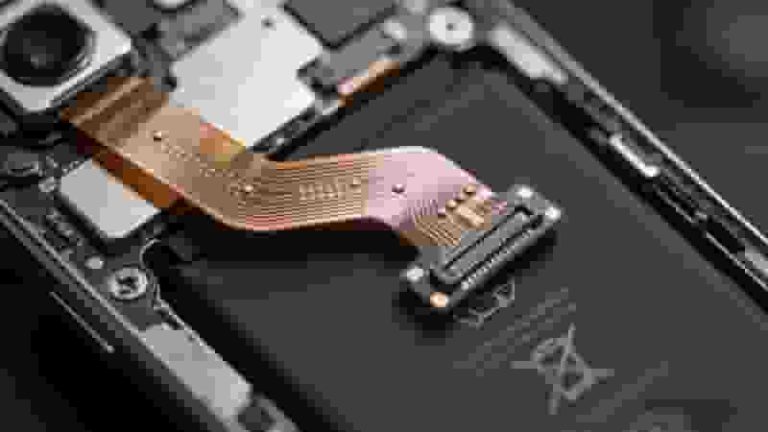
Common substrates: FR‑4, High‑Tg FR‑4, Aluminum, Rogers, Flexible PI.

Copper thickness: 1/3oz to 2oz.

Trace width / spacing: Down to 3mil / 3mil for high‑density designs.

DFM Guidelines for PCB Prototypes

Optimize tolerances for PCB prototype manufacturing stability.

Standardize via size and annular rings.

Avoid overly complex structures that raise cost and lead time.

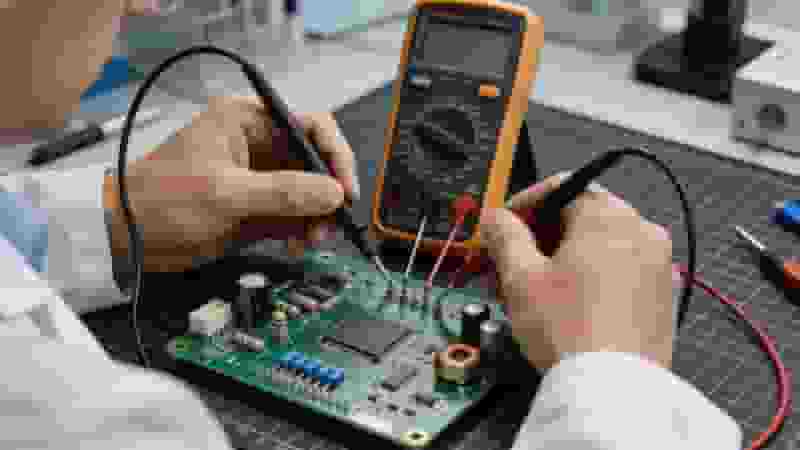
Testing & Quality Control

AOI – Automated Optical Inspection

Electrical continuity & isolation test

Impedance test (for high‑frequency boards)

Thermal & reliability validation
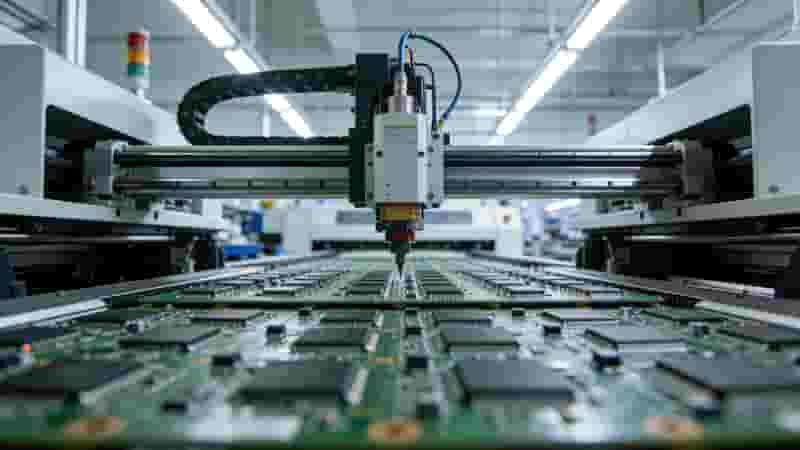
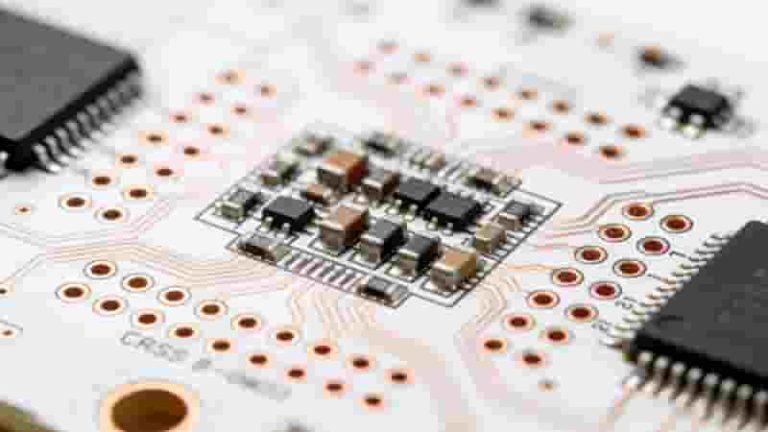
PCB Prototype Quality Testing - AOI Electrical Impedance Verification

How to Choose a PCB Prototype Manufacturer

• Technical capability for PCB prototype manufacturing

• Quality system & certification

• Quick turnaround (24hr–5days)

• Competitive pricing

• Responsive engineering support

Our PCB Prototype Manufacturing Services

We provide full‑service PCB prototype manufacturing for global industrial buyers and engineers.

Supported types: Single‑sided, double‑sided, multilayer up to 20 layers

Surface finishes: HASL, ENIG, OSP, Immersion Silver, Gold Finger

Solder mask colors: Green, black, red, white, blue, yellow

Turnaround: Quick‑turn options as fast as 24 hours

Assembly: SMT & through‑hole prototype assembly available
PCB Prototype Surface Finish Options - HASL ENIG OSP Gold Finger

Frequently Asked Questions

Q: What is the difference between single‑sided and multilayer PCB prototypes?

A: Single‑sided boards suit simple circuits. Multilayer boards support high‑density, high‑speed designs common in industrial electronics.

Q: How long does PCB prototype manufacturing take?

A: Standard 3–5 days; quick‑turn 24–48 hours for qualified designs.

Q: Can you provide customized PCB prototypes?

A: Yes, we support custom materials, stackups, finishes, and assembly per your specifications.

Summary

PCB prototype manufacturing is foundational to successful electronic development. Working with an experienced partner ensures reliable, on‑time, cost‑effective prototypes that accelerate your product launch.

Get Your PCB Prototype Quote Today

Send us your Gerber files and requirements for a free, fast quotation on PCB prototype manufacturing. We support quick‑turn, high‑quality, and fully customized solutions for global buyers.

Inquire Now | Custom PCB Prototype
PCB Solder Mask full color options green red blue white black matte

PCB Solder Mask: The Complete Technical Guide for Global Buyers

Posted on
0 Comments
PCB Solder Mask (also known as solder resist) is a protective polymer layer applied to printed circuit boards to prevent solder bridging, resist oxidation, improve insulation, and ensure long‑term reliability in SMT assembly and industrial applications. This guide covers definitions, types, colors, processes, DFM rules, IPC standards, testing, and troubleshooting for engineering and procurement teams…
IPC compliant PCB manufacturing and assembly process

IPC Standards: Complete Guide for PCB Manufacturing & Assembly

Posted on
0 Comments
IPC standards are the global quality benchmarks for PCB manufacturing and PCB assembly. This guide covers core specifications, classification, inspection criteria, compliance, and practical value to help global buyers source reliable, high-quality PCB and PCBA products. What Are IPC Standards? IPC (Association Connecting Electronics Industries) is the global governing body for electronics interconnection standards. IPC…
PCB Manufacturability Analysis Software Interface DFA Check

Design for Manufacturability and Assemblability of Printed Circuit Board

Posted on
0 Comments
Optimize your PCB design for high yield, low cost, and reliable assembly with industry-leading DFM and DFA principles aligned with IPC standards. What is Design for Manufacturing Design for Manufacturing, also known as concurrent or simultaneous engineering, focuses on the relationship between product physical design and manufacturing systems. By integrating DFM principles into product design,…
SMT PCB Assembly Line Production

PCB Assembly Cost: A Comprehensive Guide for Cost-Effective PCB Manufacturing

Posted on
0 Comments
In today’s competitive electronics manufacturing landscape, understanding PCB assembly cost is critical for engineering and procurement teams. This guide breaks down all pricing factors, assembly types, volume impacts, and practical strategies to optimize your budget without sacrificing quality. What Is PCB Assembly? PCB assembly (PCBA) is the process of mounting electronic components onto a bare…
CNC milling machine

What is a Blank PCB

Posted on
0 Comments
A blank PCB (also called a bare PCB) is simply the base of an electronic circuit board—it has no electronic parts (like resistors or chips) soldered on it yet. For anyone new to electronics, think of it as a “blank canvas”: you can add the exact parts you need later to build your project. We…
Flex PCB for 6G Communication and Robotics Applications

Top Applications of Flexible Printed Circuit Boards in 2025

Posted on
0 Comments
Flexible printed circuit boards (Flex PCBs) are reshaping the 2025 electronics industry with superior flexibility, lightweight design, and high reliability. Widely used in wearables, medical devices, automotive electronics, IoT, aerospace, and 6G systems, flex PCBs enable miniaturization, durability, and high‑speed signal transmission. We provide professional flex PCB solutions for global industrial buyers, engineers, and procurement…

Similar Posts