Plated Through Holes (PTH) are the foundation of reliable multilayer PCB connectivity. This guide covers PTH design, manufacturing, IPC standards, quality control, and best practices for industrial buyers and engineers.
What Are Plated Through Holes (PTH) in PCBs?
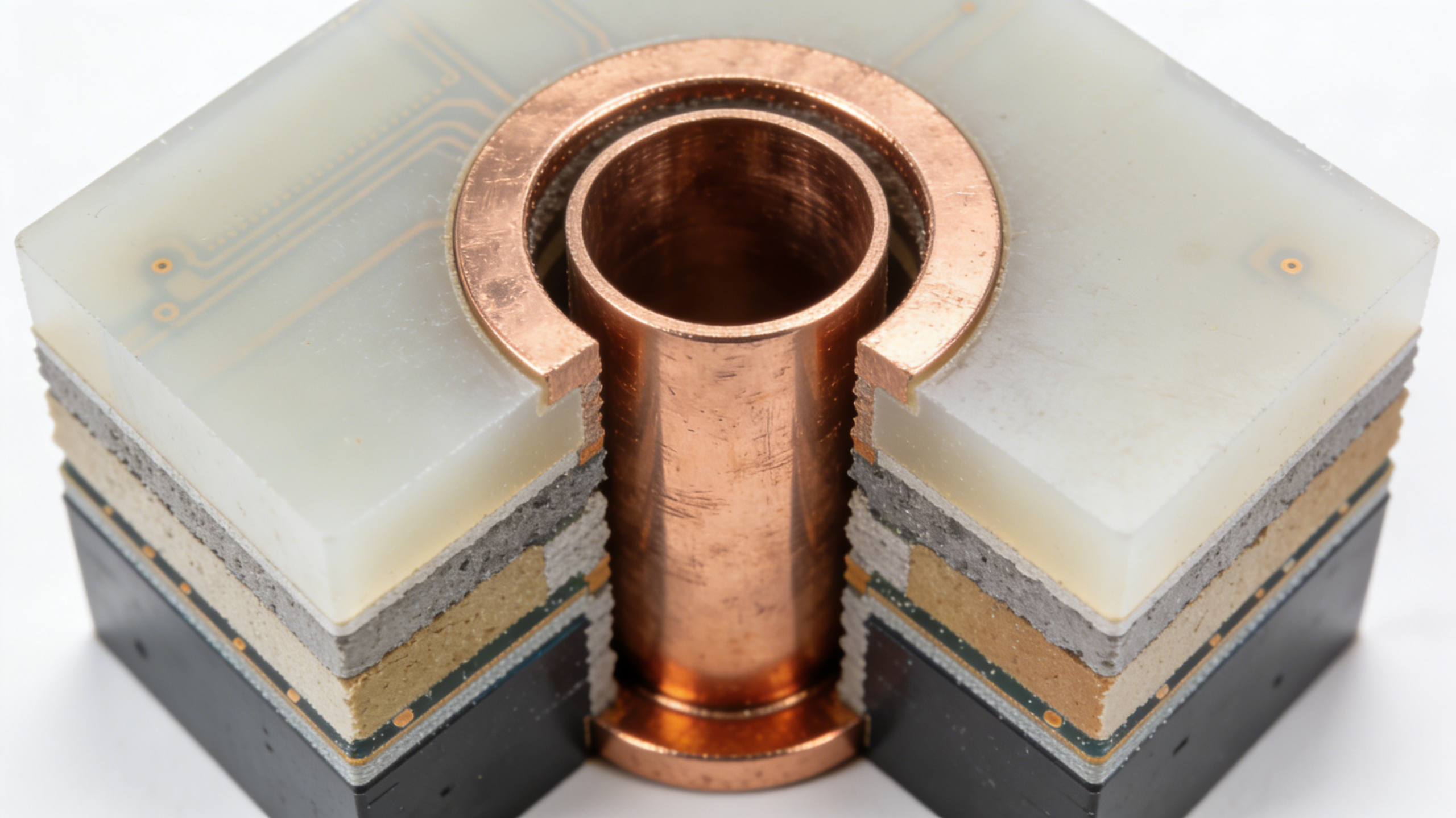
A Plated Through Hole (PTH) is a drilled hole through the PCB substrate with a continuous copper layer plated on the inner wall. It creates stable electrical and mechanical connections between top, bottom, and inner layers of multilayer PCBs.

Unlike non-plated holes, PTH supports component leads, conducts signals and power, and ensures structural stability for high-reliability electronic assembly devices.
Core Structure of Plated Through Holes
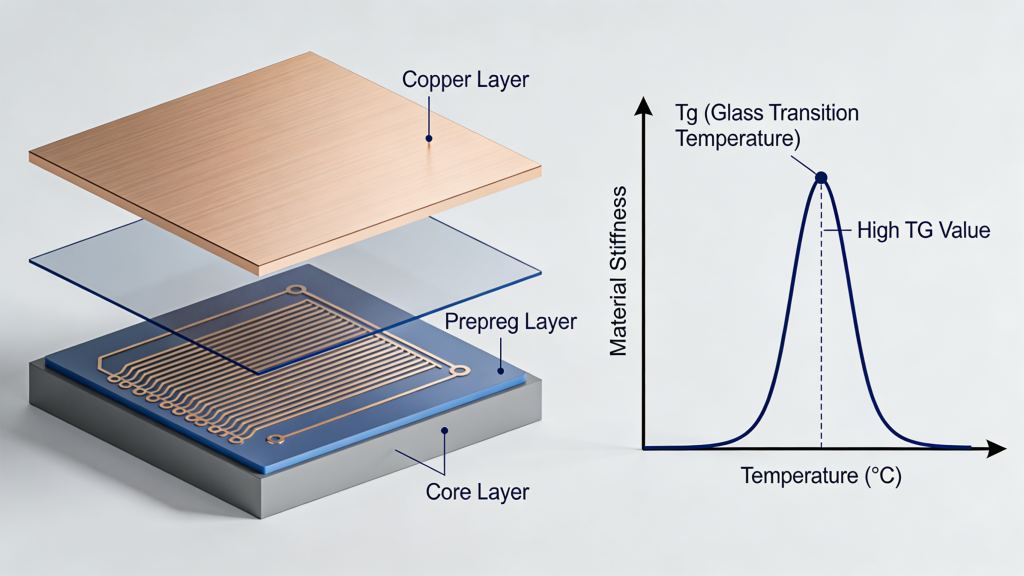
A standard PTH includes these key components:
- Drilled hole through PCB core and prepreg
- Electroless copper plating base layer
- Electrolytic copper barrel for conductivity
- Annular ring for pad connection
- Solder mask opening for protection
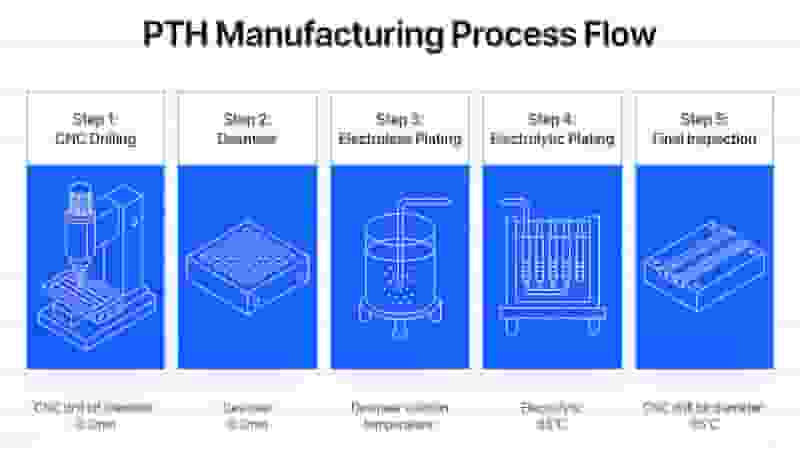
PTH Manufacturing Process (IPC Compliant)
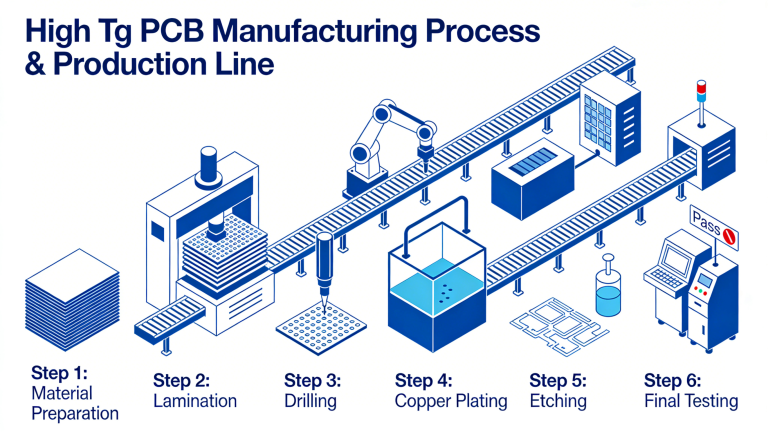
Our PTH production follows strict IPC standards to ensure consistency and reliability:
- Drilling: High-precision CNC drilling for clean holes
- Desmear: Remove resin residue to improve adhesion去黏膜:去除树脂残留物以提升附着力
- Electroless plating: Deposit thin conductive copper layer
- Electrolytic plating: Build required copper barrel thickness
- Panel plating: Uniform thickness across entire PCB panel
- Inspection: Verify plating quality and hole alignment
IPC Standards for Plated Through Holes
PTH design and quality are governed by global IPC standards recognized by international buyers:
- IPC-A-600: Acceptability of printed boards – PTH visual criteria
- IPC-6012: Qualification and performance for rigid PCBs
- IPC-2221: Generic PCB design standard for hole size and annular ring
- IPC-TM-650: Test methods for PTH reliability and adhesion
We produce PTH for Class 1, 2, and 3 PCBs to meet medical, automotive, aerospace, and industrial requirements.
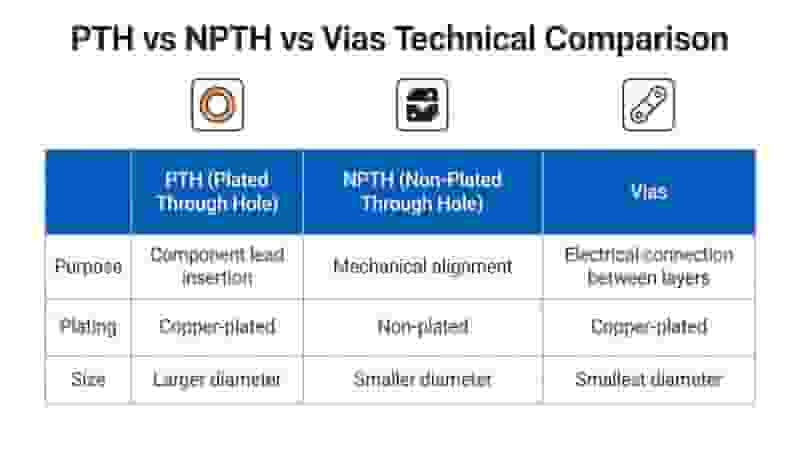
PTH vs NPTH vs Vias: Key Comparison
| Feature | Plated Through Holes (PTH) | NPTH (Non-Plated) | Vias |
|---|---|---|---|
| Conductivity | Conductive | Non-conductive | Conductive |
| Usage | Component leads, layer connection | Mounting, alignment, screws | High-density signal routing |
| Size | Larger diameter | Variable | Small, micro-vias |
| PCB Type | Single-sided to multilayer | All PCB types | Multilayer & HDI PCBs |
PTH Design Rules for Reliable PCBs
Follow these rules to optimize PTH performance and yield:
- Hole diameter: Match component lead diameter + clearance
- Annular ring: Minimum 0.05mm per side (IPC Class 2)
- Aspect ratio: ≤10:1 for standard PCBs
- Copper barrel thickness: ≥20μm for industrial applications
- Avoid placing PTH near board edge or high-speed traces

Industrial Applications of Plated Through Holes
PTH technology supports critical electronics across industries:
- Automotive electronics: Engine control, safety systems
- Medical devices: Patient monitoring, diagnostic equipment
- Industrial control: PLC, power supply, automation
- Telecommunications: Routers, servers, base stations
- Aerospace & military: High-reliability mission-critical systems
PTH Quality Control & Reliability Testing
Every batch of PTH-enabled PCBs undergoes rigorous testing:
- Cross-section analysis for copper barrel integrity
- Thermal stress testing (thermal shock)
- Solderability testing per IPC standards
- Electrical continuity and isolation test
- Automatic optical inspection (AOI)
Summary
Plated Through Holes (PTH) are essential for robust, long-lasting PCB performance. By following IPC standards, precise design, and strict PCB manufacturing control, we deliver PTH PCBs that meet global industrial requirements.
Our PTH capability supports multilayer PCBs from 2-layer to 30+ layers, with tight tolerances and high reliability for export markets.
Need Reliable PTH PCB Manufacturing?
Request a free quote, custom design review, or sample board for your PTH PCB project. We support global export with full technical support and IPC compliance.
Request Quote
Contact Engineering
SMT vs SMD: What’s the Difference in PCB Assembly?
HDI PCB Layout and Basic HDI Design Guidelines

Why Choose Us for Double Sided PCBs?
How to Use PCB Stencil: Professional Step-by-Step Guideline
Key Factors Influencing Custom PCB Costs in 2025