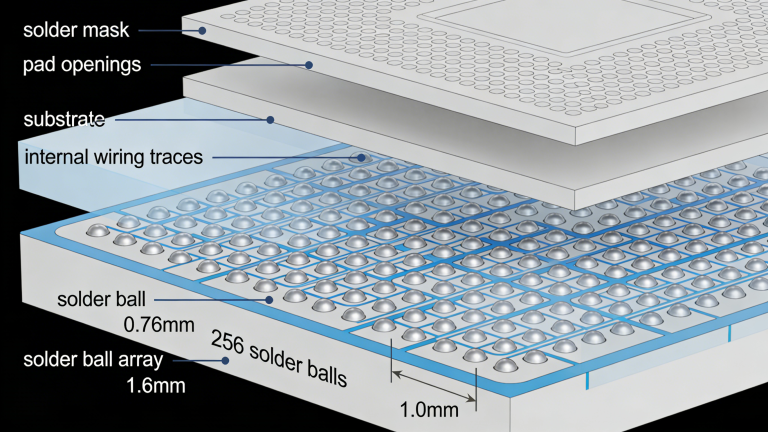
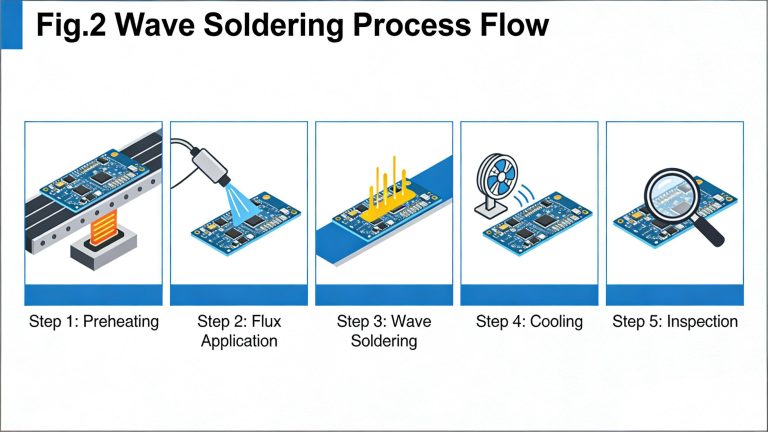
SMT (Surface Mount Technology) and SMD (Surface Mount Device) are core concepts in PCB assembly. SMT is the automated assembly process for mounting components onto PCBs, while SMD refers to the miniaturized components used in this process. This guide clarifies their definitions, differences, workflow, and applications for global engineers and buyers.
Introduction
In the fast-evolving world of electronics manufacturing, SMT and SMD play pivotal roles in creating compact, efficient, and reliable PCBs. Whether you’re designing a smartphone, medical device, or automotive system, understanding the difference between SMT and SMD is essential for optimizing PCB assembly processes.
SMT refers to the advanced technique of mounting electronic components directly onto the surface of a PCB, while SMDs are the specialized components designed for this process. This guide explores the distinctions, benefits, and applications to help engineers, designers, and procurement teams make informed decisions.
What is SMT?
SMT (Surface Mount Technology) is a cornerstone of modern electronics manufacturing, enabling efficient assembly of PCBs. Unlike traditional through-hole technology, SMT mounts components directly onto the PCB surface without drilled holes, revolutionizing the industry since the 1980s.
Key Features of SMT:
- Leadless or short-lead component compatibility
- Full surface-mounted assembly structure
- High automation with pick-and-place machines
- High-density PCB layout support
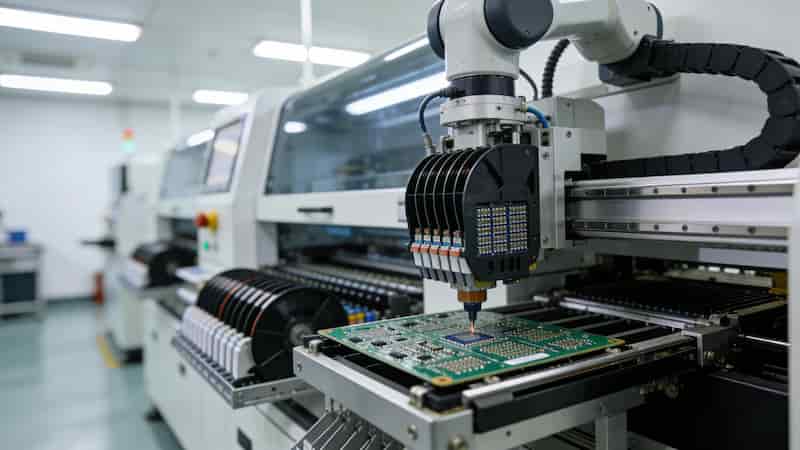
What is SMD?
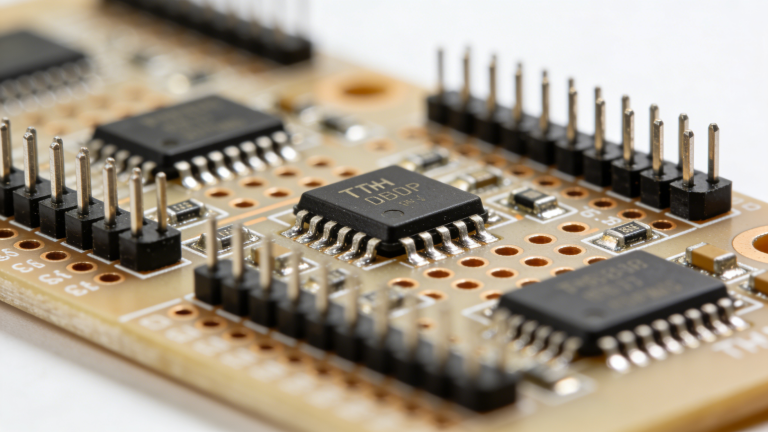
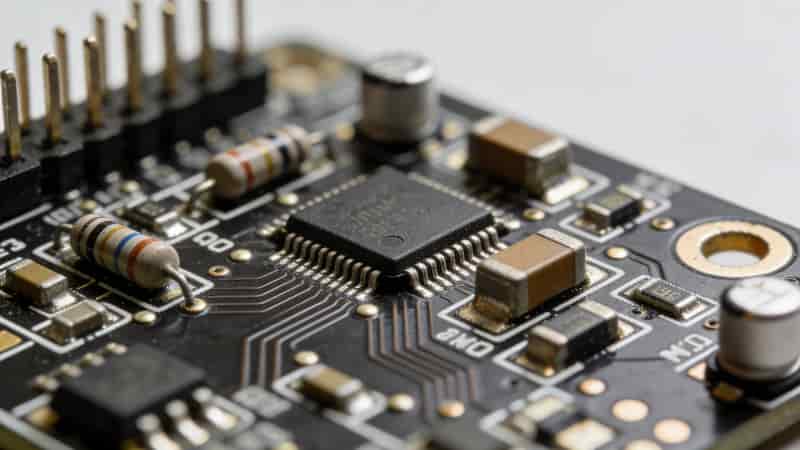
SMD (Surface Mount Device) means the specialized electronic components designed exclusively for SMT assembly. These compact, leadless or short-lead parts are mounted directly onto PCBs to achieve high-density, lightweight electronic assemblies.
Common Types of SMD Components:
- Passive components: resistors, capacitors, inductors
- Active components: ICs, transistors, diodes
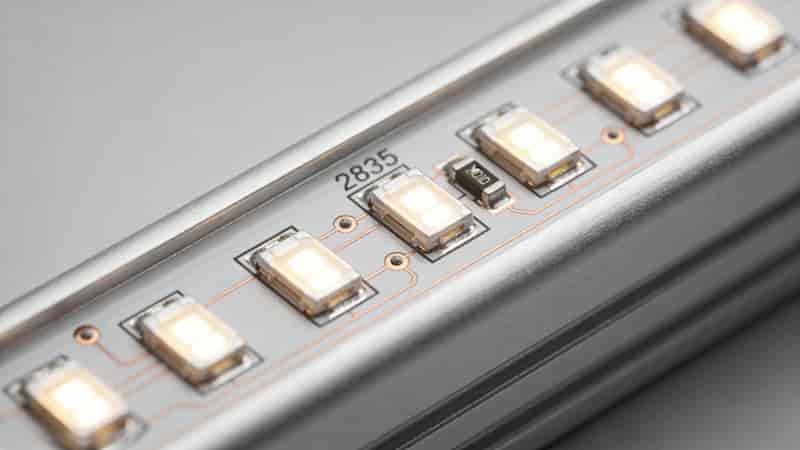
- Optoelectronic devices: SMD LEDs, connectors
Key Differences Between SMT and SMD
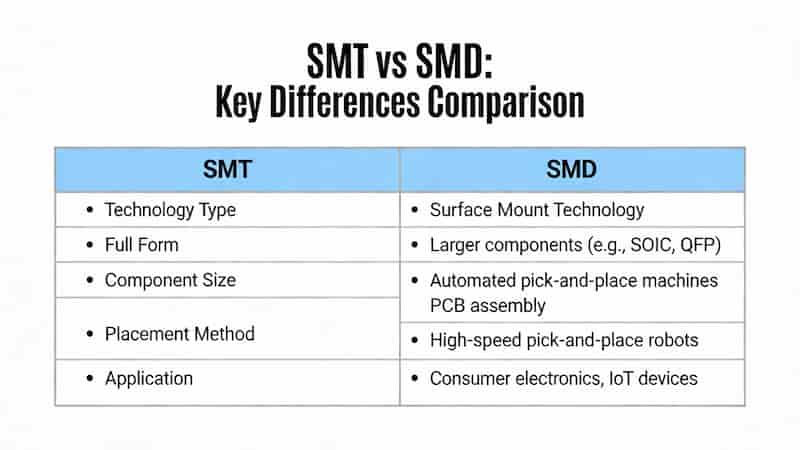
The clearest logic: SMT is the process/method; SMD is the component/part. They work together but serve completely different roles.
| Aspect | SMT | SMD |
|---|---|---|
| Definition | Surface Mount Technology (process) | Surface Mount Device (component) |
| Role | Assembly method for PCB | Parts used in SMT process |
| Form | Workflow & equipment | Physical electronic parts |
| Relation | Requires SMD components | Assembled by SMT line |
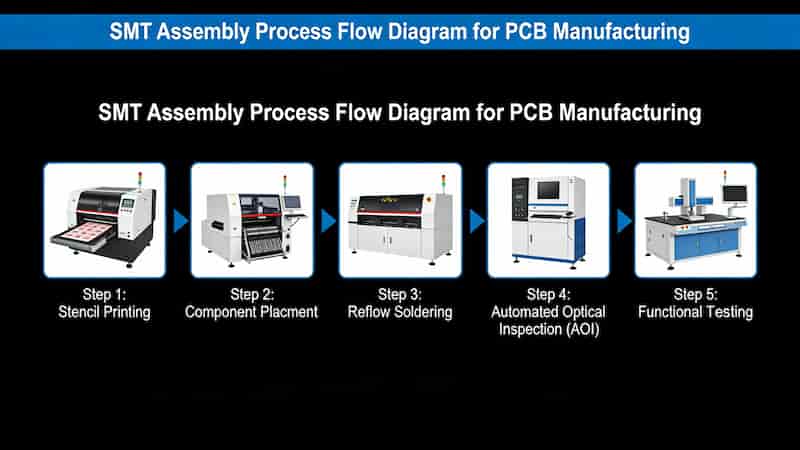
Standard SMT Assembly Process
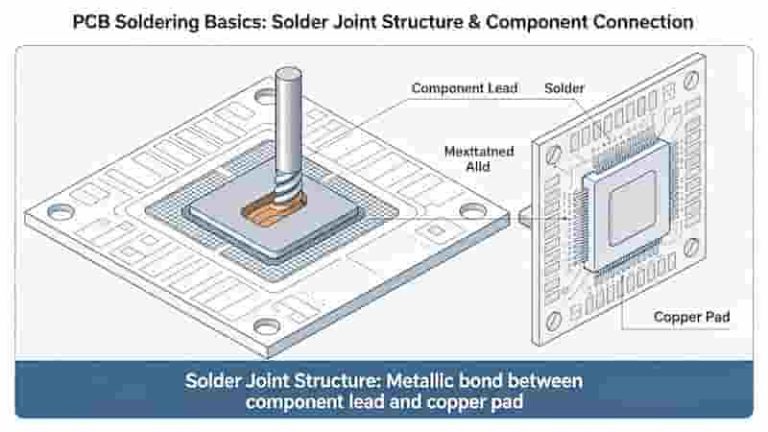
- Solder paste printing on PCB pads
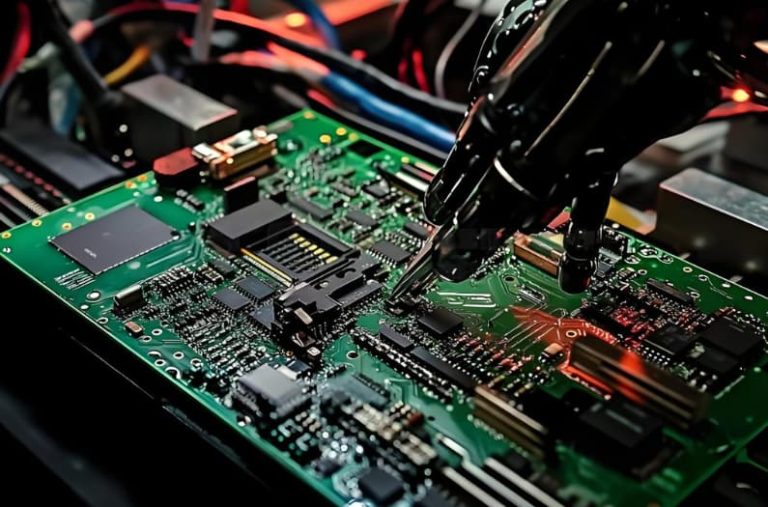
- Automated pick-and-place of SMD components
- Reflow soldering to form reliable joints
- AOI / X-ray inspection for quality control
Advantages of SMT & SMD for PCB Production
- Smaller PCB size and higher component density
- Better electrical performance with lower parasitic interference
- High automation for stable mass production
- Higher reliability against vibration & shock
- Lower overall cost for large-scale projects
Industry Applications of SMT and SMD
SMT and SMD components are widely used in high-end electronics worldwide:
- Consumer electronics: smartphones, laptops, wearables
- Automotive electronics: ECUs, ADAS, infotainment
- Medical devices: monitors, implants, diagnostic tools
- Telecom: 5G equipment, routers, IoT modules
- Aerospace & industrial control systems
SMT vs Through-Hole Technology (THT)
SMT has become the mainstream for modern PCB assembly, while THT is used for high-power or high-mechanical-strength components.
| Item | SMT | THT |
|---|---|---|
| Mounting | Surface only | Leads through holes |
| Component Size | Miniature SMD | Larger through-hole |
| Density | High | Low |
| Automation | Fully automatic | Semi-automatic / manual |
Conclusion
SMT and SMD are the foundation of modern PCB assembly. SMT is the efficient, automated manufacturing process, and SMD components enable miniaturization, high density, and excellent electrical performance for PCBs used worldwide.
Understanding these terms helps you optimize design, reduce costs, and improve product reliability for industrial and commercial electronics.
Need Professional SMT PCB Assembly Service?
We provide full-service PCB manufacturing, SMT assembly, and SMD component integration for global buyers. Get free quotation and technical support now.