|

Aluminum PCB Manufacturing & Assembly Services

Aluminum PCB assembly SMT through hole LED board assembly

We are a trusted Aluminum PCB manufacturer and MCPCB supplier in China, delivering fast prototypes and small‑to‑medium volume production for LED lighting, power supplies, and high‑power electronics. Our in‑house lines ensure stable quality, controlled costs, and on‑time delivery for global buyers.

Aluminum PCB Manufacturing Capabilities

With 15+ years of expertise in Aluminum PCB and MCPCB fabrication, we support 1–24 layer boards, thickness 0.8–5.0 mm, and copper up to 10 oz for high‑current designs. Prototypes are available in 2–5 days with orders from 1 pc to 1000+ pieces.
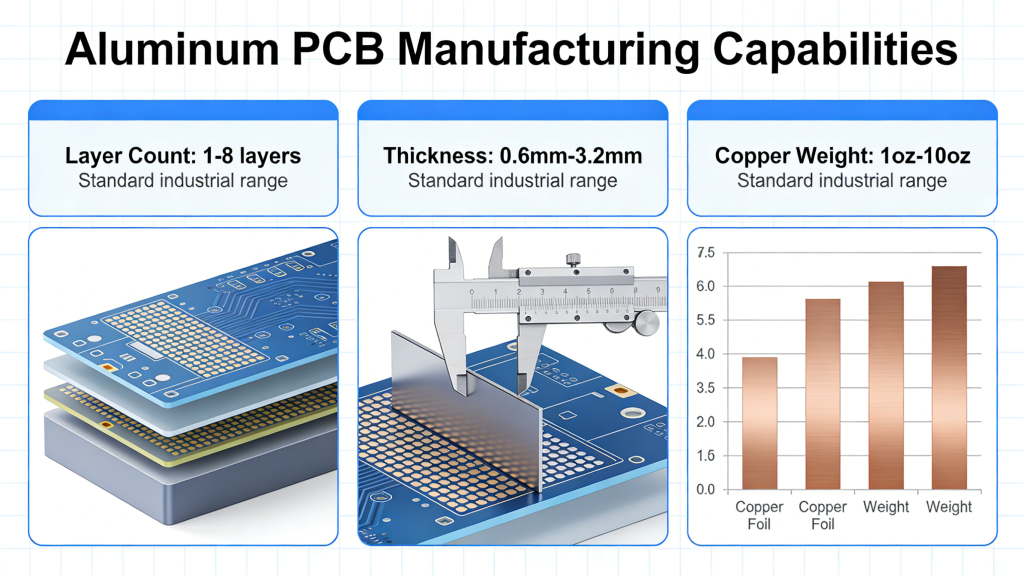
Aluminum PCB capabilities layer count thickness copper weight
ParameterSpecification
Layers1–24 layers
Board Thickness0.8–5.0 mm
Copper Weight0.5–10 oz
Min Trace/Space4 mil / 4 mil
Surface FinishesHASL, Lead‑free HASL, ENIG
CertificationsRoHS, ISO, IPC Class 2

Aluminum PCB Types & Solutions

We provide a full range of Aluminum PCB types to match thermal, mechanical, and cost needs for LED, automotive, and power applications.
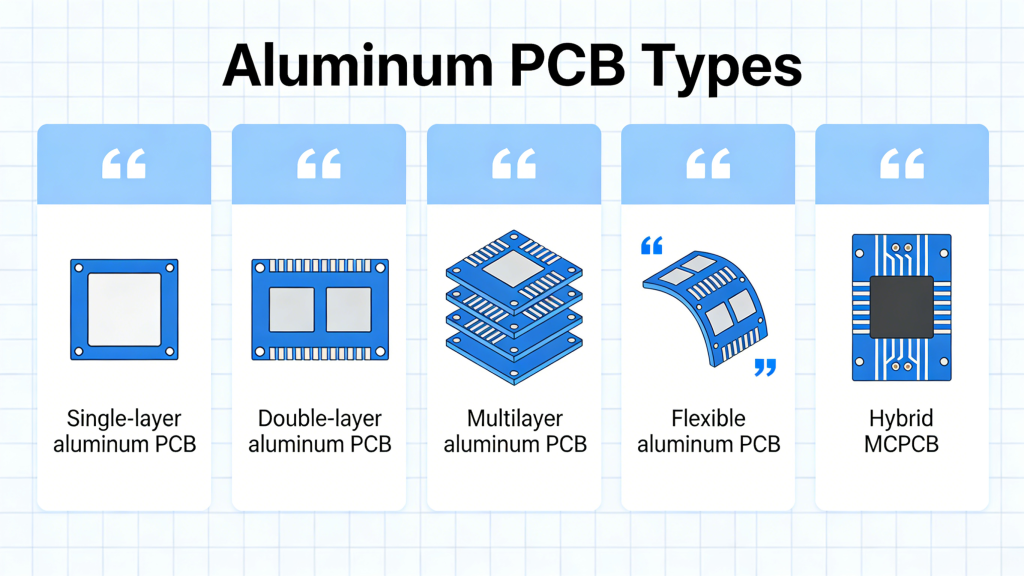
Aluminum PCB types single double multilayer flexible hybrid MCPCB
  • Single‑sided Aluminum PCB: Cost‑effective for standard LED lighting and simple power modules.
  • Double‑sided Aluminum PCB: Higher routing density for complex LED and automotive boards.
  • Multilayer Aluminum PCB: For industrial power, motor control, and high‑density designs.
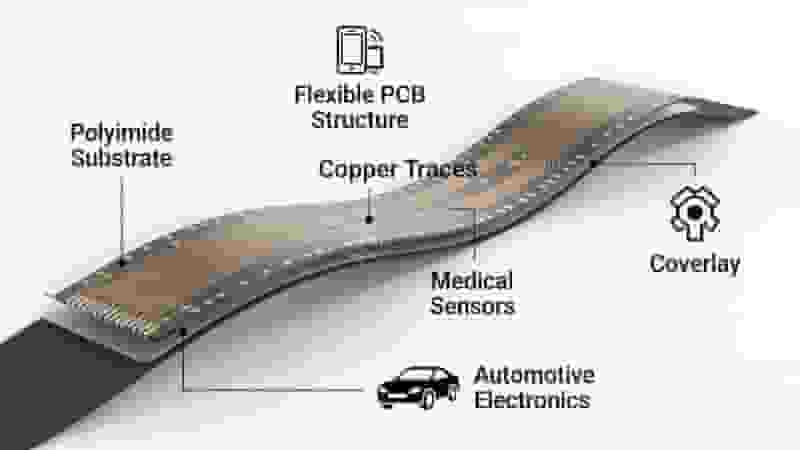
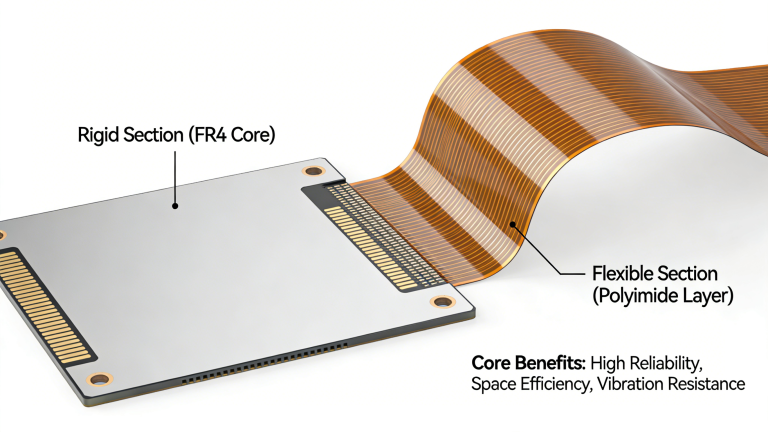
  • Flexible Aluminum PCB: For curved LED lighting and compact irregular layouts.
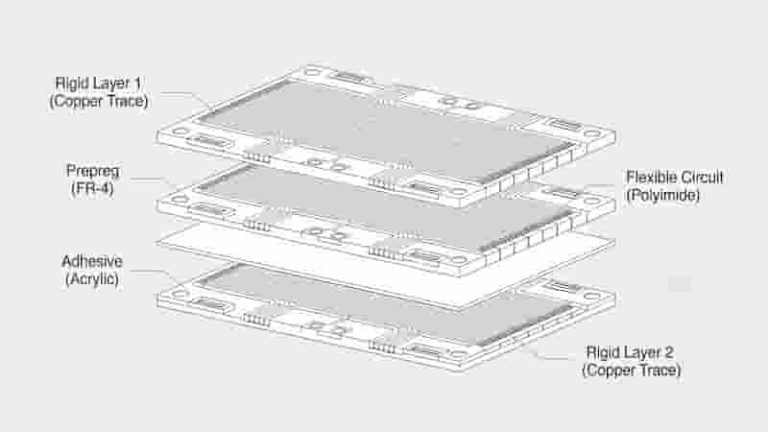
  • Hybrid Aluminum PCB: Combines aluminum and FR4 for optimized thermal and cost performance.
  • PTH Aluminum PCB: Plated through‑holes for reliable interconnection in high‑power designs.

Aluminum PCB Assembly Services

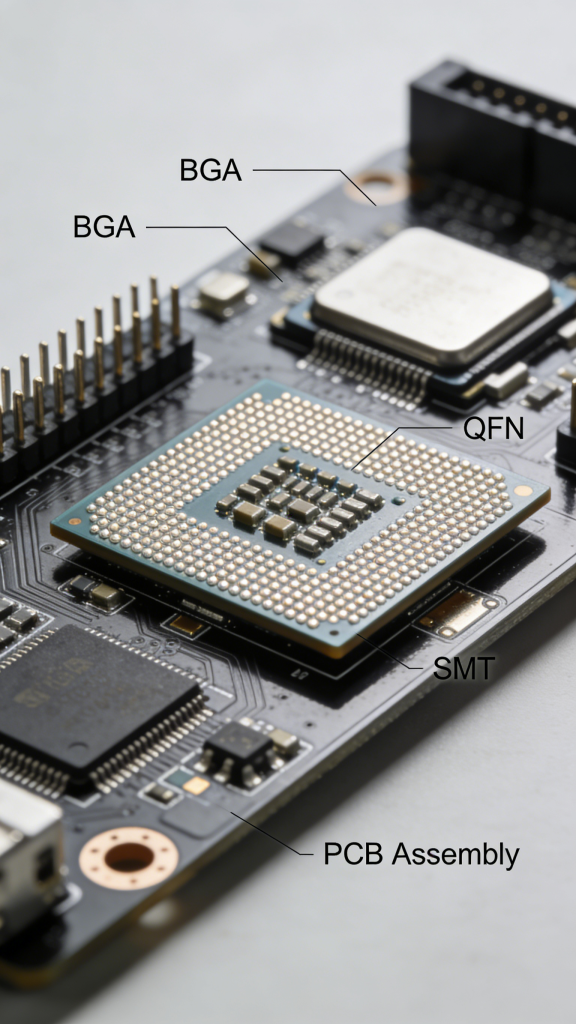
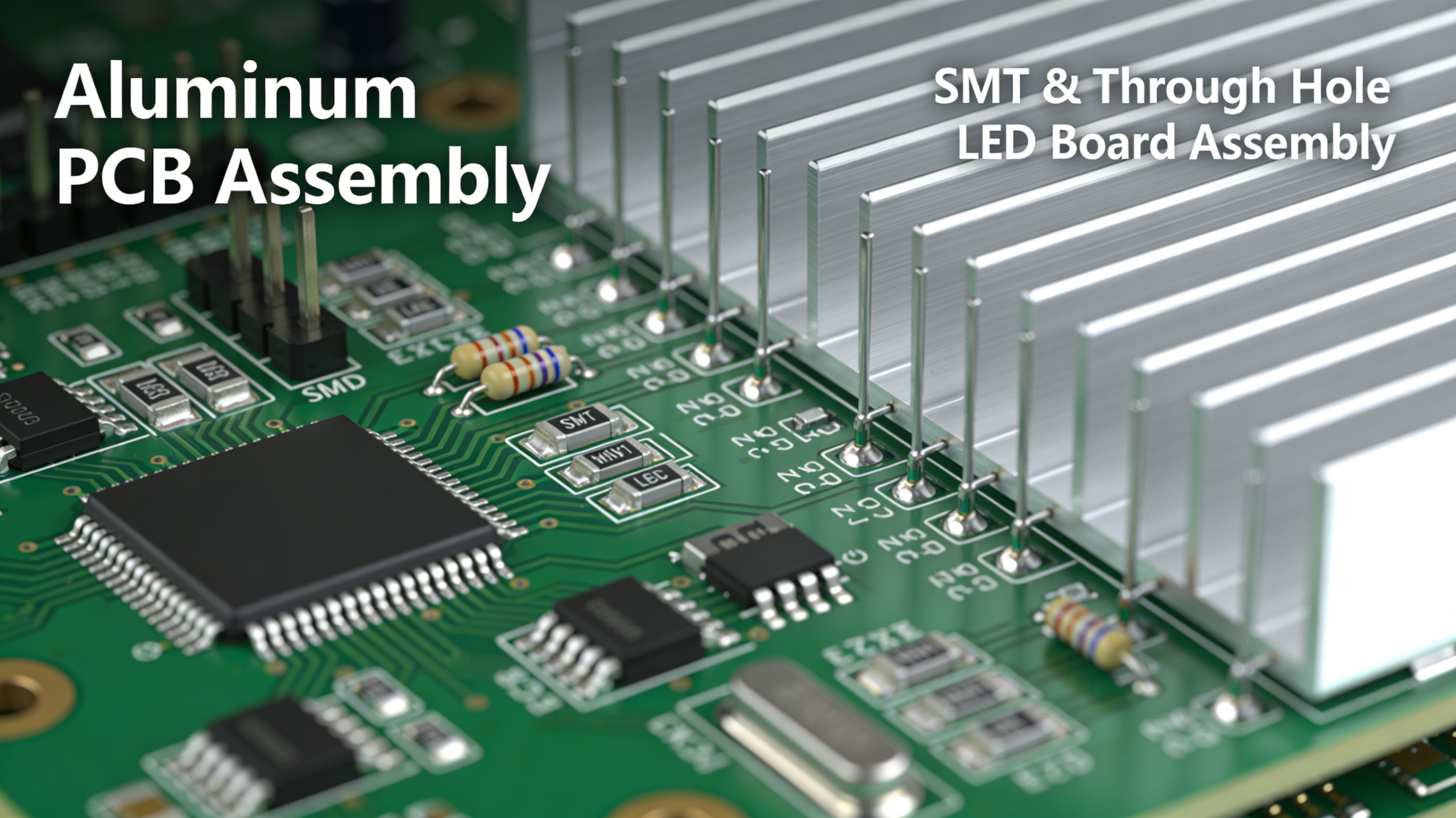
We offer one‑stop Aluminum PCB assembly including SMT, through‑hole, component sourcing, testing, and full turnkey solutions.
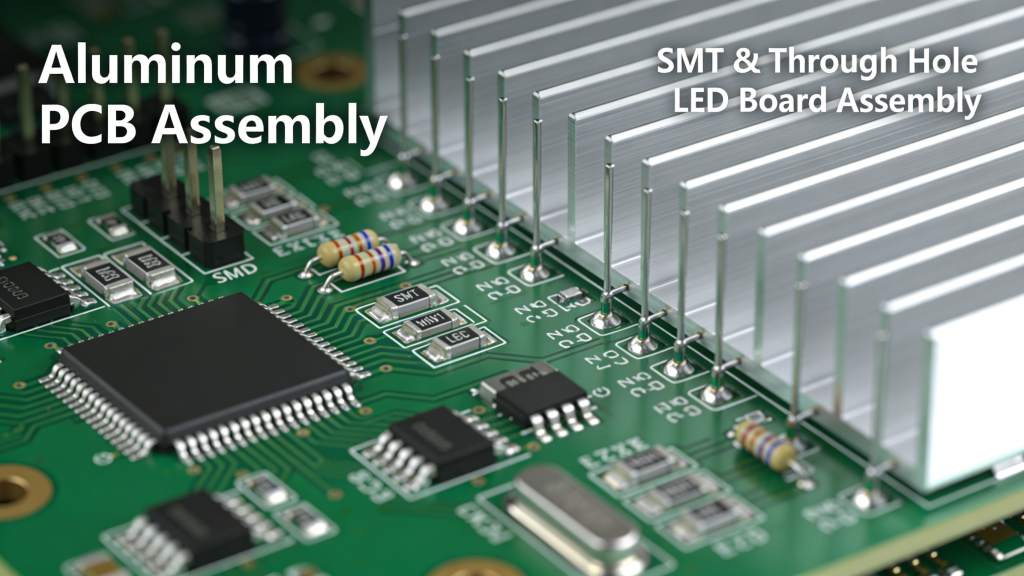
Aluminum PCB assembly SMT through hole LED board assembly
  • SMT & through‑hole assembly for Aluminum PCB and MCPCB
  • Component sourcing from approved global suppliers
  • AOI, electrical, ICT, and functional testing
  • Full assembly from Gerber, BOM, and assembly files

Aluminum PCB Structure & Working Principle

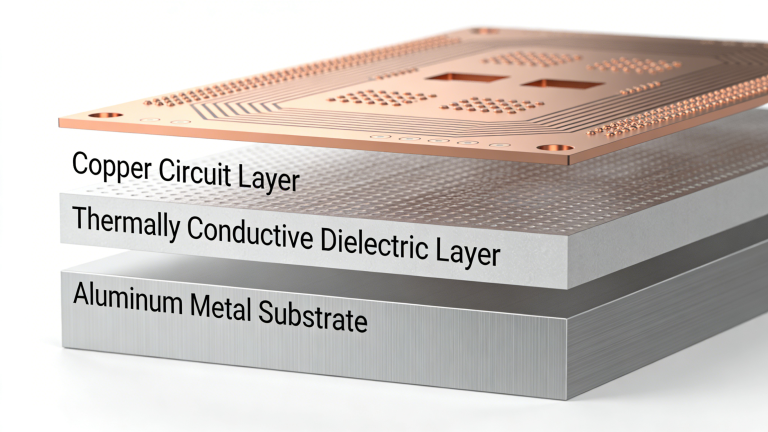
An Aluminum PCB (MCPCB/IMS board) uses a metal base instead of FR4 for superior thermal management.
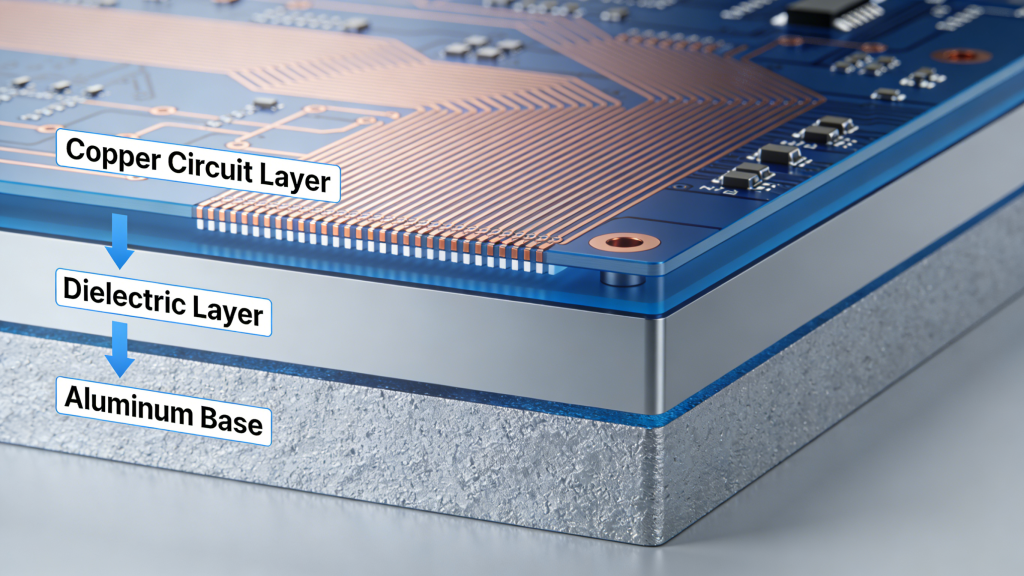
Aluminum PCB structure copper dielectric aluminum base thermal management

Three core layers: copper circuit, thermally conductive dielectric, and aluminum base. Heat moves quickly from components to the aluminum substrate and heat sink, lowering junction temperatures and boosting reliability.

Aluminum PCB vs FR4 PCB

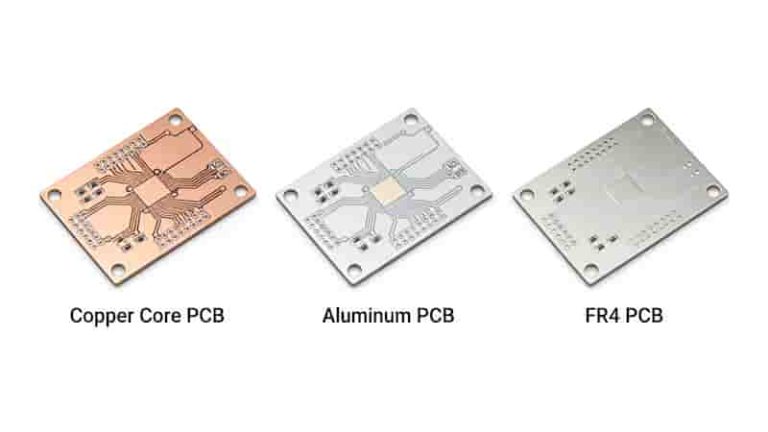
ItemAluminum PCBFR4 PCB
Thermal ConductivityHighLow
Heat DissipationExcellentLimited
Typical UseLED, power, automotiveGeneral electronics
Mechanical StrengthHighMedium

Key Applications

Aluminum PCB is widely used in high‑power and high‑heat environments:

  • LED Lighting (street light, flood light, high bay, automotive lighting)
  • Power Supplies & DC‑DC Converters
  • Automotive Electronics & Lighting
  • Industrial Control & Power Equipment
  • Telecom & RF Power Modules

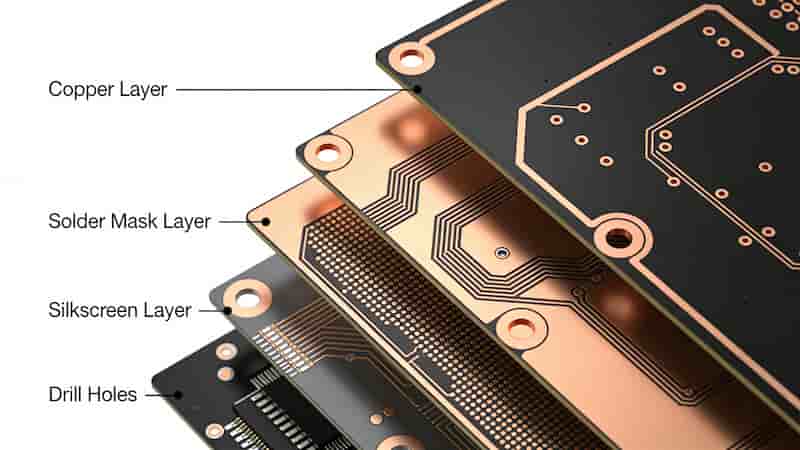
Aluminum PCB Manufacturing Process

  1. Material preparation & cutting
  2. CNC drilling & hole preparation
  3. Circuit imaging & etching
  4. Solder mask & silkscreen
  5. Surface finish
  6. Profile routing & V‑cut
  7. Electrical test & final inspection

Aluminum PCB FAQ

What is the lead time for Aluminum PCB prototypes?
2–5 days for standard prototypes.

What is the MOQ for Aluminum PCB?
We accept 1 pc for prototypes.

Do you provide turnkey assembly?
Yes, full SMT + through‑hole assembly for Aluminum PCB.

Are Aluminum PCBs RoHS & ISO certified?
Yes, fully RoHS compliant and ISO certified.

Get Instant Aluminum PCB Quote

Ready to start your Aluminum PCB project? Send your Gerber files, BOM, and specifications to get a fast DFM review and competitive quotation.
Aluminum PCB quote inquiry DFM review custom manufacturing

Email your files to our sales team for a free quote and technical support today.
PCB Order Process Flow for Prototyping Fabrication Assembly

How to Order PCB Prototyping, Fabrication & Assembly Services in China

Posted on
0 Comments
Get a clear quote within 24 hours and receive high-quality PCB prototypes in as fast as 3-5 days, with one-to-one engineering support from inquiry to delivery. Get a Free Quote Now 24h quotation · 3-5 day PCB prototyping · One-stop PCB & PCBA Why Engineers and Buyers Choose Us From fast PCB prototypes to full…
Flex PCB Prototyping Process DFM Material Stackup Production Testing

Transform Ideas into Reality with High-Quality Flex PCB Prototyping

Posted on
0 Comments
Our advanced flex PCBprototyping delivers flexible, lightweight, and reliable flexible circuits for innovative electronics designs. Enjoy rapid turnaround and full engineering support. What Is Flex PCB Flex PCBs are essential components in modern electronics including mobile devices, desktop printers, and hard drives. Built with a flexible substrate with or without coverlay, flexible PCBs integrate complex…
Plated Through Hole PTH basic structure PCB copper barrel

Plated Through Holes (PTH) for Printed Circuit Boards: Complete Engineering Guide

Posted on
0 Comments
Plated Through Holes (PTH) are the foundation of reliable multilayer PCB connectivity. This guide covers PTH design, manufacturing, IPC standards, quality control, and best practices for industrial buyers and engineers. What Are Plated Through Holes (PTH) in PCBs? A Plated Through Hole (PTH) is a drilled hole through the PCB substrate with a continuous copper…
Device Name:Round Aluminum PCB for LED Lighting (LED Aluminum Base Board)

Aluminum PCB Manufacturing Process: Step-by-Step Guide

Posted on
0 Comments
An aluminum PCB is a printed circuit board with a thin layer of conductive dielectric material—this special structure enables efficient heat dissipation, a key advantage over traditional PCBs. It is widely used in the LED lighting industry, especially for high-power LED fixtures like street lamps, downlights, and automotive headlights, where heat management directly affects product…
Rigid PCB Prototype FR-4 Industrial Circuit Board

Learn the Essential Requirements for PCB Prototype Manufacturing in 2025

Posted on
0 Comments
Summary: Master critical standards for PCB prototype manufacturing including file formats, design rules, layer stackup, and documentation. Optimize your prototyping workflow with expert best practices to achieve high-quality, cost-effective, and on-time PCB prototypes for industrial and engineering applications. Prototype PCB Fabrication PCB prototyping is a crucial step in the electronics design process, enabling designers to…
PTH Component Mounting in PCB

What Is the Difference Between PTH and Via in PCBs?

Posted on
0 Comments
Understanding the key differences between PTH and via is essential for optimizing PCB design and manufacturing. This article defines PTH and via, compares dimensions, functions, locations and finishing requirements. Typical applications and design considerations are also discussed to help engineers and buyers make informed decisions. Defining PTH and Vias in PCBs PTHs (Plated Through Holes)…

FAQs About Aluminum PCB (MCPCB)

A: Also called MCPCB or IMS board, it adopts aluminum base material with high thermal conductivity for excellent heat dissipation, widely used for high-power electronics and LED products.

A: 1–24 layers, board thickness 0.8–5.0 mm, copper weight up to 10 oz, minimum trace/space 4mil/4mil, available with multiple surface finishes.

A: We offer single-sided, double-sided, multilayer, flexible, hybrid and PTH aluminum PCBs for different application scenarios.

A: Aluminum PCB has much better thermal conductivity and heat dissipation performance, ideal for high-heat devices, while FR4 is for common electronic products.

A: Mainly applied in LED lighting, power supplies, automotive electronics, industrial control and telecom power modules.

A: Prototype lead time is 2–5 days, and we support MOQ as low as 1 piece.

A: Yes. We provide full turnkey services including SMT, through-hole assembly, component sourcing and various functional tests.

A: All products meet RoHS, ISO and IPC Class 2 standards to satisfy global market requirements.

Similar Posts