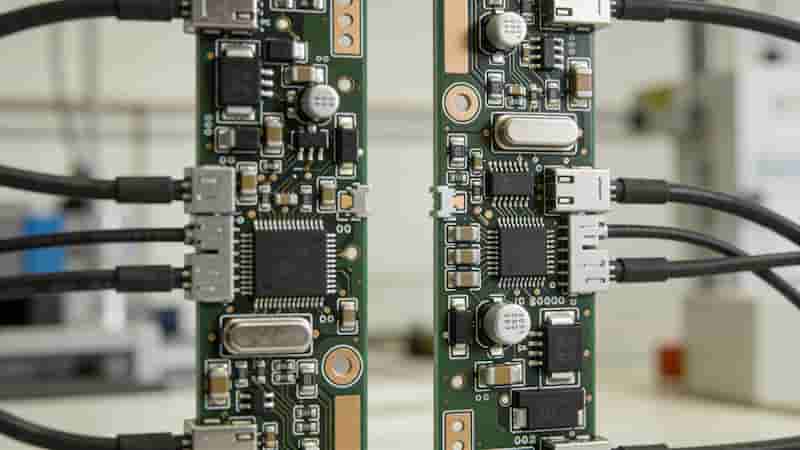
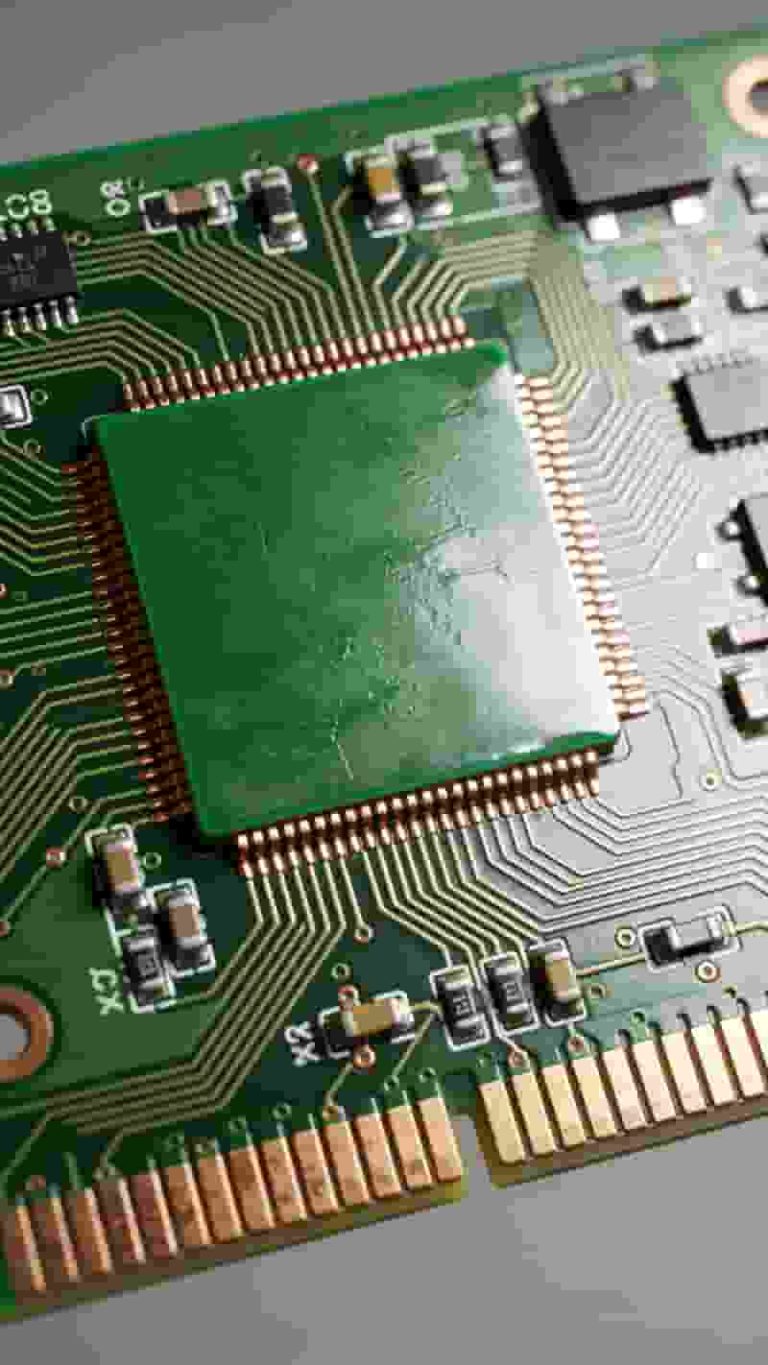
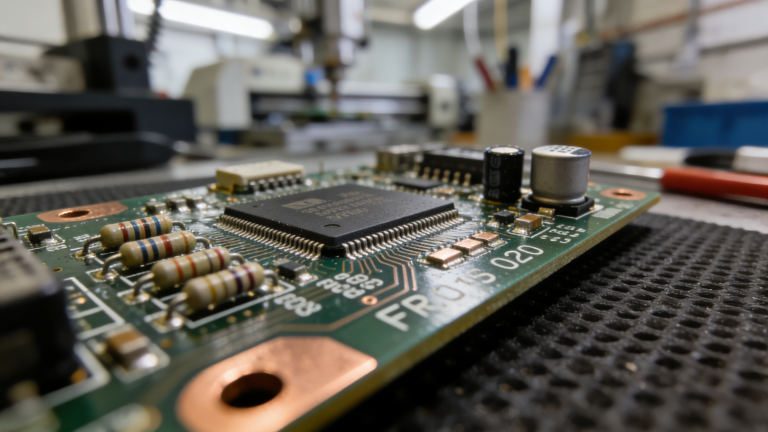
In 2025, FR-4 PCB remains the global leading material for rigid printed circuit boards. It delivers the best balance of electrical performance, mechanical strength, thermal stability, flame resistance, cost efficiency, and mass production compatibility. This guide explains why global engineers and buyers choose FR‑4 for industrial, automotive, IoT, 5G, and EV applications.
What Is FR‑4 PCB Material?
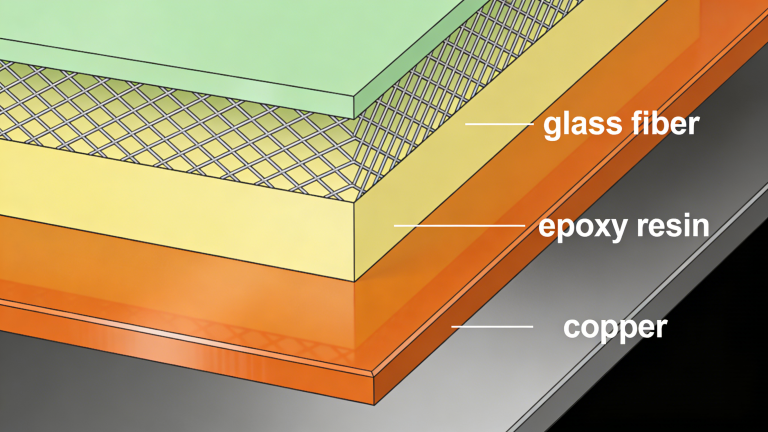
FR‑4 (Flame Retardant Type 4) is a woven fiberglass‑reinforced epoxy laminate, the most widely used substrate for rigid PCB production. It combines high mechanical strength from fiberglass and excellent insulation & flame resistance from epoxy resin. FR‑4 PCB supports single‑sided, double‑sided, and multilayer designs up to 30+ layers, making it suitable for prototyping and mass production.
Core Properties of FR‑4
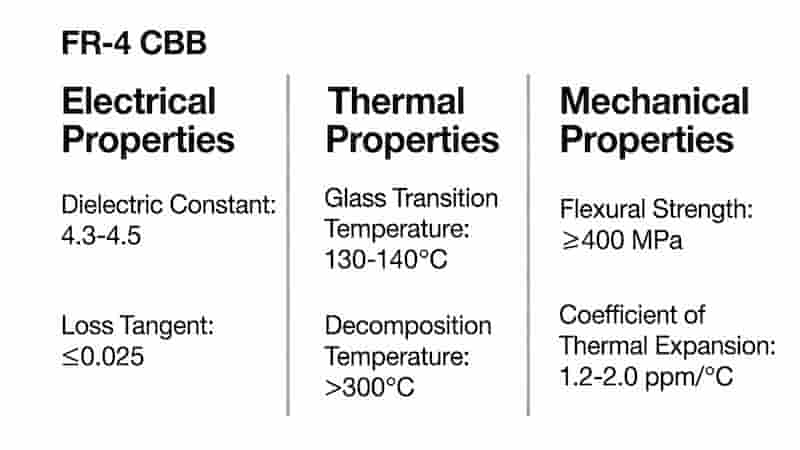
The performance of FR‑4 PCB is stable and reliable, meeting international industrial standards:
- Dielectric Constant (Dk): 4.2–4.8 at 1MHz, suitable for general and medium‑speed circuits.
- Dissipation Factor (Df): 0.015–0.025, low signal loss.
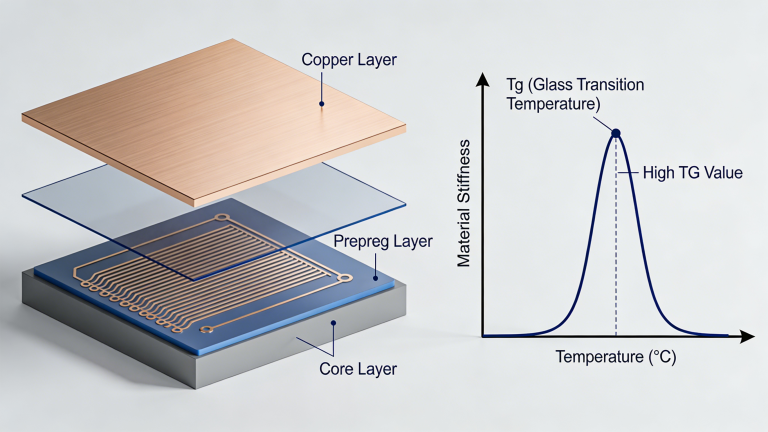
- Glass Transition Temperature (Tg): Standard 130–140°C; High‑Tg ≥170°C for lead‑free soldering.
- Flame Resistance: UL94 V‑0 rated, self‑extinguishing.
- Moisture Absorption: ≤0.15%, stable in humid environments.
- Mechanical Strength: 20,000–30,000 PSI, resistant to warping.
Top Benefits of Using FR‑4 for PCBs
These advantages make FR‑4 PCB the first choice for over 80% of global rigid PCB projects:
- Cost‑Effective: 3–5 times lower than high‑frequency materials, ideal for mass production.
- High Versatility: Supports 1–30+ layer designs for consumer, industrial, automotive use.
- Easy Processing: Drilling, plating, and soldering are stable with high yield.
- Long‑Term Reliability: Stable performance in vibration, humidity, and temperature changes.
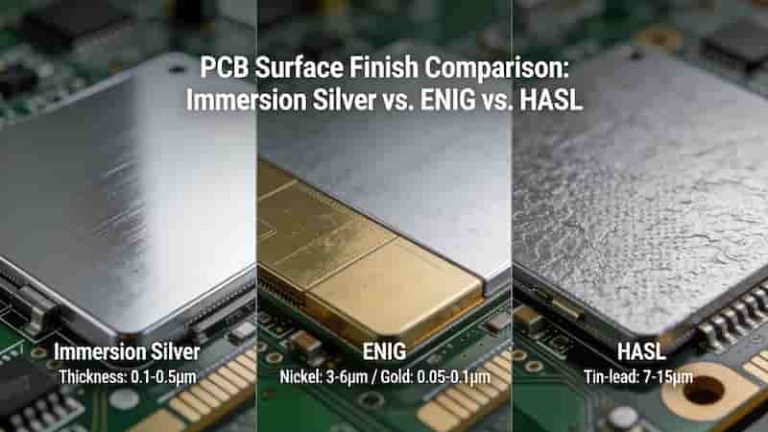
- Wide Compatibility: Works with HASL, ENIG, OSP, and other surface finishes.
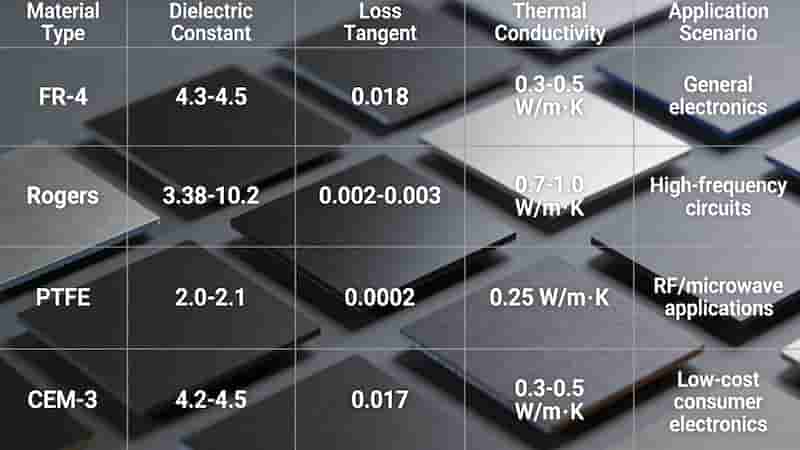
FR‑4 vs Other PCB Materials
| Material | Relative Cost | Tg (°C) | Best Application |
|---|---|---|---|
| FR‑4 | 1 | 130–180 | General, industrial, automotive, IoT |
| CEM‑3 | 0.9 | 120–130 | Low‑cost double‑sided PCBs |
| Rogers | 3–5 | Up to 280 | High‑frequency 5G, RF |
| PTFE | 5–7 | ~300 | Aerospace, extreme environments |
Main Applications of FR‑4 PCB
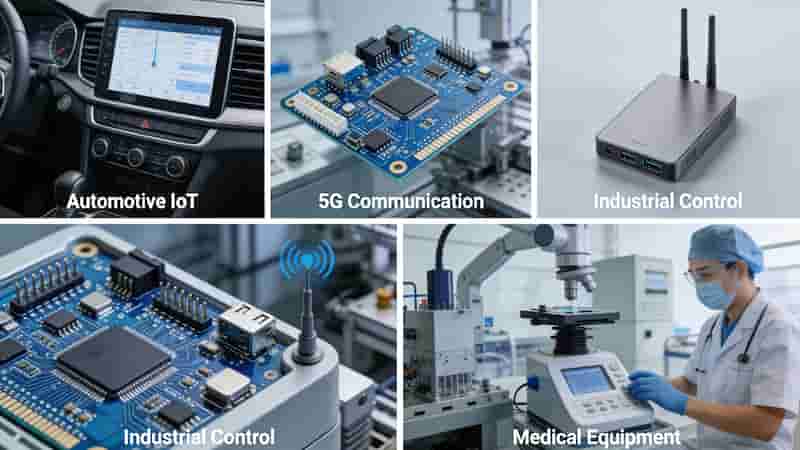
FR‑4 PCB is widely used in nearly all electronic fields due to its strong adaptability:
- Consumer Electronics: Smartphones, laptops, routers, home appliances.
- Automotive & EV: ECUs, BMS, infotainment, lighting.
- Industrial Control: Sensors, PLC, automation equipment.
- Medical Devices: Monitoring, diagnostic, and portable equipment.
- IoT & 5G: Modules, base stations, smart devices.
How to Select the Right FR‑4 Grade
Choose the suitable FR‑4 type based on working environment and performance needs:
- Standard FR‑4: Tg 130–140°C for general consumer products.
- High‑Tg FR‑4: Tg ≥170°C for automotive, EV, lead‑free soldering.
- Halogen‑Free FR‑4: RoHS compliant for eco‑friendly green electronics.
- Thin FR‑4: 0.2–0.8mm for wearables, miniaturized IoT devices.
Conclusion
In 2025, FR‑4 PCB remains the most practical and cost‑effective choice for most rigid PCB applications. It provides excellent performance, stability, and compatibility while keeping production costs low. Whether you are developing consumer electronics, automotive systems, IoT devices, or industrial equipment, FR‑4 will be your most reliable PCB material.
Get Your Custom FR‑4 PCB Solution
Contact us for free quotation, technical support, and custom FR‑4 PCB manufacturing for your projects.
Request a Quote Now
Why PCB Reliability Is Critical for Industrial & Global Electronics Applications
Global PCB Prototype Manufacturers: Top Picks & Why We Excel
PCB Components Purchasing Services | Global Electronic Components SourcingPCB
PCB DFM and DFA: Best Practices for Optimal Design