Plated Through Holes (PTH) are essential conductive structures in PCBs that ensure stable interlayer connectivity, reliable component mounting, and long‑term performance for industrial and high‑reliability electronics.
What Are Plated Through Holes (PTH)
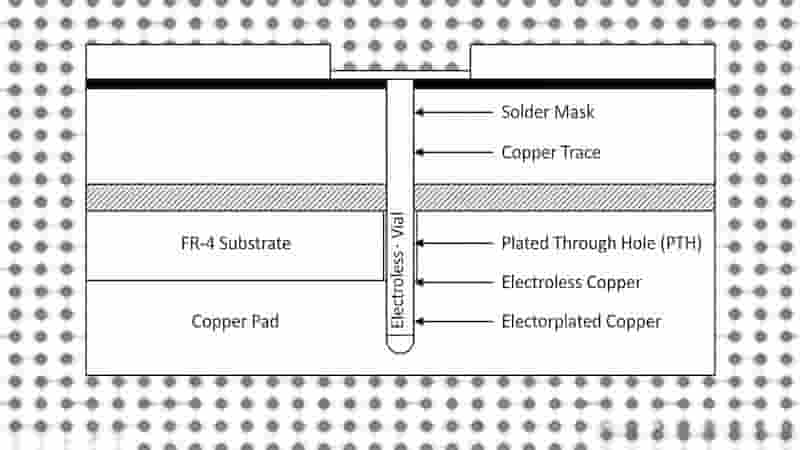
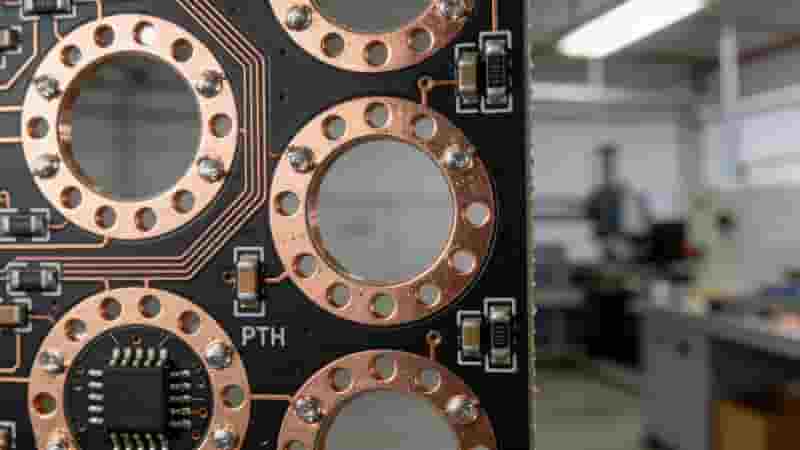
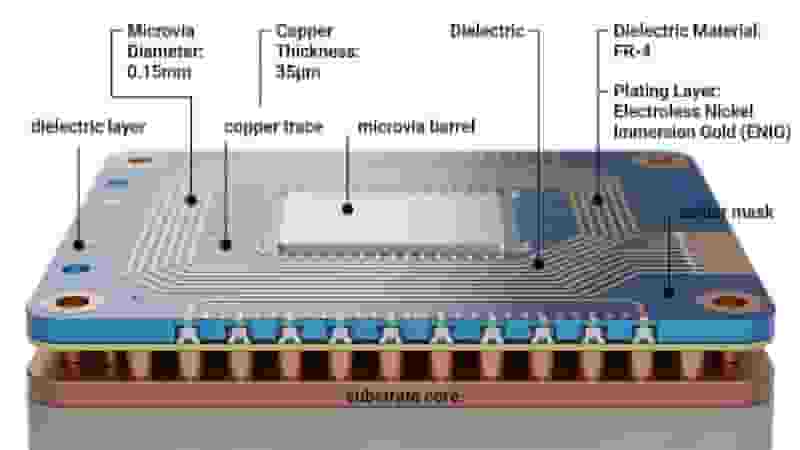
A Plated Through Hole (PTH) is a drilled hole in a printed circuit board whose inner walls are coated with a conductive metal layer—typically copper—to create a permanent electrical connection between the top, inner, and bottom layers of the PCB.
Unlike non‑plated holes, PTH forms a continuous conductive barrel that supports through‑hole component mounting and stable layer interconnection in multilayer PCBs.
Key Benefits of PTH in PCBs
1. Stable Interlayer Connectivity: PTH provides consistent electrical paths across all layers, ideal for multilayer PCB designs.
2. Reliable Component Mounting: Supports through‑hole components used in industrial, automotive, and high‑vibration environments.
3. Superior Mechanical Strength: Plated walls strengthen holes against thermal stress and physical shock.
4. Design Flexibility: Enables routing and component placement on both sides of the board.
5. High Signal Integrity: Low resistance and stable connection preserve signal quality.
Critical PTH Design Considerations
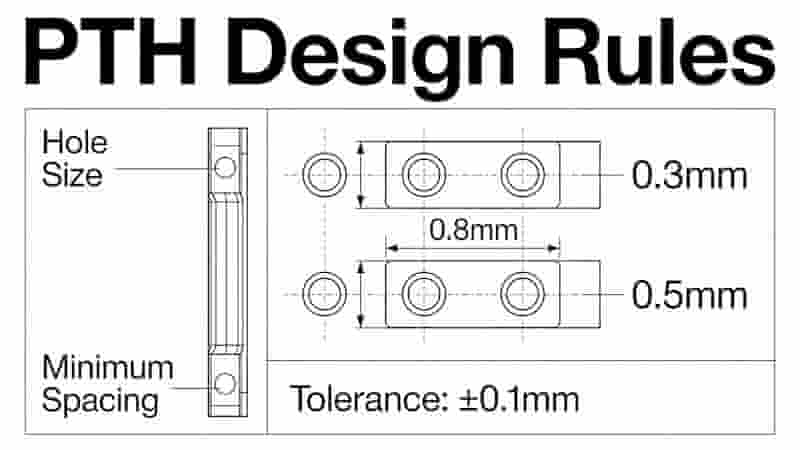
Hole Size
Must match component lead diameter. Common range: 0.3 mm – 0.8 mm. Too small blocks insertion; too large reduces reliability.
Hole Spacing
Minimum spacing ≥ 2 × finished hole diameter after plating to avoid short circuits.
Aspect Ratio (Depth / Diameter)
High aspect ratios increase plating difficulty and cost. Keep ratio within manufacturing capabilities.
Layer Count & Depth
Full‑depth PTH connects all layers. Partial depth may reduce cost for specific interlayer connections.
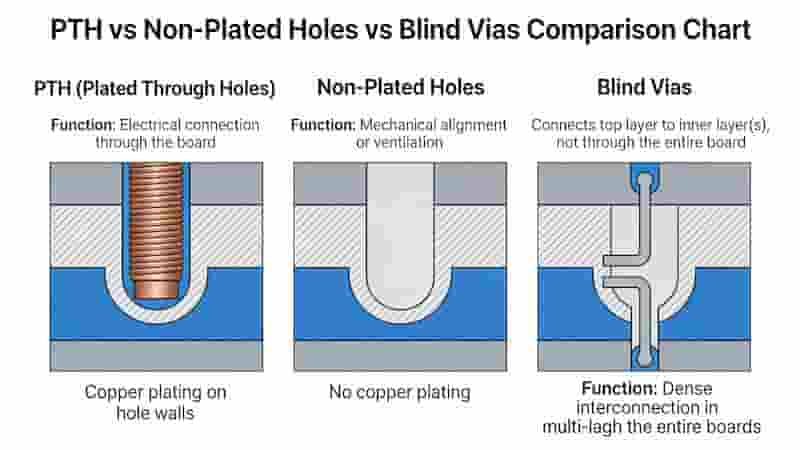
PTH vs Non‑Plated Holes vs Blind & Buried Vias
| Feature | Plated Through Holes (PTH) | Non‑Plated Holes | Blind / Buried Vias |
|---|---|---|---|
| Conductivity | Continuous conductive barrel | Non‑conductive | Plated partial layers |
| Connection | All layers | Mechanical only | Partial inner/outer layers |
| Reliability | Excellent | Low | High |
| Cost | Medium | Low | High |
| Best For | Multilayer PCB, through‑hole components | Mounting, no electrical need | High‑density PCB, compact designs |
Standard PTH Manufacturing Process
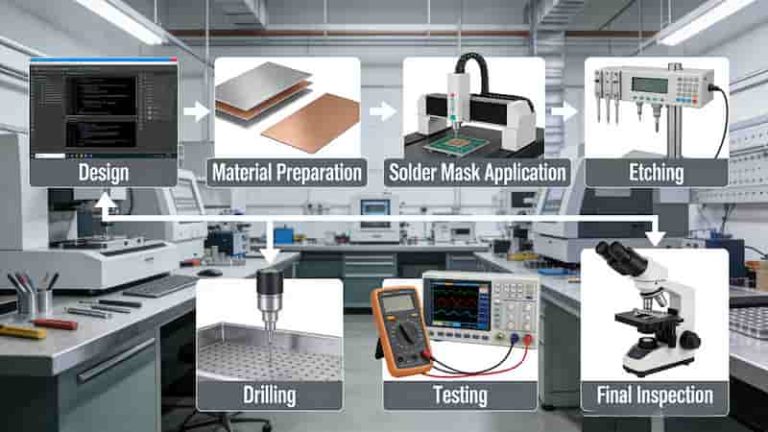
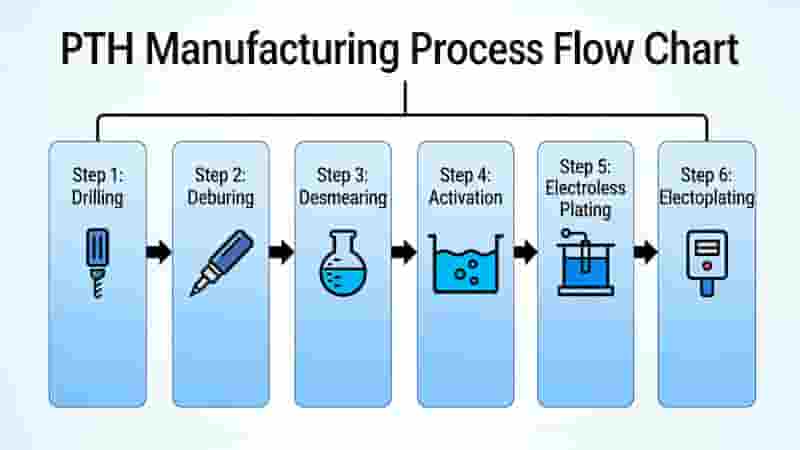
1. Drilling: Precision drilling of through holes in the PCB core.
2. Desmear: Removal of resin smear to ensure plating adhesion.
3. Electroless copper deposition: Base conductive layer on hole walls.
4. Electroplating: Thickening copper layer to meet conductivity requirements.
5. Panel plating, etching, and solder mask application.
Conclusion
Plated Through Holes (PTH) are foundational to reliable printed circuit board design, especially for multilayer boards, through‑hole components, and industrial‑grade applications. Proper PTH design—including hole size, spacing, and aspect ratio—directly impacts PCB performance, reliability, and cost.
For mission‑critical, high‑temperature, or high‑vibration environments, PTH remains the most trusted interconnection solution.
Inquiry & Custom PCB Service
We specialize in professional PCB manufacturing with high‑quality Plated Through Holes (PTH) for global industrial buyers, engineers, and procurement teams.
If you need PTH PCB fabrication, custom design support, prototype validation, or bulk production, please contact us for a free quotation and technical proposal.
Request PTH PCB Quote Now
Ultimate Guide to Multilayer PCB Layer Stackup & Thickness | Standard 4–14 Layer Configurations
PCB Design Guidelines for Manufacturing & IPC Compliance
PCB Solder Mask: The Complete Technical Guide for Global Buyers
How to Choose a Reliable PCB Prototype Manufacturer for Electronics Projects
The Essentials of Microvias – Enabling Miniaturization in PCBs