Discover the key factors in selecting a PCB surface finish, from HASL to ENIG, to optimize your project’s performance and budget. Read our guide now!
Selecting the perfect surface finish for your printed circuit board can make or break the success of your project. From ensuring reliable soldering to protecting against corrosion, the right surface finish enhances performance, durability, and cost-efficiency. With options like HASL, ENIG, and OSP, how do you determine which one best suits your needs? This guide walks you through the key considerations, compares popular finishes, and offers practical tips to optimize your PCB design. Whether you’re prototyping or scaling production, we’ll help you make an informed choice.
What Is a PCB Surface Finish and Why It Matters
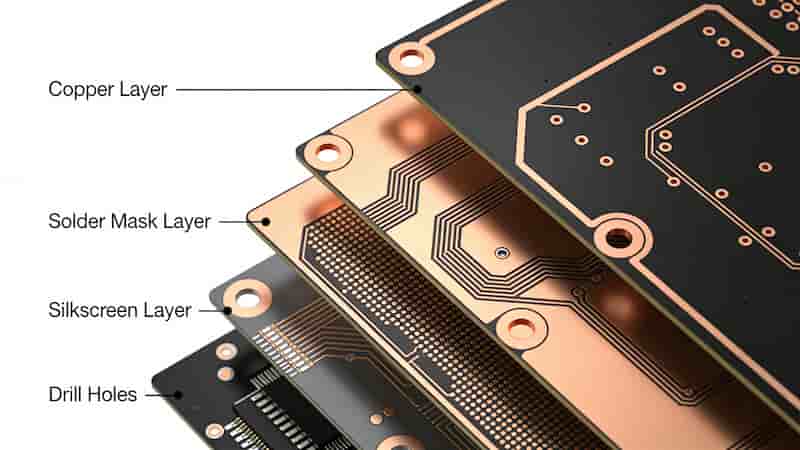
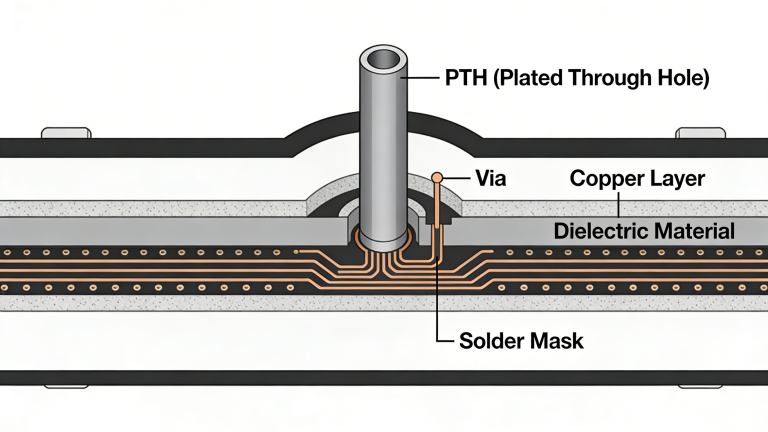
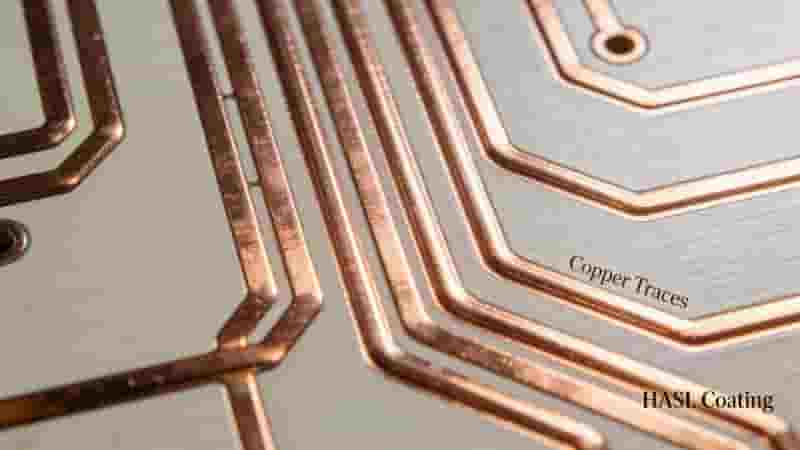
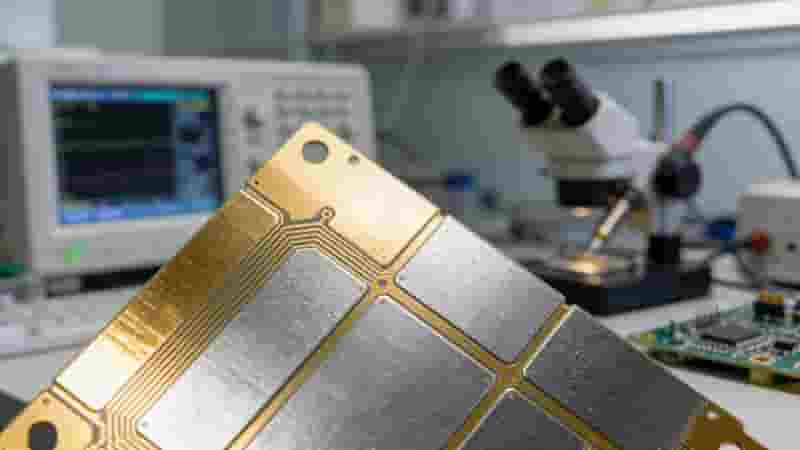
A PCB surface finish is a protective coating applied to the exposed copper traces of a PCB to prevent oxidation, enhance solderability, and ensure reliable electrical connections. This critical layer acts as a bridge between the PCB and its components, impacting performance, durability, and manufacturing success.
Why It Matters
- Prevents Corrosion: Exposed copper oxidizes quickly, degrading conductivity. A surface finish shields traces, extending the PCB’s lifespan.
- Improves Solderability: Ensures strong, reliable solder joints, reducing defects during assembly and improving yield rates.
- Component Compatibility: Supports fine-pitch, BGA, and through-hole components for precise assembly.
- Cost & Lifespan: Directly influences production costs, shelf life, and long-term reliability.
Key Factors for Choosing a PCB Surface Finish
Choosing the right PCB surface finish requires balancing multiple factors to meet your project’s performance, reliability, and budget goals. Below are the key factors to evaluate:
- Application Environment: Harsh automotive, industrial, or aerospace conditions need ENIG or Hard Gold.
- Component Type: Fine-pitch/BGA need flat surfaces like ENIG, Immersion Silver, or OSP.
- Solderability Needs: HASL and ENIG deliver excellent solder joints.
- Shelf Life: ENIG and Hard Gold last longer; OSP and Immersion Tin require fast assembly.
- Budget Constraints: HASL and OSP are low-cost; ENIG and Hard Gold are premium.
- Regulatory Compliance: All modern finishes support RoHS for global markets.
Overview of Common PCB Surface Finishes
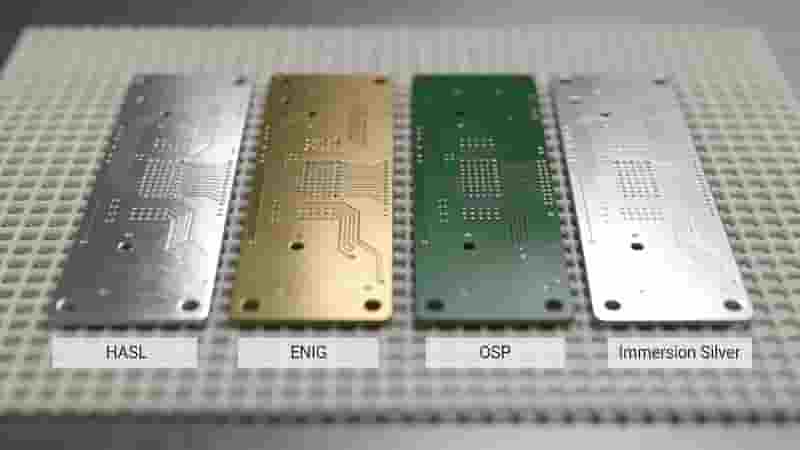
A variety of surface finishes are available for PCBs, each with unique characteristics suited to specific applications:
- HASL: Low-cost, robust, ideal for prototyping and general use.
- Lead-Free HASL: RoHS-compliant, reliable for standard designs.
- ENIG: Flat, high-reliability, perfect for fine-pitch and high-end products.
- OSP: Eco-friendly, flat, low-cost for high-volume short-storage projects.
- Immersion Tin: Flat, good for fine-pitch, limited shelf life.
- Immersion Silver: High conductivity for high-speed and RF circuits.
- Hard Gold: Durable for edge connectors and repeated contact.

Comparative Analysis of PCB Surface Finishes
Use this table to compare PCB surface finish options by cost, solderability, shelf life, flatness, RoHS, and best applications:
| Finish | Cost | Solderability | Shelf Life | Flatness | RoHS | Applications |
|---|---|---|---|---|---|---|
| HASL | Low | Excellent | Long | Poor | No | Prototyping, general use |
| Lead-Free HASL | Low | Good | Long | Poor | Yes | Standard RoHS designs |
| ENIG | High | Excellent | Long | Excellent | Yes | Fine-pitch, high-reliability |
| OSP | Low | Good | Short (6–12 mo) | Excellent | Yes | High-volume, short storage |
| Immersion Tin | Medium | Good | Short (6–12 mo) | Excellent | Yes | Fine-pitch, short-term use |
| Immersion Silver | Medium | Excellent | Medium (12–18 mo) | Excellent | Yes | High-speed, RF designs |
| Hard Gold | High | Poor | Long | Good | Yes | Edge connectors, test points |
Practical Tips for Selecting the Right PCB Surface Finish
- Define project priorities: budget, environment, component type, and assembly timeline.
- Consult your manufacturer early to confirm process compatibility and quality standards.
- Test prototypes with 2–3 finishes to validate real-world performance.
- Use long-shelf-life finishes (ENIG, Hard Gold) if storage is needed.
- Always verify RoHS and regional compliance for global exports.
Conclusion
Selecting the right PCB surface finish is a pivotal decision that balances performance, reliability, and cost. By understanding key factors and comparing options like HASL, ENIG, OSP, Immersion Tin, Immersion Silver, and Hard Gold, you can fully optimize your PCB project.
We provide professional PCB manufacturing and assembly with optimized surface finishes for global industrial clients. Our team supports DFM review, fast prototyping, and mass production to meet your export requirements.
Need a Custom PCB Solution?
Get a free quote for PCB surface finish selection, fabrication, and assembly. Fast turnaround, 100% quality guaranteed.
Request a Free Quote
Copper Core PCB vs. Metal Core PCB: Key Differences & Advantages
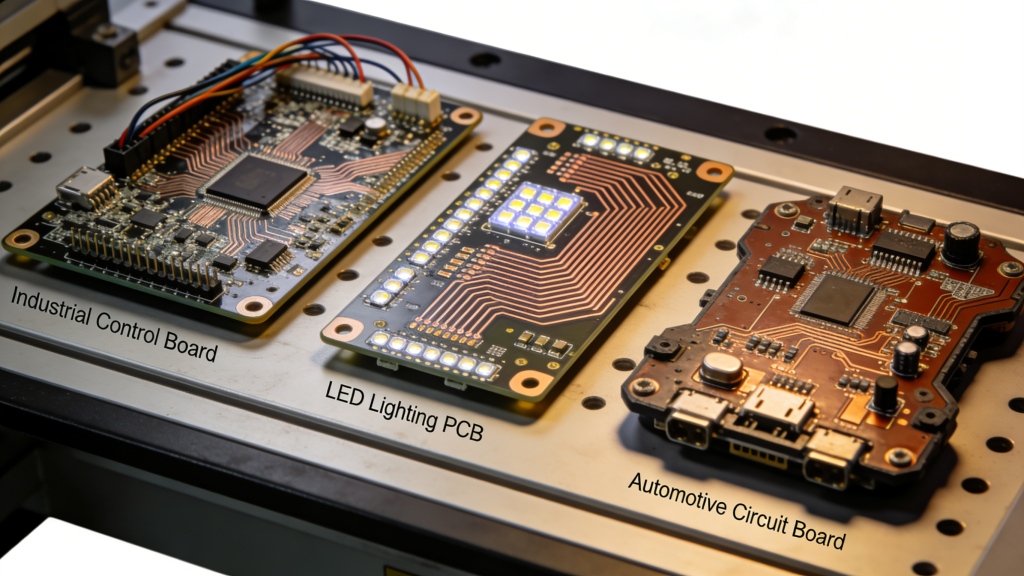
HASL: Hot Air Solder Leveling for PCB Surface Finish
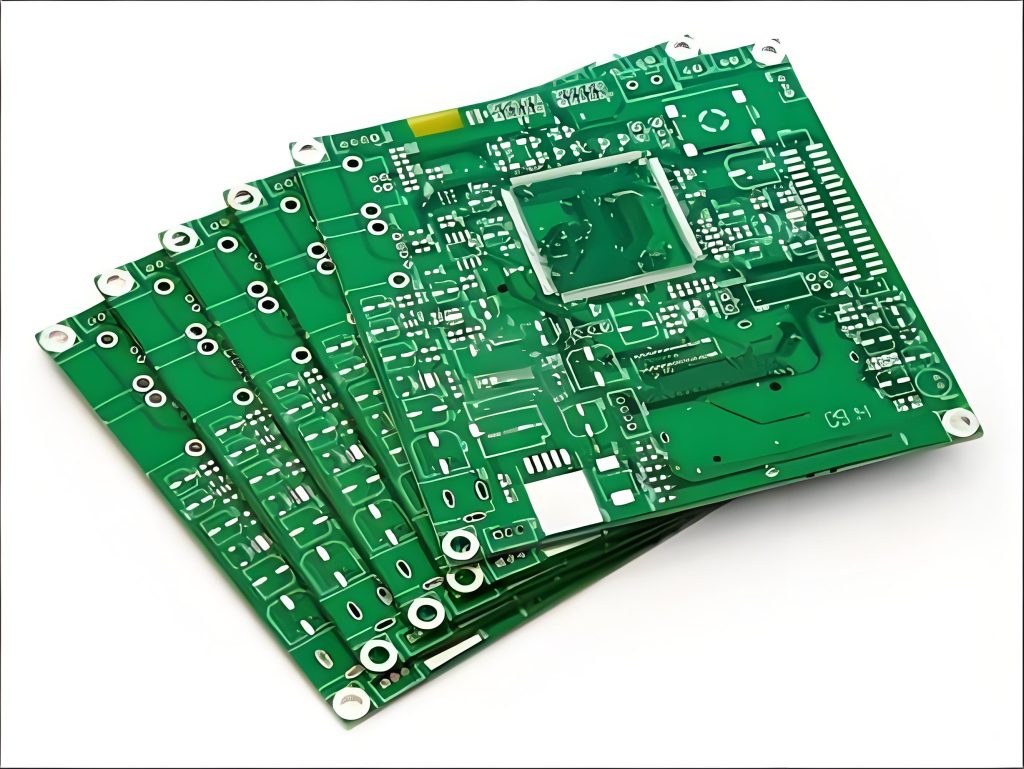
Rigid PCB – Single-Sided, Double-Sided & Multilayer
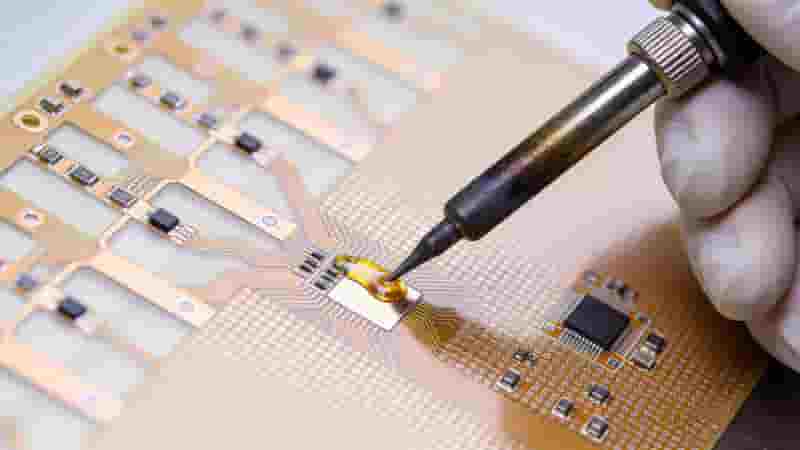
How to Solder On Flex PCB? Complete Professional Guide
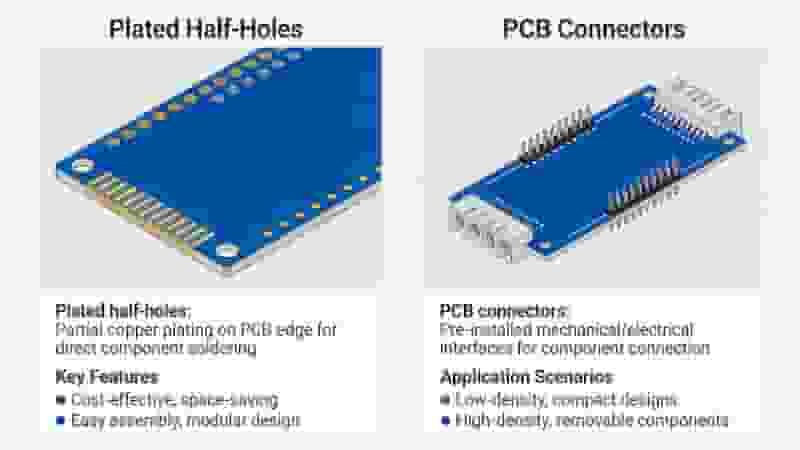
Understanding Plated Half-Holes (Castellated Holes) in PCB Design