In the ever-evolving world of electronics manufacturing, THT PCB assembly remains a crucial process for many applications. This comprehensive guide delves into the intricacies of through‑hole assembly, exploring processes, techniques, advantages, and future trends. Discover the unique strengths of THT and how it complements surface mount technology in modern product designs.
What Is THT PCB Assembly
In the world of electronics manufacturing, THT PCB assembly (Through‑Hole Technology) remains an essential process for many applications. While surface mount technology (SMT) has grown popular for compact designs and automation, THT still plays a critical role, especially for products requiring larger components or high‑power handling.
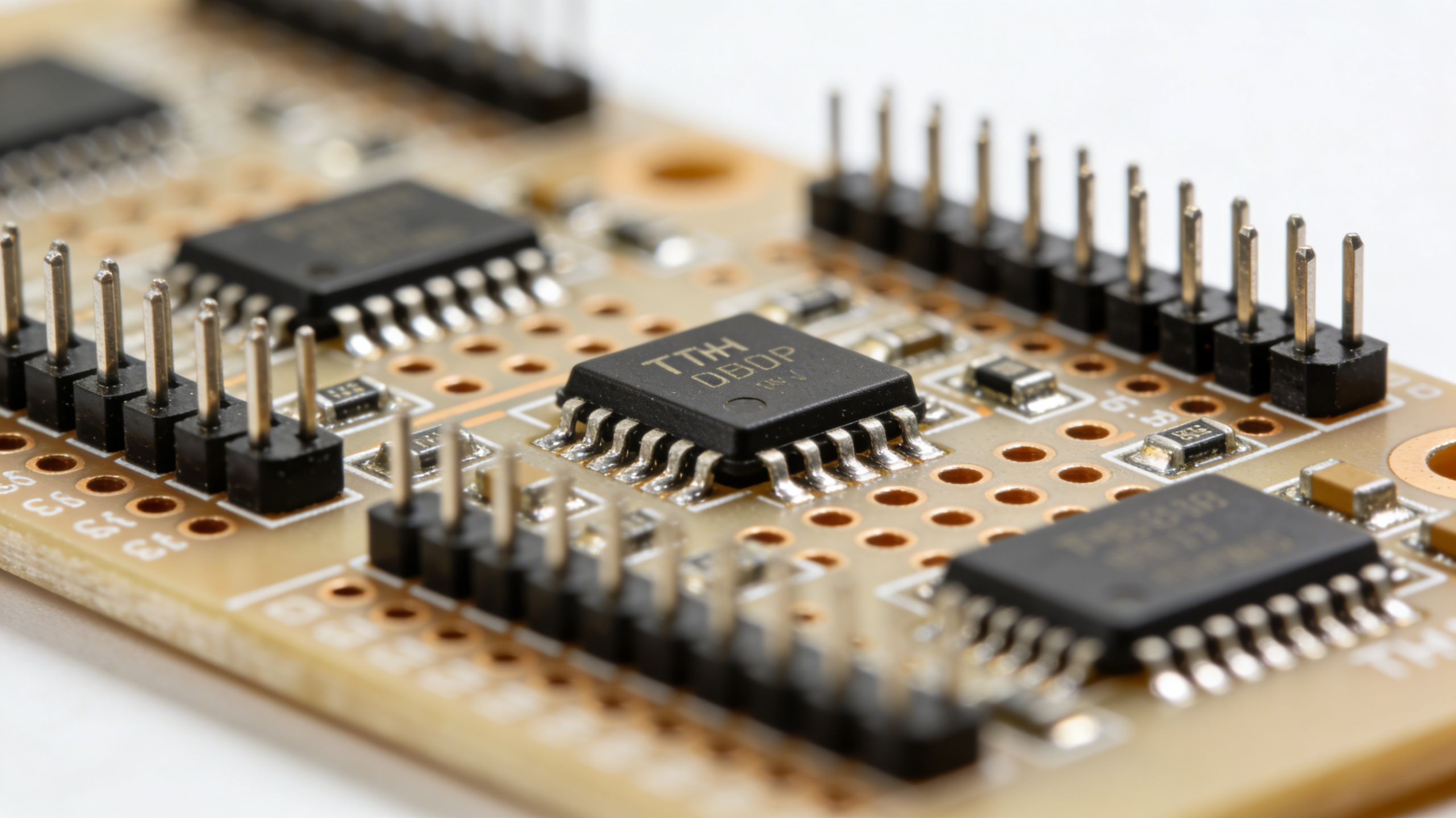
THT PCB assembly involves mounting electronic components by inserting their leads through pre‑drilled holes in the printed circuit board. This longstanding method continues to be widely used across industries from consumer electronics to industrial equipment.
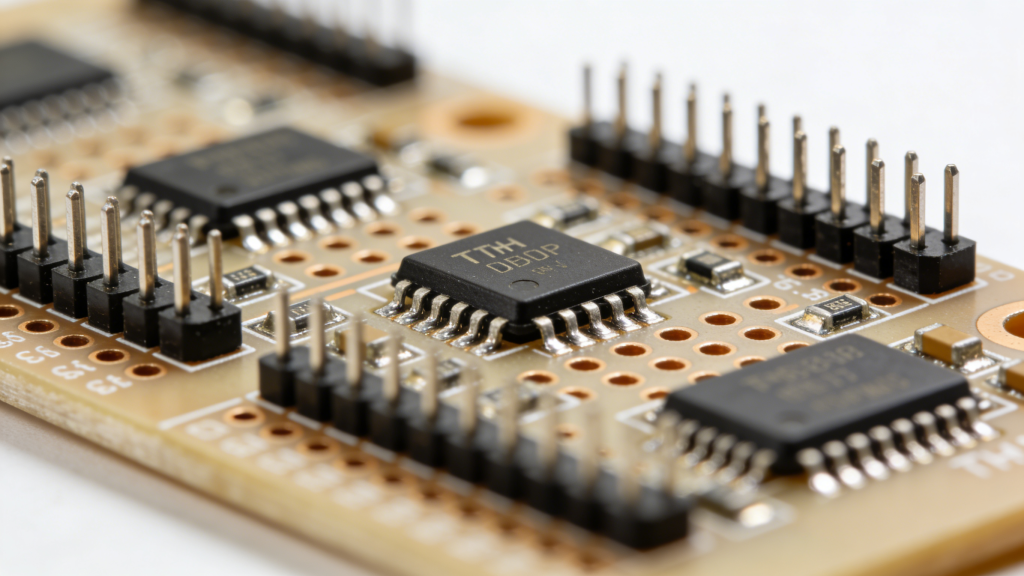
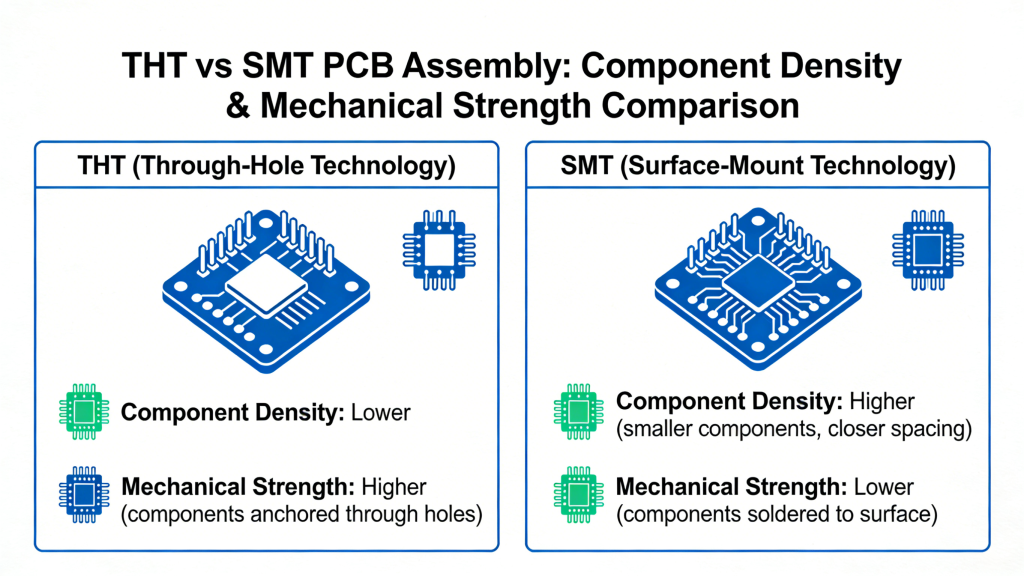
Compared with SMT assembly, the THT process often requires more manual steps and offers lower component density. However, it delivers stronger mechanical connections, better heat dissipation, and reliable performance for high‑stress environments.
The THT PCB Assembly Process – A Detailed Look
The THT PCB assembly process follows a strict sequence to ensure reliable, high‑quality results. Each step demands precision and compliance with industry standards.
1. Component Preparation
Components are inspected for defects; leads are formed and trimmed to proper length for insertion into the PCB.
2. Through‑Hole Component Types
Common types include resistors, capacitors, diodes, transistors, ICs, connectors, switches, and relays.
3. Types of Through‑Holes
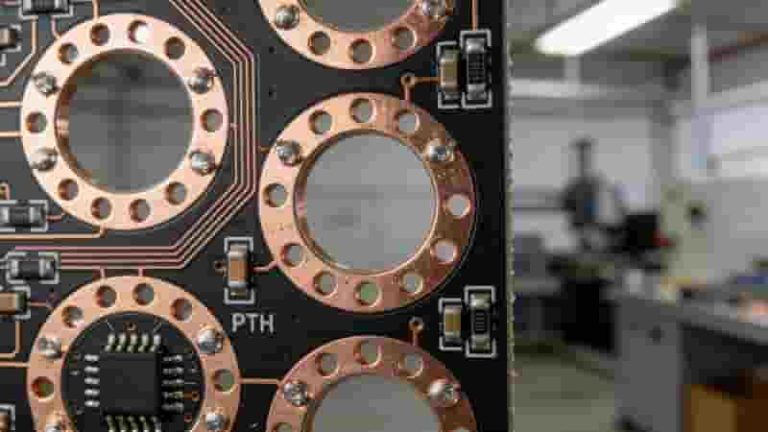
• Plated Through‑Holes (PTHs): Copper‑lined for electrical connections
• Non‑Plated Through‑Holes (NPTHs): For mechanical use only
• Vias: Small holes connecting PCB layers
4. Component Insertion
Components are inserted manually or by automated machines based on volume and complexity.
5. Soldering
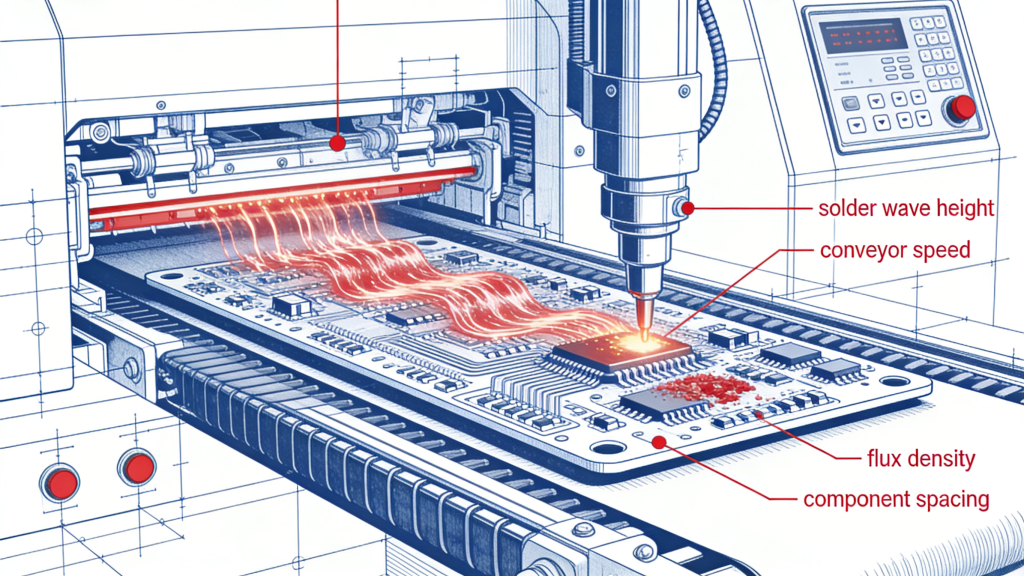
• Wave Soldering: High‑volume automated soldering
• Hand Soldering: For prototypes and low‑volume runs
6. Cleaning and Inspection
Boards are cleaned to remove flux residue; visual, AOI, or X‑ray inspection ensures perfect solder joints.
THT PCB Assembly vs SMT – Pros, Cons & Comparison
| Feature | THT PCB Assembly | SMT Assembly |
|---|---|---|
| Component Density | Lower | Much Higher |
| Mechanical Strength | Excellent | Good |
| Heat Dissipation | Better | Good |
| Best For | High Power, Rugged Use | Compact, Portable Devices |
| Automation Level | Medium | High |
Advantages of THT PCB Assembly: supports large components, strong mechanical bonds, great heat dissipation, cost‑effective for low volumes.
Disadvantages: lower density, more manual steps, longer cycle times.
Common THT PCB Assembly Techniques
Manual Through‑Hole Assembly
Technicians insert and solder components by hand. Ideal for prototypes, low batches, and custom modifications.
Wave Soldering
Automated high‑volume process where the PCB passes over molten solder. Efficient for large‑scale THT PCB assembly.
Selective Soldering
Precision soldering for mixed THT and SMT boards; protects sensitive components.
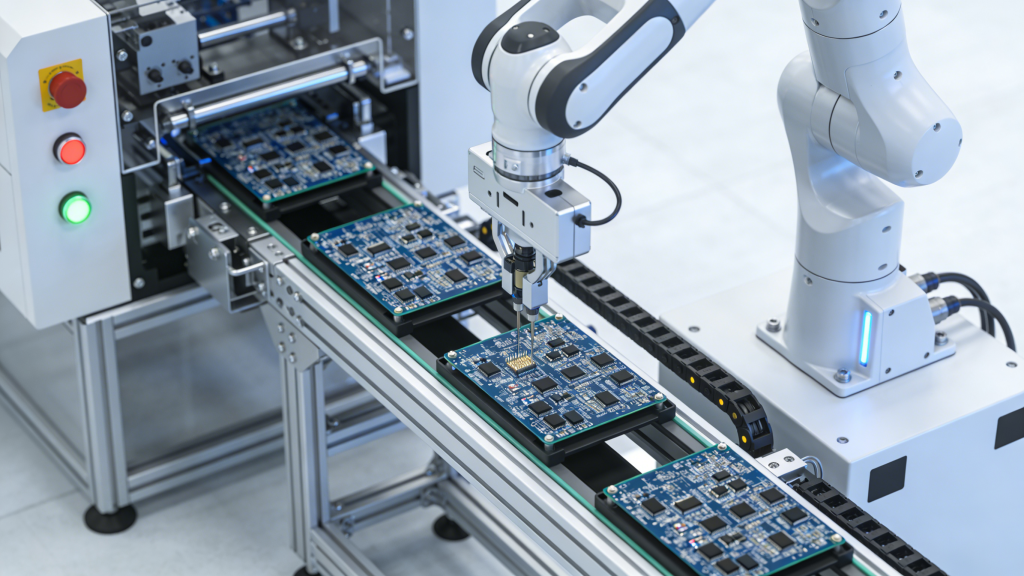
Automated Through‑Hole Assembly
Robotic insertion and soldering for consistent, high‑volume production with minimal labor.
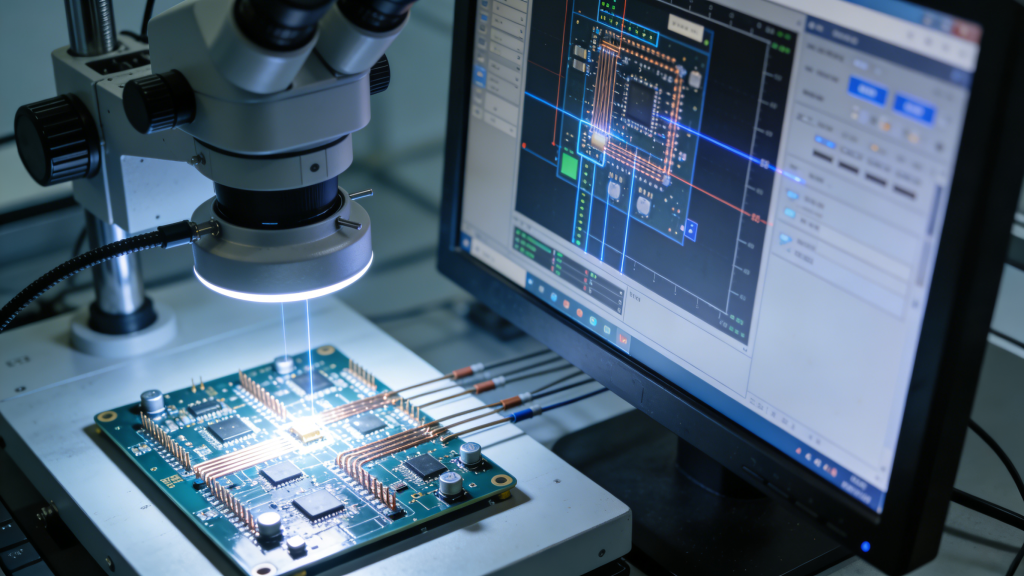
Quality Control in THT PCB Assembly
Reliable THT PCB assembly requires strict quality control at every stage to avoid failures and reworks.
• Incoming component inspection
• PCB preparation and hole quality check
• Real‑time process monitoring (temperature, speed, flux)
• Solder joint inspection (visual, AOI, X‑ray)
• Environmental and functional performance testing
Strong quality systems ensure THT PCB assembly meets IPC standards and industrial reliability requirements.
Applications & Hybrid THT PCB Assembly
THT PCB assembly is widely used in high‑power devices, industrial controls, automotive electronics, power supplies, and legacy systems. It supports connectors, relays, transformers, and robust electromechanical parts.
Modern designs often use hybrid assemblies that combine THT and SMT to balance density, power, and reliability. Selective soldering enables safe mixed‑technology production.
Future Trends in THT PCB Assembly
• Higher automation and robotic integration
• Smart manufacturing & Industry 4.0 monitoring
• Advanced soldering: laser, lead‑free, low‑stress processes
• Improved hybrid assembly lines
• Miniaturized THT components for dense designs
• Sustainable, eco‑friendly materials and production
Conclusion
THT PCB assembly remains a foundational and irreplaceable process in electronics manufacturing. It delivers unmatched mechanical strength, thermal performance, and reliability for high‑power and rugged applications. When combined with SMT in hybrid designs, it supports the most versatile and durable electronic products.
Understanding THT PCB assembly helps engineers, buyers, and manufacturers choose the right production method for performance, cost, and longevity.
Inquiry & Custom THT PCB Assembly Service
We provide professional, reliable THT PCB assembly services for prototypes, medium batches, and mass production. Our team supports industrial, automotive, power, and ruggedized applications with strict quality control and IPC standards.
Contact us today for:
• Free THT PCB assembly quotation
• Custom design and DFM review
• Prototype and mass production support
• One‑stop PCB manufacturing & assembly solution
Send Your THT PCB Assembly Inquiry Now
Fast Prototype PCB Manufacturing Services in Canada
Rapid PCB Prototyping and Production: Accelerate Your Product Launch
Gold Finger PCB Fabrication & Manufacturing Service
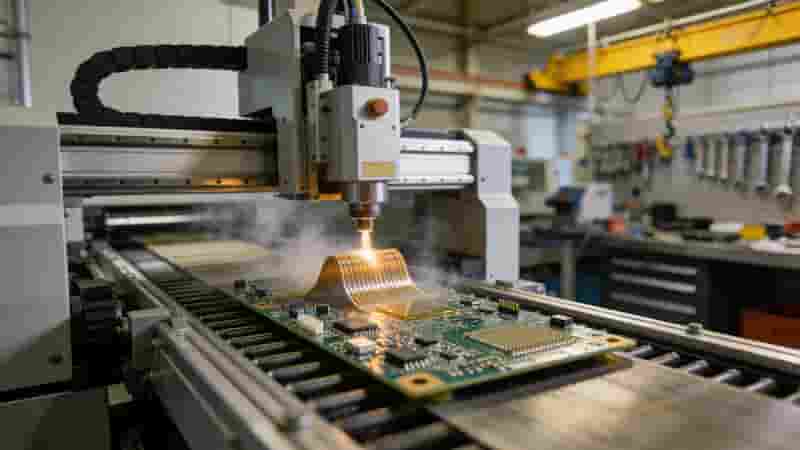
Selective Wave Soldering Guidelines: Process, Parameters & Best Practices for PCB Assembly
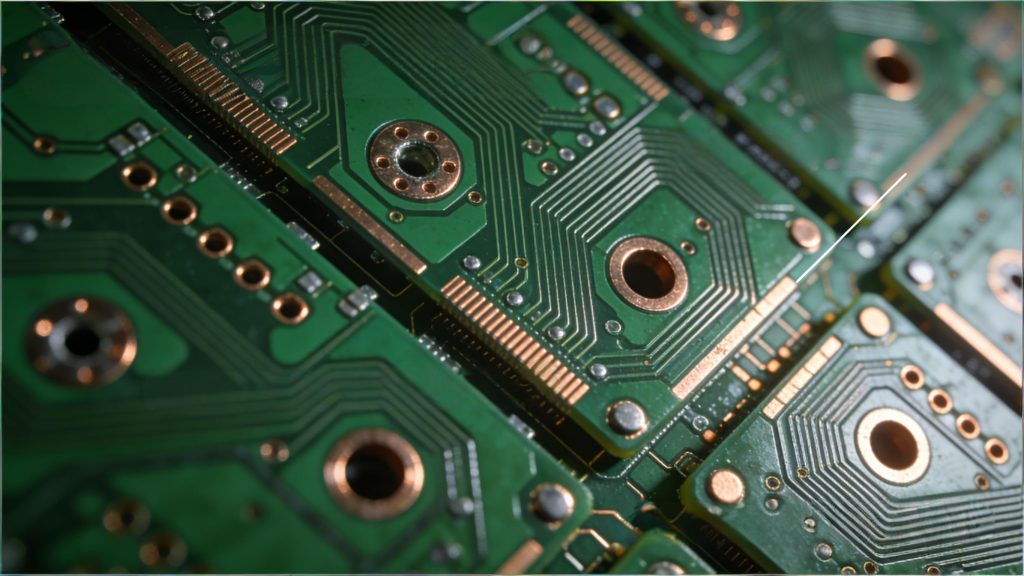
How to Choose a Reliable PCB Manufacturer in Europe: Complete Guide for Industrial Buyers