Surface Mount Technology (SMT) is the foundation of modern PCB assembly. This complete guide covers all critical SMT materials, their functions, selection criteria, and best practices to ensure high yield, reliability, and performance for industrial and high‑reliability electronics.
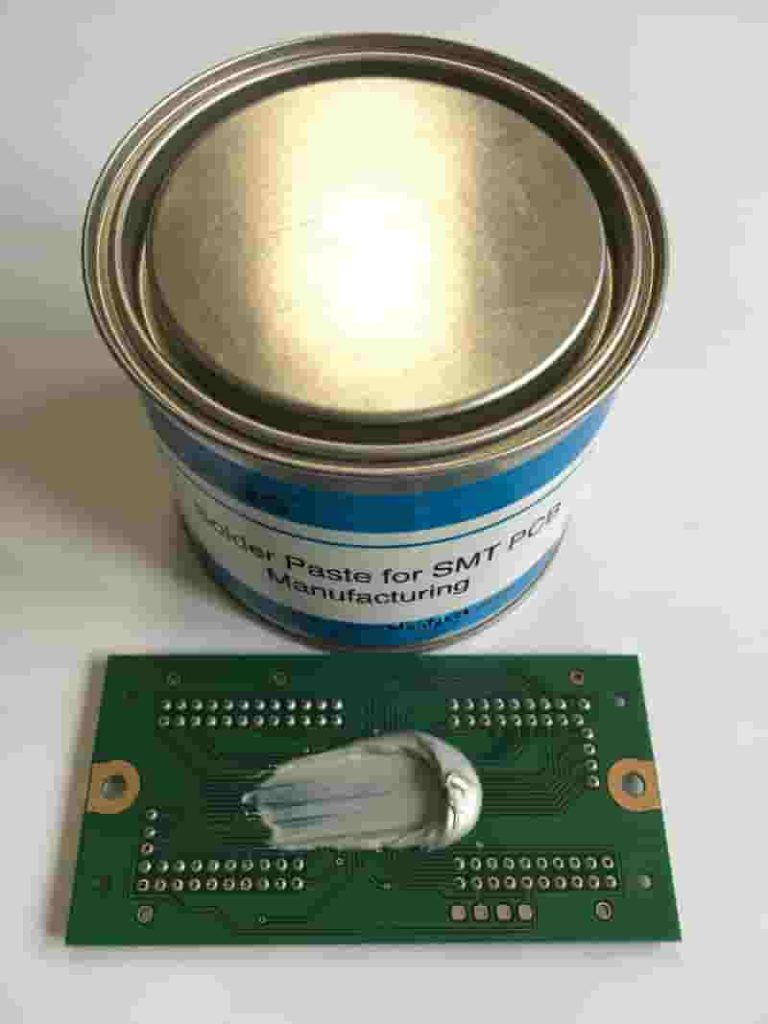
Why SMT Materials Matter
The quality and selection of SMT materials directly determine PCB reliability, production yield, and cost efficiency. These materials support electrical connectivity, thermal stability, mechanical strength, and compliance with standards including IPC and RoHS. For industrial, automotive, medical, and 5G applications, consistent material performance is non‑negotiable.
Using optimized surface mount technology materials reduces defects such as cold joints, solder bridges, and component shifting, supporting high‑volume manufacturing and long‑term product durability.
Solder Paste: The Core Material of SMT Assembly
Solder paste is the most important material in surface mount technology, combining metal alloy particles and flux to form reliable electrical and mechanical bonds between components and PCB pads.
Key Alloys & Properties
- SAC305 (Sn96.5 Ag3.0 Cu0.5): RoHS‑compliant, melting point ~217°C, ideal for most applications
- Sn63/Pb37: Traditional alloy, melting point 183°C, limited due to environmental rules
- Low‑temperature alloys: For heat‑sensitive components
Particle size (Type 3–5) must match PCB density. Fine powders support high‑precision PCB assembly for miniaturized devices.
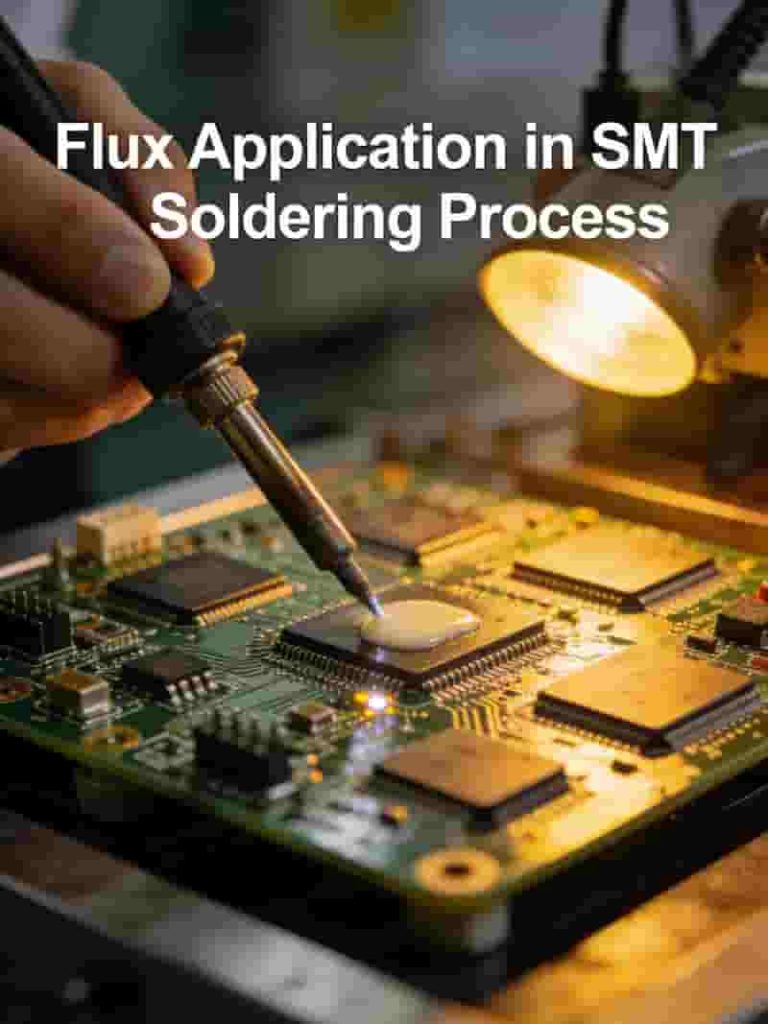
Flux: Ensuring Strong Solder Bonds
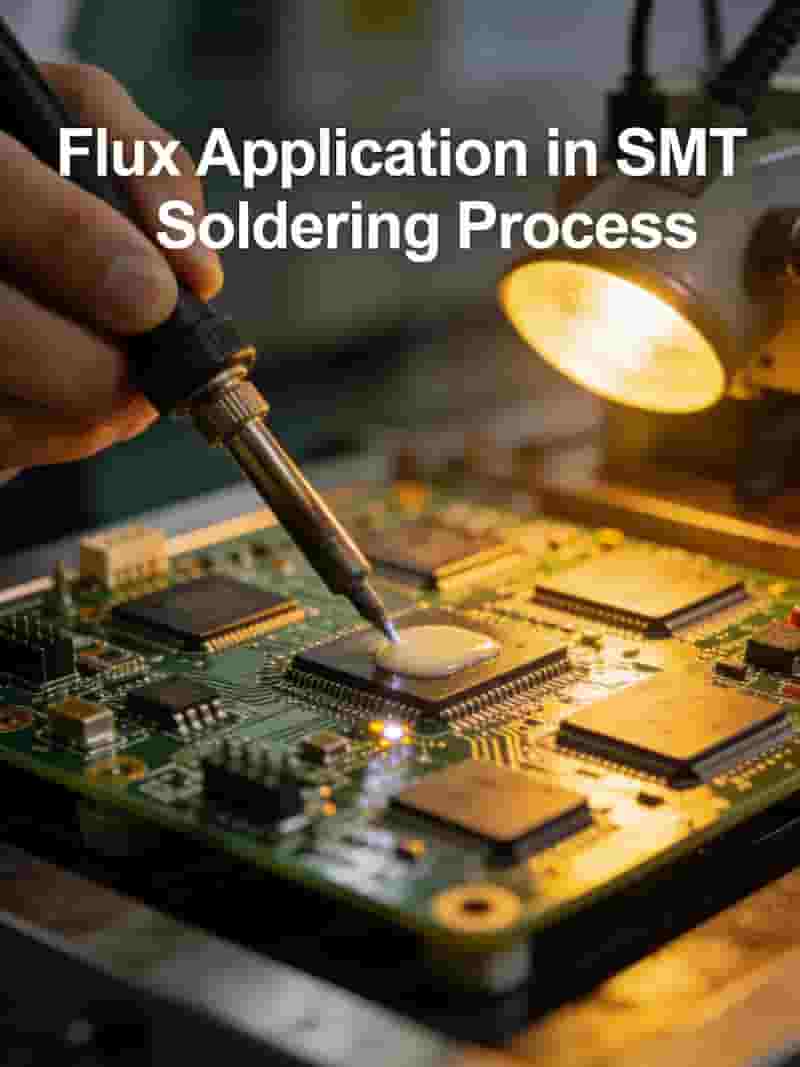
Flux removes oxides, prevents re‑oxidation, and improves wetting during soldering. It is integral to stable surface mount technology results.
Common types: rosin‑based, water‑soluble, and no‑clean fluxes. No‑clean is widely used for high‑mix production to reduce processing steps.
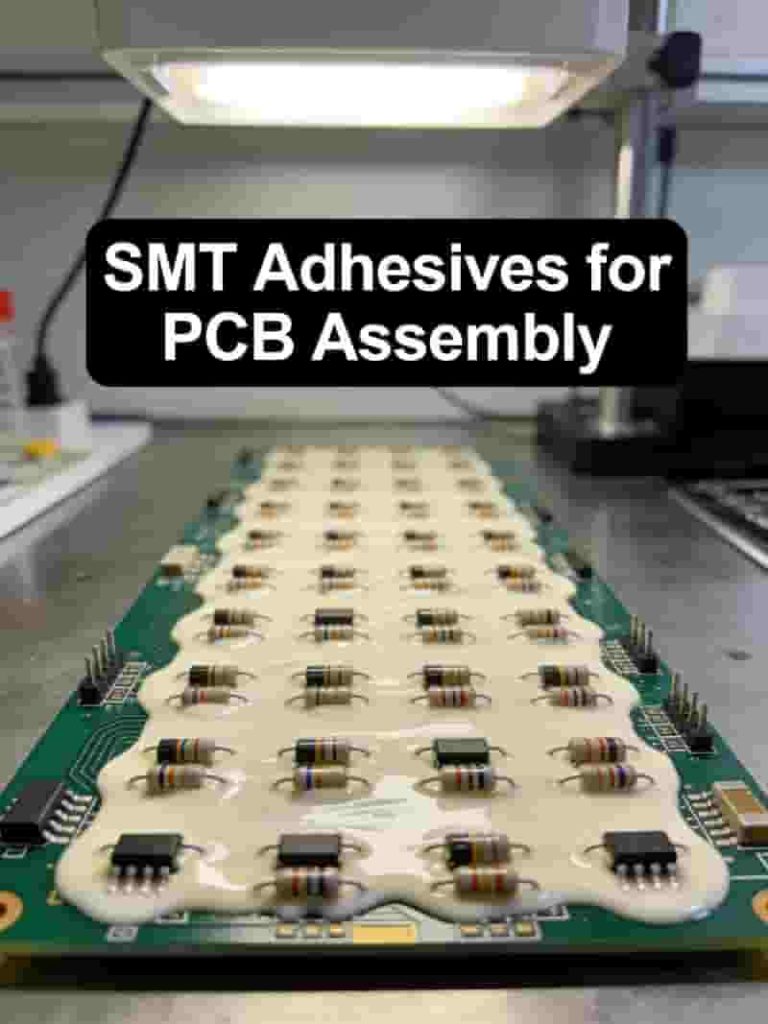
SMT Adhesives: Component Fixation
SMT adhesives secure components to the PCB before soldering, preventing movement during reflow or wave soldering. They are essential for double‑sided PCB assembly and high‑speed lines.
UV‑curable and heat‑curing adhesives offer fast processing and strong adhesion for small chips and large ICs alike.
Cleaning Agents for PCB Reliability
Post‑assembly cleaning removes flux residues, oils, and contaminants to avoid electrical leakage and corrosion. It is critical for high‑reliability surface mount technology applications like aerospace and medical devices.
IPA and water‑based cleaners are most commonly used for stencil cleaning and PCB final cleaning.
Solder Mask: Protection & Insulation
Solder mask coats the PCB to prevent oxidation, avoid solder bridges, and improve durability. It is a key protective material in surface mount technology.
Types: Liquid Photoimageable (LPI), dry film, and epoxy resin masks. LPI is preferred for fine‑pitch PCBs.
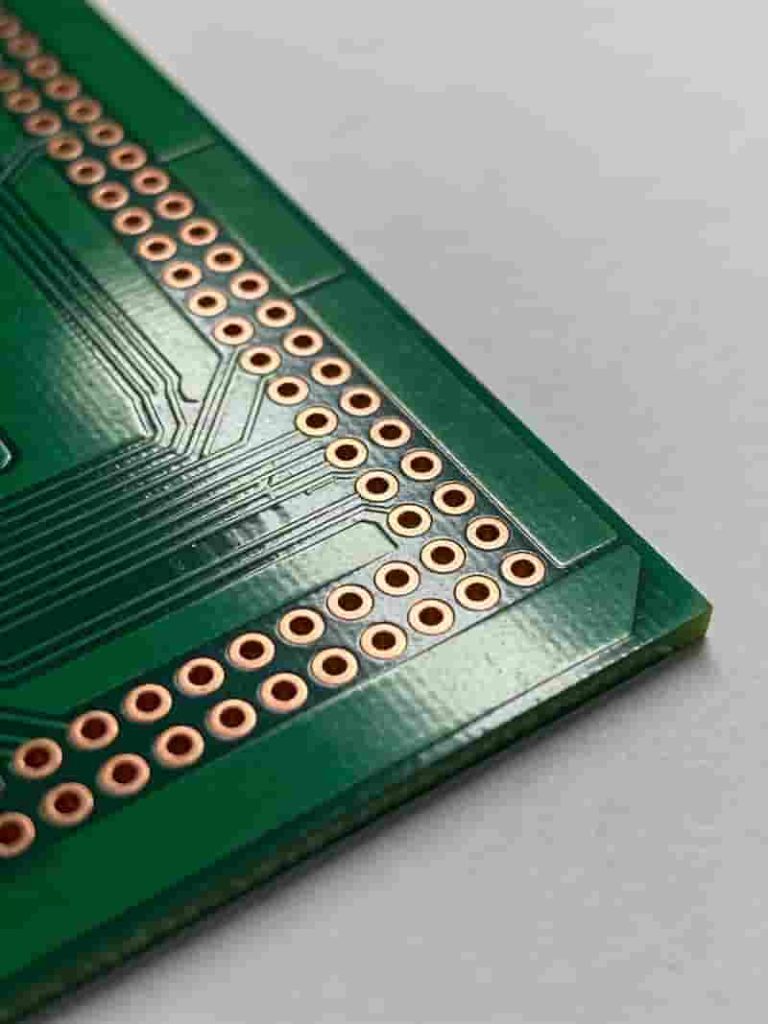
Emerging Trends in SMT Materials
Advanced surface mount technology materials continue to evolve for 5G, IoT, and electric vehicle markets:
- Low‑temperature solder pastes for thermal‑sensitive components
- Nano‑alloy pastes for ultra‑fine pitch interconnection
- Eco‑friendly, zero‑halogen fluxes and cleaning solutions
- High‑reliability adhesives for harsh environments
| Material | Core Function | Key Benefit for SMT |
|---|---|---|
| Solder Paste | Electrical bonding | Forms reliable solder joints |
| Flux | Oxide removal & wetting | Reduces soldering defects |
| SMT Adhesive | Component fixation | Stabilizes parts during assembly |
| Solder Mask | Protection & insulation | Prevents shorts & corrosion |
Conclusion
Mastering surface mount technology materials is essential for building reliable, high‑performance PCBs. Solder paste, flux, adhesives, cleaning agents, and solder mask work together to determine assembly quality, yield, and long‑term durability.
By selecting the right materials and following industry best practices, you can optimize your PCB assembly process for industrial, automotive, medical, and high‑tech applications.
Need Professional SMT & PCB Assembly Support?
Get expert support for surface mount technology materials selection, PCB assembly, custom manufacturing, and cost‑effective production solutions.
Request a Quote | Ask an Engineer
Global PCB Prototype Manufacturers: Top Picks & Why We Excel
What is a Surface Mount Device or SMD Component Package?
How to Solder on PCB: Essential Techniques and Best Practices for Reliable Assembly
Multilayer Flexible PCB Manufacturer | Custom 4–16 Layer Flex Circuits
PCB Prototype Manufacturing: The Complete 2025 Technical Guide for Engineers & Buyers