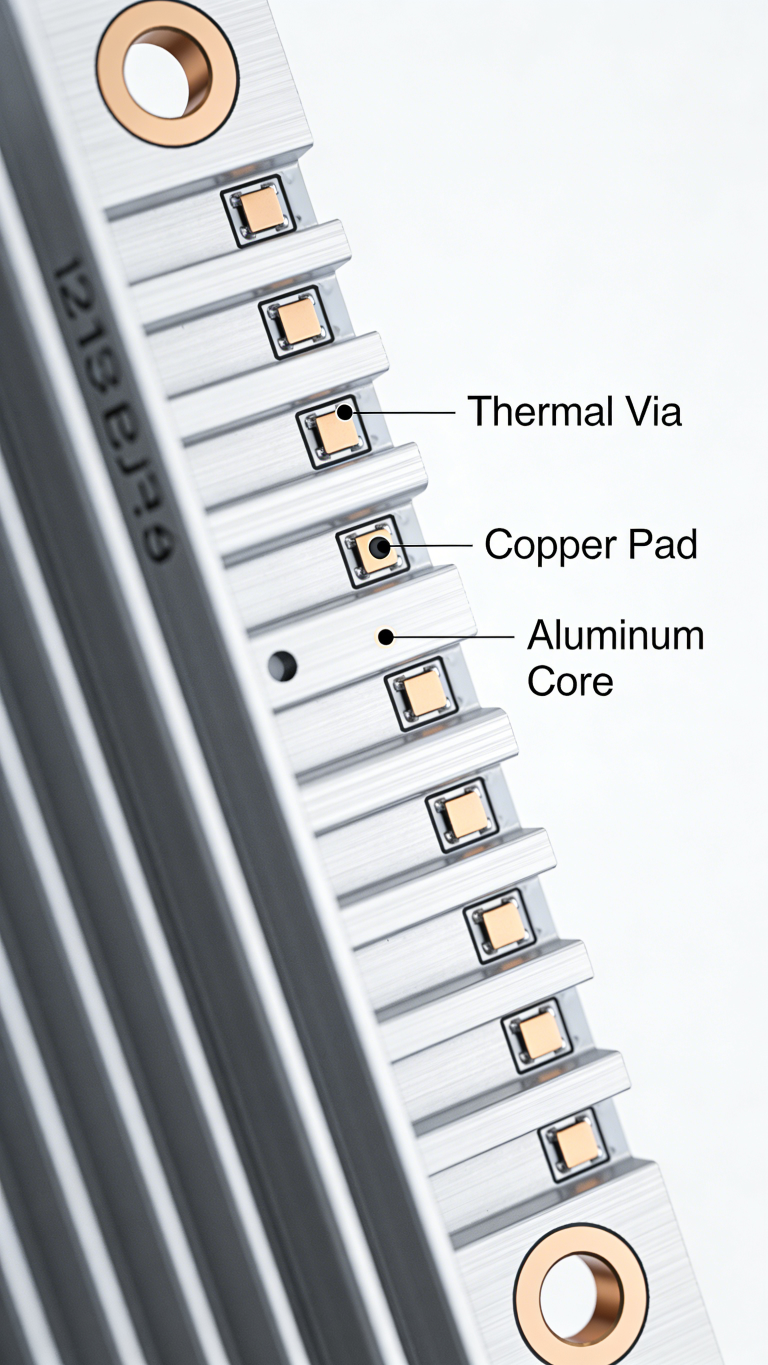
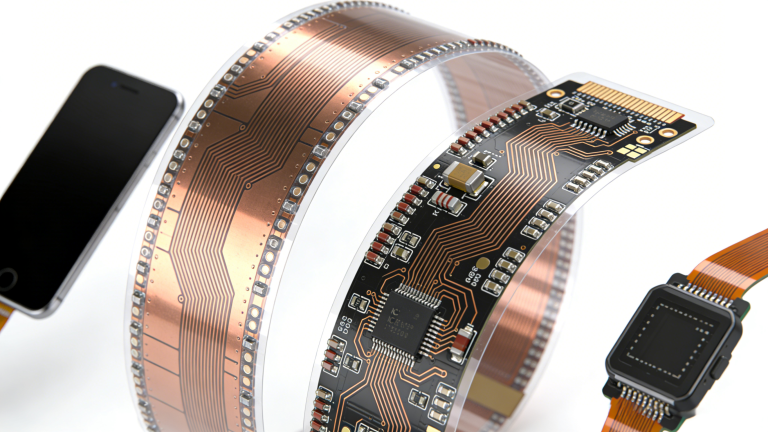
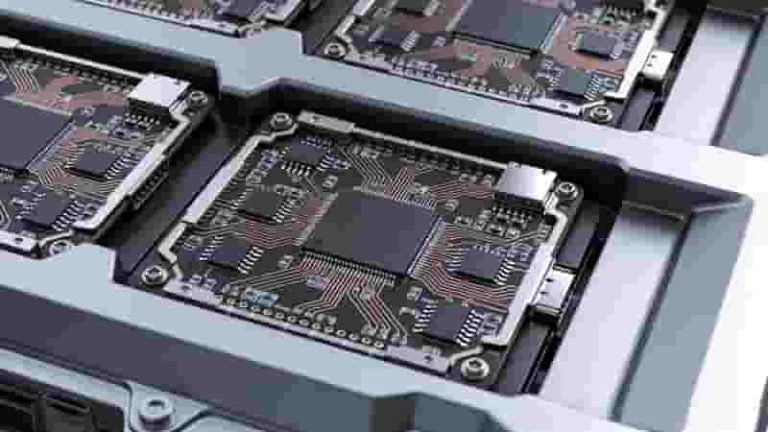
Aluminum PCBs (Metal Core PCBs/MCPCBs) are high-performance circuit boards designed for excellent heat dissipation. They are widely used in LED lighting, automotive electronics, power supplies, industrial automation, and medical devices to improve reliability, extend service life, and ensure stable operation in high-temperature environments.
What Is an Aluminum PCB?
An aluminum PCB is a metal-core printed circuit board that uses an aluminum alloy as its base layer. Unlike standard FR-4 PCBs, it provides exceptional thermal conductivity, making it ideal for high-power and high-heat electronic applications.
These boards efficiently transfer heat away from critical components, improving performance and lifespan while reducing failure rates.
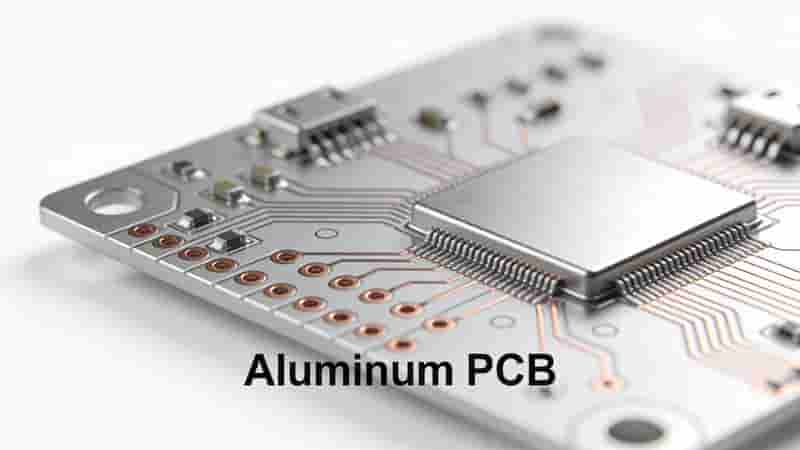
Key Components of Aluminum PCBs
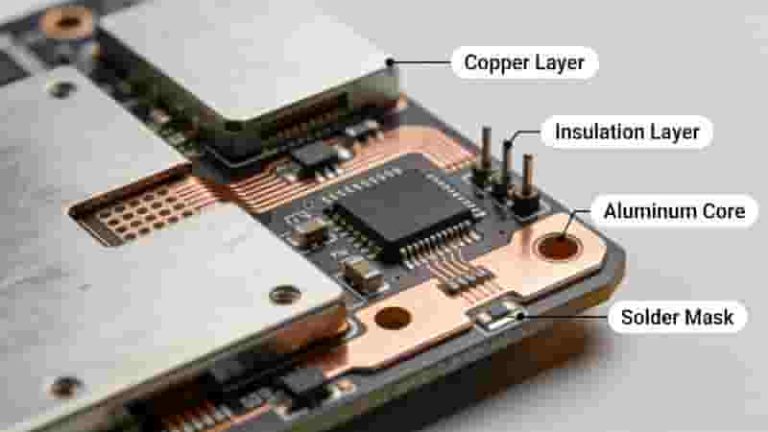
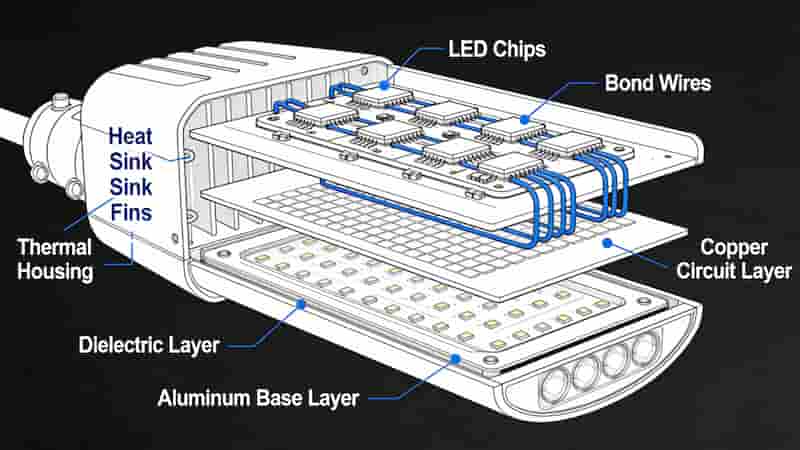
Aluminum PCBs have three core layers that work together for thermal management and electrical performance:
- Circuit Layer: High-conductivity copper foil (1–4 oz) for high current loads
- Dielectric Layer: Thermally conductive, electrically insulating material
- Base Layer: Aluminum alloy substrate for fast heat dissipation
Types of Aluminum PCBs
Aluminum PCBs are classified by dielectric material and layer structure to match different industrial needs:
By Dielectric Material
- Universal Aluminum PCB: 1–2 W/m·K thermal conductivity, cost-effective for general LED and consumer electronics
- High Thermal-Conductive PCB: Up to 3 W/m·K, ideal for EV systems and high-power power supplies
- High-Frequency PCB: Low signal loss, suitable for RF, 5G, and telecommunications
By Circuit Structure
- Single-sided Aluminum PCB: Simple, low-cost for LED strips and basic modules
- Double-sided Aluminum PCB: Higher circuit density for automotive and industrial controls
- Multilayer Aluminum PCB: Complex circuits for medical and communication devices
What Are Aluminum PCBs Used For? Main Applications
Aluminum PCBs are used across industries where heat control is critical:
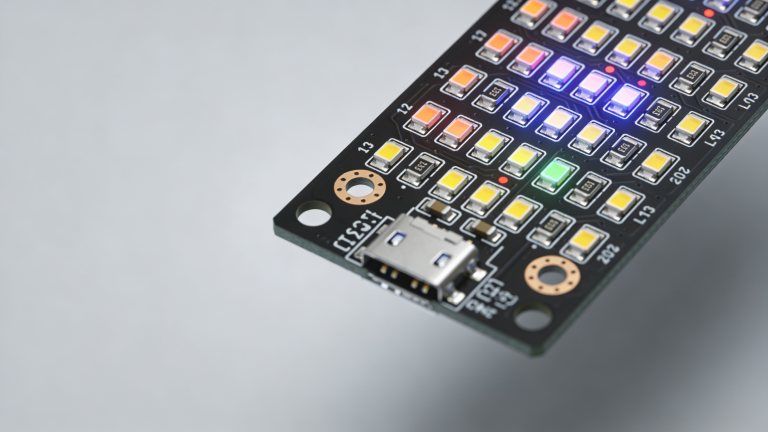
- LED Lighting: Streetlights, automotive headlights, industrial lamps, and high-bay lighting
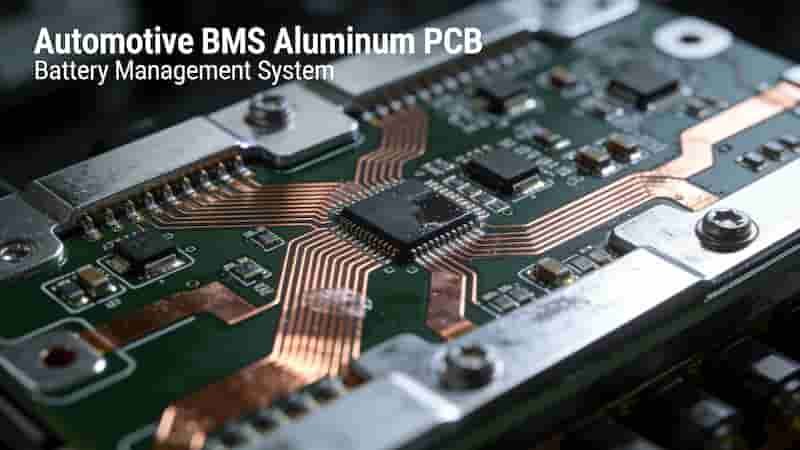
- Automotive Electronics: EV battery management systems, motor controls, and headlights
- Power Supply Systems: AC-DC adapters, industrial power supplies, inverters
- Industrial Automation: Drivers, controls, and power modules
- Medical Devices: Imaging and diagnostic equipment requiring stable thermal performance
- Telecommunications: 5G equipment, RF amplifiers, and base stations
Benefits of Aluminum PCBs
Compared to standard PCBs, aluminum PCBs offer clear advantages for industrial buyers:
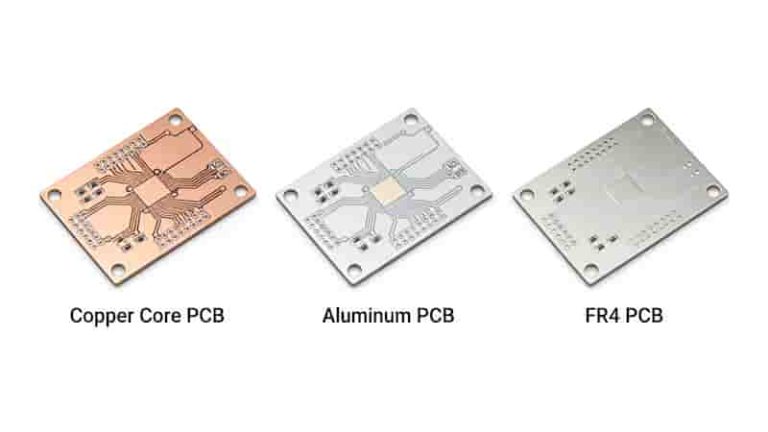
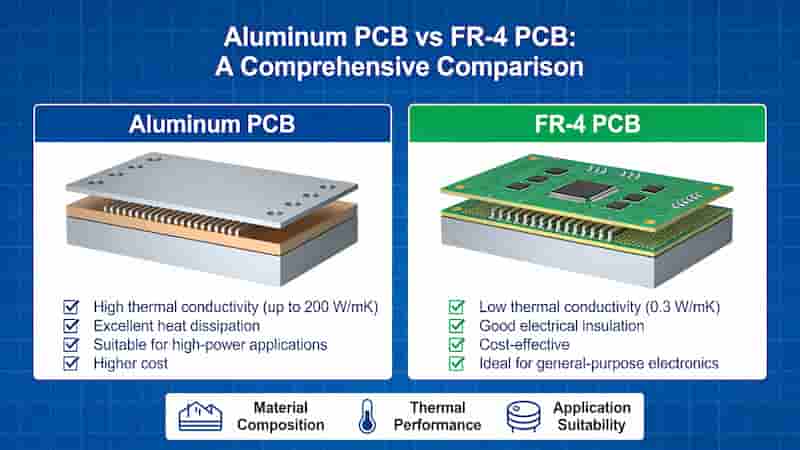
- Superior heat dissipation (1–3 W/m·K vs 0.25 W/m·K for FR-4)
- Lightweight and mechanically stable
- Extended component lifespan and reduced failure rates
- Cost-effective and recyclable
- Compatible with high-current and high-power designs
Aluminum PCB vs FR-4 PCB
| Feature | Aluminum PCB | FR-4 PCB |
|---|---|---|
| Thermal Conductivity | 1–3 W/m·K | 0.25 W/m·K |
| Heat Dissipation | Excellent | Basic |
| Weight | Light | Medium |
| Best For | High-power, high-heat devices | Low-power consumer electronics |
How to Choose the Right Aluminum PCB
Select your aluminum PCB based on these key factors:
- Thermal conductivity requirement (1–3 W/m·K)
- Operating frequency and signal integrity needs
- Layer count (single, double, multilayer)
- Copper thickness and current load
- Environmental and durability standards
Summary
Aluminum PCBs are essential for high-performance electronics that require reliable heat dissipation. They are widely used in LED lighting, automotive, industrial, medical, and telecom applications to improve efficiency, extend lifespan, and ensure stable operation.
By choosing the right type of aluminum PCB, you can optimize performance, reduce maintenance costs, and strengthen your product’s competitive edge.
Need Custom Aluminum PCBs for Your Project?
We provide professional aluminum PCB design, prototyping, and mass production for global industrial buyers.
Contact us today for a free quote and technical support!
Request a Quote
Aluminum PCB Prototype: The Ultimate Guide for Engineers and Designers
How to Choose the Right PCB Manufacturer and Supplier: Full Professional Guide
Flexible Circuit Board Surface Plating: Complete Technical Guide
How to Solder On Flex PCB? Complete Professional Guide
Types of Flexible Circuit Boards: The Ultimate Guide to Flex PCBs