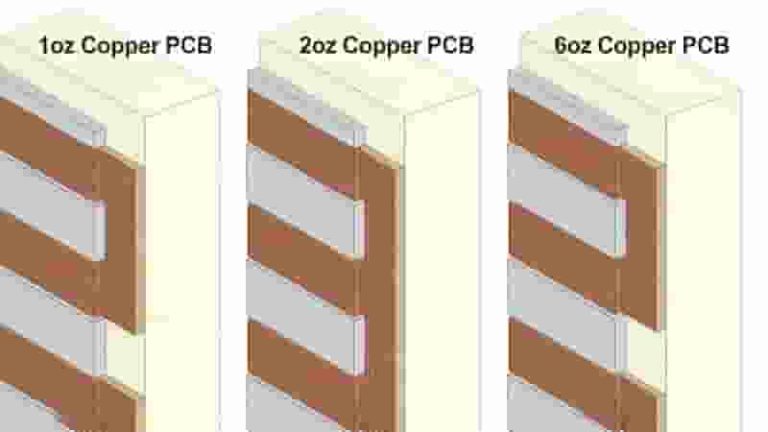
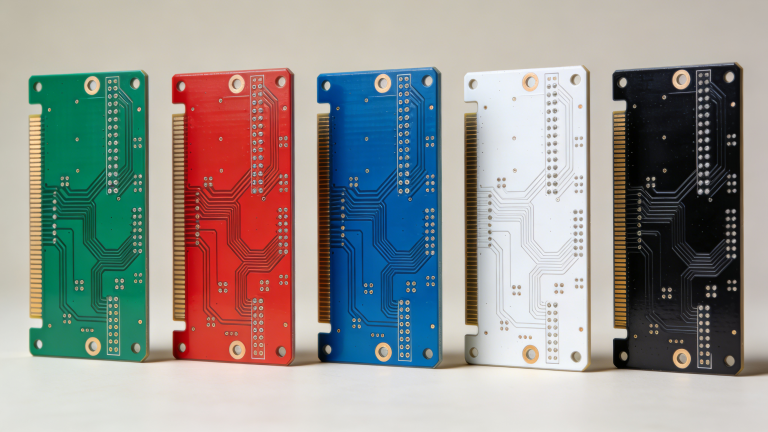
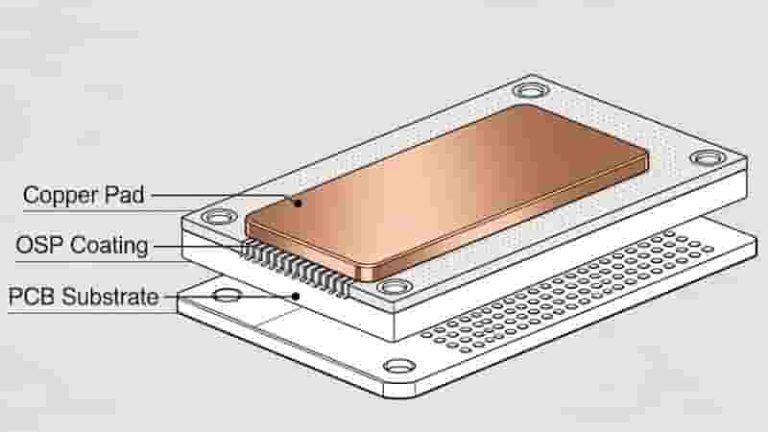
Copper Clad Laminate (CCL) is the material on which all circuitry and printed circuit boards (PCBs) are based. It is the basic material used in the PCB industry with wide applications in consumer electronics (e.g. radio and television), mobile communication industry, computers, avionics, military hardware, and others. The copper-clad laminate manufacturing industry is a growing industry with huge development prospects as a result of development and innovation in mobile communication technology, consumer and industrial electronics, semiconductor manufacturing technology, PCB manufacturing technology, and surface mounting technology, especially in China and Southeast Asia.
What Is Copper Clad Laminate (CCL)
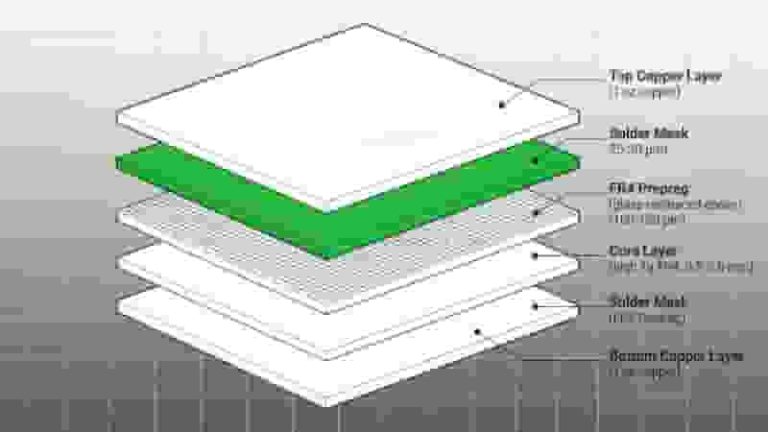
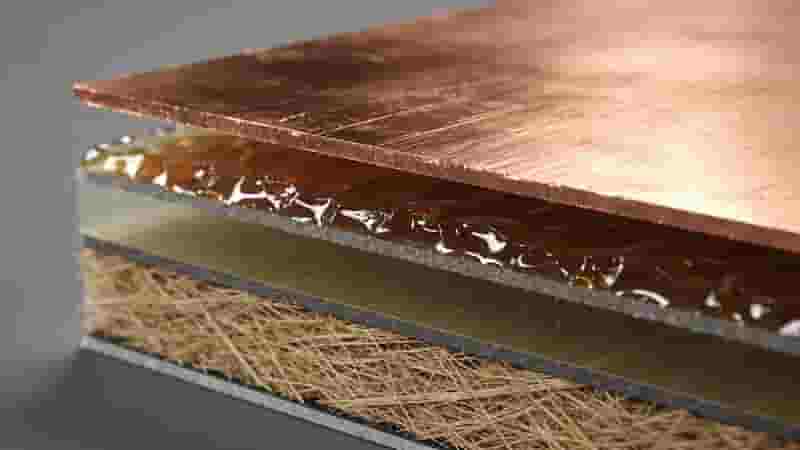
Copper Clad Laminate (CCL) is an insulating base material laminated with copper foil under high temperature and pressure. It consists of reinforcement (glass fiber, paper, etc.), resin matrix, and copper foil, forming the foundational material of all printed circuit boards (PCB).
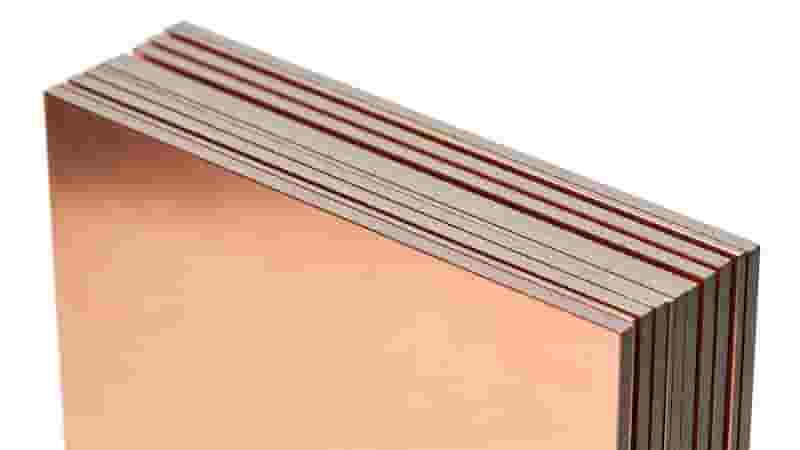
In multilayer PCB production, CCL acts as the core layer (CORE), providing insulation, support, and electrical connectivity. Its quality directly determines the stability, lifespan, and performance of electronic products.
CCL Classifications & Materials
1. By Mechanical Rigidity
- Rigid CCL: FR-4, CEM-1, CEM-3; used for rigid PCB
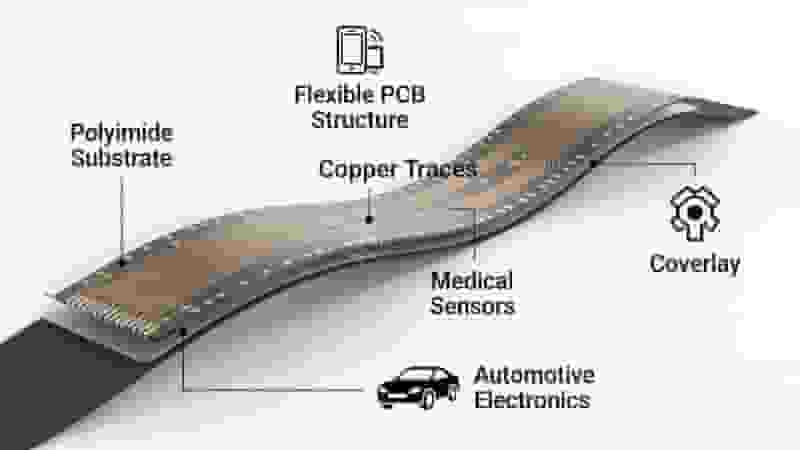
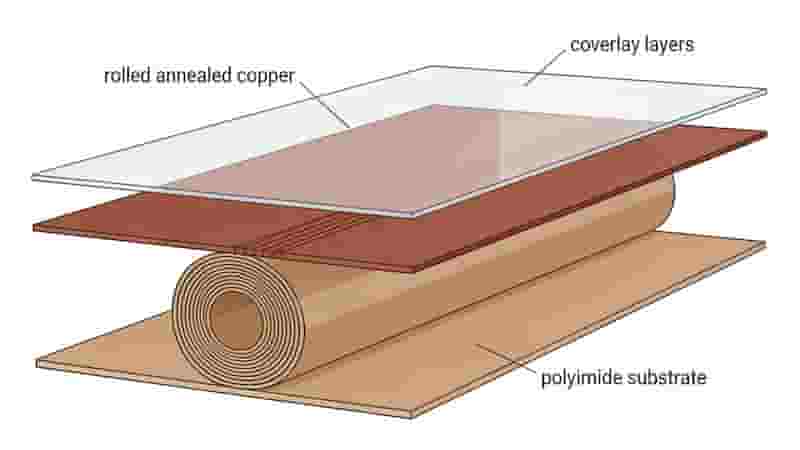
- Flexible CCL (FCCL): Polyimide-based; used for FPC flexible boards
- Rigid-Flex CCL: Combines rigid and flex materials
2. By Reinforcement Material
- Glass cloth-based CCL (FR-4, FR-5)
- Paper-based CCL (XPC, FR-1, FR-2)
- Composite CCL (CEM-1, CEM-3)
- Special material: metal core, ceramic, PTFE
3. Common CCL Types for PCB
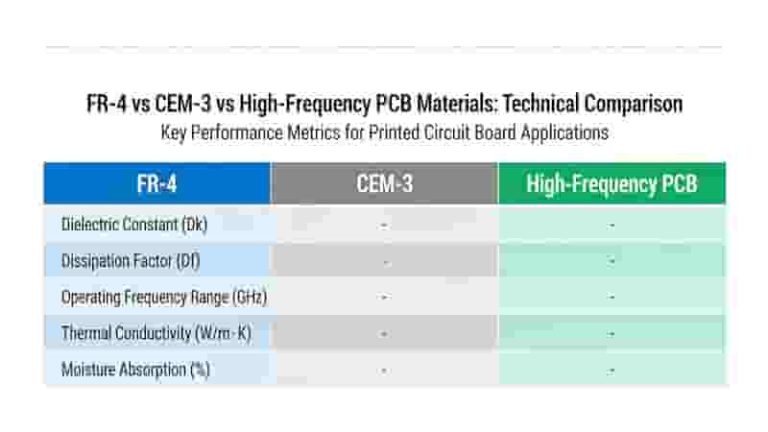
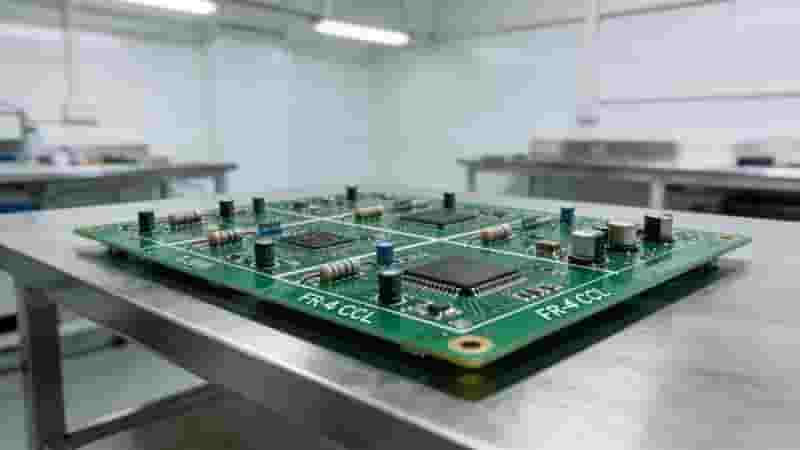
FR-4 CCL: Most widely used; flame-retardant, glass fiber + epoxy resin. Suitable for consumer electronics, industrial control, automotive PCB.
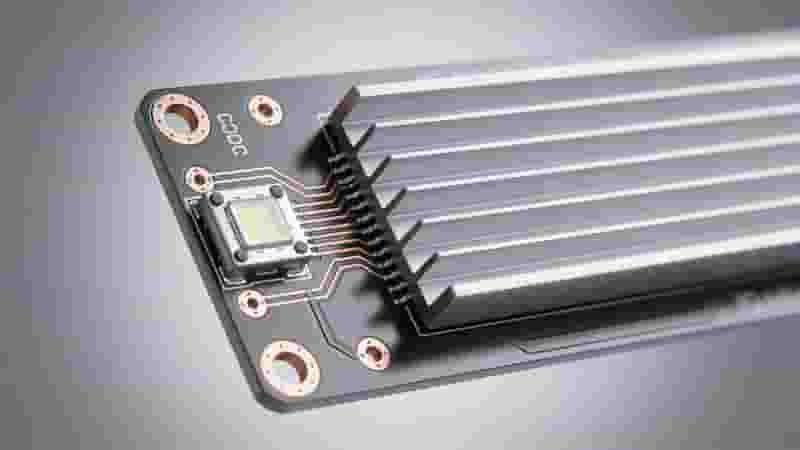
Aluminum Core CCL: High thermal conductivity; for LED, power, heat-dissipation PCB.
Copper Core CCL: Ultra-high thermal conductivity; for high-power modules.
PTFE CCL: Low Dk/Df; for 5G, RF, microwave, high-frequency PCB.
Halogen-Free CCL: Eco-friendly, RoHS compliant; for automotive, medical, green electronics.
Key Performance Properties of CCL
When evaluating CCL for PCB, focus on these critical parameters:
- Thermal Properties: Tg (glass transition temperature), Td, T260/T288 delamination time
- Electrical Properties: Dk (dielectric constant), Df (dissipation factor), insulation resistance
- Mechanical Properties: Peel strength, bending strength, dimensional stability
- Environmental: Water absorption, flame resistance (UL94), RoHS
| Property | Standard | Impact on PCB |
|---|---|---|
| Tg Value | 130°C, 150°C, 170°C+ | Heat resistance & reliability |
| Peel Strength | ≥1.0 N/mm | Copper foil bonding stability |
| UL94 Flammability | V-0 | Safety certification |
CCL Manufacturing Process
- Resin impregnation: Reinforcement material soaked with epoxy/polyimide resin
- Prepreg drying: Semi-cured to form prepreg sheets
- Lay-up: Stack prepreg and copper foil
- Hot pressing: High temperature + pressure to laminate
- Trimming & inspection: Cut to size and quality check
Industrial Applications
Copper Clad Laminate (CCL) supports nearly all electronic PCB applications:
- Consumer electronics: Mobile phones, TVs, laptops
- 5G communication: Base stations, antennas, high-speed signal PCB
- Automotive: ADAS, EV control, infotainment
- Industrial control: Power supply, IGBT, inverter
- Aerospace & military: High-reliability PCB
- Medical devices: Precision monitoring & imaging equipment
How to Select the Right CCL
Choose CCL based on PCB application, frequency, power, environment, and cost:
- General-purpose: FR-4 CCL
- High-power/heat: Aluminum/copper core CCL
- High-frequency/RF: PTFE or low-Dk hydrocarbon CCL
- Flexible devices: FCCL (polyimide)
- Eco-friendly: Halogen-free CCL
Summary
Copper Clad Laminate (CCL) is the irreplaceable foundation of PCB manufacturing. Selecting the right CCL ensures electrical performance, thermal reliability, and long-term durability of electronic products. Understanding CCL types, properties, and applications helps engineers and purchasers optimize PCB design and cost.
Need Custom CCL-Based PCB Solutions?
We provide professional PCB design, prototyping, mass production, and material selection support for global buyers. Get free DFM check and fast quote today.
Contact Us for a Free Quote
Flexible PCB Manufacturing Process Steps: Complete Technical Guide
Flexible PCB Manufacturing and Assembly: The Complete 2025 Guide
Microvias in PCBs: Complete Technical Guide for HDI & Miniaturization
High-Reliability PCBs For New Energy Applications
What Is PCB OSP Surface Finish? A Comprehensive Guide