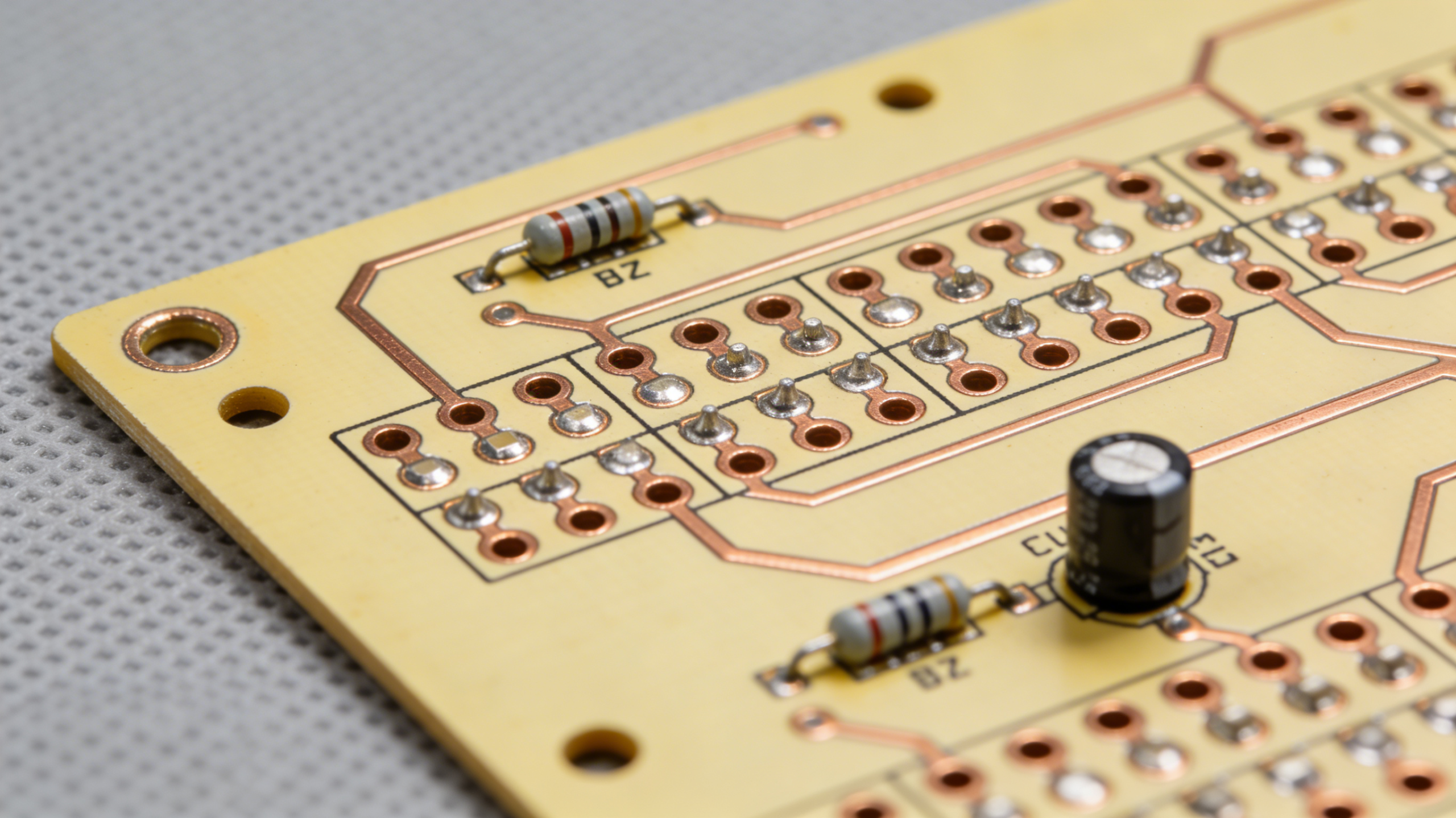
Single Layer Rigid PCB FR-4 Manufacturing

Single Layer PCB Manufacturing | Affordable Single Sided PCBs

We provide professional single layer PCB manufacturing and cost-effective single sided PCBs for LED lighting, power supplies, consumer electronics, and industrial equipment. Our ISO & IPC‑certified production ensures stable quality, fast lead times, and free DFM analysis for prototypes and mass production.

Single-Layer PCB Definition

A single layer PCB (also called single sided PCB) has only one conductive copper layer bonded to a dielectric substrate such as FR‑4, aluminum, or flexible materials. It is coated with solder mask and marked with silkscreen for component identification. This simple structure makes it the most cost‑effective solution for basic electronic circuits.
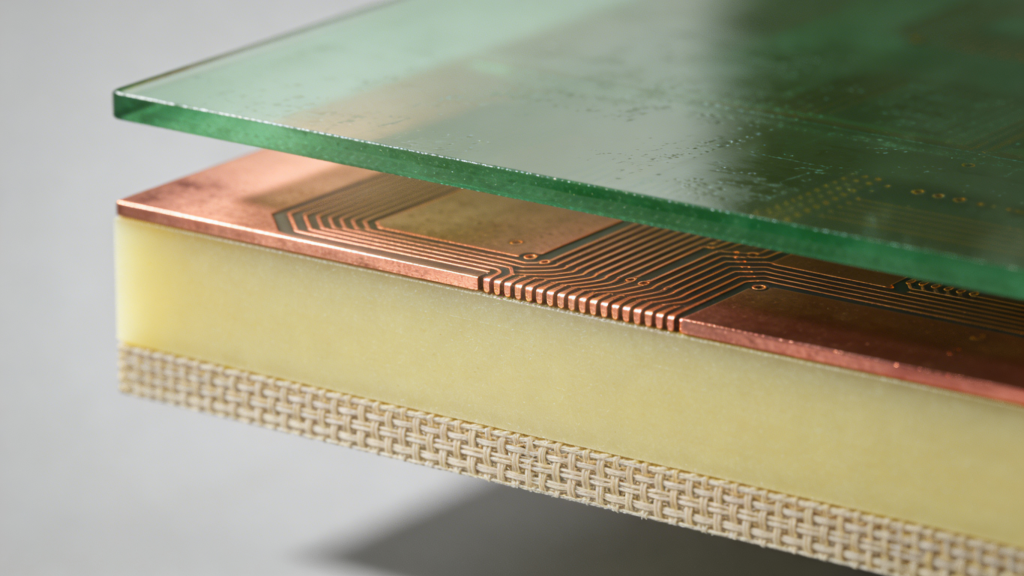
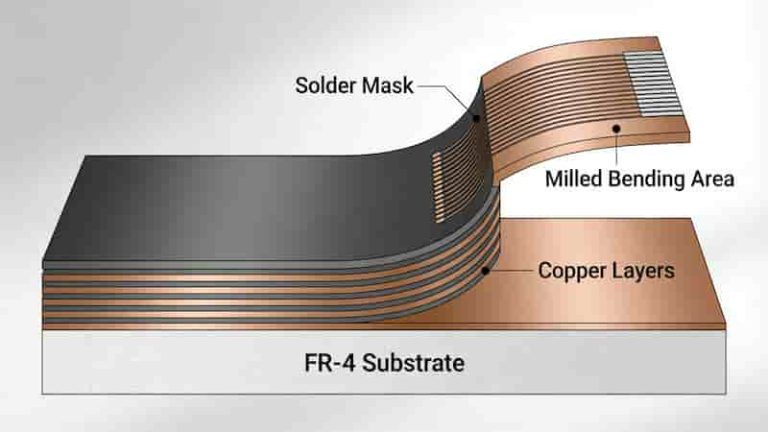
Single Layer PCB Structure Diagram Copper Layer Solder Mask

Types of Single Layer PCBs

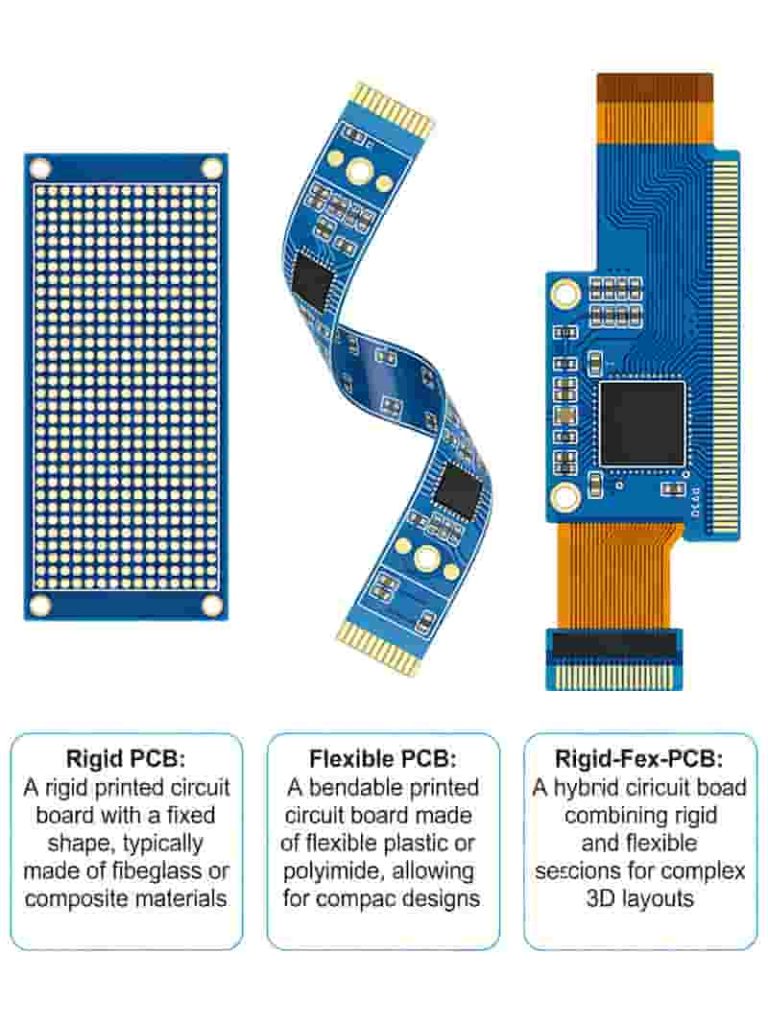
Single Layer Rigid PCB

Built on FR‑4 material, widely used in calculators, remote controls, and low‑power electronics. Our single layer PCB manufacturing ensures stable performance and low cost.
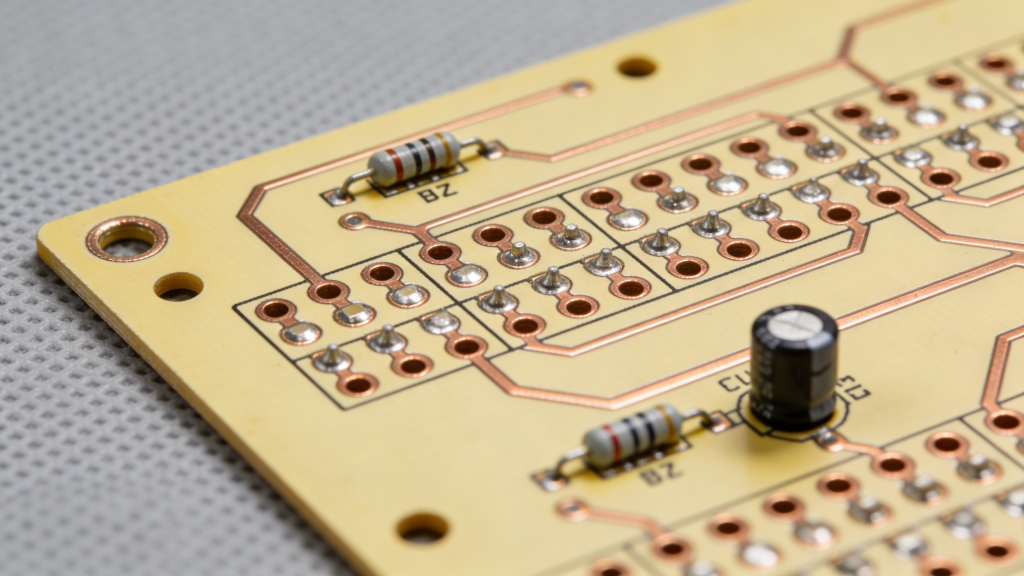
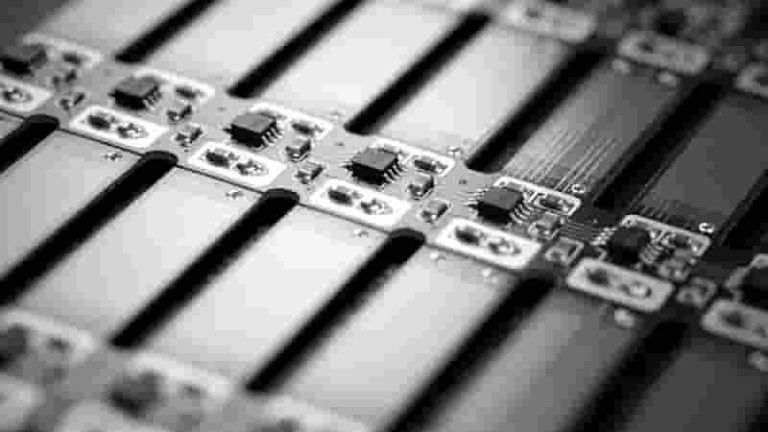
Single Layer Rigid PCB FR-4 Manufacturing

Single Layer Flexible PCB

Made of polyimide film for wearable devices, medical sensors, and compact assemblies. We deliver high‑precision flexible single sided PCBs.

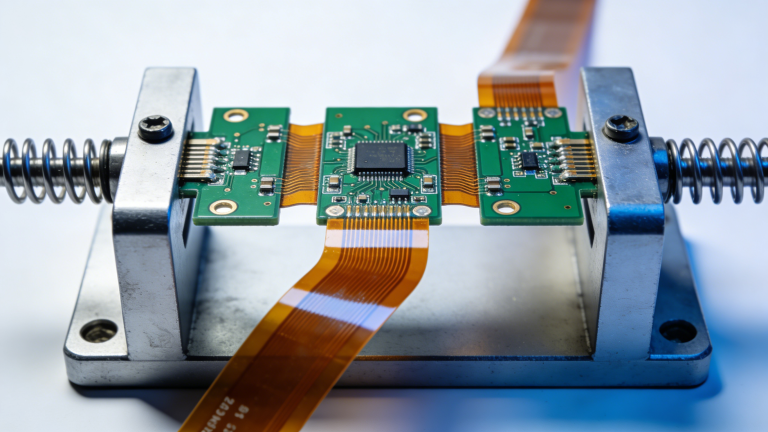
Single Layer Rigid-Flex PCB

Combines rigid and flexible substrates for compact devices like cameras and handheld instruments. Ideal for space‑constrained designs.

Single Layer High-Frequency PCB

Uses Rogers or other high‑frequency materials for RF communication and signal transmission applications. Ensures excellent signal integrity.
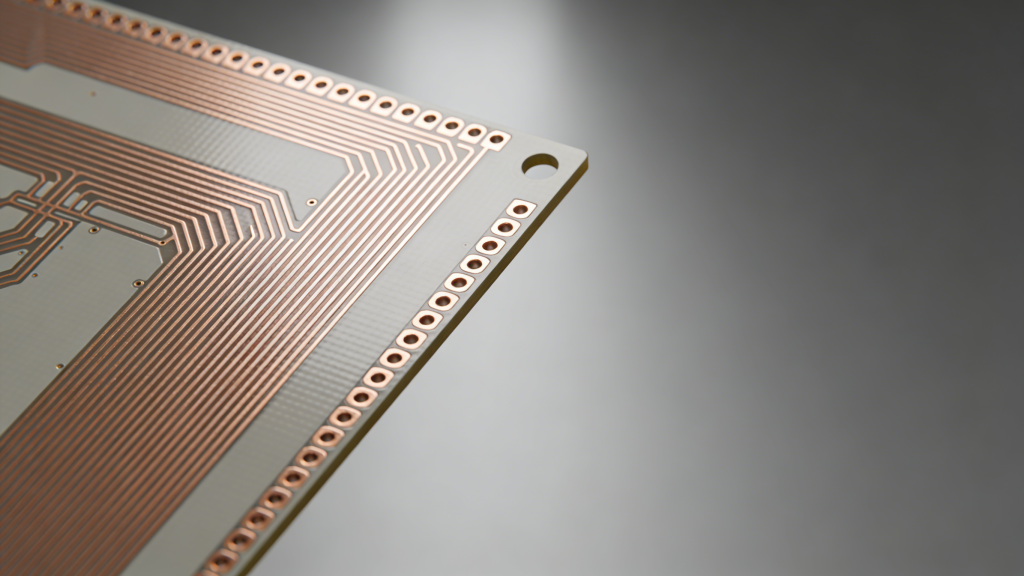
Single Layer High Frequency PCB Rogers Material

Single Layer Aluminum PCB

Features excellent thermal conductivity, perfect for LED lighting, power drivers, and heat‑sensitive equipment.
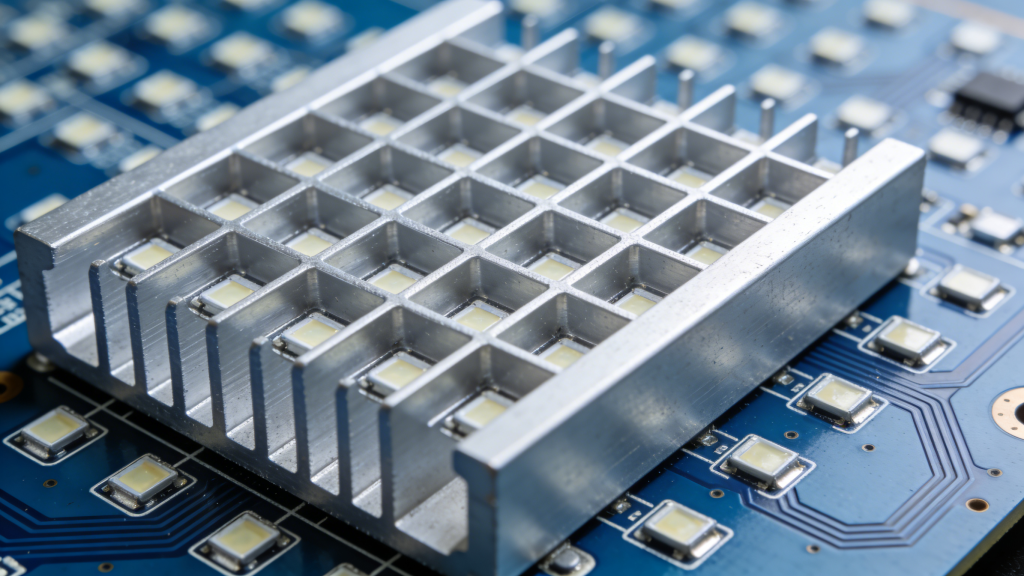
Single Layer Aluminum PCB LED Lighting Heat Dissipation

Benefits of Single Layer PCBs

Cost‑Effective: Lowest production cost among all PCB types, ideal for high‑volume projects.

Simplified Production: Single copper layer reduces defects and shortens lead times.

High Reliability: Simple structure delivers stable performance in harsh environments.

Easy Testing & Assembly: Convenient for AOI, electrical testing, and manual or automated assembly.

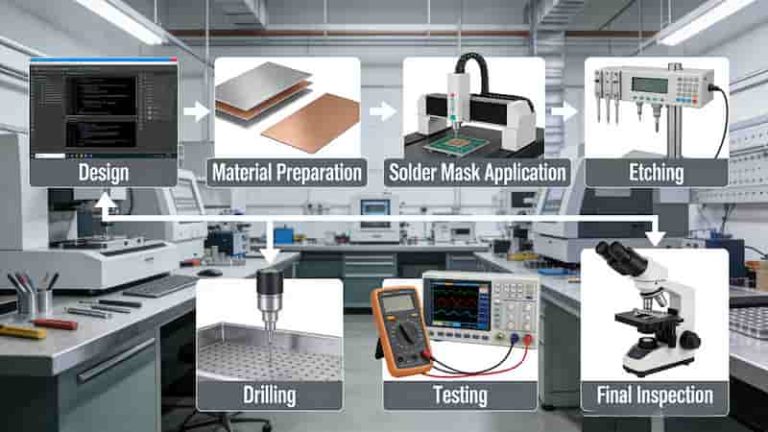
Single Layer PCB Manufacturing Process

1. Order & DFM Check: Review Gerber files to optimize design for manufacturability.

2. Material Preparation: Cut base materials to required panel size.

3. Circuit Printing & Etching: Transfer and etch copper circuits accurately.

4. Drilling: Create precise holes for components.

5. Solder Mask & Silkscreen: Apply protective coating and identification printing.

6. Electrical Testing & Inspection: Ensure 100% quality before shipment.
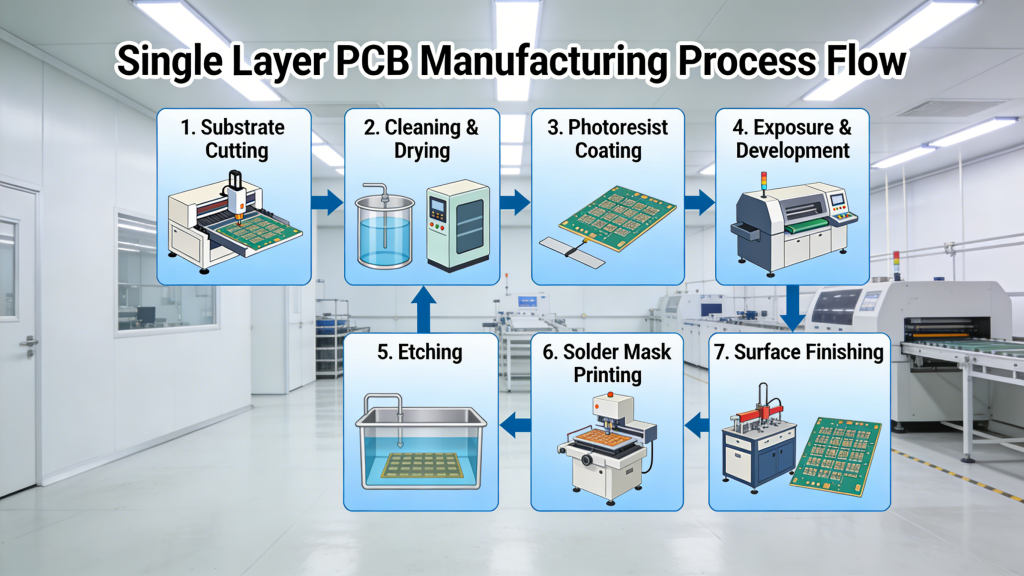
Single Layer PCB Manufacturing Process Flow Chart

Single-Sided vs Double-Sided vs Multilayer PCBs

FeatureSingle-Sided PCBDouble-Sided PCBMultilayer PCB
Conductive Layers123+
Typical CostLowModerateHigh
ComplexitySimpleModerateHigh
Main ApplicationsLED, power supplies, consumer electronicsIndustrial controls, automotiveAerospace, medical, high‑tech devices

Single Layer PCB FAQs

Q: What is a single layer PCB?
A: A single layer PCB is a printed circuit board with only one conductive copper layer, used for simple electronic circuits.

Q: What are typical applications?
A: LED lighting, power supplies, calculators, remote controls, and industrial instruments.

Q: How to reduce single layer PCB cost?
A: Optimize panel utilization, simplify design, and choose standard materials and thickness.

Q: What is standard PCB thickness?
A: Common thicknesses are 0.6mm, 1.0mm, 1.2mm, 1.6mm, customizable per request.

Summary

Single layer PCB manufacturing provides the most economical and reliable solution for simple electronic devices. With multiple material options and a streamlined production process, single sided PCBs are widely used in lighting, power, and consumer electronics. We support rapid prototyping, mass production, and free DFM checks to ensure your project success.

Need High-Quality & Affordable Single Layer PCBs?

Request a free quote, free DFM analysis, and custom solutions today.

Get Your Free Quote Now
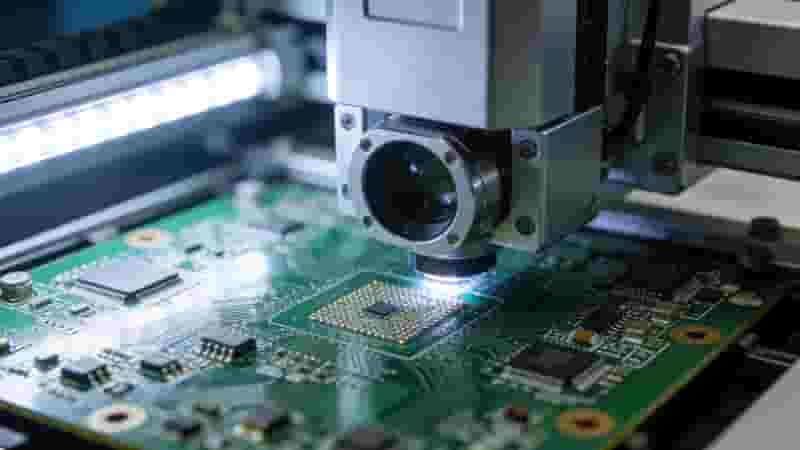
Multilayer PCB Layer Stackup And Thickness Guide: Standard 4‑Layer to 14‑Layer Configurations
Posted on
0 Comments
Multilayer PCB stackup and thickness directly determine signal integrity, EMC performance, mechanical stability and manufacturability. This professional guide covers core principles, key parameters, standard stackups from 4‑layer to 14‑layer, thickness selection and engineering best practices for industrial electronics, high‑speed designs and critical applications. Why Multilayer PCB Stackup And Thickness Matter Modern electronics demand smaller size,…
High Tg PCB Applications in Automotive Aerospace Industrial Electronics

High Tg PCB Materials: A Comprehensive Guide to High-Temperature Performance and Applications

Posted on
0 Comments
High Tg PCB materials are essential for circuits that operate in extreme heat. This guide covers what High Tg means, its advantages over standard PCBs, common materials, real-world applications, and tips for selecting the best option. Whether you’re designing for electronics in harsh conditions or seeking reliable PCB assembly services, we have you covered with…
Flex PCB Prototyping Process DFM Material Stackup Production Testing

Transform Ideas into Reality with High-Quality Flex PCB Prototyping

Posted on
0 Comments
Our advanced flex PCB prototyping delivers flexible, lightweight, and reliable flexible circuits for innovative electronics designs. Enjoy rapid turnaround and full engineering support. What Is Flex PCB? Flex PCBs are essential components in modern electronics including mobile devices, desktop printers, and hard drives. Built with a flexible substrate with or without coverlay, flexible PCBs integrate…
HASL PCB surface finish diagram for SMT and through‑hole assembly

HASL: Hot Air Solder Leveling for PCB Surface Finish

Posted on
0 Comments
HASL (Hot Air Solder Leveling) is one of the most widely used and cost‑effective PCB surface finish processes in electronics manufacturing. It provides excellent solderability, protects copper from oxidation, and supports reliable assembly for through‑hole and standard SMT applications. This guide explains the HASL process, benefits, limitations, lead‑free options, and comparisons to help you select…
PCB Solder Mask full color options green red blue white black matte

PCB Solder Mask: The Complete Technical Guide for Global Buyers

Posted on
0 Comments
PCB Solder Mask (also known as solder resist) is a protective polymer layer applied to printed circuit boards to prevent solder bridging, resist oxidation, improve insulation, and ensure long‑term reliability in SMT assembly and industrial applications. This guide covers definitions, types, colors, processes, DFM rules, IPC standards, testing, and troubleshooting for engineering and procurement teams…
Cross Section of Plated Half Hole PCB

Understanding Plated Half-Holes (Castellated Holes) in PCB Design

Posted on
0 Comments
Plated half-holes, also called castellated holes, provide a space-efficient way to interconnect separate PCB modules by soldering. Unlike bottom pads, their edge positioning simplifies mounting and enhances reliability. This article explains everything about plated half-hole structures, design guidelines, manufacture, benefits and use cases. Structure of Plated Half-Holes Plated half-holes, also known as castellated holes, resemble…

Similar Posts