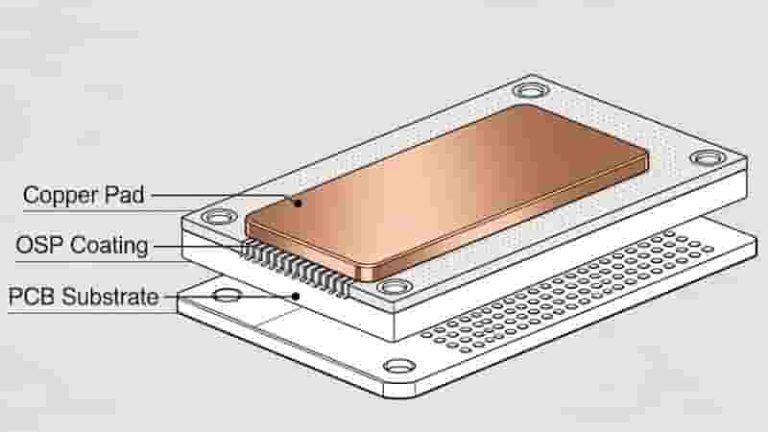
OSP (Organic Solderability Preservative) is a lead‑free, water‑based organic coating applied to exposed copper pads on printed circuit boards to prevent oxidation and ensure reliable soldering for SMT assembly. This complete guide covers definition, process, pros & cons, comparisons, storage, assembly best practices, and ideal applications for global engineers and buyers.
What Is PCB Surface Finish?
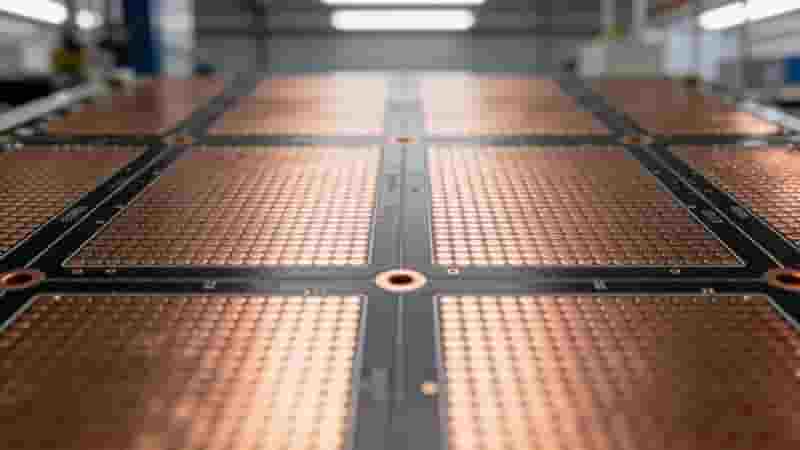
A PCB surface finish is a protective layer applied after solder mask to shield exposed copper traces from oxidation and provide a solderable surface for component mounting. It directly impacts board reliability, assembly yield, cost, and compliance with RoHS and WEEE standards.
Key functions:
- Protect copper from oxidation and corrosion
- Ensure strong and stable solder joints
- Support fine‑pitch and high‑density SMT assembly
What Is OSP Surface Finish?
OSP (Organic Solderability Preservative) is a transparent, water‑based organic coating that bonds to copper surfaces. It is one of the most cost‑effective and eco‑friendly lead‑free surface finishes widely used in consumer electronics, automotive, industrial, and telecommunication devices.
Unlike metallic finishes, OSP is thin, flat, and ideal for fine‑pitch components, BGAs, and lead‑free reflow soldering.

OSP Surface Finish Manufacturing Process
The OSP application process ensures uniform coverage and strong adhesion to copper pads:
- Cleaning: Remove contaminants, grease, and oxides
- Micro‑etching: Roughen copper for better bonding
- DI rinsing: Eliminate residual ions
- OSP coating: Apply organic film at pH 4.0–7.0
- Drying: Cure and stabilize the protective layer
Advantages & Disadvantages of OSP Surface Finish
Advantages
- Excellent flatness for fine‑pitch and BGA components
- Lowest cost among common surface finishes
- RoHS and WEEE compliant, eco‑friendly
- Simplified manufacturing and fast processing
- Good solderability for lead‑free assembly
Disadvantages
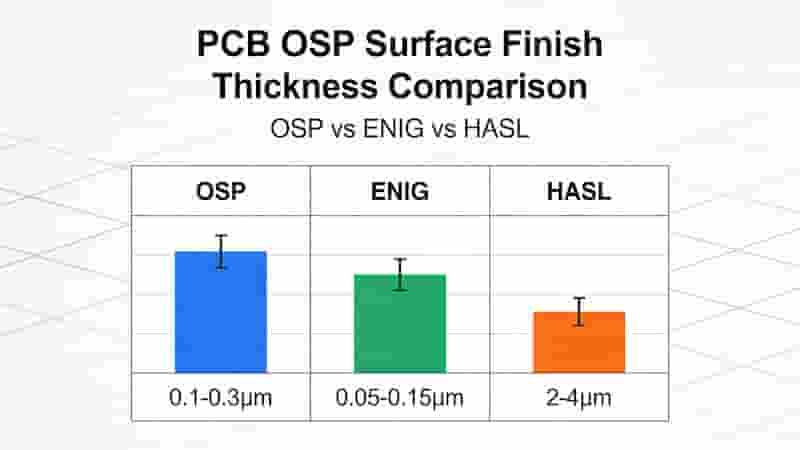
- Shorter shelf life: 6–12 months
- Sensitive to handling, moisture, and thermal cycles
- Difficult visual inspection due to transparency
- Limited reflow cycle tolerance
OSP PCB Storage & Assembly Guidelines
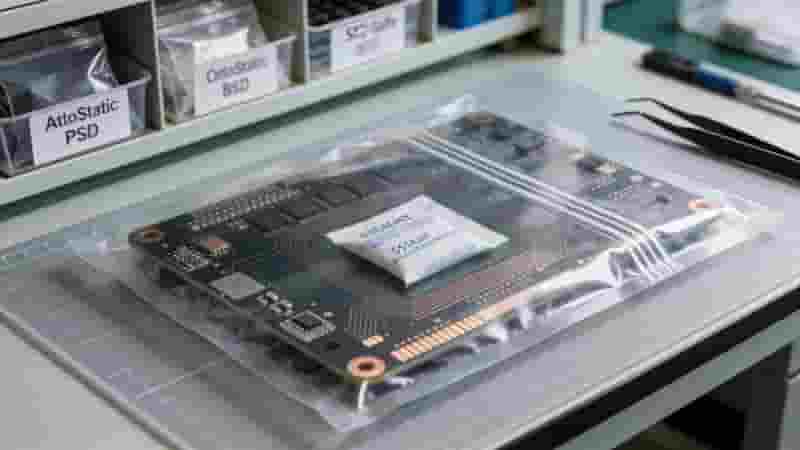
Storage Conditions:
- Vacuum packaging with desiccants
- Temperature: 15–30°C
- Humidity: 30–70% RH
- Avoid direct sunlight and excessive heat
Assembly Best Practices:
- Minimize exposure to open air
- Avoid repeated high‑temperature reflow
- Use proper handling with gloves
- Optimize solder paste and stencil design
OSP vs Other PCB Surface Finishes
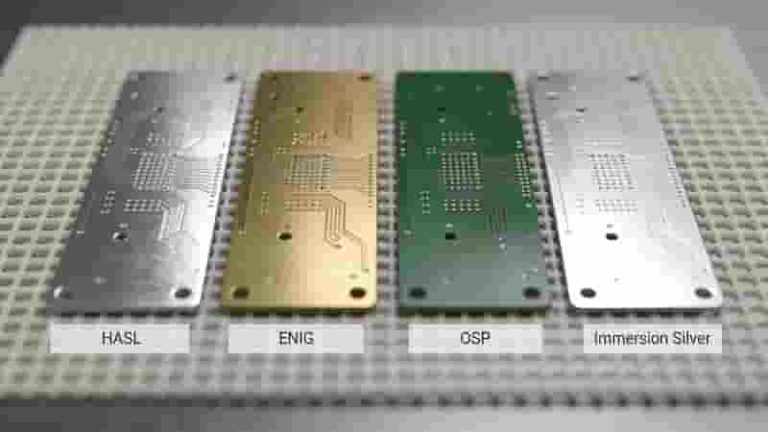
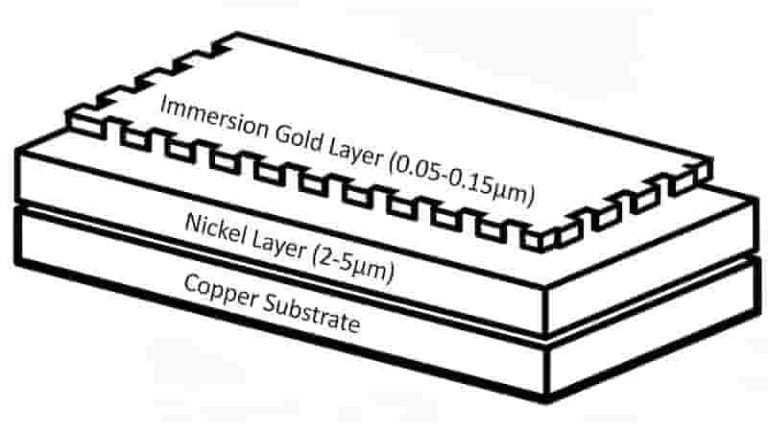
| Feature | OSP | ENIG | Immersion Silver | Lead‑Free HASL |
|---|---|---|---|---|
| Cost | Low | High | Moderate | Moderate |
| Flatness | Excellent | Good | Good | Poor |
| Shelf Life | 6–12 months | 12+ months | 6–12 months | 12+ months |
| RoHS Compliant | Yes | Yes | Yes | Yes |
Conclusion
OSP surface finish is a top choice for cost‑sensitive, high‑volume, lead‑free PCB applications requiring excellent flatness and environmental compliance. It delivers reliable performance for consumer electronics, automotive, industrial, and telecommunication devices when properly stored and assembled.
Understanding its process, strengths, and limitations helps you select the best surface finish for your PCB design and production needs.
Need Professional OSP PCB Manufacturing?
Get high‑quality OSP finished PCBs, quick quotes, DFM analysis, and reliable global delivery for your industrial and commercial projects.
Request a Free Quote
Choosing the Right PCB Material for Your Prototype: A Comprehensive Guide
What is a Blank PCB? Buy Bare Circuit Boards | Layer PCB
Step Stencils: Precision Solutions for Modern PCB Assembly
Selective Wave Soldering Guidelines: Process, Parameters & Best Practices for PCB Assembly
Why Choose Affordable PCB Prototyping?